
Amazon’s colossal footprint in the global e-commerce landscape is arguably one of the most significant technological achievements of the 21st century. At its heart lies an intricate, highly sophisticated, and constantly evolving shipping and logistics network. The simple question, “who does Amazon ship with?”, unveils a complex web of strategic partnerships, groundbreaking proprietary technologies, and continuous innovation aimed at delivering billions of packages with unparalleled speed and reliability. Far from relying on a single carrier, Amazon orchestrates a symphony of logistics providers, underpinned by its own rapidly expanding internal capabilities, all harmonized by advanced technological systems. This article delves into the technological underpinnings of Amazon’s multifaceted shipping strategy, exploring how it integrates, optimizes, and innovates to redefine global delivery.

The Core Pillars of Amazon’s Shipping Network: A Hybrid Tech Approach
Amazon’s approach to shipping is not monolithic but rather a dynamic hybrid model that leverages both established third-party logistics (3PL) providers and its own burgeoning internal delivery infrastructure. This dual strategy is a masterclass in technological integration and operational flexibility, allowing Amazon to scale, diversify, and maintain control over critical aspects of the customer experience.
Leveraging Third-Party Logistics Providers (3PLs): Integration and Scale
For decades, Amazon relied heavily on a roster of well-known global and national carriers to fulfill its delivery promises. Giants like the United States Postal Service (USPS), United Parcel Service (UPS), FedEx, and DHL remain critical components of Amazon’s supply chain, especially for long-haul transportation, international shipments, and deliveries to less densely populated areas. The technological challenge here lies in seamless integration and communication.
Amazon develops and maintains sophisticated Application Programming Interfaces (APIs) that allow its internal systems to communicate directly with those of its 3PL partners. This technological handshake enables real-time data exchange, covering everything from package tracking numbers and manifest details to delivery status updates and exception handling. Advanced Electronic Data Interchange (EDI) protocols ensure that millions of transaction details are accurately and efficiently transmitted daily. Amazon’s analytics platforms continuously monitor the performance of these carriers, using metrics such as on-time delivery rates, package damage statistics, and cost efficiency. This data-driven approach allows Amazon to dynamically allocate packages to the most suitable carrier based on factors like route efficiency, cost, and delivery speed requirements, all orchestrated by intelligent algorithms running on its vast AWS infrastructure. The ability to switch between carriers, or combine their services (e.g., using one carrier for line haul and another for last-mile delivery), is a testament to the flexibility provided by robust technological integration.
The Rise of Amazon Logistics: A Proprietary Tech Ecosystem
Recognizing the limitations and costs associated with exclusive reliance on 3PLs, Amazon embarked on a monumental project to build its own end-to-end logistics network, collectively known as Amazon Logistics. This initiative represents a massive technological investment, granting Amazon unprecedented control over the delivery process, from fulfillment center to customer doorstep.
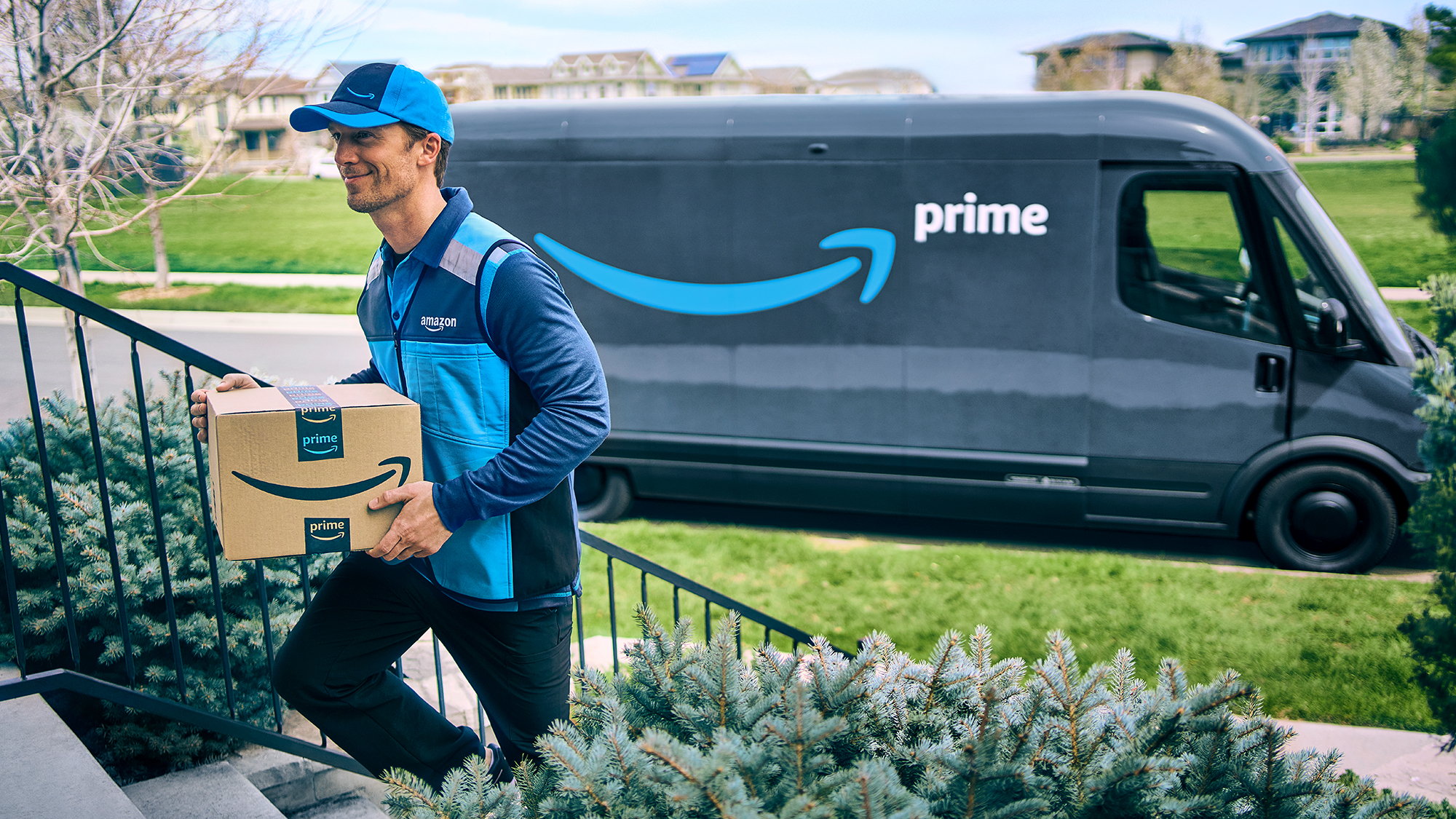
Amazon Logistics encompasses a proprietary network of fulfillment centers, sortation centers, air cargo hubs (Amazon Air), delivery stations, and a vast fleet of branded delivery vehicles operated by Delivery Service Partners (DSPs) and independent contractors via Amazon Flex. Each component of this network is saturated with advanced technology. Fulfillment centers utilize robotics and automation to sort, pick, and pack orders at incredible speeds. Sortation centers employ complex conveyor systems and optical scanners guided by AI to rapidly direct packages to their final delivery stations.
The Amazon Flex program, for instance, is built entirely on a mobile application platform. It uses real-time mapping, GPS tracking, and dynamic route optimization algorithms to assign “blocks” of deliveries to independent drivers. This gig-economy model is powered by a robust backend that handles driver onboarding, payment processing, performance tracking, and customer communications, demonstrating Amazon’s prowess in developing scalable, user-friendly logistical applications. The entire Amazon Logistics ecosystem is interconnected through Amazon’s cloud infrastructure (AWS), allowing for real-time visibility, predictive analytics, and agile adjustments across the entire supply chain.
Advanced Technology Driving Efficiency and Speed
The relentless pursuit of efficiency and speed is a hallmark of Amazon’s operations, and it is entirely underpinned by cutting-edge technology. From the moment an order is placed to its final delivery, a myriad of advanced systems work in concert to streamline every step.
AI and Machine Learning in Route Optimization and Demand Forecasting
One of the most critical technological differentiators for Amazon is its extensive use of Artificial Intelligence (AI) and Machine Learning (ML) in logistics. AI algorithms are constantly analyzing vast datasets—historical sales data, current order volumes, traffic patterns, weather forecasts, geographical information, and driver availability—to make incredibly precise predictions. This predictive analytics capability is crucial for demand forecasting, enabling Amazon to strategically pre-position inventory in fulfillment centers closest to anticipated customer demand, thereby reducing shipping times and costs.
Furthermore, AI powers Amazon’s dynamic route optimization. For Amazon Flex drivers and DSP fleets, ML models generate the most efficient delivery routes in real-time, considering factors like road closures, traffic congestion, delivery window commitments, and even the optimal sequence for dropping off packages to minimize backtracking. These algorithms aren’t static; they learn and adapt from every delivery, continuously refining their models to improve efficiency, reduce fuel consumption, and enhance the overall speed and reliability of deliveries.
Automation and Robotics in Fulfillment Centers
The inner workings of an Amazon fulfillment center are a marvel of modern robotics and automation. While human workers play a vital role, a significant portion of the repetitive and physically demanding tasks have been augmented or replaced by intelligent machines. Technologies like the Kiva Systems (now Amazon Robotics) revolutionized warehousing by having mobile robots transport shelves of products to human pickers, significantly reducing the time and effort involved in locating items.
Beyond mobile robots, fulfillment centers feature automated sortation systems that can scan and direct thousands of packages per hour, highly automated packaging lines that custom-fit boxes, and robotic arms that perform precision tasks like palletizing. These systems are integrated with Amazon’s Warehouse Management System (WMS), a sophisticated software suite that oversees inventory placement, order picking, packing, and shipping. The WMS leverages data from various sensors and real-time feeds to ensure optimal flow, minimize bottlenecks, and maintain high throughput, directly contributing to Amazon’s ability to process and ship orders rapidly.
Real-Time Tracking and Customer Communication
Amazon has set a high bar for customer expectations regarding package tracking and communication. This is achieved through a robust, technologically advanced tracking system that integrates data from internal logistics operations and external 3PL partners. Every package is assigned a unique tracking ID, which is then continuously updated as it moves through the supply chain.
The technology behind Amazon’s tracking system consolidates data points from various scanners (at fulfillment centers, sortation hubs, and delivery vehicles) and GPS receivers, presenting a unified, easy-to-understand journey map to the customer. This enables highly accurate estimated delivery windows and proactive notifications. Customers receive alerts via email, the Amazon app, or even Alexa-enabled devices, informing them of dispatch, transit progress, out-for-delivery status, and successful delivery, often with a photo confirmation. Geo-fencing technology and real-time GPS coordinates allow customers to track their package’s proximity to their doorstep, creating transparency and reducing “where is my order?” inquiries, enhancing the overall customer experience through digital means.
The Last Mile Challenge: Innovations and Future Tech
The “last mile” – the final leg of a package’s journey from a delivery hub to the customer’s doorstep – is often the most expensive and complex part of the logistics chain. Amazon is pouring significant technological resources into innovating this segment, exploring futuristic solutions that promise to further redefine delivery speed and efficiency.
Drone Delivery (Prime Air): Autonomous Logistics

Amazon Prime Air is arguably one of the most ambitious and futuristic components of Amazon’s last-mile strategy. This initiative focuses on developing and deploying autonomous drones for package delivery. The technology behind Prime Air involves highly sophisticated unmanned aerial vehicles (UAVs) equipped with advanced navigation systems, obstacle avoidance sensors, AI-powered flight control software, and robust payload mechanisms.
While still in the testing and regulatory approval phases, the vision for Prime Air is to deliver packages to customers’ backyards within minutes of ordering, particularly for lighter, smaller items. The technological hurdles are immense, including ensuring air safety, navigating complex airspace, adhering to strict regulations, and developing autonomous systems capable of precise, safe landings in varied environments. Despite the challenges, the potential impact on delivery speed, cost reduction, and environmental footprint (electric drones) is transformative.
Autonomous Ground Vehicles and Robotics
Beyond the skies, Amazon is also experimenting with autonomous ground vehicles for last-mile delivery. The Amazon Scout, a small, six-wheeled autonomous delivery robot, is designed to navigate sidewalks and deliver packages directly to customers’ doors. These robots are equipped with cameras, sensors, and AI algorithms to perceive their surroundings, avoid pedestrians and obstacles, and autonomously follow delivery routes.
The development of Scout involves cutting-edge robotics, computer vision, and machine learning to enable safe and reliable operation in real-world urban and suburban environments. While still undergoing trials, such solutions could potentially augment human delivery drivers, handle specific types of deliveries, and contribute to optimizing delivery density in residential areas.
Locker Networks and Hubs: Convenience through Smart Infrastructure
Amazon Locker is a practical, scalable, and currently active last-mile innovation that leverages smart infrastructure. These secure, self-service kiosks are strategically placed in convenient locations, offering customers an alternative to home delivery. The technology behind Amazon Lockers includes networked electronic locker compartments, a secure authentication system (via unique codes or QR codes sent to the customer), and real-time inventory management of available and occupied lockers.
This network extends beyond just lockers to include Amazon Hub Counter locations, where packages can be picked up at participating retail stores. These intelligent pick-up points reduce failed delivery attempts, mitigate package theft, and offer customers greater flexibility, especially in urban environments where building access or package security can be issues. The entire system is integrated into Amazon’s logistics network, providing seamless tracking and notification for customers.
Data-Driven Decision Making and Network Optimization
At the core of Amazon’s operational excellence is an unparalleled commitment to data analytics and cloud computing. The scale and complexity of its logistics network demand constant, real-time analysis of vast amounts of data to make informed decisions and continuously optimize every facet of the supply chain.
Big Data Analytics for Supply Chain Resilience
Amazon’s logistics operations generate petabytes of data daily, covering everything from order placement to delivery confirmation. This “big data” is fed into sophisticated analytics platforms that use machine learning to identify patterns, predict potential issues, and optimize the entire supply chain for resilience and efficiency. For example, by analyzing historical performance data, Amazon can identify bottlenecks in specific routes or fulfillment centers, predict potential capacity crunches during peak seasons, and proactively reroute packages or allocate additional resources.
Performance metrics for both internal logistics and third-party carriers are meticulously tracked. This allows Amazon to continuously evaluate carrier effectiveness, negotiate better rates based on performance, and make dynamic adjustments to its shipping strategy in response to changing conditions, such as fuel price fluctuations, labor availability, or severe weather events. This data-driven approach enables Amazon to maintain high service levels while managing costs across a globally distributed, incredibly complex network.
Cloud Infrastructure Powering Global Operations
The backbone of Amazon’s entire technological infrastructure, including its vast logistics network, is Amazon Web Services (AWS). AWS provides the scalable, reliable, and secure cloud computing platform that hosts all of Amazon’s internal applications, databases, and data analytics tools. From the front-end customer ordering system to the backend warehouse management system, route optimization algorithms, and real-time tracking, everything runs on AWS.
The cloud infrastructure allows Amazon to handle the immense computational demands of processing billions of orders, managing millions of packages, and integrating thousands of data points every second. This scalability is particularly crucial during peak shopping seasons like Prime Day or the holiday season, when transaction volumes surge. AWS ensures that Amazon’s logistics technology remains agile, robust, and capable of adapting to rapidly changing demands and expanding global operations without interruption.
Security and Integrity in the Delivery Chain
With billions of packages moving through its network and sensitive customer data being processed, security and integrity are paramount. Amazon employs a range of technological solutions to protect both the packages and the information associated with them.
Digital Security for Customer Data and Package Tracking
Protecting customer data is a foundational element of Amazon’s operations. This involves robust digital security measures across all integrated systems, both internal and external. Encryption protocols safeguard sensitive information transmitted between Amazon’s platforms and those of its 3PL partners. Multi-factor authentication, secure access controls, and regular security audits are standard practices to prevent unauthorized access to customer personal information and tracking data.
Furthermore, Amazon invests heavily in cybersecurity measures to protect its cloud infrastructure and applications from cyber threats, ensuring the continuous availability and integrity of its logistics systems. The secure handling of data is not just about compliance but is critical to maintaining customer trust in a service that processes highly personal information.
Anti-Theft and Verification Technologies
Addressing the challenge of package theft and ensuring successful delivery requires innovative technological solutions. Amazon has introduced “Key by Amazon,” which uses smart home technology to enable secure in-garage delivery. This system involves integrating with smart garage door openers and Amazon’s delivery app, allowing a verified Amazon driver one-time access to a customer’s garage to safely place a package inside. The process is monitored via an optional in-garage camera, providing real-time video verification.
For standard deliveries, Amazon often employs proof-of-delivery mechanisms, such as taking a photograph of the package at the customer’s doorstep (especially for unattended deliveries) or requiring a digital signature for high-value items. These technologies not only serve as verification but also deter theft and provide recourse in case of disputes, adding another layer of security to the delivery process.
In conclusion, Amazon’s answer to “who does Amazon ship with” is not a simple list of carriers but rather a complex, technologically advanced ecosystem. It’s a testament to its continuous investment in artificial intelligence, robotics, automation, cloud computing, and a hybrid strategy that seamlessly blends the capabilities of leading 3PLs with its own rapidly expanding, tech-driven Amazon Logistics network. This relentless pursuit of innovation ensures that Amazon remains at the forefront of global e-commerce, consistently pushing the boundaries of what’s possible in package delivery.
aViewFromTheCave is a participant in the Amazon Services LLC Associates Program, an affiliate advertising program designed to provide a means for sites to earn advertising fees by advertising and linking to Amazon.com. Amazon, the Amazon logo, AmazonSupply, and the AmazonSupply logo are trademarks of Amazon.com, Inc. or its affiliates. As an Amazon Associate we earn affiliate commissions from qualifying purchases.