
In the modern zeitgeist, the name “Tesla” is synonymous with a radical shift in the automotive landscape and the personification of disruptive innovation. However, the question of “who created Tesla” is often met with a simplified answer that overlooks the complex brand strategy and corporate identity maneuvers that transformed a small Silicon Valley startup into a global powerhouse. To understand the Tesla brand, one must look past the singular figurehead of Elon Musk and examine the collaborative—and often contentious—origins that defined its corporate DNA.
The story of Tesla is not merely a tale of engineering; it is a masterclass in brand positioning, personal branding, and the strategic evolution of a corporate identity from a niche luxury manufacturer to a multi-industry energy titan.

The Architects of Identity: Eberhard, Tarpenning, and the Foundation of a Vision
While popular history often begins with Elon Musk, the brand’s foundation was laid by two engineers, Martin Eberhard and Marc Tarpenning. In 2003, they incorporated Tesla Motors with a clear brand mission: to prove that electric vehicles (EVs) did not have to be compromise-laden “golf carts,” but could instead be high-performance objects of desire.
The Naming Strategy: Why Nikola Tesla?
The selection of the name “Tesla” was a calculated branding move. By naming the company after Nikola Tesla, the Serbian-American inventor and electrical engineer, the founders anchored the brand in a legacy of brilliant, albeit underappreciated, genius. This choice immediately differentiated the company from traditional automotive giants named after their founders (like Ford or Chrysler). It signaled that the company was a technology firm first and a car manufacturer second. The name evoked themes of AC electricity, high voltage, and a future-forward mentality that appealed to the tech-savvy elite of Northern California.
Defining the Initial Brand Positioning
The early brand strategy focused on “The Roadster.” This was a pivotal decision in brand architecture. Rather than building an affordable car for the masses—an endeavor that had failed many startups before them—Eberhard and Tarpenning positioned Tesla as a luxury, high-performance brand. By targeting the “early adopter” segment of the market, they created a sense of exclusivity. This positioning allowed the brand to command a premium price point, which was necessary to fund the research and development of future, more affordable models.
The Musk Transformation: From Investor to the Face of a Global Movement
In 2004, Elon Musk joined the company as the lead investor during the Series A funding round. His entry marked a significant shift in the brand’s trajectory. Musk did not just bring capital; he brought a vision for a holistic brand ecosystem that transcended the automotive sector.
Personal Branding as a Catalyst for Corporate Growth
One of the most significant assets of the Tesla brand today is the personal brand of Elon Musk. Unlike traditional CEOs who maintain a professional distance from their customer base, Musk utilized social media and public appearances to become the “Chief Brand Officer.” His persona—part visionary, part provocateur—imbued Tesla with a “rebel” identity. This personal branding strategy created an army of brand evangelists who were not just buying a car, but were investing in Musk’s vision of a multi-planetary, sustainable future. This synergy between personal and corporate branding allowed Tesla to achieve massive brand awareness with a zero-dollar traditional advertising budget.
Navigating the Founder Conflict and Brand Narrative
The transition of leadership from Eberhard to Musk was fraught with legal and public relations challenges. A 2009 lawsuit settlement eventually allowed five individuals—Eberhard, Tarpenning, Musk, JB Straubel, and Ian Wright—to be legally referred to as “founders.” From a brand strategy perspective, this was a crucial moment of narrative control. By broadening the definition of “creator,” the brand was able to move past internal strife and focus on a unified story of collective innovation, even as Musk became the undisputed face of the company.

Brand Strategy and the Master Plan: How Tesla Redefined Automotive Marketing
In 2006, Musk published a blog post titled “The Secret Tesla Motors Master Plan (just between you and me).” This document is perhaps one of the most effective pieces of brand storytelling in corporate history. It outlined a simple, four-step strategy:
- Build a sports car.
- Use that money to build an affordable car.
- Use that money to build an even more affordable car.
- While doing above, also provide zero-emission electric power generation options.
The Top-Down Market Entry Strategy
This “Master Plan” provided a roadmap that justified the brand’s premium pricing to its initial customers. It positioned early adopters not just as consumers, but as patrons of a larger environmental mission. This created high brand equity; owning a Tesla became a status symbol that also signaled “virtue” and “intelligence.” The brand successfully bridged the gap between luxury and sustainability, a space that traditional luxury brands like BMW or Mercedes-Benz had yet to claim.
The Direct-to-Consumer Model as a Brand Differentiator
A key component of the Tesla brand experience is its departure from the traditional dealership model. By selling directly to consumers through sleek, Apple-style showrooms in high-end shopping malls, Tesla maintained total control over its brand identity. This eliminated the friction and negative brand associations often found in the traditional “car salesman” experience. Every touchpoint, from the online ordering process to the over-the-air software updates, was designed to reinforce the brand’s identity as a cutting-edge technology company.
From “Motors” to “Inc.”: Expanding the Corporate Identity into Energy
In 2017, the company officially changed its name from Tesla Motors to Tesla, Inc. This was a significant rebranding move that signaled the completion of the “Master Plan’s” final step. The brand was no longer confined to the four wheels of a vehicle; it was becoming a lifestyle and infrastructure brand.
The Ecosystem Play: Solar, Storage, and Sustainability
The acquisition of SolarCity and the introduction of the Powerwall (home battery storage) expanded the Tesla brand into the home. This “ecosystem” strategy is similar to that of tech giants like Apple or Google. Once a consumer enters the Tesla ecosystem—via a car, a solar roof, or a battery—the brand becomes an integral part of their daily life and values. The corporate identity shifted toward a “sustainable energy” mission, which broadened the target demographic and insulated the brand from fluctuations in the automotive market alone.
Sustaining Brand Equity in a Volatile Market
As Tesla transitioned from a niche player to a mass-market manufacturer with the Model 3 and Model Y, the brand faced the challenge of “brand dilution.” Maintaining a premium, innovative image while producing millions of vehicles is a delicate balance. Tesla addressed this by focusing on software and AI. Features like “Autopilot” and “Full Self-Driving” (FSD) keep the brand at the forefront of the “Tech” conversation, ensuring that even as the hardware becomes more common, the software remains aspirational.
Conclusion: The Legacy of a Multi-Faceted Creation
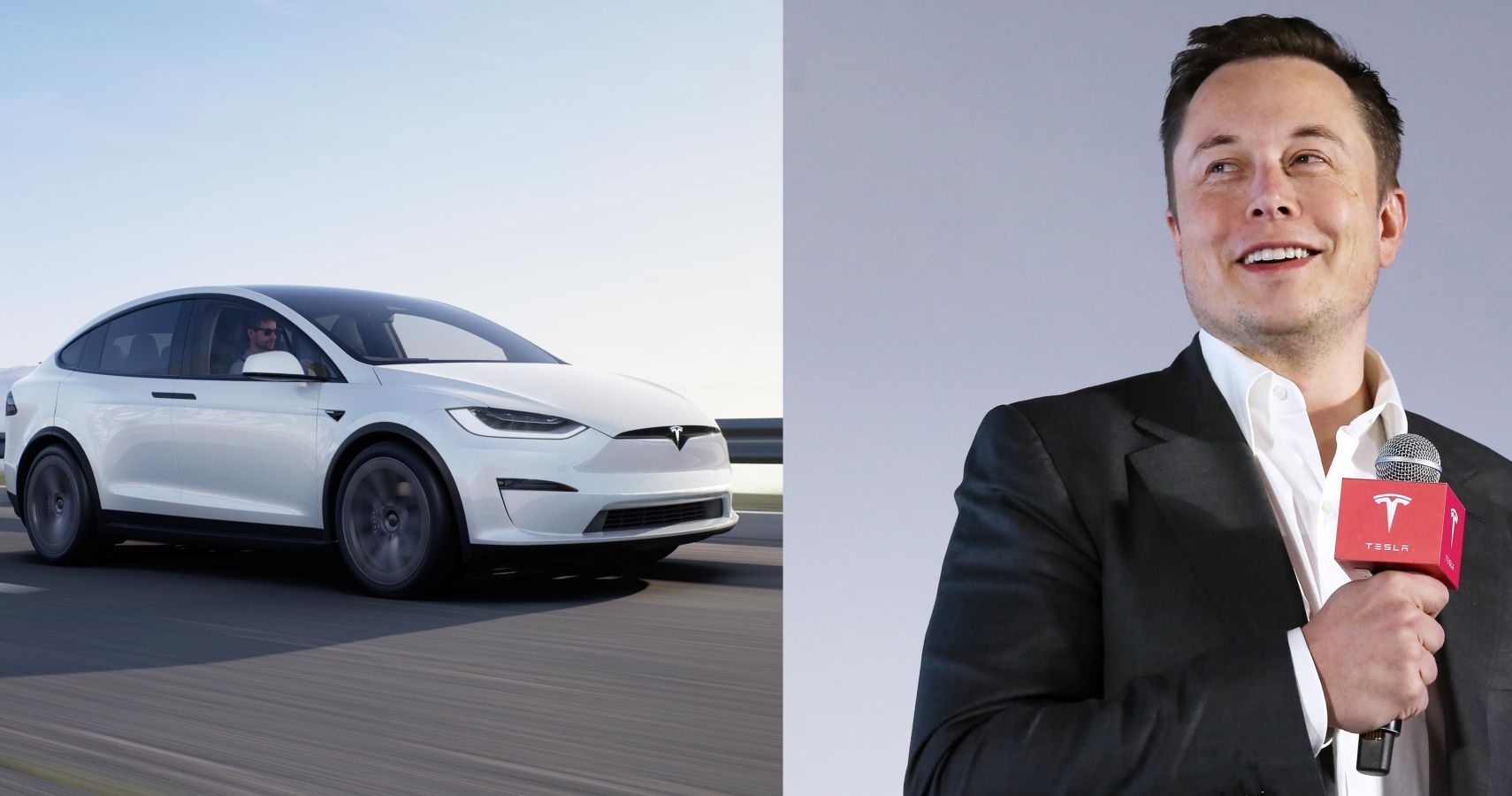
Who created Tesla? While the legal and historical answer involves a group of five founders and the visionary leadership of Elon Musk, the brand’s true “creator” is the strategic synthesis of engineering excellence and world-class brand management. Tesla was created through a bold naming strategy, a revolutionary direct-to-consumer sales model, and a master plan that turned a product roadmap into a global mission.
Today, the Tesla brand stands as a testament to the power of corporate identity. It has successfully navigated the transition from a startup with a single sports car to a global icon of the sustainable energy transition. By consistently aligning its actions with its stated mission, Tesla has built a level of brand loyalty that is the envy of the corporate world, proving that in the modern economy, the narrative is just as important as the machine.
aViewFromTheCave is a participant in the Amazon Services LLC Associates Program, an affiliate advertising program designed to provide a means for sites to earn advertising fees by advertising and linking to Amazon.com. Amazon, the Amazon logo, AmazonSupply, and the AmazonSupply logo are trademarks of Amazon.com, Inc. or its affiliates. As an Amazon Associate we earn affiliate commissions from qualifying purchases.