
The story of Lululemon Athletica is not just the tale of a successful apparel company; it is a masterclass in brand creation, identity formation, and the cultivation of a dedicated community. At the heart of this narrative lies the entrepreneurial spirit and vision of its founder, Chip Wilson. Born from a perceived gap in the market for high-quality athletic wear specifically for yoga and other fitness activities, Lululemon rapidly evolved from a niche Vancouver boutique into a global athleisure empire, fundamentally reshaping consumer expectations for activewear.
Wilson’s insight went beyond merely selling clothes; he aimed to build a brand that embodied a lifestyle—one of health, wellness, and personal growth. This strategic intent from the outset laid the groundwork for a brand identity that was distinctive, aspirational, and deeply resonant with its target audience. Understanding “who created Lululemon” means delving into the brand’s foundational philosophy, its innovative approach to product development, and its unique retail experience, all meticulously designed to forge a powerful and enduring connection with consumers. This article will explore the journey of Lululemon’s creation, dissecting the branding strategies that catapulted it to prominence and cemented its legacy as a lifestyle powerhouse.
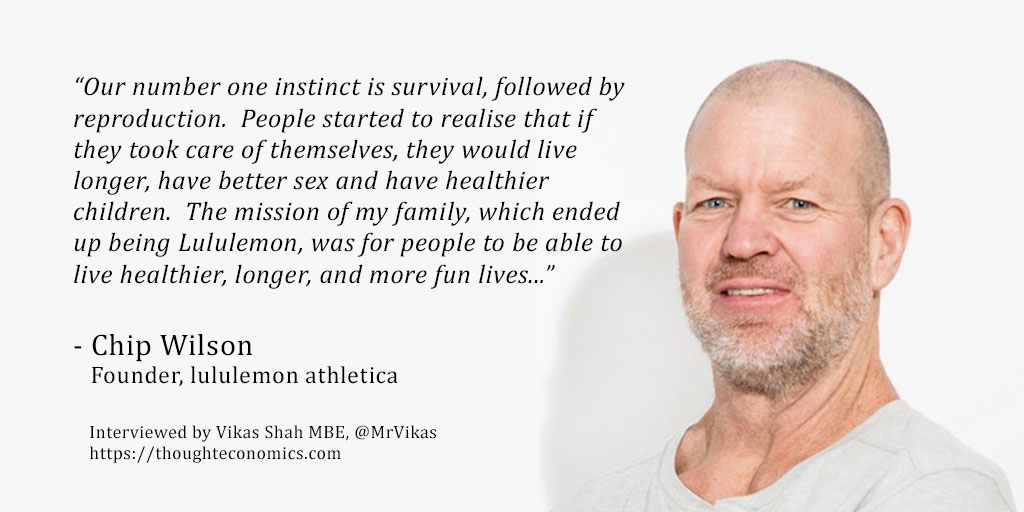
The Visionary Behind the Athleisure Empire: Chip Wilson
The genesis of Lululemon Athletica is inextricably linked to its founder, Dennis “Chip” Wilson, a Canadian entrepreneur with a keen eye for market trends and a deep understanding of consumer desires. Wilson’s journey into the athletic apparel industry wasn’t his first foray into entrepreneurship, but it was certainly his most impactful. His prior experience, particularly with surf, skate, and snowboard apparel, provided him with invaluable insights into niche markets, technical fabrics, and the power of lifestyle branding. This background positioned him uniquely to identify and capitalize on an emerging cultural phenomenon: yoga.
Chip Wilson’s Entrepreneurial Journey
Before Lululemon, Wilson founded Westbeach Snowboard, a surf and snowboard apparel company in 1980. This venture, which he sold in 1997, taught him critical lessons about technical apparel design, retail operations, and the art of connecting with a passionate, active community. He understood that consumers in specific lifestyle niches weren’t just buying products; they were buying into an identity and a culture. This foundational experience would prove instrumental in shaping Lululemon’s brand strategy, moving beyond mere garments to fostering a holistic lifestyle.
Identifying a Market Gap: The Rise of Yoga
The late 1990s witnessed a burgeoning interest in yoga, particularly among women. Despite its growing popularity, Wilson noticed a significant void in the market: comfortable, functional, and stylish athletic wear specifically designed for yoga practice. Existing athletic apparel often failed to meet the demands of yoga—requiring flexibility, breathability, and non-restrictive movement—while also being aesthetically pleasing enough for women to wear beyond the studio. Wilson recognized that traditional cotton fabrics were inadequate, becoming heavy and uncomfortable when wet with sweat. This observation sparked the idea for a new category of performance apparel.
The Initial Concept: Functionality Meets Fashion
Wilson’s vision for Lululemon was clear: to create high-quality athletic apparel that blended superior technical performance with contemporary fashion. He wanted clothing that would not only enhance a woman’s yoga practice but also make her feel confident and stylish outside the studio. The initial focus was on innovative fabrics, particularly those with moisture-wicking and four-way stretch capabilities, which would become a hallmark of the Lululemon brand. This commitment to fabric technology and functional design was paired with an equally strong emphasis on aesthetic appeal, ensuring that the clothing was both practical and aspirational. The very first Lululemon store opened in Vancouver, British Columbia, in 1998, serving as a design studio by day and a yoga studio by night, fostering an immediate connection between product and practice.
Lululemon’s Foundational Brand Identity: More Than Just Apparel
From its inception, Lululemon’s brand identity was meticulously crafted to resonate deeply with its target audience, transcending the transactional relationship of customer and seller. Chip Wilson didn’t just create a clothing line; he engineered a brand experience centered around health, mindfulness, and personal betterment. This deliberate approach to brand building established Lululemon as a lifestyle guru rather than just an athletic wear manufacturer.
Defining the Core Customer: The “SweatLife” Persona
Lululemon didn’t chase every consumer; it meticulously defined its core customer: the active, health-conscious, educated, and aspirational woman (initially referred to as “Ocean”). This demographic was not merely interested in exercise; they embraced a holistic “SweatLife”—a lifestyle integrating fitness, mindfulness, and community engagement. The brand’s messaging, product design, and retail environment were all tailored to speak directly to this persona, creating a sense of exclusivity and belonging. By focusing intently on this specific segment, Lululemon was able to build a highly loyal customer base who felt understood and valued by the brand.
Product Philosophy: Quality, Innovation, and Fabric Technology
A cornerstone of Lululemon’s brand identity is its unwavering commitment to product excellence. Wilson understood that for premium prices, consumers expected premium quality and performance. The brand invested heavily in fabric innovation, developing proprietary materials like Luon, a blend of nylon and Lycra designed for superior stretch, shape retention, and moisture-wicking properties. This relentless pursuit of technical superiority, combined with ergonomic design and attention to detail, established Lululemon as a leader in performance apparel. The product wasn’t just functional; it was engineered to empower the wearer, enhancing their athletic performance and comfort, thereby reinforcing the brand’s promise of enabling a better “SweatLife.”
Early Marketing: Grassroots and Community Building
Unlike traditional advertising-heavy brands, Lululemon’s early marketing strategy was predominantly grassroots and community-focused. The brand leveraged local yoga instructors, fitness professionals, and community leaders, offering them free apparel in exchange for genuine endorsements and feedback. These “ambassadors” became authentic evangelists, spreading the Lululemon message organically within their networks. In-store yoga classes, fitness workshops, and community events transformed retail spaces into vibrant hubs for connection and wellness. This approach fostered a strong sense of community and authenticity, building trust and loyalty far more effectively than conventional advertising could have. It positioned Lululemon not as a retailer, but as an integral part of its customers’ wellness journey.
From Niche Apparel to Global Phenomenon: Scaling the Brand
Lululemon’s journey from a single store in Kitsilano, Vancouver, to a global athleisure powerhouse is a testament to its robust brand strategy and meticulous execution. The brand successfully scaled its unique identity and experiential model without losing its core essence, navigating growth while maintaining the intimate connection it had built with its early adopters.
Scaling the Brand: Retail Expansion and Market Penetration
The initial success in Vancouver provided a blueprint for expansion. Lululemon meticulously replicated its unique retail experience, opening stores in key urban centers across North America and eventually globally. Each new store was not just a point of sale, but an extension of the brand’s philosophy—designed to be a welcoming, inspiring space that reflected the local community’s wellness culture. The brand’s expansion was strategic, focusing on locations where its target demographic was prevalent, gradually penetrating new markets while preserving its aspirational appeal. This controlled growth allowed Lululemon to maintain quality control over both its products and its brand experience.

The Experiential Retail Model
Central to Lululemon’s scaling strategy was its distinct experiential retail model. Stores were designed to be more than just places to shop; they were community hubs where customers could connect, learn, and be inspired. From the inviting store layouts to the knowledgeable “educators” (sales associates) who embodied the Lululemon lifestyle, every element was crafted to create an immersive brand experience. The stores offered complimentary yoga classes, fitness workshops, and social events, transforming retail spaces into vibrant community centers. This model fostered deep emotional connections with customers, turning them into loyal brand advocates who felt a personal investment in the Lululemon community.
Cultivating Brand Loyalty and Advocacy
Lululemon’s commitment to quality, community, and lifestyle translated into exceptional brand loyalty. Customers were not just buying activewear; they were investing in a lifestyle and a community that Lululemon championed. The brand’s strategic use of ambassadors, coupled with its grassroots marketing, empowered its customers to become brand advocates. Word-of-mouth marketing, driven by genuine enthusiasm and positive experiences, became one of Lululemon’s most powerful growth engines. The brand’s unique ability to cultivate a sense of belonging and aspiration created a powerful cycle of loyalty, where customers not only returned repeatedly but also actively promoted the brand within their social circles.
Branding Beyond the Product: The Lululemon Experience
Lululemon’s enduring success in building a global brand rests heavily on its ability to transcend product sales and deliver a holistic “experience.” This deep integration of lifestyle, community, and personal growth into its brand identity is what truly differentiates Lululemon and explains its fervent customer loyalty. The brand understood early on that modern consumers seek more than just goods; they seek meaning, connection, and aspiration.
The Role of Educators and In-Store Culture
A critical component of the Lululemon experience is its in-store staff, known as “educators.” Unlike traditional retail associates, educators are deeply ingrained in the brand’s culture and philosophy. They are often fitness enthusiasts themselves, knowledgeable about Lululemon products, and genuinely passionate about promoting the “SweatLife.” They are trained not just to sell, but to engage, inspire, and build relationships with customers. Their authentic enthusiasm and ability to share personal insights into wellness create a welcoming, non-intimidating environment. This personalized interaction elevates the shopping experience from transactional to transformational, reinforcing Lululemon’s image as a partner in personal growth.
Community Hubs: Yoga Classes and Events
From its inception, Lululemon stores doubled as community centers. The practice of offering complimentary yoga classes, meditation sessions, and various fitness workshops within its retail spaces was a revolutionary branding move. It provided customers with tangible value beyond product purchase and fostered a sense of belonging. These events transformed stores into vibrant social hubs where like-minded individuals could connect, learn, and cultivate their well-being. By positioning its stores as community pillars, Lululemon created powerful brand touchpoints that built emotional bonds, enhanced brand perception, and drove foot traffic, all while promoting the lifestyle it embodied.
Designing for Brand Immersion
Every aspect of the Lululemon store design contributes to a sense of brand immersion. From the minimalist, often naturally lit interiors to the strategically placed motivational quotes and community boards, the physical space is curated to inspire and uplift. The layout encourages exploration and interaction, allowing customers to experience the product in a dynamic, lifestyle-oriented setting. This thoughtful design reinforces the brand’s values of health, clarity, and personal development, creating an environment where customers feel energized and aligned with Lululemon’s ethos. The seamless blend of retail and lifestyle within the store environments is a prime example of effective experiential marketing.
Navigating Brand Evolution and Challenges
No brand’s journey is without its trials, and Lululemon, despite its meteoric rise, has faced its share of challenges. The brand’s ability to navigate these hurdles, adapt its strategies, and maintain its core identity speaks volumes about the strength of its foundational branding. From leadership transitions to product controversies and an increasingly competitive landscape, Lululemon has continuously evolved.
Leadership Transitions and Brand Direction
Chip Wilson’s visionary leadership was instrumental in creating Lululemon, but his tenure as CEO and subsequent departure from the board were marked by controversial statements and leadership shifts. These transitions presented a significant challenge for the brand, as the public scrutinizes the values and ethics of its leaders. Lululemon had to work diligently to articulate its brand values independently of its founder’s personal opinions, ensuring that the company’s inclusive and empowering message remained consistent. The brand’s ability to successfully transition leadership while maintaining its core appeal highlights its resilience and the strength of its institutionalized brand identity.
Product Missteps and Brand Recovery
Even a brand synonymous with quality can face product challenges. A notable instance was the “sheergate” controversy in 2013, where some yoga pants were found to be excessively sheer. This incident led to significant product recalls, a dip in customer trust, and a hit to the brand’s reputation for quality. Lululemon’s response was crucial for brand recovery: it took immediate action, apologized to customers, and reinforced its commitment to product quality and innovation. This prompt and transparent handling of the crisis helped the brand regain consumer confidence, demonstrating its accountability and dedication to its customers.
Adapting to a Competitive Landscape
The immense success of Lululemon inevitably attracted a wave of competitors, from established sportswear giants like Nike and Adidas entering the athleisure space to a proliferation of new direct-to-consumer brands. This heightened competition necessitated continuous innovation in product design, marketing strategies, and customer engagement. Lululemon has responded by diversifying its product offerings (e.g., menswear, self-care products), investing in digital experiences, and continually refining its retail model. By focusing on its core strengths—premium quality, community building, and an aspirational lifestyle—Lululemon has largely managed to maintain its market leadership and distinct brand position in an increasingly crowded market. Its ability to innovate while staying true to its brand essence is key to its sustained relevance.

The Enduring Legacy of a Lifestyle Brand
Lululemon Athletica stands as a powerful testament to the impact of intentional brand creation. From Chip Wilson’s initial vision of addressing a niche market need, the brand blossomed into a global phenomenon by meticulously crafting an identity that transcended mere apparel. Its legacy is built on a foundation of innovative product design, an unparalleled commitment to community engagement, and a relentless focus on fostering a holistic “SweatLife.”
Lululemon didn’t just sell yoga pants; it sold an aspiration, a sense of belonging, and a pathway to personal well-being. By integrating its products seamlessly into a lifestyle, transforming retail spaces into community hubs, and empowering its staff as brand ambassadors, Lululemon created a brand experience that few competitors have been able to replicate. Despite navigating leadership transitions, product challenges, and intense competition, the brand’s enduring appeal underscores the power of a strong, consistently communicated brand identity. It serves as a compelling case study for any aspiring entrepreneur or established company looking to build not just a business, but a lasting cultural icon.
aViewFromTheCave is a participant in the Amazon Services LLC Associates Program, an affiliate advertising program designed to provide a means for sites to earn advertising fees by advertising and linking to Amazon.com. Amazon, the Amazon logo, AmazonSupply, and the AmazonSupply logo are trademarks of Amazon.com, Inc. or its affiliates. As an Amazon Associate we earn affiliate commissions from qualifying purchases.