
When discussing the titans of the investment world, The Vanguard Group frequently enters the conversation. Renowned for its low-cost index funds and exchange-traded funds (ETFs), Vanguard has revolutionized personal finance and investing for millions worldwide. However, a common misconception arises when people inquire about its “major shareholders.” Unlike most publicly traded or privately held corporations, Vanguard operates under a truly unique ownership structure that sets it apart: it is owned by its funds, which in turn are owned by their investors. This mutual structure is not merely a technicality; it is the cornerstone of Vanguard’s philosophy, influencing every aspect of its operations and ultimately benefiting the individual investor.

Understanding Vanguard’s ownership model is crucial for anyone seeking to grasp its competitive advantage, its unwavering commitment to low costs, and its long-term, investor-centric approach. It’s a departure from the traditional corporate framework, designed to align the interests of the company directly with those of its clients, eliminating the pressures typically associated with external shareholders seeking profit maximization.
Vanguard’s Unique Ownership Model: A Mutual Structure
At the heart of Vanguard’s distinct identity lies its mutual ownership structure. This model is often misunderstood because it deviates significantly from the corporate governance of most financial institutions. Instead of having external shareholders—be they institutional investors, private equity firms, or individual wealthy benefactors—Vanguard is structured in a way that its constituents are its owners.
The “Client-Owned” Philosophy
The concept of “client-owned” is fundamental to Vanguard. It means that The Vanguard Group, Inc., the corporate entity that provides management and administrative services to the Vanguard funds, is directly owned by the U.S.-domiciled funds and ETFs that it manages. These funds, in turn, are owned by the individuals and institutions who invest in them. Therefore, if you own shares in a Vanguard mutual fund or ETF, you are, indirectly, one of Vanguard’s owners. This creates a powerful alignment of interests: any profits generated by The Vanguard Group are effectively returned to the funds in the form of lower operating costs, which then translate into lower expense ratios for investors. This closed loop ensures that the company’s focus remains squarely on the financial well-being of its fund shareholders rather than on satisfying external equity holders.
How This Differs from Traditional Public Companies
To appreciate Vanguard’s model, it’s helpful to contrast it with traditional publicly traded or privately held companies. Most corporations have external shareholders who invest capital in exchange for equity. These shareholders expect a return on their investment, typically through dividends or appreciation in share price. This often creates pressure on management to prioritize short-term profits, boost quarterly earnings, and maximize shareholder value, sometimes at the expense of long-term strategy or customer benefit.
For example, a traditional asset management firm might have a fiduciary duty to its external shareholders to maximize corporate profits, which could lead to charging higher management fees to fund clients. In contrast, because Vanguard’s “shareholders” are its funds (and by extension, its investors), there is no external pressure to generate profits for a third party. The primary goal becomes serving the investors by minimizing costs and maximizing long-term returns for the funds themselves. This distinction is not merely semantic; it has profound implications for how Vanguard operates, from its fee structure to its investment philosophy and corporate culture.
The “Owners” Behind the Funds: A Deeper Dive
To truly answer “who are the major shareholders of Vanguard Group,” one must look beyond the conventional definition of “shareholder.” The direct owners are the funds themselves, but the ultimate beneficiaries and effective owners are the millions of individual investors who choose Vanguard.
The Role of Vanguard’s Member Funds
Vanguard is organized as a mutually owned company. This means that the various mutual funds and ETFs that bear the Vanguard name are the corporate owners of The Vanguard Group, Inc. Each fund effectively owns a proportional share of the parent company. This structure ensures that The Vanguard Group operates solely for the benefit of these funds and their investors. When The Vanguard Group manages its operations, any efficiencies gained or cost savings achieved are channeled back to the funds. This mechanism directly contributes to Vanguard’s consistently low expense ratios, a hallmark of its offerings. The funds aren’t just clients; they are the governing body, ensuring that the service provider (The Vanguard Group) remains committed to their best interests.
The Ultimate Beneficiaries: Individual Investors
While the funds are the direct “owners” of Vanguard, the real power and benefit reside with the individual and institutional investors who hold shares in those funds. When you buy into a Vanguard index fund, you’re not just investing in a portfolio of stocks or bonds; you’re also participating in a unique ownership model. Your status as a fund shareholder effectively makes you an indirect owner of The Vanguard Group. This is a crucial distinction that underpins Vanguard’s investor-first approach. Every decision made at the corporate level, from technology investments to new product development, is theoretically filtered through the lens of what will ultimately benefit the fund shareholders by enhancing returns or reducing costs. This direct alignment transforms the typical client-provider relationship into a more collaborative, symbiotic one, where the interests of the service provider and the client are one and the same.
Implications of the Mutual Structure for Investors
Vanguard’s distinctive ownership model isn’t just an interesting corporate fact; it has tangible and significant implications for investors, primarily manifested in lower costs, investor alignment, and a long-term strategic focus.
Lower Costs and Expense Ratios
Perhaps the most celebrated and impactful benefit of Vanguard’s mutual structure is its ability to consistently offer some of the lowest expense ratios in the industry. Because there are no external shareholders demanding a cut of the profits, any operational surpluses are effectively reinvested or used to lower fees. This creates a virtuous cycle: as Vanguard grows, it achieves greater economies of scale, which allows it to further reduce expenses for its funds, making its offerings even more attractive to investors. This commitment to cost-efficiency is deeply ingrained in its corporate DNA, a direct consequence of its ownership model. For investors, lower expense ratios translate directly into higher net returns over time, as less of their money is siphoned off by fees. This principle, championed by founder John Bogle, has saved investors billions of dollars.
Investor Alignment and Long-Term Focus
The mutual structure inherently aligns Vanguard’s interests with those of its investors. Unlike firms driven by quarterly earnings targets set by external shareholders, Vanguard is freed from such pressures. This allows the company to adopt a profoundly long-term perspective in its investment strategies and corporate decisions. There’s no incentive to engage in risky, short-term speculation to boost profits for external owners. Instead, the focus remains on sound, consistent investment principles, disciplined management, and steady, sustainable growth of its funds. This long-term alignment fosters trust and reinforces Vanguard’s reputation as a reliable partner for investors aiming for retirement planning, college savings, or other distant financial goals. The “investor-first” mantra is not just a marketing slogan; it’s a structural imperative.
Impact on Corporate Governance and Decision-Making
Vanguard’s governance also reflects its mutual structure. While there is a corporate board, its responsibilities are ultimately tied to the health and performance of the funds. Decisions regarding investment strategies, technology upgrades, or new product launches are evaluated based on their potential to benefit fund shareholders, not to enhance a corporate stock price or pay out dividends to external equity holders. This internal focus can lead to more stable leadership, less susceptibility to market fads, and a greater emphasis on research and development that genuinely serves investor interests. The lack of external shareholder pressure provides management with the freedom to make choices that are in the best long-term interest of the funds, even if they don’t generate immediate corporate profits.
Dispelling Misconceptions About Vanguard’s “Shareholders”
The unique nature of Vanguard’s ownership often leads to confusion, particularly for those accustomed to traditional corporate structures. It’s important to clarify what Vanguard isn’t to fully appreciate what it is.
Why There Are No External “Major Shareholders” in the Traditional Sense
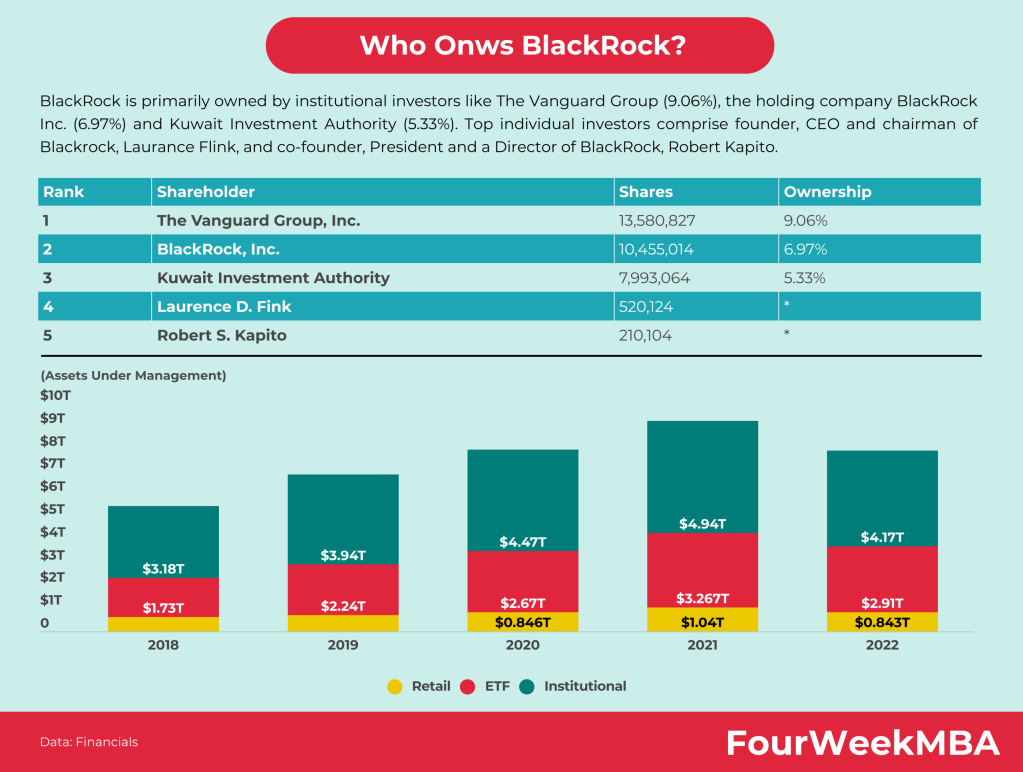
When people ask for a list of Vanguard’s “major shareholders,” they often expect to hear names like BlackRock, Fidelity, or a handful of powerful institutional investors or billionaires. However, such a list does not exist for The Vanguard Group, Inc. because it does not issue stock to the public or private entities. There are no external equity owners in the way one would find for a company like Apple or Google. This distinction is critical: Vanguard is not a for-profit company in the traditional sense, seeking to maximize profits for its own external shareholders. Instead, its “profits” (or rather, operational efficiencies) are returned to its fund shareholders through lower costs. This eliminates the potential for a conflict of interest where corporate profit motives might override investor benefit.
The Difference Between Fund Ownership and Corporate Ownership
It’s also important to differentiate between owning shares in a Vanguard fund and owning shares of The Vanguard Group itself. You can buy shares in a Vanguard mutual fund or ETF on the open market, and by doing so, you become a part-owner of that fund. That fund, in turn, is a part-owner of The Vanguard Group, Inc. However, you cannot directly purchase stock in The Vanguard Group, Inc. itself. There is no ticker symbol for “Vanguard Group stock” because it’s not a publicly traded company that issues stock to external investors. This structural design ensures that the ultimate allegiance of the company remains with its fund investors, cementing its position as a truly investor-centric institution.
Vanguard’s Legacy and Future in the Investment Landscape
The unique ownership model of Vanguard is intrinsically linked to its visionary founder and continues to shape its trajectory in the ever-evolving financial markets.
John Bogle’s Vision and Enduring Influence
The mutual structure was the brainchild of John C. Bogle, who founded Vanguard in 1975. Bogle was a staunch advocate for the individual investor, believing that excessive fees were the greatest impediment to long-term wealth creation. His vision was to create a company that would operate solely in the best interests of its clients, eliminating the inherent conflicts of interest he saw in the traditional asset management industry. By structuring Vanguard as a mutual company owned by its funds, Bogle ensured that the incentive structure would always favor low costs and investor returns over corporate profits. His philosophy, often encapsulated by the “stay the course” mantra and the promotion of passive indexing, continues to be the guiding principle for Vanguard, making his legacy felt across the entire investment industry.

Sustaining the Client-Centric Model
In an increasingly competitive financial landscape, Vanguard continues to thrive by adhering to its foundational principles. Its mutual ownership allows it to continually innovate and adapt while staying true to its core mission. As technology advances and investment options proliferate, Vanguard can invest in new platforms, improve client services, and expand its product offerings (like actively managed funds, advice services, and international ETFs) without the pressure to justify these investments solely on short-term profit potential for external shareholders. The focus remains on how these developments will enhance the long-term value and experience for its ultimate owners: the individual investors in its funds. This sustained client-centric model ensures that Vanguard remains a formidable force, constantly pushing for greater transparency, lower costs, and better outcomes for investors globally.
In conclusion, asking “who are the major shareholders of Vanguard Group?” leads to an understanding of one of the most significant innovations in the financial industry. There are no external “major shareholders” in the conventional sense. Instead, Vanguard is mutually owned by its funds, which are, in turn, owned by the millions of investors who trust Vanguard with their financial futures. This unique structure is not just a corporate design; it’s a profound commitment to putting investors first, translating directly into lower costs, aligned interests, and a steadfast dedication to long-term investment success. It’s a testament to John Bogle’s enduring vision and a model that continues to empower individual investors around the world.
aViewFromTheCave is a participant in the Amazon Services LLC Associates Program, an affiliate advertising program designed to provide a means for sites to earn advertising fees by advertising and linking to Amazon.com. Amazon, the Amazon logo, AmazonSupply, and the AmazonSupply logo are trademarks of Amazon.com, Inc. or its affiliates. As an Amazon Associate we earn affiliate commissions from qualifying purchases.