
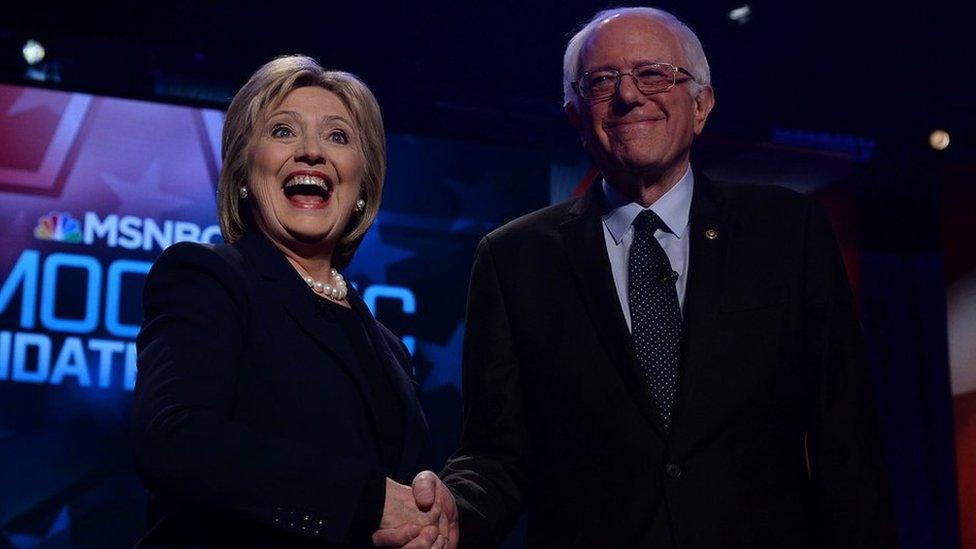
In the contemporary political landscape, the term “progressive” has evolved from a simple ideological label into a powerful and distinct brand identity. To understand who progressive politicians are from a branding and marketing perspective is to understand the shift from traditional, top-down institutional messaging to a grassroots-driven, high-authenticity model. These individuals are not merely public servants; they are master brand strategists who have redefined how political figures communicate, engage, and mobilize in the digital age. They operate as “challenger brands” within a saturated marketplace, leveraging specific visual languages, emotional narratives, and community-centric strategies to differentiate themselves from the political establishment.
The Architecture of the Progressive Brand Identity
The hallmark of a progressive politician is a brand identity rooted in disruption and moral clarity. Unlike traditional political brands that often seek the “median voter” through calculated ambiguity, progressive brands are built on the premise of ideological purity and bold, uncompromising stances. This is a deliberate strategic choice designed to foster deep brand loyalty rather than broad, shallow appeal.
Values as the Core Product
In brand strategy, the “product” is what the consumer buys into. For progressive politicians, the product is a specific set of values—economic justice, climate action, and systemic reform—presented as an urgent necessity. They position these values not as policy proposals, but as moral imperatives. This creates a high-affinity brand where supporters don’t just vote for the politician; they identify with the movement. This “identity-based branding” ensures that the politician becomes a symbol for the aspirations of their base. By centering their brand on specific, high-stakes issues, they create a “Unique Selling Proposition” (USP) that contrasts sharply with the incrementalist approach of their competitors.
Visual Aesthetics and Digital-First Design
The visual branding of progressive politicians has undergone a radical transformation. Gone are the days of the standard serif fonts and the predictable red, white, and blue palettes. Modern progressives utilize bold, sans-serif typography (reminiscent of mid-century protest posters) and vibrant, non-traditional colors like teal, purple, and bright yellow.
This design language is intentionally “digital-first.” It is optimized for social media feeds, where high-contrast visuals and legible text are required to capture attention in seconds. The branding often leans into “poster art” aesthetics, making the politician’s materials feel less like campaign literature and more like cultural artifacts. This aesthetic shift signals a departure from the “corporate” look of traditional politics, signaling to the audience that these politicians are outsiders ready to shake up the system.
Marketing the Movement: From Grassroots to Viral Success
A brand is only as strong as its reach and the community it builds. Progressive politicians have mastered the art of community-centric marketing, moving away from expensive television ad buys toward high-engagement organic content and peer-to-peer mobilization.
Leveraging Social Media as a Primary Channel
Progressive politicians are often early adopters of emerging platforms and communication styles. They utilize tools like Instagram Live, TikTok, and Twitch to provide “behind-the-scenes” access, effectively humanizing the brand. This transparency is a core marketing tactic; it breaks the “fourth wall” of politics. When a politician explains a complex bill while cooking dinner on a livestream, they are practicing “radical transparency,” a branding technique that builds immense trust.
This strategy transforms the politician from a distant figurehead into an accessible influencer. By bypassing traditional media gatekeepers, they control their own narrative and speak directly to their “customers” (voters). This direct-to-consumer (DTC) approach in politics allows for a more agile response to news cycles and a more personal connection with the audience.
Community-Centric Branding and Crowdsourcing
The “progressive” brand is inherently participatory. Marketing strategies for these politicians often involve crowdsourced content, volunteer-led initiatives, and small-dollar fundraising models. The rejection of corporate PAC money is not just a policy stance; it is a brilliant branding move. It allows the politician to market themselves as “unbought and unbossed,” creating a narrative of independence that is highly attractive to a skeptical public.
This community-led model turns supporters into brand ambassadors. When a campaign is funded by millions of small donations, every donor feels a sense of ownership over the brand’s success. This creates a powerful feedback loop: the community feels heard, the brand gains resources, and the movement grows through organic word-of-mouth marketing.
Case Studies in Political Branding: Icons of the Progressive Era
To truly understand who these politicians are, one must look at the specific brands that have paved the way. These individuals have created “blueprints” for how to build and maintain a disruptive political brand in a hostile environment.

The AOC Blueprint: Masterclass in Personal Branding
Alexandria Ocasio-Cortez (AOC) represents perhaps the most successful personal brand in modern politics. Her brand is built on a narrative of the “working-class outsider.” From her viral launch video—which utilized cinematic storytelling and high-quality production—to her consistent use of social media to educate her followers on the mechanics of government, AOC has built a brand that is both aspirational and relatable.
Her brand strategy involves a mix of high-fashion editorial appearances (positioning her as a cultural icon) and raw, unedited social media interactions (positioning her as a “person of the people”). This “dual-track” branding allows her to maintain a massive national profile while staying rooted in her local constituency. She understands that in the attention economy, being a “content creator” is just as important as being a legislator.
Bernie Sanders and the Consistency Factor
Bernie Sanders offers a different lesson in branding: the power of consistency. While his visual brand (the messy hair, the plain suits) might seem accidental, it is a highly effective signal of “authenticity.” In a world of polished, focus-grouped politicians, Sanders’ refusal to change his message or his look for decades became his greatest brand asset.
His brand is synonymous with “The Movement.” By focusing on a few key “product lines”—such as “Medicare for All”—he created a brand that is easily recognizable and impossible to mistake for anything else. The “Bernie” brand proves that longevity and a refusal to “pivot” can create a level of brand equity that is nearly impossible for newer entrants to replicate.
Strategic Positioning: Differentiation in a Crowded Political Marketplace
In the world of brand strategy, positioning is everything. Progressive politicians position themselves as the “anti-establishment” option, even when they are part of the government itself. This requires a delicate balance of “insider knowledge” and “outsider energy.”
Challenging the Establishment Status Quo
The “enemy” in the progressive brand narrative is rarely just the opposing party; it is often the “establishment” or “corporate interests” within their own sphere. This positioning allows them to occupy a unique space in the market. They are not just offering a different set of policies; they are offering a different way of doing politics.
By positioning themselves against “business as usual,” they tap into a widespread desire for systemic change. This is classic “disruptor” branding. Just as Netflix disrupted the video rental market by identifying the pain points of the consumer, progressive politicians identify the pain points of the electorate—stagnant wages, healthcare costs, climate anxiety—and position themselves as the only “brand” willing to address the root causes.
The Ethics of Authenticity in Brand Strategy
Authenticity is the “holy grail” of modern branding, but it is also the most difficult to maintain. For progressive politicians, the brand’s success hinges on the perception that the politician actually believes what they are saying. If a progressive brand is perceived as being “managed” or “scripted,” it loses its primary competitive advantage.
This leads to a brand strategy centered on “radical vulnerability.” Progressive politicians often share their personal struggles, their mistakes, and their learning processes. This openness creates a human connection that traditional branding avoids. In the niche of political branding, this vulnerability is a sign of strength, signaling to the audience that the brand is “real” and therefore trustworthy.
The Future of the Progressive Brand: Scaling and Sustainability
As the progressive brand moves from the fringes to the mainstream, it faces the classic “founder’s dilemma” of any growing organization: how do you scale without losing the soul of the brand?
Managing Brand Dilution
When a brand becomes successful, others will inevitably try to mimic it. We are already seeing “establishment” politicians adopt the language and aesthetics of progressives. This “brand dilution” can confuse the consumer and weaken the original brand’s impact. To combat this, progressive politicians must constantly innovate and move the goalposts. They must stay ahead of the curve by identifying the next set of challenges and articulating them before they become mainstream.

The Shift from Individual to Collective Identity
The next phase of progressive branding is likely a shift from “star” individuals to “brand collectives.” We see this in “The Squad,” where a group of politicians shares a common brand identity, amplifying each other’s voices and providing a “house of brands” model. This collective branding makes the movement more resilient; it is no longer dependent on a single individual’s success or failure.
By building a “brand ecosystem,” progressives can ensure that their message survives and thrives across different regions and demographics. This institutionalization of the brand—while maintaining its disruptive edge—is the ultimate challenge for the next generation of progressive leaders. They must prove that they can be both the “challenger” and the “leader,” a difficult but necessary evolution for any brand seeking long-term market dominance.
aViewFromTheCave is a participant in the Amazon Services LLC Associates Program, an affiliate advertising program designed to provide a means for sites to earn advertising fees by advertising and linking to Amazon.com. Amazon, the Amazon logo, AmazonSupply, and the AmazonSupply logo are trademarks of Amazon.com, Inc. or its affiliates. As an Amazon Associate we earn affiliate commissions from qualifying purchases.