
American Express gift cards represent a unique facet of personal finance, offering a convenient and widely appreciated gifting solution. However, unlike their ubiquitous credit card counterparts, the acceptance of American Express gift cards can sometimes be a source of confusion for recipients. This article delves into the financial intricacies of these cards, demystifying where and how they can be used, offering insights for both consumers and businesses navigating the payment landscape. Understanding the ecosystem surrounding these financial instruments is key to maximizing their utility and avoiding common spending frustrations.
Understanding the American Express Gift Card Ecosystem
At its core, an American Express gift card is a prepaid financial instrument, distinct from a traditional credit card or debit card. It functions similarly to cash, but within the secure framework of the American Express payment network. This distinction is crucial for understanding its acceptance patterns and practical application in various spending scenarios.
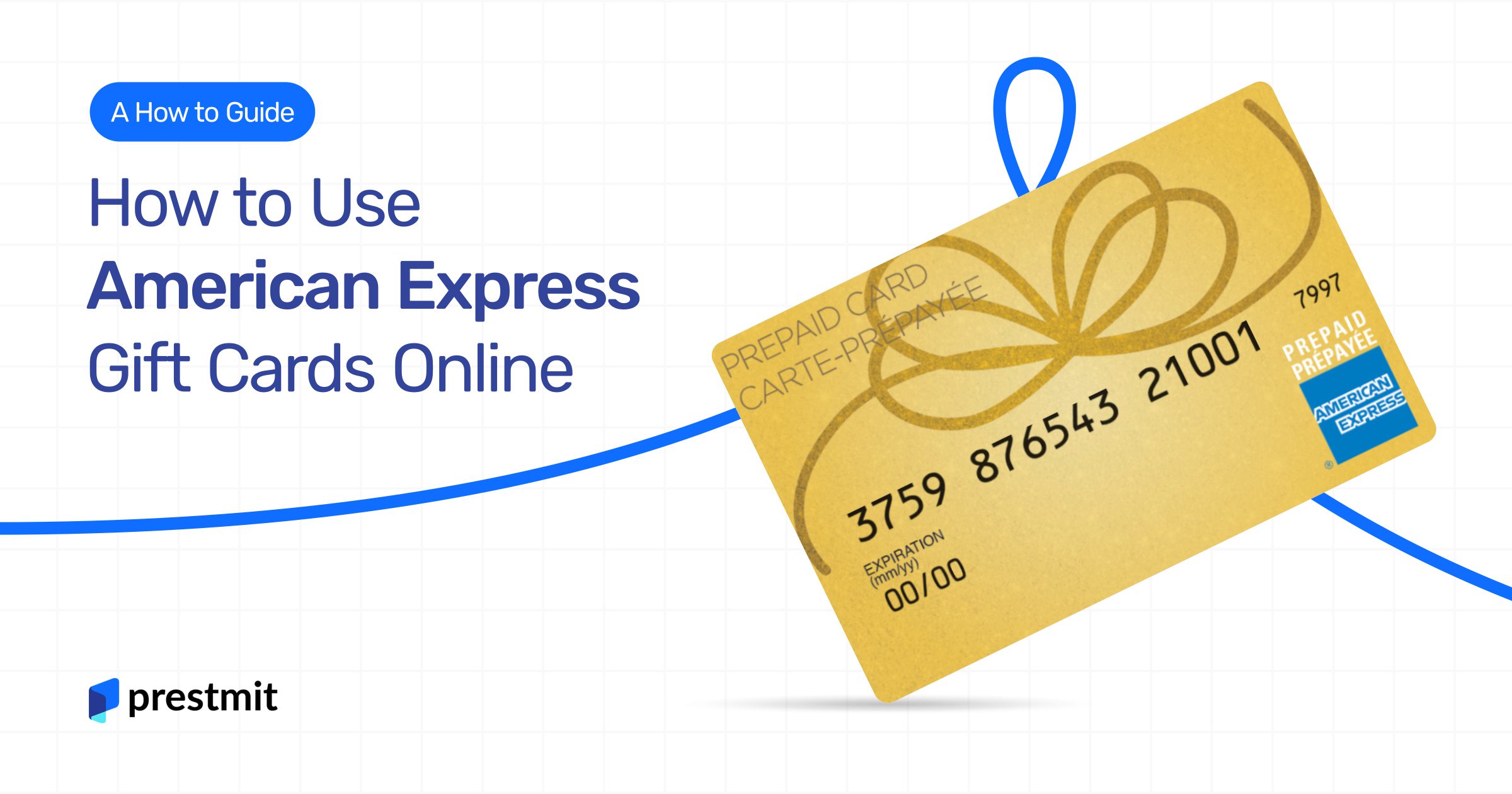
The Nature of Amex Gift Cards: A Financial Tool
American Express gift cards are essentially closed-loop or open-loop prepaid cards, depending on the specific product. Most commonly, they are open-loop, meaning they are designed to be accepted wherever American Express cards are generally accepted. They carry a fixed monetary value, determined at the time of purchase, and this value decreases with each transaction until the balance reaches zero. They are not linked to a bank account, nor do they extend credit. This makes them a simplified financial tool for managing specific expenditures or providing a contained spending budget. For the consumer, they offer a secure alternative to cash for gifts, while for businesses, they represent a potential revenue stream by tapping into a specific segment of the payment market.
Key Distinctions: Gift Cards vs. Credit Cards
While both bear the American Express logo, the operational differences between an Amex gift card and an Amex credit card are significant from a financial perspective. A credit card offers a revolving line of credit, is tied to the cardholder’s credit history, and typically involves interest rates and annual fees. A gift card, by contrast, is a one-time load of funds, with no credit line, no interest, and no impact on the recipient’s credit score.
From a merchant’s standpoint, processing an Amex credit card involves credit authorization and potentially higher interchange fees due to the associated credit risk and rewards programs. A gift card transaction is a simpler debit transaction against a pre-loaded balance, often with different (and sometimes lower) processing costs than a credit card, but still subject to the general American Express network fees. Understanding this distinction helps both consumers predict acceptance and businesses evaluate the financial implications of accepting them. The lack of a direct link to a personal bank account or credit line also means gift cards typically do not require a PIN for most purchase transactions, although online security protocols or specific terminal configurations might sometimes prompt for one.
How Amex Gift Cards Function
When you use an American Express gift card, the merchant’s point-of-sale (POS) system processes it as a standard American Express transaction. The system attempts to authorize the purchase amount against the card’s available balance. If the balance is sufficient, the transaction goes through, and the funds are deducted. If the balance is insufficient, the transaction will be declined, or the merchant might offer the option to pay the remaining balance with another method. This direct correlation between available balance and spending capacity is the fundamental operational principle, making balance tracking a critical element of managing these cards effectively. Furthermore, since they are prepaid, there are typically no overdraft fees or other penalties associated with exceeding the card’s balance; rather, the transaction simply won’t complete.
Navigating Merchant Acceptance: Where You Can Spend
The fundamental question “who accepts American Express gift cards?” is often met with the qualified answer: “most places that accept American Express.” However, the nuances of merchant processing systems, online payment gateways, and specific business policies mean that acceptance isn’t always as straightforward as it seems.
Online vs. In-Store Acceptance
Generally, American Express gift cards enjoy broad acceptance both online and in physical stores, provided the merchant specifically accepts American Express.
-
In-Store: When shopping in brick-and-mortar locations, the process is usually seamless. You swipe or insert the card, and the transaction is processed like any other Amex card. Major retail chains, supermarkets, department stores, restaurants, and many smaller businesses that display the American Express decal will typically accept them. The crucial factor is that the merchant must have an active processing agreement with American Express.
-
Online: Using an Amex gift card online often requires careful entry of the card details (card number, expiration date, and CVV). A common point of friction online is the billing address. Since gift cards are not tied to a specific individual or billing address, some online merchants’ payment systems might struggle to process them if they require an exact address match for verification. To mitigate this, American Express often allows cardholders to register a ZIP code to their gift card online, which can significantly improve online acceptance rates. This is a vital step for any recipient planning to use their card for e-commerce.
Major Retailers and Chains
Most large national and international retailers readily accept American Express gift cards. This includes:
-
Department Stores: Macy’s, Nordstrom, Kohl’s, JCPenney, etc.
-
Supermarkets: Kroger, Safeway, Whole Foods, Publix, etc.
-
Big Box Stores: Walmart, Target, Best Buy, Home Depot, Lowe’s, etc.
-
Online Retailers: Amazon (with the caveat of splitting payments if the balance is insufficient), eBay, and numerous other e-commerce sites.
-
Restaurants: Most major restaurant chains and many independent eateries.
The critical variable remains the merchant’s decision to accept American Express as a payment network. While Amex has expanded its merchant network considerably over the years, some smaller businesses or those with very tight margins might opt not to accept Amex due to perceived higher processing fees compared to Visa or Mastercard, although these differences have largely narrowed.
Understanding Merchant Processing Fees and Impact on Acceptance
From a financial standpoint, merchant acceptance is often driven by processing fees, known as interchange fees and other network fees. Historically, American Express was perceived to have higher processing fees for merchants compared to Visa and Mastercard. While Amex has worked diligently to become more competitive, this perception can still influence smaller businesses’ decisions to accept it.
When a merchant accepts an American Express card (including gift cards), they pay a small percentage of the transaction amount, plus a per-transaction fee, to their payment processor and American Express. These fees cover the cost of processing the transaction, fraud prevention, and network maintenance. Businesses weigh these costs against the potential increase in sales from accepting a wider range of payment methods. For consumers, this translates to the reality that while most major players are on board, some niche or very small businesses might not accept Amex, and by extension, Amex gift cards, to manage their operational expenses.
The Role of Payment Networks (American Express Network)
The American Express network is a global payment processing system that facilitates transactions between cardholders, merchants, and financial institutions. When a merchant accepts “American Express,” it means they have an agreement with this network. This network’s infrastructure is what enables the gift card to function. Unlike Visa and Mastercard, which are primarily payment networks that license their brands to various banks for card issuance, American Express often acts as both the network and the issuer. This integrated model provides a high degree of control over their card products, including gift cards, and ensures consistent functionality across their accepting merchant base. The strength and reach of the Amex network are directly proportional to the utility of its gift cards.
Common Challenges and Troubleshooting for Amex Gift Card Users
Despite their convenience, users of American Express gift cards can sometimes encounter hurdles. Knowing how to troubleshoot these issues can save time and prevent frustration, ensuring the financial value of the card is fully realized.
Denials and What They Mean
A transaction denial with an Amex gift card can stem from several issues:

-
Insufficient Funds: This is the most common reason. The purchase amount exceeds the card’s remaining balance. Always check the balance before a significant purchase.
-
Online Billing Address Mismatch: For online purchases, if you haven’t registered a ZIP code with your card, or if the merchant’s system requires an exact billing address match, the transaction may be declined.
-
Merchant Does Not Accept American Express: As discussed, not all merchants accept Amex, regardless of it being a gift card or credit card.
-
Temporary Holds: In rare cases, especially with gas stations or hotels, a temporary hold for a larger amount than the actual purchase might be placed, which could exceed the gift card balance even if the final transaction would not. Using the card inside for a specific amount can mitigate this at gas pumps.
-
Card Not Activated/Expired: Ensure the card has been properly activated (if required) and has not passed its expiration date. While the funds generally don’t expire, the physical card itself does.
The “Split Payment” Strategy
When a purchase exceeds the gift card’s balance, the “split payment” strategy is often the solution. Many merchants allow you to use your American Express gift card for part of the purchase and pay the remainder with another method (cash, debit, or another credit card).
-
In-Store: Inform the cashier before they start ringing up the total that you want to split the payment. Tell them the exact amount on your gift card you wish to use. They will process the gift card for that amount, and then you can pay the rest separately.
-
Online: Online systems vary. Some e-commerce sites have a built-in “split payment” option during checkout. Others might require you to purchase an e-gift card from their site using your Amex gift card first, and then use the store’s e-gift card for your purchase. If no split payment option is available, you may need to make multiple, smaller purchases that fit the card’s balance.
Checking Your Card Balance
Regularly checking your card balance is paramount to successful usage. American Express provides multiple avenues for this:
-
Online: Visit the American Express gift card website (usually printed on the back of the card) and enter your card number.
-
Phone: Call the customer service number listed on the back of your card.
-
QR Code/App: Some cards may feature a QR code that links to the balance check page or integrate with specific mobile apps.
Keeping track of your balance helps prevent declined transactions and ensures you utilize the full value of the card.
Activating Your Card and PIN Requirements
Most American Express gift cards do not require activation; they are ready to use upon purchase. However, some specific programs or cards may require a quick online or phone activation, especially if they were purchased in bulk or through a corporate program. Always check the packaging or accompanying instructions.
Regarding PINs, the vast majority of Amex gift card transactions, particularly those processed as credit, do not require a Personal Identification Number (PIN). If a merchant’s terminal prompts for a PIN, you can usually select “credit” or bypass the PIN entry. However, some specific transactions (e.g., ATM withdrawals, though most Amex gift cards cannot be used at ATMs) or certain point-of-sale systems might exceptionally require one. If you encounter a consistent PIN request, consult the card’s terms and conditions or contact customer service.
Maximizing the Value of Your Amex Gift Card
Ensuring you extract every dollar of value from your American Express gift card requires a strategic approach, particularly when dealing with small remaining balances.
Strategic Spending Tips
-
Know Your Balance: As emphasized, this is key. Make a list of items you want to buy that are close to or less than your card’s balance.
-
Combine with Other Payments: If you have a larger purchase, plan to use the gift card for a specific amount and cover the rest with another payment method.
-
Consider Smaller, Everyday Purchases: For odd balances, use the card for smaller transactions like coffee, a snack, or part of a grocery bill.
-
Shop Where You Know It’s Accepted: Stick to well-known retailers and online platforms that reliably accept American Express.
Avoiding Common Pitfalls
-
Don’t Let it Expire (Physical Card): While the funds on Amex gift cards typically do not expire, the plastic card itself has an expiration date. If the card expires with a balance, you can usually request a replacement card with the remaining funds.
-
Don’t Treat it Like a Debit Card for Cash: American Express gift cards cannot be used for cash back at point-of-sale terminals or ATM withdrawals. They are designed for purchases only.
-
Be Wary of Recurring Subscriptions: Avoid using gift cards for subscriptions or recurring payments, as the card’s balance will eventually deplete, leading to declined payments and potential service interruptions.
-
Safeguard Your Card: Treat your gift card like cash. If lost or stolen, report it immediately to American Express. While some protection might be offered, it’s generally less robust than with a credit card.
What to Do with Remaining Small Balances
Dealing with tiny leftover balances can be frustrating. Here are some financial strategies:
-
Consolidate: If you have multiple Amex gift cards with small balances, some retailers might allow you to consolidate them onto a single store gift card, though this is not universally available.
-
Exact Amount Purchases: Use the card for a purchase that matches the exact remaining balance, even if it’s a small item.
-
Online Retailer Top-Up: Some online accounts (e.g., Amazon, Starbucks, or specific merchant apps) allow you to “top up” your internal balance or store credit using an Amex gift card. This can be an excellent way to consolidate small balances into a usable credit on a platform you frequent.
-
Charitable Donation: Some charities accept online donations, which can be a meaningful way to exhaust a small balance.
For Businesses: Deciding to Accept American Express Gift Cards
For merchants, the decision to accept American Express gift cards (and American Express cards in general) is a financial one, weighing benefits against costs. It’s an integral part of broader payment strategy and customer experience.
Benefits for Merchants
-
Broader Customer Base: Accepting Amex means not turning away customers who prefer or exclusively use Amex products, including gift card holders. This expands the potential market reach.
-
Increased Sales Opportunities: Gift cards often drive incremental sales. Recipients are coming in with pre-paid funds, making them motivated buyers. They may also spend more than the gift card’s value, using it as an anchor for a larger purchase.
-
Enhanced Customer Satisfaction: Offering flexibility in payment options improves the overall customer experience, leading to greater loyalty and repeat business.
-
Association with a Premium Brand: American Express is often associated with a customer base that has higher discretionary spending. Accepting Amex can subtly align a business with this demographic.
Cost Considerations and Processing
The primary financial consideration for businesses revolves around processing fees. While Amex has worked to make its rates more competitive, merchants still need to evaluate their specific processing agreement. Factors include:
-
Interchange Rates: These are the base fees charged by American Express.
-
Assessment Fees: Network fees for using the Amex infrastructure.
-
Processor Markup: Fees charged by the merchant’s payment processor for their services.
Businesses should engage with their payment processor to get a clear breakdown of American Express processing costs. It’s important to analyze these costs against the potential increase in transaction volume and customer satisfaction. Often, the incremental revenue gained from accepting Amex (including gift cards) outweighs the processing costs, especially for businesses with healthy margins.

Enhancing Customer Experience and Sales
Ultimately, accepting American Express gift cards is about more than just processing a transaction; it’s about optimizing the customer journey and driving sales. Businesses that clearly display American Express signage, train their staff on split payment procedures, and can easily troubleshoot common gift card issues will provide a superior experience. This proactive approach ensures that the “Who accepts American Express gift cards?” question is met with a confident “We do!” leading to satisfied customers and a positive impact on the bottom line. It positions the business as customer-centric and flexible, key attributes in today’s competitive retail and service landscape.
aViewFromTheCave is a participant in the Amazon Services LLC Associates Program, an affiliate advertising program designed to provide a means for sites to earn advertising fees by advertising and linking to Amazon.com. Amazon, the Amazon logo, AmazonSupply, and the AmazonSupply logo are trademarks of Amazon.com, Inc. or its affiliates. As an Amazon Associate we earn affiliate commissions from qualifying purchases.