
In the intricate world of personal finance, few expenditures are as universally necessary yet as frequently misunderstood as vehicle insurance. It’s a mandatory cost for most drivers, a financial safety net designed to protect you from the potentially devastating costs associated with accidents, theft, and other unforeseen events. Yet, the question of “which vehicle insurance is best” isn’t a simple one with a single answer. It’s a nuanced inquiry that delves into individual circumstances, risk tolerance, financial capacity, and a meticulous understanding of policy components.
This comprehensive guide aims to demystify vehicle insurance, empowering you to make informed decisions that not only comply with legal requirements but also provide optimal financial protection without overpaying. We’ll explore the core principles, dissect the factors influencing your premiums, outline strategies for securing the best value, and consider the evolving landscape of automotive protection.
Understanding the Fundamentals of Vehicle Insurance
Before you can determine which insurance is “best,” you must first grasp what vehicle insurance is designed to do and the various forms it takes. It’s more than just a piece of paper; it’s a legally binding contract that transfers financial risk from you to an insurance provider.
The Core Purpose of Car Insurance
At its heart, vehicle insurance serves as a financial buffer. Driving, by its nature, involves inherent risks. Accidents can lead to extensive property damage, significant medical bills, and even legal liabilities. Without insurance, a single incident could wipe out your savings, force you into debt, or compromise your financial future. Insurance mitigates this risk by promising to cover these costs up to specified limits, in exchange for regular premium payments. It’s a fundamental pillar of personal financial planning for anyone who owns or operates a vehicle.
Key Types of Coverage: Beyond the Basics
While many drivers are familiar with the concept of “full coverage,” this term is often a simplification of several distinct policy components. Understanding each type is crucial for building a policy that truly fits your needs.
- Liability Coverage (Bodily Injury & Property Damage): This is the bedrock of any policy and is mandatory in almost every state. It covers damages you cause to other people (bodily injury) or their property (property damage) if you are at fault in an accident. It does not cover your own injuries or vehicle damage. Higher liability limits offer greater financial protection, safeguarding your assets from potential lawsuits if damages exceed basic state minimums.
- Collision Coverage: This pays for damages to your own vehicle resulting from a collision with another car or object, regardless of who is at fault. It’s particularly important for newer or more valuable vehicles where repair or replacement costs could be substantial.
- Comprehensive Coverage: Often paired with collision, comprehensive coverage protects your vehicle from non-collision events. This includes theft, vandalism, fire, natural disasters (like hail or floods), and even striking an animal. It’s essential for protecting your investment from a wide array of unpredictable circumstances.
- Uninsured/Underinsured Motorist (UM/UIM) Coverage: Despite mandatory insurance laws, many drivers operate without adequate coverage. UM/UIM protects you if you’re involved in an accident with an at-fault driver who either has no insurance (uninsured) or insufficient insurance (underinsured) to cover your damages. This can be a lifesaver for your personal finances.
- Personal Injury Protection (PIP) / Medical Payments (MedPay): These cover medical expenses for you and your passengers after an accident, regardless of fault. PIP, common in “no-fault” states, often extends to lost wages and other related costs, while MedPay typically covers only medical bills. This coverage can complement your health insurance and prevent out-of-pocket medical costs from an accident.
Mandatory vs. Optional Coverages: What Your State Requires
Every state mandates certain minimum levels of liability insurance, and some require UM/UIM, PIP, or MedPay. It is crucial to know your state’s minimum requirements and to understand that these minimums are often woefully inadequate for true financial protection. Opting for state minimums might save you a few dollars on premiums, but it leaves you vulnerable to significant out-of-pocket expenses if an accident results in high costs. A “best” policy usually involves exceeding these minimums, especially for liability, to protect your personal assets.
Factors Influencing Your Insurance Premium
The cost of vehicle insurance is not arbitrary; it’s a meticulously calculated risk assessment by the insurer. Numerous variables contribute to your premium, making it a highly personalized figure. Understanding these factors can help you identify areas where you might reduce costs or justify higher premiums for greater protection.
Driver-Specific Variables: Age, Driving Record, Location
Your personal profile is a primary determinant. Younger, inexperienced drivers typically face higher premiums due to statistical evidence of increased risk. A clean driving record, free of accidents and moving violations, is your most powerful tool for securing lower rates. Conversely, tickets or at-fault accidents can significantly inflate your premiums for several years. Your geographic location also plays a role; urban areas with higher traffic density, crime rates, or severe weather patterns often command higher premiums than rural areas.
Vehicle-Specific Variables: Make, Model, Age, Safety Features
The car you drive profoundly impacts your rates. Insurers assess vehicles based on their statistical likelihood of theft, cost of repairs, and safety ratings.
- Make and Model: Luxury vehicles, sports cars, and certain high-theft models typically cost more to insure.
- Age of Vehicle: Older cars might have lower comprehensive and collision rates (due to lower replacement value), but their lack of advanced safety features could offset some savings.
- Safety Features: Vehicles equipped with modern safety features like anti-lock brakes, airbags, adaptive cruise control, lane departure warnings, and anti-theft devices can often qualify for discounts, as they reduce the likelihood or severity of accidents.
Policy-Specific Variables: Deductibles, Coverage Limits, Discounts
Your choices within the policy itself offer significant leverage over your premium.
- Deductibles: This is the amount you agree to pay out-of-pocket before your insurance kicks in for collision and comprehensive claims. A higher deductible generally leads to lower premiums, but means more out of your pocket if you file a claim.
- Coverage Limits: The maximum amount your insurer will pay for a covered loss. Higher limits mean higher premiums but superior financial protection.
- Discounts: Insurance companies offer a multitude of discounts (discussed in detail below) that can significantly reduce your overall cost.
Credit Score and Its Role
In many states, your credit-based insurance score (which is related to, but not identical to, your regular credit score) can be a significant factor in determining premiums. Insurers use these scores as a predictor of future claims likelihood, with higher scores often correlating to lower perceived risk and thus lower premiums. Maintaining good credit hygiene can therefore indirectly contribute to more affordable vehicle insurance. It’s a key financial habit that pays dividends across various aspects of your personal finance.
Strategies for Finding the Best Vehicle Insurance
Finding the “best” vehicle insurance isn’t about finding the cheapest policy; it’s about finding the optimal balance between comprehensive protection and affordable premiums, tailored to your unique financial situation and risk profile.
The Importance of Comparison Shopping
This is perhaps the single most effective strategy for saving money on vehicle insurance. Insurance premiums can vary wildly between providers for the exact same coverage. Obtain quotes from multiple companies – not just the big names, but also smaller, regional carriers. Use online comparison tools, consult independent insurance agents who work with several companies, and even contact individual insurers directly. Make sure you are comparing identical coverage limits, deductibles, and endorsement options for an accurate side-by-side analysis.
Understanding Quotes: More Than Just the Price Tag
When comparing quotes, look beyond the bottom-line premium. Scrutinize the details:
- Coverage Levels: Are the liability limits sufficient? Are collision and comprehensive included if you need them?
- Deductibles: What are your out-of-pocket costs for claims?
- Endorsements/Riders: Are there any additional coverages (e.g., roadside assistance, rental car reimbursement, gap insurance) that add value?
- Exclusions: What specifically is not covered by the policy?
- Provider Reputation: How does the insurer handle claims? What is their financial stability? (More on this below.)
Leveraging Discounts: A Comprehensive Guide
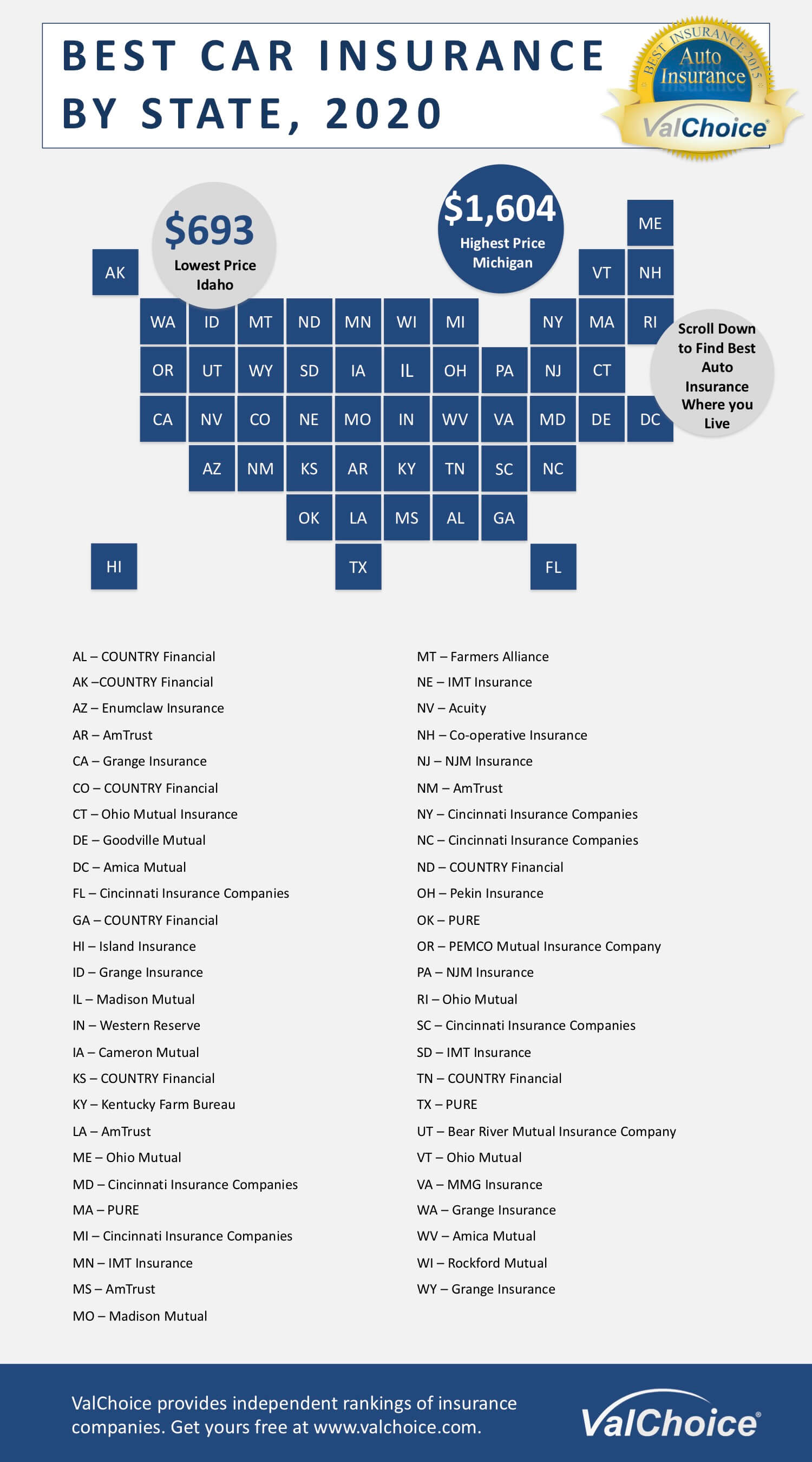
Discounts are your best friend in the quest for lower premiums. Don’t assume they’re automatically applied; always ask your agent or review your policy online. Common discounts include:
- Multi-Policy/Bundling: Combining your auto insurance with home, renters, or life insurance from the same provider can yield substantial savings. This is a common and highly effective financial strategy.
- Good Driver/Accident-Free: Rewarded for maintaining a clean driving record over several years.
- Good Student: Discounts for young drivers who maintain good academic grades.
- Vehicle Safety Features: Anti-lock brakes, airbags, anti-theft systems, and advanced driver-assistance systems (ADAS) can qualify for reductions.
- Low Mileage: If you drive less than a certain number of miles annually, you might qualify for a discount.
- Defensive Driving Course: Completing an approved defensive driving course can often lead to a discount, especially for older drivers or those with minor infractions.
- Payment Discounts: Paying your premium in full, setting up auto-pay, or opting for paperless billing can often save you money.
- Student Away at School: If a dependent driver is away at college without a car, you might get a discount.
Choosing the Right Deductible: Balancing Cost and Risk
Your deductible choice is a direct financial trade-off. A higher deductible means a lower premium, but you’ll pay more out-of-pocket if you make a claim. Conversely, a lower deductible means higher premiums but less initial outlay during a claim. The “best” deductible depends on your emergency fund and risk tolerance. If you have a robust emergency fund (e.g., 3-6 months of living expenses) and can comfortably afford a $1,000 or $2,500 deductible, opting for a higher deductible can lead to significant long-term premium savings. However, if your cash reserves are limited, a lower deductible might be a more prudent choice to avoid financial strain after an accident.
Reviewing Your Policy Annually: Adapting to Life Changes
Life is dynamic, and your insurance needs evolve with it. Don’t “set it and forget it.”
- Annual Review: Before your policy renews, review your coverage with your agent.
- Major Life Events: Marriage, moving, adding a teen driver, changing jobs (impacting commute), or paying off your car loan (allowing you to drop collision/comprehensive if desired) should all trigger a policy review.
- Vehicle Changes: Buying a new car or selling an old one necessitates immediate policy adjustments. An annual review ensures your coverage remains optimal and you’re not missing out on new discounts.
Evaluating Insurance Providers: Beyond the Policy Details
The “best” insurance isn’t just about the policy itself; it’s also about the company behind it. A stellar policy is only as good as the insurer’s ability and willingness to uphold their end of the bargain.
Financial Stability and Reputation
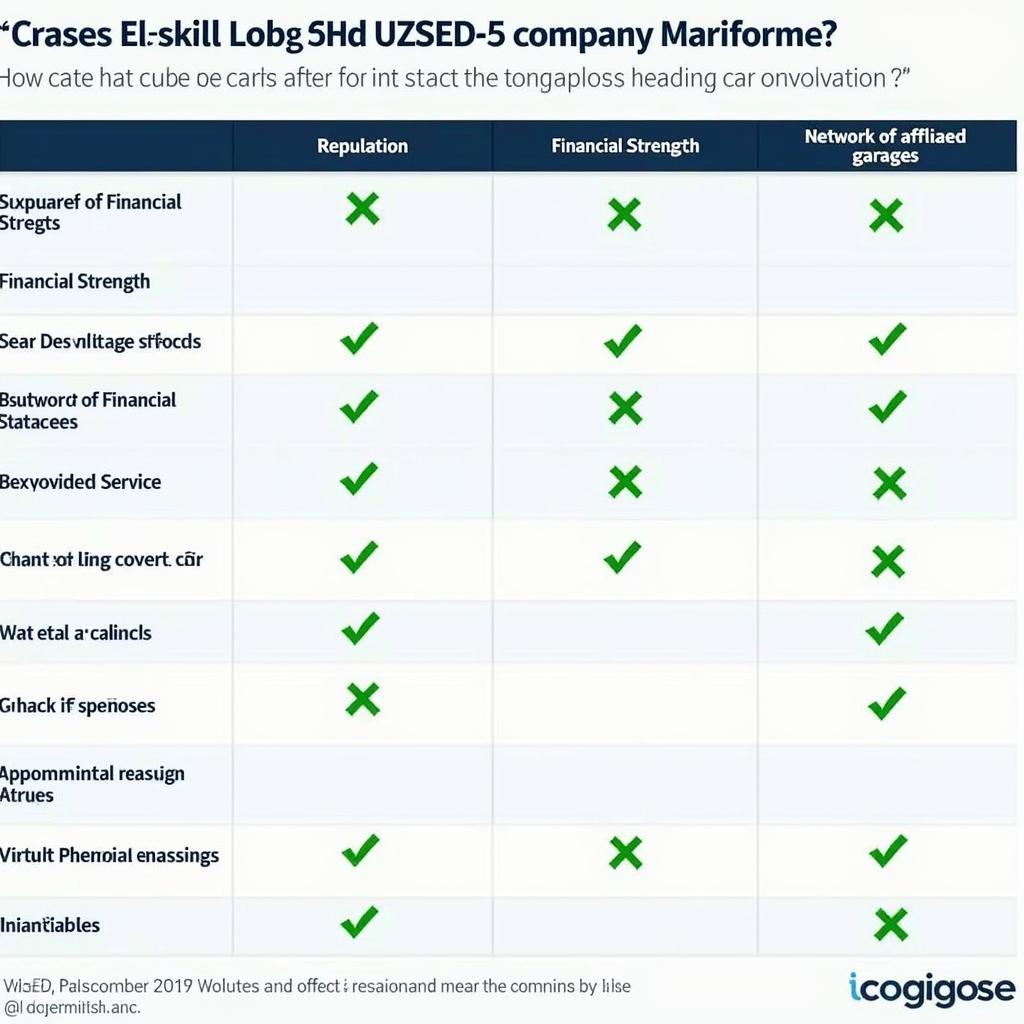
You want an insurer that will be there when you need them most. Look for companies with strong financial ratings from independent agencies like A.M. Best. These ratings indicate the company’s financial strength and ability to meet its policyholder obligations. Additionally, consult consumer review sites, the Better Business Bureau, and industry reports (e.g., J.D. Power surveys on customer satisfaction) to gauge their reputation for reliability and fairness. A financially stable company with a good reputation is a key indicator of a reliable financial partner.
Customer Service and Claims Process Efficiency
An insurance policy is a promise, and the claims process is where that promise is tested. How easy is it to file a claim? How quickly and fairly are claims processed? Do they have readily available customer service representatives via phone, chat, or email? An efficient and empathetic claims process can significantly reduce stress during an already difficult time. Researching customer service reviews and claims handling experiences is as important as comparing premium prices.
Digital Tools and Accessibility
In today’s digital age, convenient access to your policy information and account management is a major plus. Look for insurers that offer:
- Intuitive Mobile Apps: For managing policies, paying bills, filing claims, and accessing digital ID cards.
- Robust Online Portals: For viewing documents, updating information, and requesting changes.
- 24/7 Support Options: Even if it’s just an online FAQ or chatbot for basic queries.
While these are technological features, their value lies in the financial convenience and control they offer to the policyholder, making it easier to manage a critical financial product.
Understanding Policy Language and Exclusions
Before finalizing any policy, meticulously read the fine print. Understand what is covered, but more importantly, understand what is not covered (exclusions). Are there specific scenarios where your claim might be denied? For instance, what are the limits on custom parts? Is there coverage for ride-sharing if you plan to drive for Uber or Lyft? Clear comprehension prevents costly surprises down the road and ensures your financial protection aligns with your expectations.
The Evolving Landscape of Vehicle Insurance
The world of automotive technology is changing rapidly, and vehicle insurance is adapting alongside it. Staying abreast of these developments can offer new opportunities for saving money and enhancing your financial protection.
Telematics and Usage-Based Insurance (UBI)
Telematics involves devices or apps that monitor your driving behavior (speed, braking, mileage, time of day driven). Usage-Based Insurance (UBI) programs, often called “pay-as-you-drive” or “drive-safe” programs, use this data to offer personalized premiums. Good drivers who opt into these programs can often earn significant discounts, as their premiums are based on their actual risk rather than broad statistical averages. This represents a direct financial incentive for safe driving habits.
The Impact of Autonomous Vehicles and EVs
As electric vehicles (EVs) and vehicles with advanced driver-assistance systems (ADAS) become more common, insurance models are evolving. EVs can be more expensive to repair due to specialized components and battery packs, potentially affecting premiums. Conversely, ADAS features that prevent accidents could lead to future premium reductions. The “best” insurance will increasingly be one that understands and accurately prices for these new technologies.
Cybersecurity Considerations in a Digital Age
As more insurance operations move online and telematics data is collected, the cybersecurity of your personal and financial data becomes paramount. When choosing an insurer, consider their commitment to data security and privacy protocols. Your vehicle insurance policy contains sensitive financial and personal information, and ensuring its protection against breaches is an indirect but vital aspect of your financial security.
Conclusion: Tailoring the “Best” to Your Needs
Ultimately, there is no single “best” vehicle insurance that applies to everyone. The optimal policy is a highly individualized financial product, meticulously tailored to your specific vehicle, driving habits, financial circumstances, and risk tolerance. It’s a blend of comprehensive coverage, an affordable premium, excellent customer service, and a financially stable provider.
By diligently understanding the fundamentals of coverage, actively comparing quotes, strategically leveraging discounts, and regularly reviewing your policy, you can navigate the complexities of vehicle insurance with confidence. The goal is not merely to satisfy a legal requirement but to establish a robust financial safeguard that protects your assets and provides peace of mind on the open road. Investing time in this crucial financial decision will pay dividends in security and savings for years to come.
aViewFromTheCave is a participant in the Amazon Services LLC Associates Program, an affiliate advertising program designed to provide a means for sites to earn advertising fees by advertising and linking to Amazon.com. Amazon, the Amazon logo, AmazonSupply, and the AmazonSupply logo are trademarks of Amazon.com, Inc. or its affiliates. As an Amazon Associate we earn affiliate commissions from qualifying purchases.