
The Progressive Movement, which flourished in the United States between the 1890s and the end of World War I, represented a pivotal shift in the economic and social fabric of the nation. It was a period characterized by intense reform efforts aimed at addressing the systemic failures brought about by rapid industrialization, urbanization, and political corruption. From a modern financial perspective, the movement was the architect of the regulatory frameworks that today govern labor markets, corporate competition, and fiscal transparency.
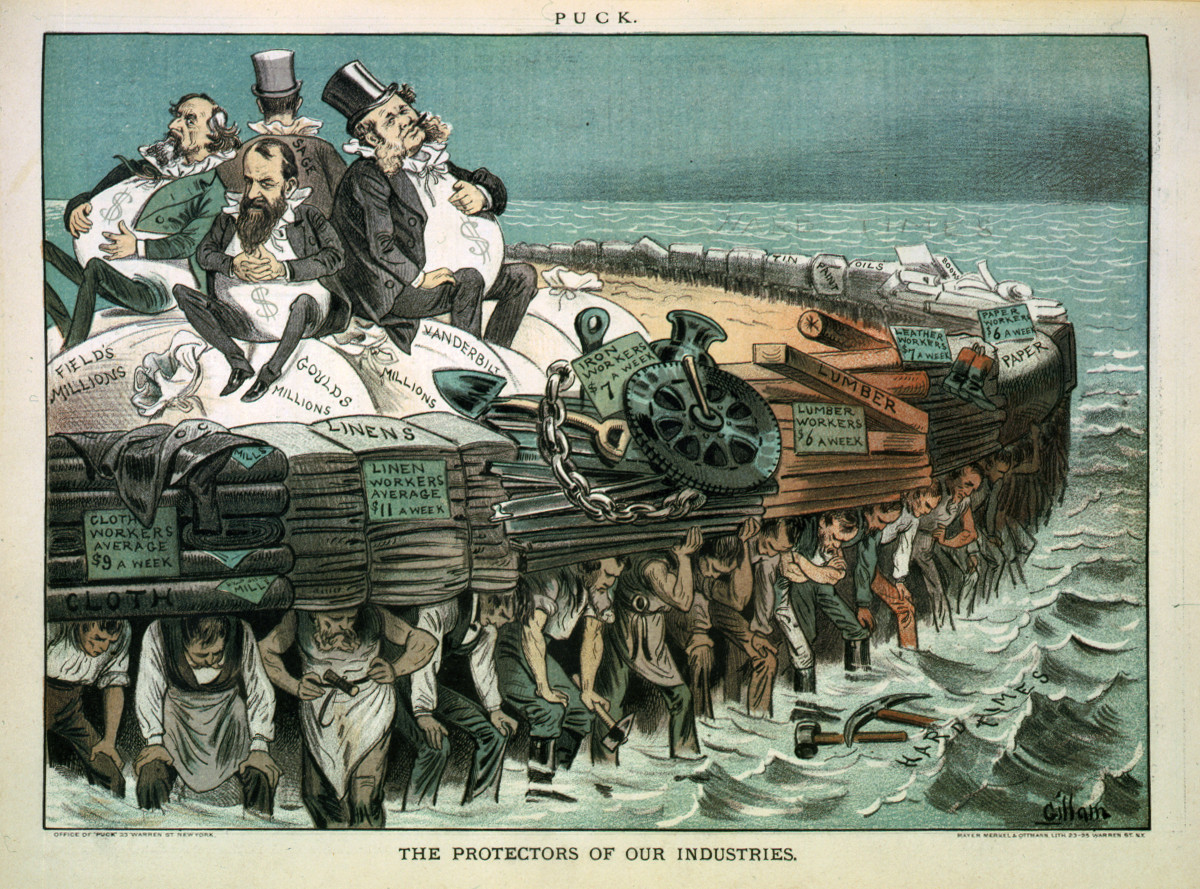
At its core, the Progressive Movement was a response to the “Gilded Age,” a time of immense wealth disparity and unchecked corporate power. To understand the modern landscape of business finance and personal economic security, one must examine the three primary conditions the movement sought to improve: labor conditions and human capital protection, the regulation of corporate monopolies, and the stabilization of the national financial system.

1. Labor Conditions and the Transformation of Human Capital
Perhaps the most visible and immediate focus of the Progressive Movement was the reformation of labor conditions. In the late 19th century, the American workforce operated in a landscape largely devoid of safety regulations, minimum wage standards, or age restrictions. From a business finance perspective, labor was viewed as a variable cost to be minimized at all costs, rather than as human capital to be preserved.
The Shift Toward Workplace Safety and Liability
Before the Progressive Era, the financial burden of workplace injuries fell almost entirely on the employee. The legal doctrine of “assumption of risk” meant that by accepting a job, a worker was legally deemed to have accepted its inherent dangers. The Progressive Movement challenged this by advocating for workers’ compensation laws. By shifting the financial liability of workplace accidents onto the employer, the movement forced a fundamental change in corporate accounting. Safety became a cost-saving measure rather than an unnecessary expense. This era saw the introduction of the first comprehensive safety codes, which stabilized the workforce and reduced the long-term financial volatility associated with high employee turnover and litigation.
The Eradication of Child Labor and the Investment in Education
From an economic standpoint, the movement’s push to end child labor was an essential step in modernizing the American economy. Progressives argued that the short-term financial gains realized by businesses employing children were offset by the long-term economic degradation of the nation’s human capital. By moving children out of factories and into schools, the movement laid the groundwork for a more skilled, literate, and productive workforce. This transition was a critical precursor to the high-value, knowledge-based economy that defines modern business.
The Standardization of the Workday
The advocacy for the eight-hour workday was not merely a social goal; it was a structural economic reform. Progressives understood that over-exhausted workers were less productive and more prone to accidents, which increased operational costs for businesses. By standardizing work hours, the movement helped create a predictable labor market. This predictability allowed for more accurate financial forecasting and budgeting within industrial enterprises, while also providing workers with the leisure time necessary to fuel the burgeoning consumer economy.
2. Corporate Monopolies and the Restoration of Market Competition
The second condition the Progressive Movement worked to improve was the lack of competition caused by the rise of “trusts” and monopolies. In the decades leading up to the 20th century, a handful of powerful corporations—most notably in the oil, steel, and railroad industries—had successfully stifled competition through predatory pricing and horizontal integration. This concentration of power was detrimental to the broader economy, as it limited opportunities for small business finance and innovation.
The Philosophy of Trust-Busting
Progressives, most famously led by Theodore Roosevelt and later Woodrow Wilson, believed that for a capitalist system to remain healthy, it required a “level playing field.” The Sherman Antitrust Act of 1890, though passed earlier, was finally given teeth during the Progressive Era. The objective was to dismantle monopolies that engaged in unfair business practices. This intervention was designed to restore price discovery and competition, two essential elements of a functional market economy. By breaking up entities like Standard Oil, the movement ensured that capital could flow to a wider variety of businesses, fostering an environment where new entrants could compete and thrive.

Consumer Protection and Market Integrity
Another facet of corporate reform was the focus on consumer protection. Before the Meat Inspection Act and the Pure Food and Drug Act of 1906, consumers often purchased goods that were hazardous or misrepresented. This lack of transparency created “information asymmetry,” where sellers held all the power, leading to market inefficiencies. The Progressive Movement’s insistence on federal oversight and labeling requirements increased consumer confidence. From a financial perspective, this bolstered market stability by ensuring that transaction value was based on accurate information, thereby reducing the risks associated with consumer spending.
The Regulation of Public Utilities and Infrastructure
The movement also targeted the railroad industry, which at the time was the backbone of American commerce. Through the Hepburn Act of 1906, the Interstate Commerce Commission was empowered to set maximum shipping rates. This was a massive win for small-scale entrepreneurs and farmers, whose business finance was often crippled by discriminatory pricing. By regulating the costs of essential infrastructure, the Progressives ensured that the benefits of industrialization were distributed more equitably across different sectors of the economy.
3. Financial Transparency and the Stabilization of the National Economy
The third major condition the movement addressed was the volatility and corruption inherent in the American financial and political systems. Before the Progressive reforms, the United States suffered from frequent banking panics and lacked a centralized mechanism for managing the money supply. Furthermore, the reliance on tariffs and excise taxes created a regressive fiscal system that placed a disproportionate burden on the lower and middle classes.
The Creation of the Federal Reserve System
The Panic of 1907 highlighted the desperate need for a more sophisticated financial architecture. In 18th- and 19th-century America, the absence of a central bank meant that the economy was vulnerable to sudden contractions in liquidity. The Progressive response was the Federal Reserve Act of 1913. This legislation created the Federal Reserve System, providing a “lender of last resort” and a mechanism to regulate the national money supply. For the modern investor and business owner, the Federal Reserve is the most significant legacy of the Progressive Era, as it provides the stability necessary for long-term financial planning and capital investment.
Fiscal Reform and the Sixteenth Amendment
Prior to 1913, the federal government funded its operations primarily through tariffs. This made the nation’s revenue highly dependent on international trade and placed a heavy financial burden on consumers through higher prices for goods. The Progressive Movement championed the Sixteenth Amendment, which authorized a federal income tax. While the concept of taxation is often debated today, its original intent was to create a more stable and progressive revenue stream for the government. This shift allowed the U.S. to fund essential public services and infrastructure without relying on volatile trade barriers, thereby facilitating a more open and predictable environment for international business and personal wealth accumulation.
Political Reform as a Tool for Economic Equity
The Progressives recognized that economic reform was impossible without political reform. They targeted the “spoils system” and political machines that traded government contracts for kickbacks. By introducing the secret ballot, direct primaries, and the direct election of senators (via the Seventeenth Amendment), the movement sought to reduce the influence of special interests on economic policy. This transparency in governance is a prerequisite for a healthy investment climate, as it ensures that laws and regulations are made in the public interest rather than for the financial gain of a select few.
The Lasting Legacy on Modern Business and Finance
The conditions improved by the Progressive Movement—labor standards, market competition, and financial stability—form the bedrock of the modern economic system. Today’s discussions around ESG (Environmental, Social, and Governance) criteria, antitrust actions against big tech, and the intricacies of monetary policy are all direct descendants of the Progressive Era’s philosophy.
For the modern professional or investor, understanding these historical shifts is essential. The movement proved that economic growth and social welfare are not mutually exclusive but are, in fact, deeply interdependent. By improving the conditions of the working class, curbing the excesses of corporate power, and stabilizing the national financial infrastructure, the Progressive Movement created a resilient framework that allowed the American economy to become the most powerful in the world.
As we navigate the complexities of the 21st-century economy, the lessons of the Progressive Movement remain relevant. They remind us that the pursuit of profit must be balanced with market integrity and that the long-term health of a financial system depends on its ability to evolve in response to the needs of its participants. Whether it is through the regulation of new digital assets or the refinement of labor laws in the gig economy, the spirit of the Progressive Movement continues to influence how we manage, invest, and grow our collective wealth.
aViewFromTheCave is a participant in the Amazon Services LLC Associates Program, an affiliate advertising program designed to provide a means for sites to earn advertising fees by advertising and linking to Amazon.com. Amazon, the Amazon logo, AmazonSupply, and the AmazonSupply logo are trademarks of Amazon.com, Inc. or its affiliates. As an Amazon Associate we earn affiliate commissions from qualifying purchases.