
Navigating the intricacies of personal finance often requires a precise understanding of your financial instruments. Among the most fundamental is your checking account, the bedrock of daily financial transactions for millions. Yet, a common point of confusion arises when identifying the specific numbers associated with this account. Pinpointing “the checking account number” isn’t always straightforward because there are several distinct numbers on your checks and bank statements, each serving a unique purpose. Understanding the difference between your routing number, account number, and check number is not merely an academic exercise; it is crucial for ensuring the smooth flow of your finances, preventing errors, and safeguarding your assets. This guide demystifies these critical identifiers, empowering you with the knowledge to manage your money with confidence and accuracy.
The Essential Identifiers of Your Checking Account
Your checking account is more than just a place to hold money; it’s a dynamic financial tool facilitating everything from receiving your paycheck to paying your monthly bills. To operate effectively within the vast financial ecosystem, each account, and indeed each financial institution, must have unique identifiers. These numbers act like addresses and personal IDs within the banking system, ensuring that funds are accurately directed and transactions are correctly attributed.
Understanding Your Checking Account: A Foundation
At its core, a checking account is a demand deposit account held at a financial institution that allows for easy and frequent access to funds through various methods, including checks, debit cards, and electronic transfers. It’s designed for day-to-day transactions, offering liquidity and convenience. While it facilitates numerous financial activities, its proper functioning relies heavily on the correct identification and use of its associated numbers.
The Routing Number: Your Bank’s Digital Address
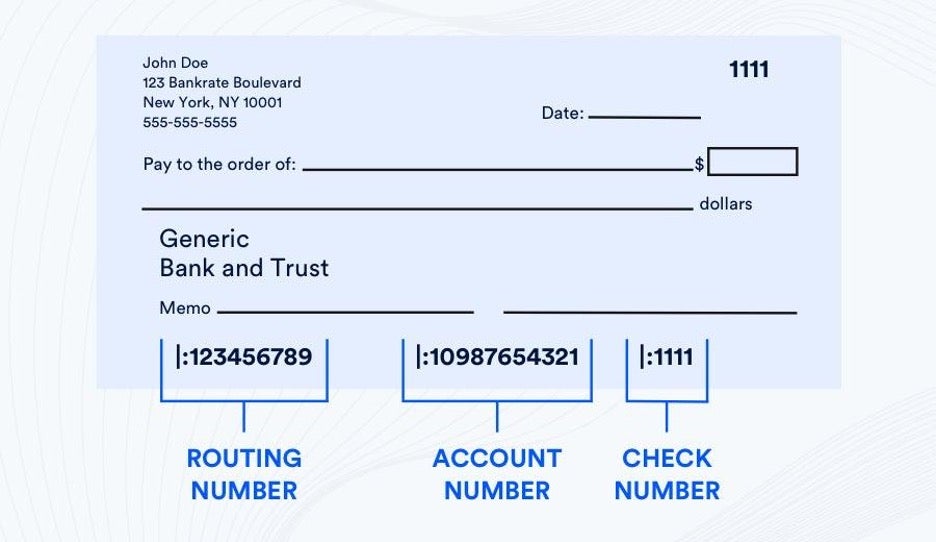
The routing number, also known as the ABA Routing Transit Number (ABA RTN), is a nine-digit code that identifies the specific financial institution holding your account. Think of it as your bank’s digital address within the United States financial system. When you initiate a transaction that involves moving money between different banks—such as direct deposits, wire transfers, or automatic bill payments—the routing number ensures that the funds are directed to the correct bank. This number is assigned by the American Bankers Association (ABA) and is unique to each bank or credit union, and sometimes even specific branches or types of transactions within a single institution. It is usually printed on the bottom left side of your physical checks.
The Account Number: Your Personal Identifier
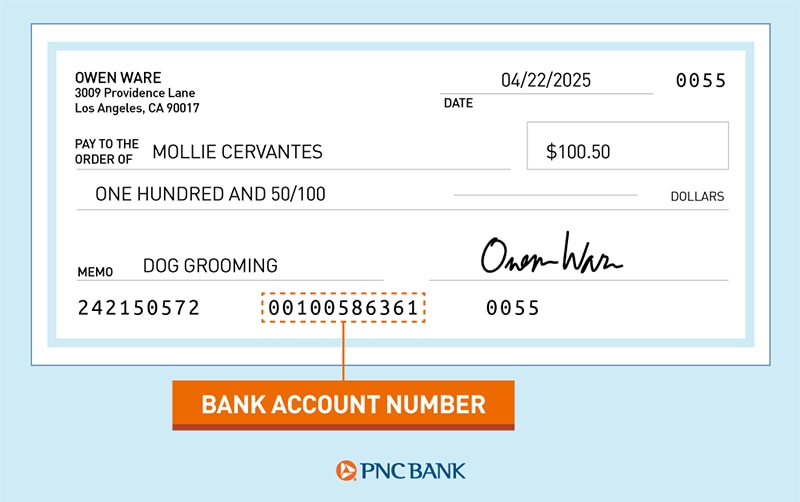
Distinct from the routing number, your checking account number is a unique string of digits that specifically identifies your individual account within your bank. While the routing number directs funds to the correct financial institution, the account number specifies which account at that institution should receive or send the money. These numbers typically range from 10 to 12 digits, though the exact length can vary by bank. This is the primary identifier for your funds, distinguishing your account from every other account held by customers at the same bank. It’s what tells the bank where to deposit your paycheck or from where to withdraw your bill payment. Without it, your funds would simply arrive at the bank without a specific destination.
The Check Number: For Internal Tracking
While often found alongside the routing and account numbers on a physical check, the check number serves a much different, internal purpose. This number is usually a sequential series, typically 3 to 4 digits long, printed on the top right corner and also on the MICR (Magnetic Ink Character Recognition) line at the bottom right of each individual check. Its sole function is to help you (and your bank) track and reconcile the specific checks you write. It’s not used to identify your account for electronic transfers or direct deposits. Confusing the check number with your account number is a common error that can lead to significant processing issues.
Navigating Your Financial Documents to Find the Numbers
Knowing what these numbers are is one thing; locating them quickly and accurately is another. Fortunately, financial institutions provide several reliable avenues for you to find your routing and account numbers, whether you prefer traditional paper documents or modern digital platforms.
On a Physical Check
The most traditional and often easiest place to find your routing and account numbers is on a physical check. Look at the bottom edge of your check. You will typically see a series of numbers printed in magnetic ink. From left to right, these usually appear in the following order:
- Routing Number: The first set of nine digits.
- Account Number: The second set of digits, usually longer than the routing number.
- Check Number: The third, shorter set of digits, which matches the number in the top right corner of the check.
This standardized format, known as the MICR line, is designed for efficient automated processing by banks.
Through Online Banking Platforms
In today’s digital age, online banking is a primary tool for managing finances. Your routing and account numbers are readily accessible once you log into your bank’s secure online portal or mobile app.
- Account Details: Look for a section labeled “Account Details,” “Account Summary,” “View Account,” or similar within your checking account overview.
- Statements: Digital copies of your monthly bank statements, often found under a “Statements” or “Documents” tab, will also display your routing and account numbers, typically near your name and address at the top.
- Direct Deposit Information: Many banks offer a specific link or section for “Direct Deposit Information” or “Set Up Direct Deposit” which explicitly provides these numbers in a format suitable for employers or payment services.
Always ensure you are logged into your bank’s official website or app to access this sensitive information securely.
On Your Bank Statement
Whether you receive paper statements in the mail or access digital statements online, your bank statement is another reliable source for these numbers. Your full checking account number and the bank’s routing number are almost always printed prominently on your statement. They are usually located at the top of the statement, often close to your name, address, and the statement period details. Reviewing your bank statements regularly is also a crucial practice for monitoring transactions and detecting any unauthorized activity.
Contacting Your Bank Directly
If you are unable to locate your routing and account numbers through the methods above, or if you simply prefer a direct interaction, contacting your bank’s customer service or visiting a local branch is always an option.
- Customer Service Hotline: Call the customer service number listed on your bank’s official website, the back of your debit card, or your bank statement. Be prepared to answer security questions to verify your identity before they can provide your account details.
- Branch Visit: A teller at your local bank branch can provide you with your account and routing numbers. Remember to bring a valid form of identification, such as a driver’s license or passport, for verification purposes.
Why Precision Matters: The Impact of Correct Number Usage
The seemingly simple act of correctly identifying and using your checking account number and routing number carries significant weight in your financial life. Accuracy is not just about convenience; it directly impacts the successful execution of critical financial transactions, safeguarding your funds, and avoiding unnecessary complications. Errors in these numbers can lead to a cascade of problems, ranging from minor delays to substantial financial headaches.
Direct Deposits and Payroll
One of the most common applications of these numbers is for direct deposits, particularly for payroll. Your employer requires your bank’s routing number and your specific checking account number to electronically transfer your salary directly into your account. An incorrect routing number could send your paycheck to the wrong bank, while a mistaken account number could deposit your earnings into someone else’s account at your own bank, or cause the transaction to fail entirely. Such errors can result in significant delays in receiving your pay, leading to missed bill payments or other financial stress. It is paramount to double-check these details when setting up or updating direct deposit information.
Automatic Bill Payments and Transfers
Many individuals rely on automatic bill payments for utilities, loan installments, insurance premiums, and subscriptions. These recurring payments are typically set up using your checking account and routing numbers. If these details are entered incorrectly, automatic payments will fail. Consequences can include late fees, service interruptions (e.g., utility shut-offs), damage to your credit score, and the inconvenience of manually resolving the issues. Similarly, when transferring funds between your own accounts at different institutions or to accounts of others, precision in these numbers ensures the money reaches the intended destination without delay or error.
Wire Transfers and ACH Transactions
For larger or more time-sensitive fund movements, such as purchasing a home, international transfers, or significant business transactions, wire transfers or Automated Clearing House (ACH) transactions are often utilized. Both rely heavily on the accurate provision of routing and account numbers. While ACH transactions are common for direct deposits and bill payments, wire transfers are faster and more immediate, often irreversible once initiated. An error in a wire transfer’s account or routing number can result in funds being sent to an unintended recipient, and retrieving them can be an arduous, if not impossible, process. The finality of wire transfers underscores the critical need for absolute accuracy.
Setting Up Payment Apps and Services
In the digital era, various financial technology (FinTech) apps and services, like Venmo, PayPal, Zelle, and investment platforms, often require linking to your primary checking account. To do this, you will need to provide your routing and account numbers to securely connect your bank account. Entering incorrect information here can prevent you from using these services, cause transactions to fail, or in some rare cases, link to the wrong account, leading to potentially unauthorized access or misdirected funds. Always verify the platform’s security measures and ensure you are entering the correct details.
Safeguarding Your Financial Identifiers
Given the critical role your routing and account numbers play in managing your finances, protecting them from unauthorized access is paramount. These identifiers, while necessary for legitimate transactions, are also sensitive pieces of information that, if misused, can expose you to significant financial risks. Understanding how to safeguard them is a fundamental aspect of modern personal finance security.
The Risks of Exposure
When your checking account number and routing number fall into the wrong hands, you become vulnerable to various forms of financial fraud. Unauthorized individuals could potentially initiate fraudulent electronic withdrawals from your account (ACH fraud), create fake checks (check fraud), or even attempt identity theft by combining this information with other personal data. While banks have robust fraud detection systems, prevention through diligent safeguarding is always the first and best line of defense. The easier these numbers are for criminals to access, the higher your risk of becoming a victim.
Best Practices for Protection
Adopting proactive security habits can significantly reduce the risk associated with your checking account details.
- Shred Sensitive Documents: Never simply discard old checks, bank statements, or other financial documents that contain your account information. Use a cross-cut shredder to destroy them thoroughly before disposal.
- Strong Online Security: Utilize strong, unique passwords for your online banking accounts and enable two-factor authentication (2FA) whenever possible. This adds an extra layer of security, making it much harder for unauthorized users to access your accounts even if they obtain your login credentials.
- Beware of Phishing: Be highly suspicious of unsolicited emails, text messages, or phone calls requesting your banking information. Legitimate financial institutions will rarely ask for your full account number or password via insecure communication channels. Always verify the sender’s identity before providing any details.
- Monitor Your Accounts Regularly: Consistently review your bank statements and online transaction history for any unfamiliar or suspicious activity. Promptly report any discrepancies to your bank. Early detection is key to mitigating potential damage.
- Secure Networks: Avoid accessing your online banking or performing sensitive transactions on unsecured public Wi-Fi networks. These networks are often vulnerable to eavesdropping, allowing criminals to intercept your data. Use a secure, private network or a Virtual Private Network (VPN) when conducting financial activities online.
- Limit Sharing: Only share your routing and account numbers when absolutely necessary and with trusted entities (e.g., your employer for direct deposit, a legitimate biller for automatic payments). Do not write them down where they can be easily found or share them verbally in insecure environments.
When and How to Share Securely
While caution is advised, sharing your routing and account numbers is a necessary part of participating in the financial system. The key is to do so securely and judiciously. When setting up direct deposit with your employer, use the official forms provided by your HR department and ensure they are submitted through secure channels. For automatic bill payments, use the secure portals provided by the service provider (e.g., utility company’s website) rather than emailing details. If you need to provide these numbers over the phone, ensure you initiated the call to a verified customer service number. Always verify the legitimacy of the entity requesting the information and the security of the method they require for submission.
Avoiding Common Missteps with Account Numbers
Despite their prevalence in daily financial life, checking account numbers and routing numbers are still sources of frequent errors. Even small mistakes can lead to significant disruptions, from delayed payments to misdirected funds. Being aware of these common pitfalls and understanding how to avoid them is crucial for maintaining seamless financial operations. Diligence and double-checking are your best allies in this regard.
Confusing Routing and Account Numbers
Perhaps the most common error is interchanging the routing number with the account number. Because they appear together on checks and statements, it’s easy to mix them up, especially if you’re not familiar with their distinct roles. For instance, providing your routing number where your account number is required for a direct deposit will almost certainly result in the deposit being rejected, as the bank will not know which specific account to credit. Conversely, providing your account number in place of the routing number would attempt to send funds to the wrong institution, leading to similar rejection or, worse, sending funds to a completely unrelated bank that coincidentally shares a portion of digits with your account number. Always remember: routing number identifies the bank, account number identifies your specific account at that bank.
Relying on Outdated Information
Financial institutions can undergo mergers, acquisitions, or system upgrades that sometimes lead to changes in routing numbers. While less common for personal account numbers, it does happen. If you have old checks or direct deposit forms from a previous bank or before a merger, the routing number printed on them might no longer be valid. Always ensure you are using the most current routing number for your bank, which can be found on your latest bank statements or directly through your online banking portal. Relying on outdated information can cause transactions to fail, especially for recurring payments that were set up long ago.
Typos and Data Entry Errors
Even when you know which number is which, a simple typo during manual data entry can derail a transaction. A single misplaced or incorrect digit in either your routing or account number can lead to funds being sent to the wrong account or cause the transaction to be rejected. When setting up new direct deposits, bill payments, or transfers, always take the time to double-check every digit. Many online forms offer a “confirm account number” field for this very reason, requiring you to enter the number twice to catch discrepancies. This small act of vigilance can save you a great deal of trouble later on.

The Impact of Bank Mergers and Acquisitions
When banks merge or one institution acquires another, there can be significant changes for account holders. Often, the acquiring bank will consolidate routing numbers, meaning your old bank’s routing number might become obsolete. While account numbers typically remain the same for existing customers, it’s not unheard of for them to change as well. It is critical to stay informed during such events. Banks usually communicate these changes extensively, but it’s your responsibility to update your information with employers, utility companies, and any other entities making or receiving payments from your account. Failure to do so can result in payment disruptions and the associated fees or inconveniences.
By understanding the distinct roles of your routing and account numbers, knowing where to find them, exercising precision in their use, and maintaining vigilance in their protection, you empower yourself to navigate the financial landscape with greater security and efficiency. These seemingly small details are fundamental pillars of modern money management, crucial for preventing errors and ensuring your financial transactions proceed smoothly.
aViewFromTheCave is a participant in the Amazon Services LLC Associates Program, an affiliate advertising program designed to provide a means for sites to earn advertising fees by advertising and linking to Amazon.com. Amazon, the Amazon logo, AmazonSupply, and the AmazonSupply logo are trademarks of Amazon.com, Inc. or its affiliates. As an Amazon Associate we earn affiliate commissions from qualifying purchases.