
In the intricate world of personal finance, understanding the various numerical identifiers associated with your bank accounts is paramount. Among these, the checking account number holds a particularly significant position, serving as a unique digital fingerprint for your primary transactional hub. For many, its exact location and distinct purpose can be a source of confusion, often conflated with routing numbers, check numbers, or even debit card numbers. Yet, knowing precisely which digits constitute your checking account number, where to find it, and how to use it responsibly is fundamental for managing everything from direct deposits to automated bill payments. This article delves into the specifics of the checking account number, distinguishing it from other critical financial identifiers, guiding you through its discovery, and emphasizing the security protocols essential for its protection in an increasingly digital financial landscape.
Decoding the Anatomy of Your Checking Account
To confidently navigate your financial dealings, it’s crucial to understand the foundational numbers that define your checking account. These aren’t just arbitrary digits; they are carefully structured identifiers that facilitate the secure and accurate movement of your money.
The Checking Account Number: Your Unique Financial Identifier
At its core, your checking account number is a unique sequence of digits assigned by your bank to your specific checking account. Think of it as your account’s personal ID number, differentiating it from every other account held by that institution, and indeed, every other account in the banking system. Typically ranging from 8 to 12 digits, its length and exact format can vary slightly from one financial institution to another. This number is the key identifier for transactions that directly involve your account, such as setting up direct deposit for your paycheck, initiating an ACH (Automated Clearing House) transfer, or receiving funds from another party. Without it, direct transactions to or from your account would be impossible. It’s the ultimate destination tag for funds being sent to you or the source tag for funds you are sending out.
The Crucial Role of the Routing Number
Often found alongside your checking account number, the routing number (also known as an ABA routing number or RTN) serves a distinct yet equally vital function. This is a nine-digit code that identifies your specific financial institution within the U.S. banking system. Unlike your checking account number, which identifies your account, the routing number identifies your bank. When you initiate a transaction, the routing number directs the funds to the correct bank, and then your checking account number guides them to your specific account within that bank. For example, if you’re setting up a direct deposit, the routing number ensures your employer’s bank knows which bank to send the money to, while your checking account number tells your bank which of its customer accounts should receive the deposit. It’s the equivalent of a street address for your bank, with the checking account number being your apartment number within that building. Most banks have only a few routing numbers, with some larger institutions having several to delineate different branches or transaction types.
Understanding the Check Number and Other Identifiers
Beyond the primary account and routing numbers, other numerical identifiers play supporting roles. The check number is a consecutive sequence found on individual checks, typically located in the top right corner and also on the MICR (Magnetic Ink Character Recognition) line at the bottom. This number uniquely identifies each physical check you write, allowing for easy tracking and reconciliation. It’s a control number for the check itself, not for the account as a whole. You also have a debit card number, a 16-digit code primarily used for point-of-sale purchases and online transactions. While linked to your checking account, it’s distinct from your checking account number and offers a different layer of transactional security and functionality, often protected by a PIN or CVV. Understanding these distinctions is crucial to avoid mistakenly providing the wrong number for a given financial task.
Pinpointing Your Checking Account Number: Practical Methods
Once you understand what your checking account number is, the next logical step is knowing where to find it. Fortunately, banks provide several accessible avenues for locating this crucial identifier, both in physical and digital formats.
On Your Physical Checks: The MICR Line Revealed
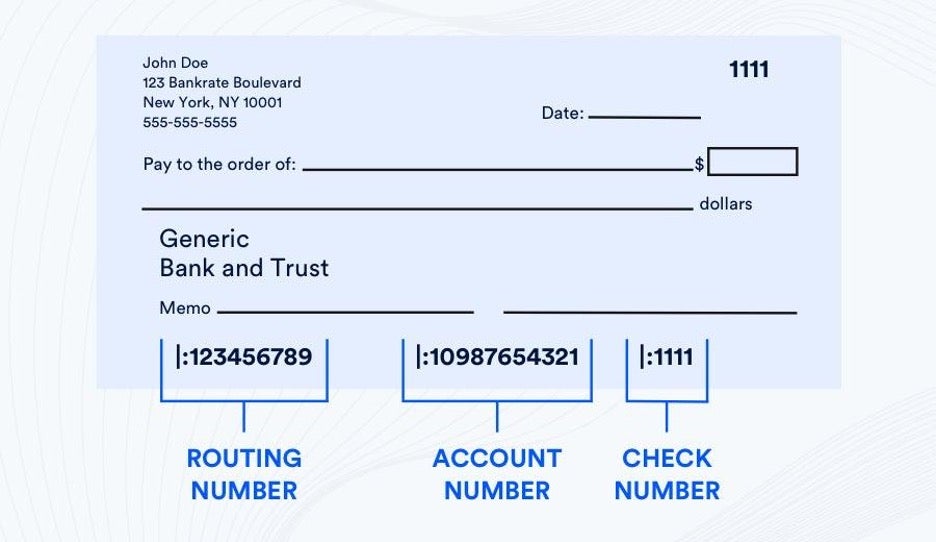
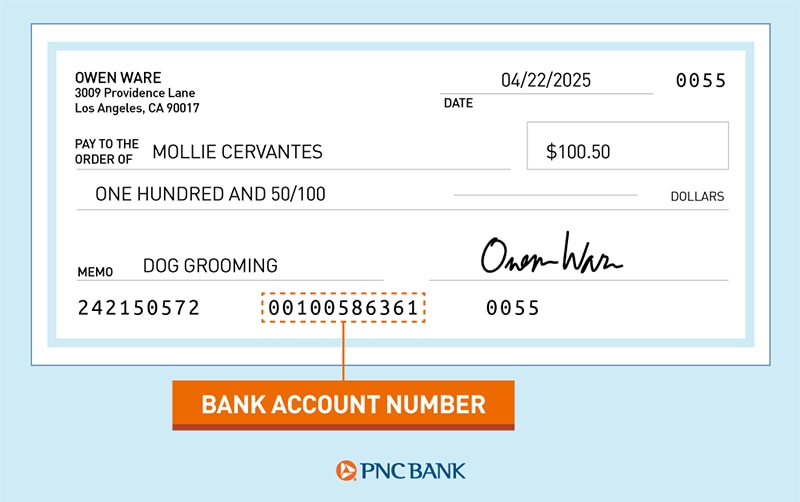
Perhaps the most common and traditional place to find your checking account number is on a physical check. Look at the bottom edge of a personalized check. You’ll see a series of numbers printed in magnetic ink (MICR font), which allows machines to read them quickly and accurately. This is known as the MICR line. From left to right, you will typically find:
- Routing Number: The first set of nine digits.
- Account Number: The second set of digits, which is your checking account number. Its length varies but is often between 8 and 12 digits.
- Check Number: The third set of digits, which corresponds to the sequential number printed at the top right of the check.
It’s important to note that the order of the account number and check number can sometimes be reversed, particularly on starter checks or deposit slips. Always double-check with your bank’s official resources if you are unsure, but typically, the checking account number will be the middle set of digits on the MICR line.
Digital Access: Online Banking and Mobile Apps
In today’s digital age, your checking account number is readily available through your bank’s online portals and mobile applications. This method offers a secure and convenient way to access your financial details without needing a physical check.
- Online Banking: After logging into your bank’s website, navigate to the “Account Summary,” “Account Details,” or “Statements” section for your checking account. You will usually find your full checking account number listed there, often alongside the routing number. Some banks might mask a portion of the number for security purposes, requiring an additional click or verification to reveal the full sequence.
- Mobile Apps: Similar to online banking, most modern banking apps provide access to your account details. Log in, select your checking account, and look for an option like “Account Info,” “Details,” or “View Account Number.” As with online banking, parts of the number might be hidden initially, requiring a tap or swipe to reveal. These digital methods are often the quickest way to retrieve your numbers when you’re away from home or don’t have a checkbook handy.
Beyond Digital: Bank Statements and Direct Contact
Should digital access not be an option, or if you prefer traditional methods, there are other reliable ways to find your checking account number:
- Bank Statements: Both paper and electronic bank statements prominently display your checking account number, usually near your name and address at the top of the statement. This is a reliable source as statements are official records of your account activity and details.
- Contacting Your Bank: If all else fails, or if you need absolute confirmation, simply call your bank’s customer service line. After undergoing identity verification procedures, a representative will be able to provide you with your checking account number. Alternatively, a visit to a local branch with valid photo identification will also allow you to retrieve this information directly from a teller. Always be prepared to verify your identity thoroughly to protect your account security.
Why Your Checking Account Number is Essential for Modern Finance
Beyond simply knowing what it is, understanding the practical applications of your checking account number illuminates its indispensable role in managing your finances effectively in the modern world.
Facilitating Seamless Transactions: Direct Deposits and Automated Payments
The checking account number is the cornerstone for a multitude of essential financial transactions that form the bedrock of personal finance.
- Direct Deposit: For most employees, direct deposit is the standard method for receiving paychecks. Employers require your checking account number (alongside your bank’s routing number) to electronically transfer your earnings directly into your account, bypassing physical checks and accelerating fund availability.
- Automated Clearing House (ACH) Transfers: The ACH network is a critical system for electronic money transfers between banks. Your checking account number is essential for setting up recurring automated payments, such as utility bills, loan installments, rent, or subscription services. It enables merchants and service providers to debit your account directly on scheduled dates, ensuring timely payments and avoiding late fees. Similarly, you might use it to set up recurring transfers between your own accounts at different institutions.
Powering External Financial Services and Transfers
Your checking account number extends its utility beyond basic deposits and payments, acting as a gateway for integrating with various other financial tools and services.
- Wire Transfers: For larger, time-sensitive international or domestic transfers, wire transfers often require both the routing number and the checking account number to ensure funds reach the correct recipient quickly and securely.
- Peer-to-Peer (P2P) Payment Apps: While many P2P apps like Venmo or Zelle operate with just a debit card or email address, linking your checking account directly using its number often provides higher transaction limits and direct integration with your bank, enhancing the seamless transfer of funds.
- Investment Accounts and Brokerages: When setting up transfers between your bank account and an investment or brokerage account, your checking account number is typically required to link the accounts, allowing for easy funding and withdrawals.
- Tax Refunds: If you opt for direct deposit of your tax refund, the IRS will request your checking account number (and routing number) to expedite the delivery of your refund straight into your bank account.
Mitigating Errors and Ensuring Accuracy
Providing the correct checking account number is not just about convenience; it’s about accuracy and security. An incorrect digit can lead to significant delays, bounced payments, or, in rare cases, funds being misdirected to another account (though banks have robust systems to catch and rectify such errors). Always double-checking the numbers before confirming any transaction can save you considerable time and potential stress, ensuring your money goes exactly where it’s intended. Its precise nature is what allows the modern financial system to function with such efficiency and scale.
Safeguarding Your Financial Identity: Security Best Practices
While your checking account number is a necessary tool for financial transactions, it also represents a point of vulnerability if it falls into the wrong hands. Protecting this identifier is a critical component of maintaining your financial security.
When and How to Share Your Account Information Responsibly
It’s vital to exercise discretion when sharing your checking account number. Generally, you should only provide it to trusted entities for legitimate purposes:
- Employers: For direct deposit.
- Financial Institutions: For setting up transfers between your own accounts or linking to investment platforms.
- Verified Billers/Merchants: For setting up recurring payments (e.g., utility companies, mortgage lenders).
- Government Agencies: For tax refunds or other official disbursements.
When sharing, use secure channels. If filling out an online form, ensure the website uses HTTPS encryption (look for the padlock icon in the browser). For physical forms, ensure they are handled by trusted personnel. Avoid sharing your checking account number via unencrypted email or text messages, as these methods are not secure. Remember that a routing number and account number together are powerful, but typically, a scammer also needs a signature or additional verification to fully compromise your account.
Recognizing and Avoiding Common Scams
Scammers are constantly devising new ways to illicitly obtain your financial information. Be vigilant for:
- Phishing Emails/Texts: Unsolicited communications impersonating your bank, the IRS, or other official bodies, asking you to “verify” account details by clicking a link or replying. Your bank will never ask for your full account number via email or text.
- Unexpected Calls: Be wary of callers claiming to be from your bank or a government agency demanding your account number or other sensitive details. If in doubt, hang up and call the institution back using a publicly available official phone number (not one provided by the caller).
- Bogus Websites: Always double-check the URL of any banking or financial website before entering your details. Typo-squatting or similar domain names can trick unsuspecting users.
- Social Engineering: Scammers might try to build rapport or create a sense of urgency to trick you into divulging information. Remain skeptical of anyone asking for personal financial data.
Proactive Measures for Account Protection
Beyond cautious sharing, there are several proactive steps you can take to fortify your account security:
- Monitor Your Accounts Regularly: Review your bank statements and online transaction history frequently for any unauthorized activity. The sooner you spot suspicious transactions, the easier it is to address them.
- Set Up Account Alerts: Many banks offer email or text alerts for various account activities, such as large transactions, low balances, or suspicious logins. Utilize these features to stay informed.
- Use Strong, Unique Passwords: For your online banking accounts, employ complex passwords that combine letters, numbers, and symbols, and avoid reusing them across multiple sites. Enable two-factor authentication (2FA) whenever possible for an added layer of security.
- Shred Old Documents: Before discarding old checks, bank statements, or other documents containing sensitive financial information, shred them to prevent dumpster diving identity theft.
- Keep Software Updated: Ensure your operating system, web browser, and antivirus software are always up-to-date on all your devices. These updates often include critical security patches.
Troubleshooting and Common Misconceptions
Despite its fundamental nature, misunderstandings about checking account numbers are common. Knowing how to troubleshoot issues and dispel myths can further empower your financial management.
What to Do if You Can’t Find Your Number
If you’ve exhausted all the methods mentioned (physical checks, online banking, mobile app, bank statements) and still can’t locate your checking account number, the most reliable course of action is to contact your bank directly.
- Call Customer Service: Have your personal identification details ready (e.g., social security number, date of birth, mother’s maiden name) for verification purposes. They can securely provide your account number over the phone after confirming your identity.
- Visit a Branch: Bring a valid form of photo identification (driver’s license, passport) to a local branch, and a teller will be able to assist you.
Avoid asking for your account number via email or public forums, as these are insecure channels.

Dispelling Myths About Account Security
Several misconceptions surrounding checking account numbers can lead to either undue panic or dangerous complacency:
- Myth: Someone can empty my account with just my checking account number and routing number. While these numbers are crucial, most sophisticated fraud requires additional information, like your signature, PIN, or online banking credentials. Banks also employ fraud detection systems and offer protections for unauthorized transactions. However, these numbers do enable ACH debits, which can be fraudulent if initiated without your permission, highlighting the need for vigilance.
- Myth: My debit card number is the same as my checking account number. As discussed, these are distinct. Your debit card number is tied to your card, while your checking account number identifies the actual bank account.
- Myth: It’s safe to share my account number for “verification.” Be extremely cautious. Legitimate organizations that already have your account information typically won’t ask you to re-verify it out of the blue. When in doubt, initiate the contact yourself using official contact information.
By understanding the distinct roles of your checking account number and its companions, familiarizing yourself with reliable ways to locate them, appreciating their importance in the financial ecosystem, and diligently practicing security, you can confidently and securely navigate your personal finances. Your checking account number is not just a string of digits; it’s a critical component of your financial identity, demanding respect and protection.
aViewFromTheCave is a participant in the Amazon Services LLC Associates Program, an affiliate advertising program designed to provide a means for sites to earn advertising fees by advertising and linking to Amazon.com. Amazon, the Amazon logo, AmazonSupply, and the AmazonSupply logo are trademarks of Amazon.com, Inc. or its affiliates. As an Amazon Associate we earn affiliate commissions from qualifying purchases.