
Finding the cheapest rental car is less about identifying a single, perpetually low-cost vehicle and more about mastering a strategic approach to booking and managing your rental. The “cheapest” car is a dynamic target, influenced by a confluence of factors including demand, location, timing, and a host of often-overlooked fees. For the financially savvy traveler, navigating this landscape requires diligence, an understanding of market mechanics, and a keen eye for potential cost traps. This guide delves into the specifics, empowering you to minimize your expenditure on rental cars and keep more money in your wallet.

Deconstructing Rental Car Pricing: Beyond the Advertised Rate
The sticker price for a rental car rarely tells the full story. A multitude of variables conspire to shape the final cost, and understanding these elements is the first step toward securing a genuinely economical deal.
Demand and Supply Fluctuations
Rental car prices are highly elastic, responding dramatically to the classic economic principles of supply and demand. During peak travel seasons, major holidays, or significant local events, demand surges, and prices inevitably climb. Conversely, booking during off-peak times or shoulder seasons can yield substantial savings. Location also plays a critical role; airport locations, while convenient, typically impose higher concession fees and taxes, making off-airport rentals often a more budget-friendly option, assuming the transfer costs are minimal. Similarly, weekend rentals can be cheaper than weekday rentals in some business-heavy locations, while leisure destinations might see the opposite trend. Smart financial planning involves aligning your rental needs with periods of lower demand whenever possible.
Car Class and Fleet Availability
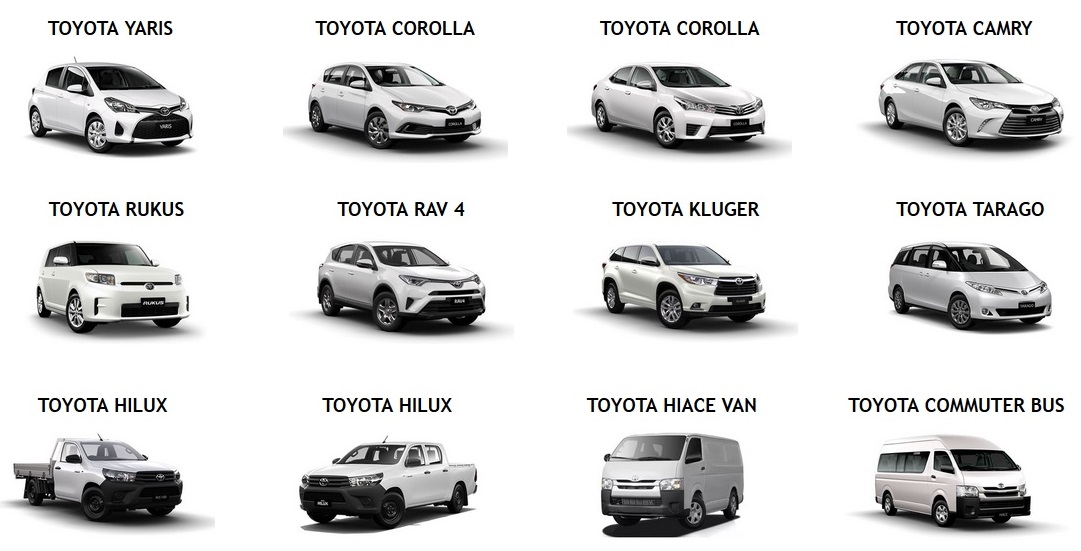
While an economy car is almost always the cheapest base rate option, it’s crucial to consider the total cost of ownership for your rental period. A larger, more fuel-efficient car might offer better value on a long road trip if the fuel savings outweigh the modest increase in the daily rate. Conversely, for short urban trips, the smallest available option remains the most economical. Rental companies manage diverse fleets, and at times, they might be overstocked with a particular car class. This can sometimes lead to surprising deals on mid-size or even full-size vehicles, so it pays to check prices across several car classes, not just the smallest. Always ensure the vehicle meets your practical needs without unnecessary upgrades.
Booking Lead Time: The Sweet Spot for Savings
Booking too early or too late can both lead to higher prices. Rental car prices don’t behave like airline tickets, which often reward early birds. For rental cars, there’s often a sweet spot, typically a few weeks to a month before your desired pickup date. Booking too far in advance can mean you miss out on last-minute deals or fleet adjustments. Conversely, waiting until the last minute, especially during high-demand periods, can leave you with limited, expensive options or no car at all. Regularly checking prices after an initial booking can also be beneficial, as many reservations can be canceled without penalty, allowing you to rebook if a lower rate emerges. Flexibility and a willingness to monitor prices are key financial tactics here.
Strategic Booking: Leveraging Tools and Tactics for Maximum Savings
Once you understand the underlying dynamics, you can employ specific strategies and tools to consistently uncover the lowest rates. This proactive approach is a cornerstone of effective personal finance when it comes to travel.
The Power of Comparison Sites and Direct Bookings
Aggregator websites like Kayak, Expedia, Priceline, or Skyscanner are invaluable for quickly comparing prices across multiple rental companies. They provide a broad overview and help identify general price trends. However, their results are not always exhaustive. Savvy consumers often cross-reference these sites with direct bookings on the rental company’s own website (e.g., Hertz, Enterprise, Avis, Budget). Rental companies frequently offer exclusive web-only deals, loyalty program benefits, or discount codes that aren’t propagated through third-party sites. Sometimes, a direct booking might even be cheaper, or include more favorable terms, than what’s found on an aggregator. The financially astute approach involves checking both avenues before committing.
Loyalty Programs and Discount Codes
Enrolling in free loyalty programs offered by major rental car companies can unlock significant savings over time. Members often receive exclusive discounts, faster pickup processes, and sometimes even free upgrades. Furthermore, diligently searching for discount codes (often called coupon codes or promotional codes) can yield impressive reductions. These can be found through various channels:
-
Credit Card Benefits: Many credit cards offer rental car discounts or premium status with certain companies.
-
Professional Organizations: AAA, AARP, Costco, and numerous corporate affiliations often have dedicated discount codes.
-
Email Newsletters: Signing up for newsletters from rental companies can alert you to flash sales and seasonal promotions.
Always enter multiple codes to see which one provides the best discount, as they usually cannot be stacked.
Flexible Dates and Locations

One of the most powerful financial levers you can pull is flexibility. If your travel dates are malleable, experimenting with different pickup and drop-off days can reveal significantly cheaper rates. Sometimes, merely shifting your rental start date by a day can halve the cost. The same principle applies to location. Picking up a car at an off-airport location, even if it requires a short taxi or ride-share, can often be considerably cheaper due to lower taxes and fees. For one-way rentals, consider renting from a major hub and dropping off at another, as companies sometimes offer attractive rates to reposition their fleet. A few minutes spent exploring different date and location combinations can translate into substantial savings.
Navigating the Minefield of Hidden Fees and Insurance
The base rental rate is just one piece of the puzzle. A multitude of additional charges, often obscured in the fine print, can inflate your final bill. Understanding and proactively managing these are crucial for cost control.
Unmasking Mandatory and Optional Fees
Rental car companies are notorious for add-on fees. Some are unavoidable, like local taxes and airport concession fees. Others are entirely optional but can significantly impact your budget:
-
Fuel Surcharges: If you don’t return the car with a full tank, the rental company will charge a premium for refueling.
-
Young Driver Fees: Drivers under 25 typically incur a daily surcharge.
-
Additional Driver Fees: Adding a second driver often comes with an extra daily charge.
-
One-Way Fees: Dropping off the car at a different location can incur a hefty fee unless it’s a special repositioning deal.
-
GPS and Toll Passes: These convenience items are highly marked up. Modern smartphones with navigation apps eliminate the need for rental GPS, and personal toll transponders or local cash payment can circumvent expensive rental company toll passes.
Always scrutinize the breakdown of charges before confirming your reservation and question any fees you don’t understand or believe are unjustified.
Rental Car Insurance: Your Coverage Checklist
This is perhaps the biggest area where renters overpay. Rental car insurance options can be confusing, but understanding your existing coverage is key to avoiding unnecessary expenses.
-
Collision Damage Waiver (CDW) / Loss Damage Waiver (LDW): This waives your financial responsibility for damage to the rental car. However, your personal auto insurance policy might already extend coverage to rental cars, or certain credit cards offer secondary CDW/LDW benefits as a perk for booking the rental with their card. Before accepting the rental company’s expensive waiver, always confirm your existing coverage.
-
Supplemental Liability Insurance (SLI): This provides additional liability coverage beyond the state minimums. Again, your personal auto insurance policy likely provides liability coverage for rental cars.
-
Personal Accident Insurance (PAI) and Personal Effects Coverage (PEC): PAI covers medical costs for you and your passengers, while PEC covers personal belongings stolen from the car. Your health insurance and homeowner’s/renter’s insurance likely already cover these scenarios, making the rental company’s offering redundant and costly.
A quick call to your personal auto insurance provider and credit card company before your trip can save hundreds of dollars by helping you confidently decline redundant coverage.
Beyond the Booking: Maximizing Value and Minimizing Out-of-Pocket Expenses
The quest for the cheapest rental car doesn’t end when you click “book.” What you do during and after your rental can further impact your financial outlay.
Fueling Up Smart
The most financially prudent option is almost always to return the car with a full tank of fuel. Pre-paid fuel options offered by rental companies are rarely a good deal, as they typically charge a premium per gallon that often exceeds local gas station prices, and you don’t get a refund for unused fuel. The “we’ll fill it up for you” option is the most expensive, as companies charge a high per-gallon rate plus a refueling service fee. Plan your return to allow for a stop at a gas station near the airport or drop-off location to top off the tank at competitive prices.
Inspecting Your Vehicle Thoroughly
Before driving off the lot, perform a meticulous inspection of the vehicle for any existing damage. Document everything – scratches, dents, chips, interior stains – with photos and videos, especially noting the date and time. Bring any existing damage to the attention of a rental agent and ensure it is officially noted on your rental agreement before you leave. This simple, proactive step is critical for avoiding wrongful charges for pre-existing damage upon return, which can be a significant and frustrating unexpected expense. A few minutes of vigilance can save you a lengthy dispute and potential financial liability.
Loyalty and Reputations
While not directly about finding the absolute lowest price, building loyalty with a specific rental car company can yield indirect financial benefits. Preferred status often means faster service, which saves time, and occasional free upgrades. These upgrades, while not explicitly saving money, can provide better comfort, features, or fuel efficiency at no extra cost, effectively enhancing value. Reputable companies also tend to have clearer billing practices and more responsive customer service, which can save you time and potential dispute costs if an issue arises. For long-term renters or frequent travelers, the accumulated benefits of loyalty can outweigh the occasional marginally cheaper deal from an unknown provider.
Ultimately, finding the cheapest rental car is a consistent effort that involves astute planning, comparison shopping, understanding the fine print, and leveraging existing resources. By employing these strategies, you empower yourself to navigate the rental car market confidently and keep your travel budget intact.
aViewFromTheCave is a participant in the Amazon Services LLC Associates Program, an affiliate advertising program designed to provide a means for sites to earn advertising fees by advertising and linking to Amazon.com. Amazon, the Amazon logo, AmazonSupply, and the AmazonSupply logo are trademarks of Amazon.com, Inc. or its affiliates. As an Amazon Associate we earn affiliate commissions from qualifying purchases.