
In the intricate landscape of personal finance, car insurance stands as a mandatory yet often perplexing expense. For millions of drivers worldwide, the quest to find the “cheapest” car insurance isn’t merely about saving a few dollars; it’s about optimizing their financial health without compromising essential protection. The market is saturated with providers, each promising competitive rates, making the process of identifying the most cost-effective option feel like navigating a maze. This article delves into the multi-faceted world of car insurance pricing, dissecting the myriad factors that influence your premium and providing actionable strategies to secure the most affordable coverage tailored to your specific needs. We’ll explore how to balance the desire for low costs with the critical necessity of adequate protection, ensuring that “cheap” doesn’t equate to “insufficient” when you need it most. This isn’t just about finding the lowest number; it’s about smart financial planning for an indispensable asset.
Understanding Car Insurance: Beyond the Price Tag
Before embarking on the hunt for the cheapest car insurance, it’s crucial to understand what you’re actually purchasing. Car insurance isn’t a single, uniform product; it’s a customizable package of various coverages designed to protect you financially from a wide array of potential risks on the road. A foundational understanding of these components and the factors that dictate their cost is the first step towards making an informed and economically sound decision.
Types of Coverage: What You’re Paying For
Car insurance policies are typically composed of several distinct types of coverage, each addressing a different financial risk. The combination and limits of these coverages significantly impact your overall premium.
- Liability Coverage: This is the most fundamental and often legally mandated type of coverage. It protects you financially if you cause an accident, covering property damage and bodily injuries to other parties. It’s usually split into three numbers: bodily injury per person, bodily injury per accident, and property damage per accident (e.g., 25/50/25). Higher limits mean more protection but also a higher premium.
- Collision Coverage: This pays for damages to your own vehicle resulting from a collision with another car or object, regardless of who is at fault. It’s often required if you have a car loan or lease.
- Comprehensive Coverage: This protects your car from non-collision-related incidents, such as theft, vandalism, fire, natural disasters (hail, floods), or hitting an animal. Like collision, it’s often required for financed or leased vehicles.
- Personal Injury Protection (PIP) / Medical Payments (MedPay): These cover medical expenses for you and your passengers after an accident, regardless of fault. PIP can also cover lost wages and other non-medical costs in some states.
- Uninsured/Underinsured Motorist (UM/UIM) Coverage: This protects you if you’re involved in an accident with a driver who has no insurance or insufficient insurance to cover your damages. Given the number of uninsured drivers, this is an incredibly valuable, often overlooked, component.
- Other Optional Coverages: These can include roadside assistance, rental car reimbursement, gap insurance (for leased or financed cars), and new car replacement coverage, each adding to your premium but offering specific benefits.
Factors Influencing Your Premium
Car insurance premiums are calculated based on a complex algorithm that assesses risk. Insurers look at a multitude of factors to determine how likely you are to file a claim and how expensive that claim might be. These factors fall into several broad categories:
- Driver Profile: Your age, gender, marital status, driving record (accidents, tickets), credit score (in most states), and even your occupation can influence your rates. Statistically, younger drivers, those with poor driving records, and individuals with lower credit scores often face higher premiums.
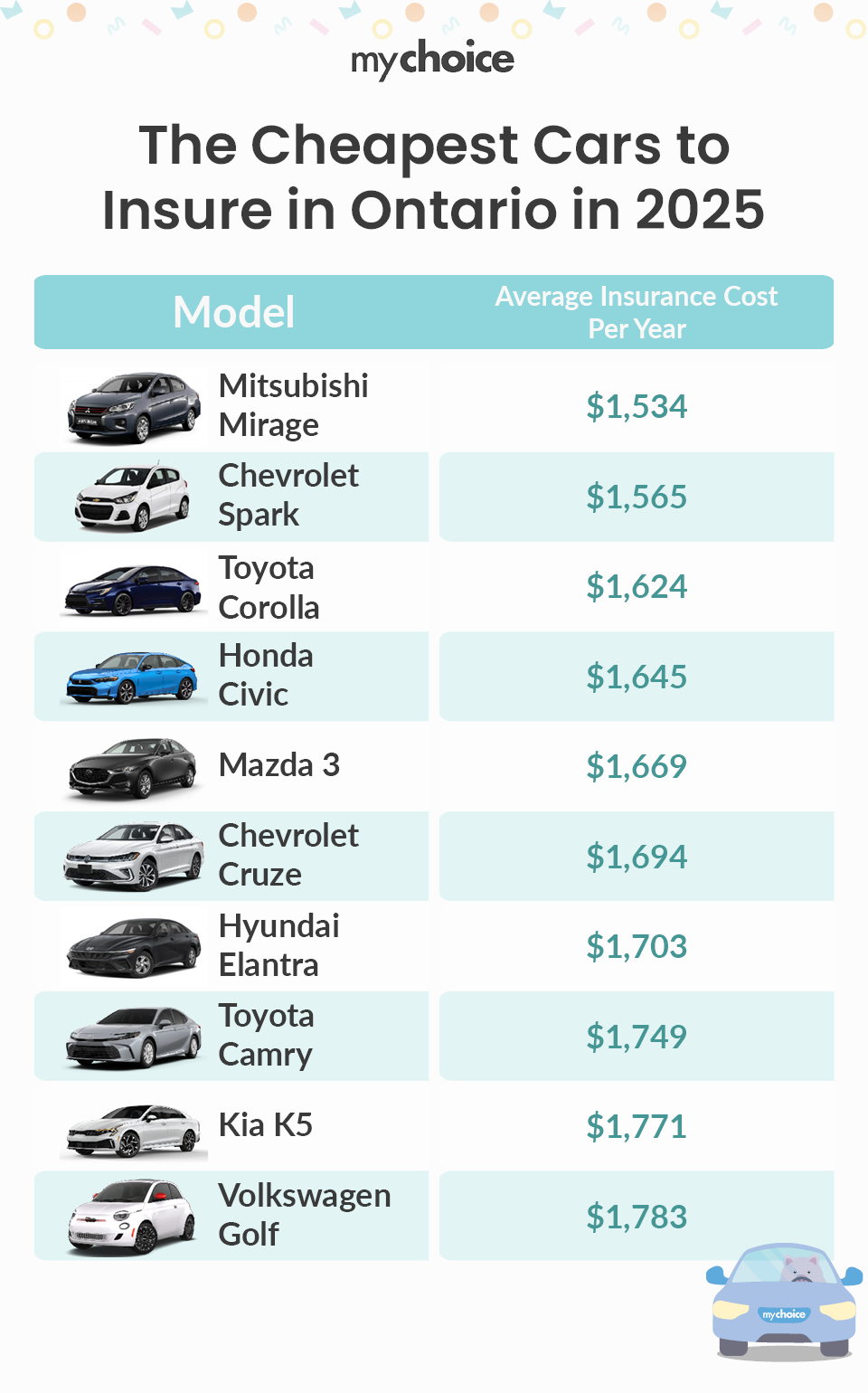
- Vehicle Information: The make, model, year, and safety features of your car play a significant role. More expensive cars, sports cars, and those with a higher theft rate tend to cost more to insure. The cost of repairs and the car’s safety ratings are also considered.
- Location: Where you live and park your car matters immensely. Urban areas with higher traffic density, greater rates of theft, or higher accident statistics typically result in higher premiums than rural areas.
- Coverage Choices: The types of coverage you select, your chosen limits, and your deductibles (the amount you pay out-of-pocket before your insurance kicks in) directly impact your premium. Higher deductibles generally lead to lower premiums.
- Annual Mileage: How much you drive can also be a factor. Driving fewer miles generally reduces your risk of an accident, potentially leading to lower rates.
Understanding these components and influencing factors is critical because it empowers you to make informed decisions, not just about which insurer to choose, but also about how to tailor your policy to achieve the best balance between cost and comprehensive protection.
Strategies for Finding the Most Affordable Car Insurance
Once you understand the fundamentals of car insurance, the next step is to actively implement strategies to secure the cheapest policy without sacrificing essential coverage. The pursuit of affordability is not a passive waiting game; it requires proactive research, savvy negotiation, and continuous optimization of your policy.
Comparison Shopping: Your Most Powerful Tool
The single most effective strategy for finding cheap car insurance is diligent comparison shopping. Prices for the exact same coverage can vary by hundreds, or even thousands, of dollars between different insurers. Each company has its own underwriting criteria, risk assessment models, and target demographics, leading to a wide range of quotes for identical policies.
- Gather Multiple Quotes: Don’t settle for the first quote you receive. Obtain quotes from at least 3-5 different insurance providers – including major national carriers (like State Farm, GEICO, Progressive, Allstate) and smaller regional ones. Online aggregators and independent insurance agents can simplify this process by providing multiple quotes simultaneously.
- Compare Apples to Apples: When comparing quotes, ensure you are comparing identical levels of coverage, deductibles, and policy limits. A lower premium might be attractive, but if it comes with significantly reduced coverage, it’s not a true comparison. Pay close attention to the liability limits (e.g., 50/100/25 vs. 100/300/50), collision/comprehensive deductibles, and the inclusion of optional coverages.
- Re-shop Periodically: Your circumstances change, and so do insurance rates. It’s wise to re-shop for car insurance every 6-12 months, or whenever a significant life event occurs, such as buying a new car, getting married, moving, or having a significant birthday. Loyalty doesn’t always pay in the insurance world; often, new customers receive better introductory rates.
Leveraging Discounts: Every Penny Counts
Insurance companies offer a wide array of discounts that can significantly reduce your premium. Many drivers overlook these potential savings, so it pays to ask your agent or review your policy thoroughly for every possible markdown.
- Multi-Policy Bundling: One of the most common and substantial discounts is achieved by bundling your car insurance with other policies from the same provider, such as home, renters, or life insurance.
- Safe Driver Discounts: If you have a clean driving record (no accidents or tickets for several years), you’re likely eligible for a safe driver discount. Some insurers offer accident forgiveness programs as well.
- Good Student Discounts: Students with good academic records (typically a B average or higher) can often qualify for discounts, especially if they are under 25.
- Defensive Driving Course Discounts: Completing an approved defensive driving course can not only improve your driving skills but also earn you a premium reduction, particularly if you’re a senior driver or have recent infractions.
- Vehicle Safety Features: Cars equipped with anti-lock brakes, airbags, anti-theft devices, daytime running lights, and other safety features often qualify for discounts.
- Low Mileage Discounts: If you don’t drive frequently, some insurers offer discounts based on your annual mileage.
- Payment Discounts: You might get a discount for paying your premium in full upfront, enrolling in automatic payments, or opting for paperless billing.
Always inquire about all available discounts and make sure they are applied to your policy. Don’t assume your insurer has automatically applied everything you qualify for.
Adjusting Your Coverage and Deductibles
While comparison shopping and discounts target the price from the insurer’s side, you also have control over your policy’s structure, which directly impacts its cost.
- Increase Your Deductibles: Your deductible is the amount you pay out of pocket before your insurance coverage kicks in for collision and comprehensive claims. Increasing your deductible from, say, $500 to $1,000 can significantly lower your premium. However, ensure you have sufficient emergency savings to cover this higher deductible should you need to file a claim.
- Evaluate Comprehensive and Collision for Older Cars: For older vehicles that have depreciated significantly, the cost of comprehensive and collision coverage might outweigh the potential payout. If your car is only worth a few thousand dollars, it might be more financially prudent to drop these coverages and self-insure for potential damage, especially if you have an emergency fund. Calculate the annual premium for these coverages versus the actual cash value of your car.
- Review Liability Limits: While higher liability limits offer greater protection, ensure they align with your assets and risk tolerance. Most financial advisors recommend liability limits that are high enough to protect your net worth, but there’s a point of diminishing returns in premium savings for exceedingly high limits versus the cost.
By actively engaging in these strategies, you can systematically work towards identifying and securing the most affordable car insurance policy that still provides robust financial protection. The cheapest car insurance isn’t always the one with the lowest initial quote; it’s the one that offers the best value for your specific risk profile and financial situation.
The Role of Your Personal Profile in Pricing
Beyond the general strategies, your individual characteristics and choices play a profound role in how insurance companies calculate your premium. Insurers use sophisticated actuarial science to assess risk, and your personal profile provides a wealth of data points that help them predict the likelihood and cost of future claims. Understanding these personal factors can empower you to make lifestyle and financial choices that positively influence your insurance rates.
Driver Demographics: Age, Gender, Location
Certain demographic details are deeply embedded in insurance risk assessments:
- Age: Younger, inexperienced drivers (typically under 25) face significantly higher premiums due to higher accident rates. Rates generally decrease as drivers gain experience and mature, then might slightly increase again for very senior drivers.
- Gender: While the impact of gender on rates has been mitigated in some regions due to anti-discrimination laws, historically, young male drivers often paid more than young female drivers due to higher statistical accident involvement.
- Marital Status: Married individuals often receive lower rates than single drivers, as statistics suggest they are less likely to be involved in accidents.
- Location: Your zip code is a major determinant. Insurers analyze local claim data for theft, vandalism, accidents, and even natural disaster frequency. Densely populated urban areas with higher traffic and crime rates typically have higher premiums than suburban or rural areas. Moving to a different neighborhood, even within the same city, can impact your rates.
Driving Record and Credit Score
These two factors are perhaps the most impactful personal determinants of your insurance premium:
- Driving Record: This is paramount. Accidents (especially at-fault ones), speeding tickets, DUIs, and other moving violations signal higher risk to insurers. A clean driving record for several years is one of the most effective ways to secure lower rates. Minor infractions might increase your premium for 3-5 years, while major offenses like DUIs can impact it for much longer, sometimes leading to policy cancellation or the need for high-risk insurance.
- Credit Score (Insurance Score): In most states (California, Hawaii, and Massachusetts are exceptions), insurers use a credit-based insurance score as a significant factor in pricing. This score is derived from information in your credit report but is not the same as the FICO score lenders use. Studies show a strong correlation between a good credit history and a lower likelihood of filing claims. Therefore, maintaining a good credit score by paying bills on time, managing debt responsibly, and avoiding excessive credit inquiries can directly translate into lower car insurance premiums.
Vehicle Type and Usage
While not strictly part of your “personal profile,” your vehicle and how you use it are direct reflections of your choices and heavily influence your rates:
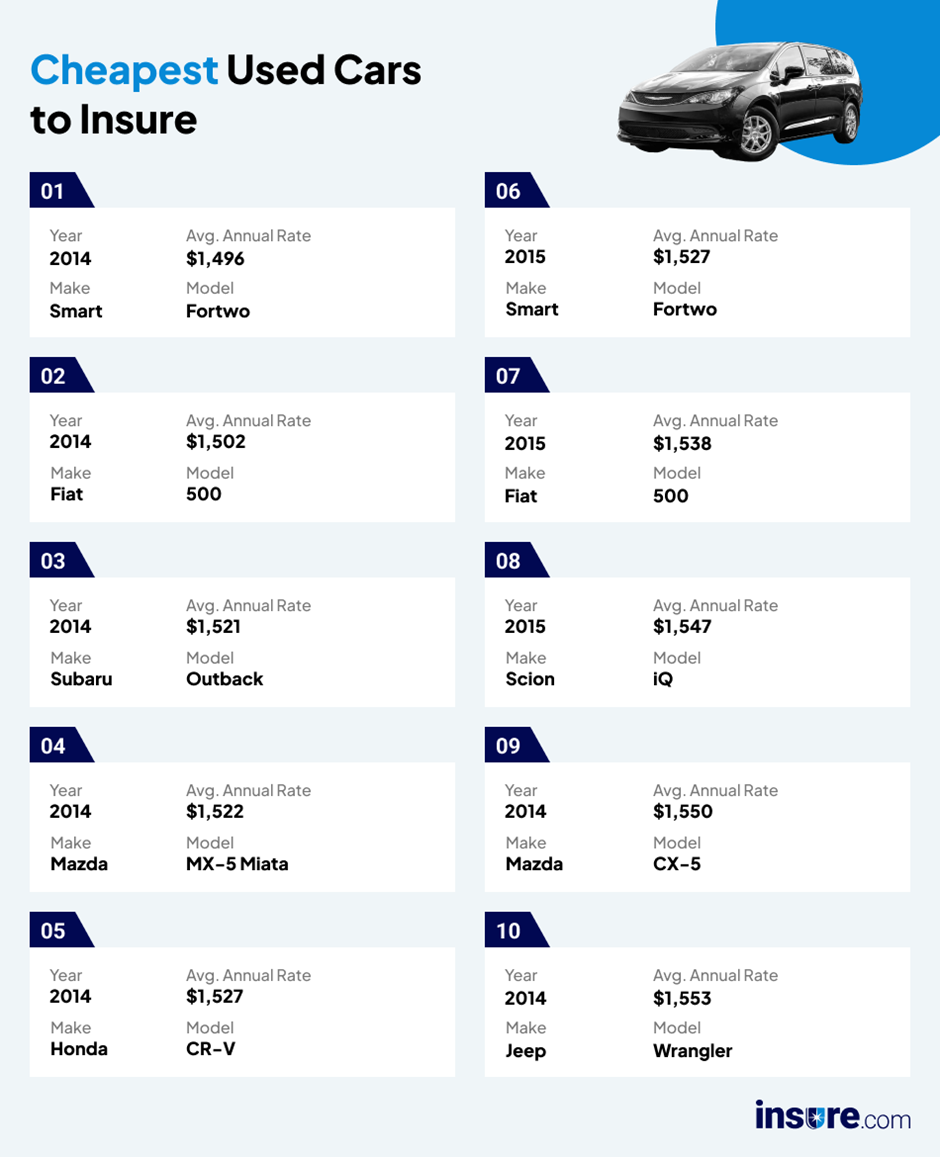
- Vehicle Make and Model: The cost to insure a vehicle is tied to its market value, repair costs, safety ratings, and theft rates. Luxury cars, sports cars, and vehicles with expensive parts or specialized technology often cost more to insure than standard sedans or family cars. Similarly, cars with high safety ratings might qualify for discounts.
- Annual Mileage: If you commute long distances daily or use your car frequently, you’re on the road more, increasing your exposure to risk. Low-mileage drivers (e.g., those who work from home or use public transit) often qualify for discounts.
- Vehicle Storage: Where you park your car overnight can also be a factor. Parking in a secured garage might lead to lower comprehensive rates than parking on a busy street.
By understanding how your personal characteristics, driving habits, and vehicle choices are scrutinized by insurers, you can proactively take steps to improve your risk profile. This includes maintaining a clean driving record, managing your credit responsibly, and making informed decisions about the type of vehicle you drive and how you use it. These seemingly small choices collectively contribute to the overall cost of your car insurance.
When “Cheapest” Isn’t Always Best: Balancing Cost and Protection
In the pursuit of the lowest possible car insurance premium, it’s easy to fall into the trap of underinsuring. While saving money is a valid financial goal, compromising on critical coverage can expose you to devastating financial risks in the event of an accident. The true measure of cheap car insurance is not just its price tag, but its ability to provide adequate protection when you need it most.
The Dangers of Underinsurance
Opting for the absolute minimum coverage required by law, or skimping on higher limits to save a few dollars, can have severe consequences:
- Insufficient Liability Coverage: If you cause an accident resulting in significant property damage or severe injuries to others, and your liability limits are too low, you could be personally sued for the remaining costs. This could lead to wage garnishment, asset seizure, or even bankruptcy. The cost of medical care and vehicle repairs can quickly exceed basic state minimums.
- No Protection for Your Own Vehicle: If you forego collision and comprehensive coverage to save money, any damage to your own vehicle (whether from an accident, theft, or natural disaster) will be entirely out-of-pocket. For most people, replacing or repairing a car represents a significant financial burden.
- Inadequate Medical Coverage: Without sufficient Personal Injury Protection (PIP) or Medical Payments (MedPay), your medical bills and those of your passengers could become your responsibility, even if the accident wasn’t your fault, depending on state laws.
- Exposure to Uninsured Drivers: If you don’t carry Uninsured/Underinsured Motorist (UM/UIM) coverage, and an uninsured driver hits you, you could be left to cover your own medical bills and vehicle repairs, even if they are entirely at fault.
Reading the Fine Print: Exclusions and Limitations
Beyond the basic coverage types, it’s crucial to understand what your policy doesn’t cover. The “cheapest” policies might achieve their low price by having numerous exclusions or very strict limitations.
- Named Driver Exclusions: Some policies exclude certain household members or specific individuals from coverage, meaning if they drive your car and get into an accident, you’re on your own.
- Usage Limitations: Policies might have clauses about personal vs. business use, or even restrict how many miles you can drive annually. Using your car for ride-sharing without specific rideshare insurance, for instance, would typically not be covered under a standard personal policy.
- Specific Circumstance Exclusions: Policies may exclude damage from certain natural disasters, acts of war, or intentional damage. While many are standard, some budget policies might have more expansive exclusions.
- Diminished Value Claims: Some policies might not cover the “diminished value” of your vehicle after an accident, meaning your car is worth less even after repairs because it has an accident history.
Always review the policy document carefully or ask your agent specific questions about what is excluded before committing to a policy based solely on its low premium.
Assessing Insurer Reputation and Customer Service
A low premium is only valuable if the insurer delivers on its promises when you need them most. The cheapest insurer might not always be the most reliable or offer excellent customer service.
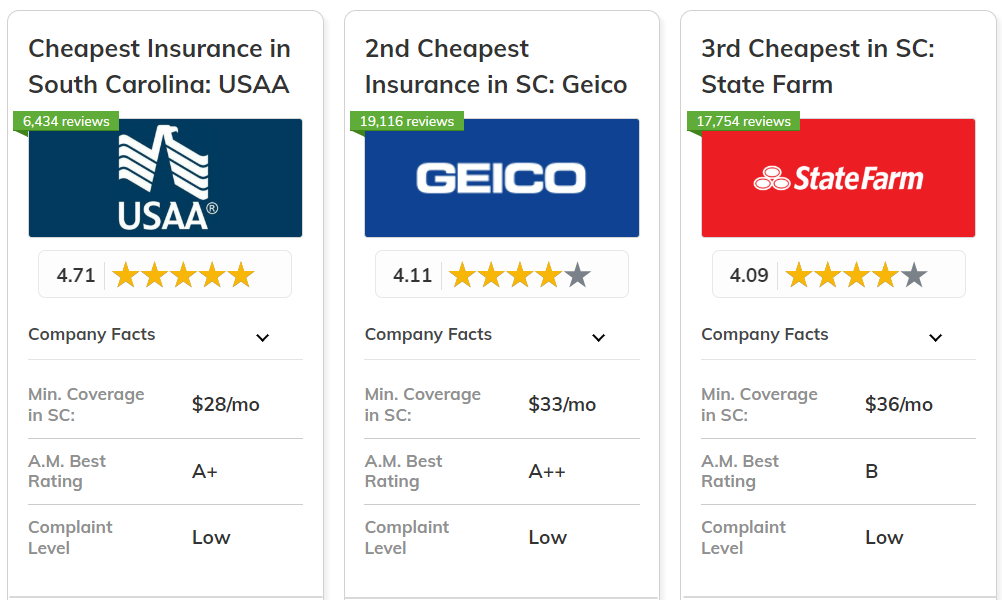
- Claim Payout History: Research the insurer’s reputation for handling claims. Do they process claims quickly and fairly? Are there many complaints about denied claims or delayed payments? Websites like the National Association of Insurance Commissioners (NAIC) or J.D. Power can provide insights into customer satisfaction and complaint ratios.
- Financial Stability: Ensure the insurer has a strong financial rating from agencies like A.M. Best. A financially stable company is more likely to be able to pay out large claims, especially in catastrophic events.
- Customer Support: When an accident happens, you want responsive and helpful customer service. Consider factors like 24/7 support, ease of contacting an agent, and online tools for managing your policy and claims.
The goal should be to find the best value car insurance, not simply the lowest price. This involves a thoughtful balance between an affordable premium and the comprehensive, reliable protection that safeguards your financial future. Paying a slightly higher premium for robust coverage and a reputable insurer can be a much wiser financial decision in the long run than risking personal financial ruin to save a few dollars upfront.
Leveraging Financial Tools and Future Trends
The landscape of car insurance is continuously evolving, with new technologies and financial models emerging to help consumers find more personalized and potentially cheaper rates. By staying informed about these advancements and utilizing available financial tools, you can further optimize your insurance costs.
Telematics and Usage-Based Insurance
One of the most significant innovations in recent years is the rise of telematics, which allows insurers to monitor your actual driving habits.
- How it Works: Telematics devices (often installed in your car or through a smartphone app) track your mileage, speed, braking habits, acceleration, time of day you drive, and even how often you use your phone while driving.
- Benefits: For safe drivers, this can lead to substantial discounts, as your premium is based on your real-world risk, not just general demographic statistics. Some programs offer immediate discounts for signing up, with further savings based on your driving score.
- Considerations: While it can offer cheaper rates, some drivers are uncomfortable with the idea of their driving habits being monitored. It’s also crucial to understand how data is collected, stored, and used. For high-mileage or aggressive drivers, these programs might actually lead to higher premiums.
Bundling Policies and Loyalty Programs
While bundling home and auto insurance is a well-known strategy, expanding your financial relationship with a single insurer can unlock additional savings.
- Beyond Home/Auto: Consider bundling other policies like life insurance, renters insurance, umbrella insurance, or even motorcycle/RV insurance with the same carrier. The more policies you hold with one company, the larger the multi-policy discount tends to be.
- Loyalty Discounts: Some insurers reward long-term customers with loyalty discounts that increase over time. While periodic comparison shopping is vital, if your current insurer offers competitive rates and excellent service, leveraging loyalty programs can be a smart move.
- Financial Services: Some insurance providers also offer banking services, investment products, or credit cards. Engaging with these additional financial tools from the same institution could sometimes lead to further discounts or bundled benefits, though this requires careful evaluation to ensure the core services remain competitive.
Regular Review and Adjustment
Your financial life and circumstances are not static, and neither should your insurance policy be. Proactive and regular review is a cornerstone of smart financial management.
- Annual Policy Review: Make it a habit to review your car insurance policy at least once a year, ideally before renewal. Check if your coverage still meets your needs, if new discounts are available, or if your personal situation (e.g., mileage, marital status, vehicle value) has changed.
- Life Event Triggers: Significant life events warrant an immediate policy review. These include getting married or divorced, having a child (which might influence your driving habits or vehicle needs), moving to a new address, changing jobs, paying off your car loan, or adding a new driver to your household. Each of these can impact your risk profile and premium.
- Market Changes: The insurance market itself is dynamic. New competitors emerge, existing companies adjust their rates, and regulatory changes can affect pricing. A regular review ensures you’re not missing out on potentially better deals or new coverage options.
- Financial Advisors: Consulting with a financial advisor can provide an external perspective on how your car insurance fits into your broader financial plan. They can help assess appropriate coverage limits based on your assets and liabilities, ensuring you’re neither over- nor under-insured.
By embracing these financial tools and maintaining a proactive approach to your car insurance policy, you position yourself to continuously find and maintain the cheapest possible rates without compromising the essential financial protection your vehicle requires. The ultimate goal is not a one-time saving, but a sustained strategy for optimal financial health.
Conclusion
The quest for the cheapest car insurance is a fundamental aspect of responsible personal finance, yet it is far more nuanced than simply picking the lowest number. As we’ve explored, achieving true affordability means understanding the intricate interplay of coverage types, personal risk factors, and market dynamics. It’s about recognizing that “cheap” should always be synonymous with “adequate protection” and “excellent value.”
Your journey to securing the most cost-effective car insurance begins with educating yourself on the various components of a policy and the myriad factors that influence its price – from your driving record and credit score to your vehicle’s make and your geographical location. The power of comparison shopping cannot be overstated; obtaining multiple quotes and regularly re-evaluating your policy are indispensable practices. Furthermore, actively leveraging every available discount, from multi-policy bundles to good student and safe driver incentives, can significantly reduce your premium without diminishing your coverage.
However, the pursuit of savings must be tempered with prudence. Underinsurance carries severe financial risks, potentially exposing your assets to liability claims and leaving you personally responsible for substantial costs in the event of an accident. Therefore, carefully assessing the reputation of your chosen insurer, understanding the fine print of your policy, and ensuring your coverage limits align with your financial needs are just as critical as the premium itself.
Finally, embracing emerging financial tools like telematics and committing to regular policy reviews will ensure your insurance remains optimized as both your life and the market evolve. Ultimately, the cheapest car insurance isn’t a static price; it’s a dynamic balance achieved through informed decisions, proactive management, and a clear understanding of the value of comprehensive financial protection. By following these principles, you can drive with confidence, knowing you have secured not just an affordable policy, but one that truly safeguards your financial future on the road.
aViewFromTheCave is a participant in the Amazon Services LLC Associates Program, an affiliate advertising program designed to provide a means for sites to earn advertising fees by advertising and linking to Amazon.com. Amazon, the Amazon logo, AmazonSupply, and the AmazonSupply logo are trademarks of Amazon.com, Inc. or its affiliates. As an Amazon Associate we earn affiliate commissions from qualifying purchases.