
The landscape of home entertainment has undergone a radical transformation over the last decade. The transition from linear, hardware-dependent cable packages to software-driven, cloud-based streaming services has redefined how we consume media. However, as the market reaches saturation, identifying the “best” service is no longer just a matter of who has the biggest library. Instead, the distinction lies in the technical infrastructure, user interface (UI) sophistication, cross-platform compatibility, and the quality of the streaming engine itself.
For the modern consumer, the choice of a streaming service is a technical investment. It involves assessing how an application interacts with hardware—whether it be a smart TV, a gaming console, or a dedicated streaming stick—and how its algorithms curate content to fit individual preferences. To determine which service reigns supreme, we must analyze the leading contenders through the lens of technological excellence and functional utility.
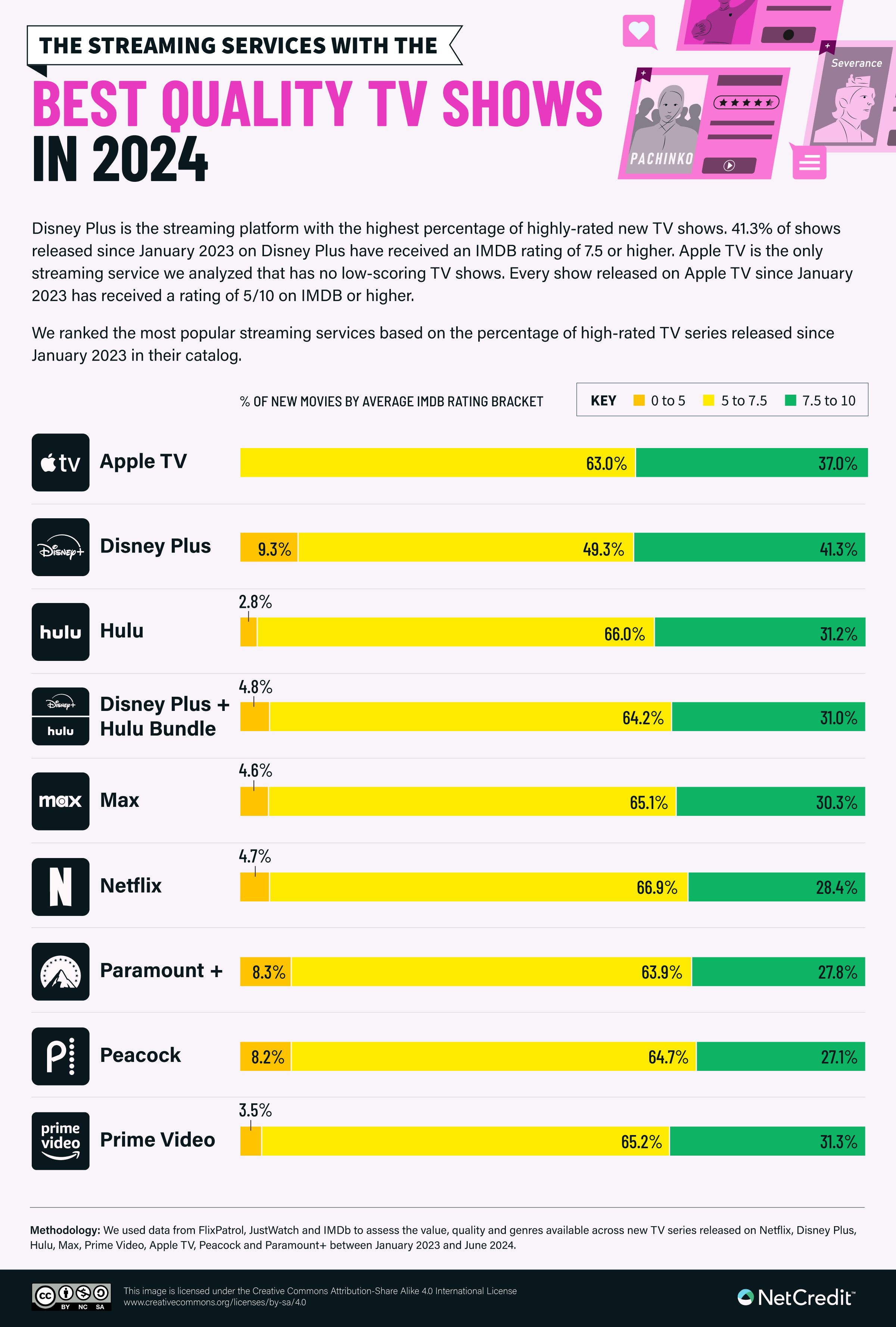
The Architecture of Modern Streaming: Why Technology Dictates Choice
To understand the current hierarchy of streaming services, one must first understand the backend technology that powers them. Streaming is not merely “playing a video over the internet.” It is a complex orchestration of Content Delivery Networks (CDNs), adaptive bitrate streaming, and sophisticated encoding formats.
The Shift from Hardware to Software
In the traditional cable era, the user experience was dictated by the proprietary set-top box provided by a service provider. Today, the “box” has been replaced by the “app.” This shift has placed a massive burden on developers to ensure that their software remains performant across thousands of different device configurations. The best streaming services are those that maintain a lightweight, responsive footprint while delivering high-fidelity audio and video.
Adaptive Bitrate Streaming and Latency
One of the most critical technical hurdles in streaming is latency, particularly for live broadcasts. Top-tier services utilize advanced adaptive bitrate protocols. This technology monitors a user’s bandwidth in real-time, instantly adjusting the video quality to prevent buffering. While Netflix pioneered this in the on-demand space, services like YouTube TV have set new benchmarks for live-linear streaming, reducing the delay between the live event and the viewer’s screen to mere seconds—a feat of engineering that was previously impossible over standard internet protocols.
On-Demand Leaders: Performance, Algorithms, and User Experience
When evaluating on-demand services, the conversation typically begins and ends with the “Big Three”: Netflix, Disney+, and Max (formerly HBO Max). Each of these platforms excels in different technical arenas, catering to diverse user needs.
Netflix: The Benchmark for Recommendation Engines
Netflix remains the gold standard for streaming technology. Their investment in their proprietary CDN, Open Connect, allows them to localize traffic and reduce network congestion. From a user perspective, Netflix’s greatest technical achievement is its recommendation algorithm. Utilizing deep learning and sophisticated data modeling, the platform doesn’t just suggest shows; it predicts user behavior with startling accuracy. Furthermore, Netflix’s UI is famously snappy, featuring seamless transitions and background video previews that rarely lag, even on lower-end hardware.
Disney+: Technical Optimization for High-Fidelity Media
Disney+ entered the market with a focus on high-end technical specifications. From its inception, the service integrated 4K UHD, Dolby Vision, and Dolby Atmos into its standard package without the tiered pricing often seen in competitors. For tech enthusiasts with high-end home theater setups, Disney+ offers some of the most consistent bitrates in the industry. Their “IMAX Enhanced” feature is a standout technical addition, providing a wider aspect ratio for Marvel and Star Wars films that utilizes more of the screen real estate on modern 16:9 televisions.
Max: Integrating High-Bitrate Quality with Deep Catalogs
Max has faced the technical challenge of merging two massive libraries (HBO and Discovery+). Post-merger, the platform has focused on improving its stability and search functionality. Technically, Max is praised for its high-bitrate 4K streams, which offer deeper blacks and more vibrant colors—essential for the cinematic quality of HBO’s original programming. Their app redesign focused on “discoverability,” using a more intuitive categorization system that leverages metadata to help users navigate thousands of hours of content.
Live TV Streaming: Solving the Latency and DVR Challenges

For those looking to “cut the cord” entirely, Live TV streaming services (often called vMVPDs) represent the pinnacle of current streaming technology. These services must balance the complexity of live broadcasting with the convenience of digital features like Cloud DVR.
YouTube TV: The Gold Standard for Modern Interface
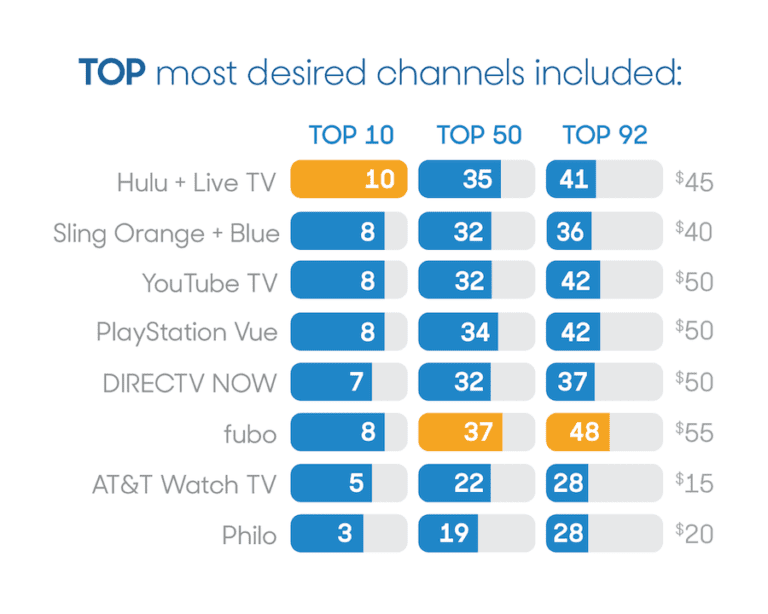
YouTube TV is widely considered the best overall live streaming service from a technical standpoint. Its interface is clean, fast, and leverages Google’s immense infrastructure to provide a lag-free experience. One of its standout features is the “Key Plays” and “View Stats” functionality, which uses AI to allow sports fans to catch up on highlights in real-time or view live player statistics without leaving the stream. Furthermore, its Cloud DVR is unmatched, offering unlimited storage with virtually no processing delay after a program ends.
Hulu + Live TV: Consolidation and Technical Versatility
Hulu + Live TV takes a different approach by consolidating its massive on-demand library with live channels into a single interface. While the UI can occasionally feel cluttered compared to YouTube TV, its technical strength lies in its integration within the broader Disney ecosystem. The ability to switch between a live broadcast and an on-demand series within the same app architecture provides a seamless user journey.
Fubo: The Tech Choice for Sports Enthusiasts
Fubo focuses heavily on the technical needs of sports fans. It was one of the first services to offer consistent 4K streaming for live sporting events. Additionally, Fubo offers a unique “Multiview” feature on platforms like Apple TV, allowing users to watch up to four live games simultaneously on one screen. This requires significant processing power and bandwidth management, showcasing Fubo’s commitment to high-end performance for power users.
Technical Benchmarks: Quality, Compatibility, and Connectivity
To truly determine the best service, we must look at the technical benchmarks that impact daily use: resolution standards, device support, and data efficiency.
Video Quality, Bitrates, and HDR Standards
Not all 4K is created equal. The quality of a stream is heavily dependent on the bitrate—the amount of data transferred per second. A service like Apple TV+ often leads the pack here, offering bitrates that rival physical media, resulting in fewer compression artifacts in dark scenes. When choosing a service, users must also look for HDR (High Dynamic Range) support. Dolby Vision and HDR10+ are the current leaders, and the best services support these formats to ensure the hardware is being used to its full potential.
Cross-Platform Performance and App Stability
A service is only as good as the device it runs on. The best providers invest heavily in multi-platform development. This means the app should feel identical whether you are using a Roku, an Amazon Fire Stick, a PlayStation 5, or a web browser. Stability is the silent hero of streaming; the best services are those that do not crash during peak hours (such as during a season finale or a major sporting event) and maintain a consistent frame rate across all devices.
Connectivity and Bandwidth Management
As 5G and fiber optics become more prevalent, streaming services are evolving to handle higher data loads. However, the best services also include “Data Saver” modes for mobile users. The technical ability to provide a high-quality 1080p stream while consuming minimal data is a feat of modern encoding (such as using the AV1 codec). Services that prioritize this level of efficiency demonstrate a superior understanding of the global tech landscape.
The Role of Artificial Intelligence and Future Innovations in Streaming
The future of the best streaming service will likely be determined by how well it integrates Artificial Intelligence (AI). We are already seeing the beginnings of this with AI-driven upscaling, where a service can take a 1080p source and use machine learning to make it look like native 4K on the fly.
Furthermore, hyper-personalization is the next frontier. Future services will likely use AI to not only suggest what to watch but to dynamically edit trailers or previews based on a user’s past interests. For example, if a user prefers action, the preview for a drama might highlight the most intense sequences.
The integration of augmented reality (AR) and virtual reality (VR) is also on the horizon. Platforms like Disney+ are already experimenting with immersive environments on hardware like the Apple Vision Pro, allowing users to watch content in a virtual theater or a themed environment (like the deck of a Star Wars starship). The “best” service will be the one that most successfully bridges the gap between traditional video and these emerging immersive technologies.
Ultimately, the best streaming TV service is a moving target. It is the one that consistently pushes the boundaries of what is possible with software and internet infrastructure. While Netflix currently leads in algorithmic curation and YouTube TV leads in live-interface design, the rapid pace of technological innovation ensures that the crown is always up for grabs. For the consumer, the winner is the service that delivers the most stable, highest-quality, and most intuitive experience on the devices they already own.
aViewFromTheCave is a participant in the Amazon Services LLC Associates Program, an affiliate advertising program designed to provide a means for sites to earn advertising fees by advertising and linking to Amazon.com. Amazon, the Amazon logo, AmazonSupply, and the AmazonSupply logo are trademarks of Amazon.com, Inc. or its affiliates. As an Amazon Associate we earn affiliate commissions from qualifying purchases.