
The quest for the “best” credit card is a common one, yet the answer is rarely universal. In personal finance, “best” is almost always synonymous with “best for you.” A credit card that perfectly suits one individual’s spending habits, financial goals, and credit profile might be a poor choice for another. This comprehensive guide will dissect the factors that define a credit card’s value, helping you navigate the myriad options to identify the ideal plastic companion for your wallet.
Credit cards, when used responsibly, are powerful financial tools. They can facilitate purchases, build credit history, offer rewards, and provide a safety net for emergencies. However, mismanagement can lead to debt, damaged credit, and financial stress. Understanding your relationship with money and your financial discipline is the first, crucial step in determining which credit card truly stands out as the best for your unique circumstances.
The Nuance of “Best”: Understanding Your Financial Profile
Before diving into the features and benefits of various cards, it’s imperative to conduct an honest self-assessment of your financial standing and habits. This foundational understanding will guide your selection process, ensuring you pick a card that complements your lifestyle rather than complicates it.
Defining Your Spending Habits
Are you a frequent flyer or a dedicated road-tripper? Do you cook at home often, or do you dine out regularly? Are most of your purchases online or in-store? Do you spend heavily in a particular category like groceries, gas, or entertainment? Your spending patterns are the most significant indicator of which rewards structure will yield the greatest benefit. For instance, a card offering 5% cash back on groceries will be far more valuable to someone who spends hundreds monthly at the supermarket than to someone who rarely buys groceries. Similarly, if international travel is a regular occurrence, a card with no foreign transaction fees and strong travel insurance benefits will be highly advantageous.
Assessing Your Credit Score
Your credit score is a critical gateway to premium credit card offers. Lenders use this three-digit number to gauge your creditworthiness. A higher score (generally 700+) opens doors to cards with the most lucrative rewards, lower interest rates, and generous sign-up bonuses. If your credit score is fair or poor, your options will be more limited, focusing primarily on cards designed to help rebuild credit, such as secured credit cards or those with less stringent requirements. Understanding where you stand on the credit spectrum (Excellent, Good, Fair, Poor) is essential to realistically evaluate your options.
Identifying Your Financial Goals
What do you hope to achieve with a credit card? Are you looking to earn rewards for travel or everyday cash back? Do you need to consolidate high-interest debt with a balance transfer? Are you trying to build or repair your credit history? Or perhaps you need a card with a 0% introductory APR for a large upcoming purchase? Your specific financial objectives will narrow down the field considerably. Without a clear goal, even the most feature-rich card might prove ineffective or, worse, a source of unnecessary fees and interest.
Common Credit Card Categories and Their Benefits
Credit cards are typically categorized by their primary benefit or target user. Understanding these broad categories can help you quickly identify which types align with your defined spending habits and financial goals.
Cash Back Credit Cards
These cards offer a percentage of your spending back as cash, typically as a statement credit, direct deposit, or gift card. They are straightforward and universally appealing. Some offer a flat rate (e.g., 1.5% on all purchases), while others provide accelerated rates in rotating bonus categories (e.g., 5% on gas and groceries for a quarter) or fixed bonus categories (e.g., 3% on dining year-round). Cash back cards are excellent for those who prefer simplicity and tangible savings on everyday spending.
Travel Rewards Credit Cards
Designed for globetrotters and frequent travelers, these cards allow you to earn points or miles that can be redeemed for flights, hotel stays, car rentals, or other travel-related expenses. Benefits often include generous sign-up bonuses, airport lounge access, free checked bags, travel insurance, and statement credits for travel-related purchases. The value of points can vary significantly, so understanding the redemption options and point valuations is key. Many premium travel cards come with an annual fee, but the perks can easily outweigh the cost for active travelers.
Balance Transfer Credit Cards
These cards are specifically designed for individuals looking to consolidate and pay down high-interest debt from other credit cards. They typically offer a 0% introductory APR for a fixed period (e.g., 12-21 months) on transferred balances. This interest-free window provides an opportunity to pay down the principal without the burden of accruing interest. Be aware of balance transfer fees, which are usually a small percentage of the transferred amount, and ensure you can pay off the balance before the promotional period ends.
0% APR Introductory Offer Cards
Similar to balance transfer cards but focused on new purchases, these cards offer a promotional period (e.g., 6-18 months) during which new purchases accrue no interest. This can be ideal for financing a large, planned expense that you intend to pay off within the introductory period, such as a new appliance or medical bill. It provides a financial cushion without incurring immediate interest charges, but remember that interest will kick in once the promotional period expires.
Secured Credit Cards (for building credit)
For those with little to no credit history, or those rebuilding damaged credit, secured credit cards are an excellent starting point. They require a cash deposit, which typically serves as your credit limit. This deposit minimizes risk for the issuer, making them more accessible. Used responsibly, with on-time payments, secured cards are reported to credit bureaus, helping you establish a positive credit history and eventually qualify for unsecured cards.
Business Credit Cards
If you own a small business or work as a freelancer, a business credit card can help separate personal and business expenses, streamline accounting, and potentially offer rewards tailored to business spending (e.g., office supplies, internet services, advertising). They often come with higher credit limits and business-specific perks. Eligibility usually requires an Employer Identification Number (EIN) or social security number and a good personal credit score.
Key Factors to Evaluate When Choosing a Card
Once you’ve identified the general category that suits your needs, it’s time to delve into the specifics. A detailed comparison of the following factors will help you pinpoint the best card within your chosen niche.
Annual Fees vs. Benefits
Many premium cards offer substantial benefits and rewards but come with an annual fee, ranging from tens to hundreds of dollars. Evaluate whether the value of the rewards, perks, and credits you realistically expect to utilize outweighs this fee. For instance, if a card offers an annual travel credit of $300 and airport lounge access you’d use frequently, a $450 annual fee might be justifiable. For simpler cards or those you don’t use heavily, a no-annual-fee option is usually preferable.
Interest Rates (APR)
The Annual Percentage Rate (APR) is the interest you’ll be charged if you carry a balance month-to-month. If you plan to pay your balance in full every month (which is the recommended approach to avoid interest charges and debt), the APR is less critical. However, if you anticipate carrying a balance, even occasionally, a lower APR becomes a significant factor. Balance transfer and 0% APR introductory cards are exceptions where the promotional APR is the key consideration.
Rewards Programs and Redemption Value
Beyond the percentage or points earned, understand how flexible and valuable the redemption options are. Are points worth more when redeemed for travel through the issuer’s portal versus cash back? Are there restrictions on redemptions? Some programs offer fixed value (e.g., 1 point = 1 cent), while others have dynamic valuations where strategic redemption can yield much higher value. Look for programs that align with how you actually want to use your rewards.
Sign-Up Bonuses
A lucrative sign-up bonus can provide a substantial jumpstart to your rewards balance. These typically require you to spend a certain amount within a specified timeframe (e.g., spend $3,000 in the first three months to earn 50,000 bonus points). While attractive, never spend more than you normally would just to chase a bonus. Ensure the spending requirement is manageable within your regular budget.
Foreign Transaction Fees
If you travel internationally or make purchases from foreign merchants online, foreign transaction fees can quickly add up. These are typically around 2-3% of the transaction amount. Many travel credit cards and some general cash back cards waive these fees, which can result in significant savings for frequent international spenders.
Additional Perks and Protections
Beyond rewards, many credit cards offer a suite of additional benefits. These can include extended warranty protection on purchases, purchase protection against damage or theft, rental car insurance, travel accident insurance, baggage delay insurance, roadside assistance, and even concierge services. While these aren’t always primary decision factors, they can add considerable value and peace of mind, especially on premium cards.
Strategic Credit Card Management for Optimal Benefits
Choosing the best credit card is only half the battle; managing it effectively is where the true financial benefit is realized. Responsible usage ensures you maximize rewards while avoiding debt and negative impacts on your credit score.
Paying Your Balance in Full and On Time
This is arguably the most critical rule of credit card management. Paying your statement balance in full every month ensures you avoid interest charges, making your rewards truly free. Paying on time also prevents late fees and negative marks on your credit report, which are detrimental to your credit score. Set up automatic payments to avoid missing due dates.
Utilizing Rewards Effectively
Don’t let your hard-earned rewards expire or go unused. Regularly check your rewards balance and understand the best ways to redeem them. Whether it’s booking a trip, getting a statement credit, or cashing out, proactive redemption ensures you benefit from the program you chose. Sometimes holding onto points for a high-value redemption is smart, but don’t let them sit idly for too long.
Monitoring Your Credit Score Regularly
Keep an eye on your credit score. Most credit card issuers provide free access to your FICO or VantageScore. Regularly checking your score helps you track your progress, identify any potential errors, and understand how your financial actions are impacting your creditworthiness. A strong credit score keeps your options open for better financial products in the future.
Avoiding Excessive Credit Card Applications
While tempting to chase multiple sign-up bonuses, applying for too many credit cards in a short period can negatively impact your credit score. Each application typically results in a hard inquiry on your credit report, which can temporarily lower your score. Strategically space out your applications and only apply for cards you genuinely need and can manage.
Conclusion: The Best Card is a Personal Fit
Ultimately, the “best credit card to have” is not a single product but rather the one that most precisely aligns with your personal financial habits, goals, and credit standing. There is no one-size-fits-all answer, and what works for a high-spending traveler with excellent credit will differ dramatically from what’s ideal for someone building credit from scratch.
Regular Review and Adaptation
Your financial life is not static, and neither should be your credit card strategy. As your income changes, your spending habits evolve, or your financial goals shift (e.g., from building credit to saving for a down payment), it’s wise to periodically review your credit card portfolio. You might find that a card that was once perfect no longer serves your needs, or that a new card has emerged that offers superior benefits for your current situation. Don’t hesitate to upgrade, downgrade, or even close cards strategically.
The Power of a Diversified Wallet
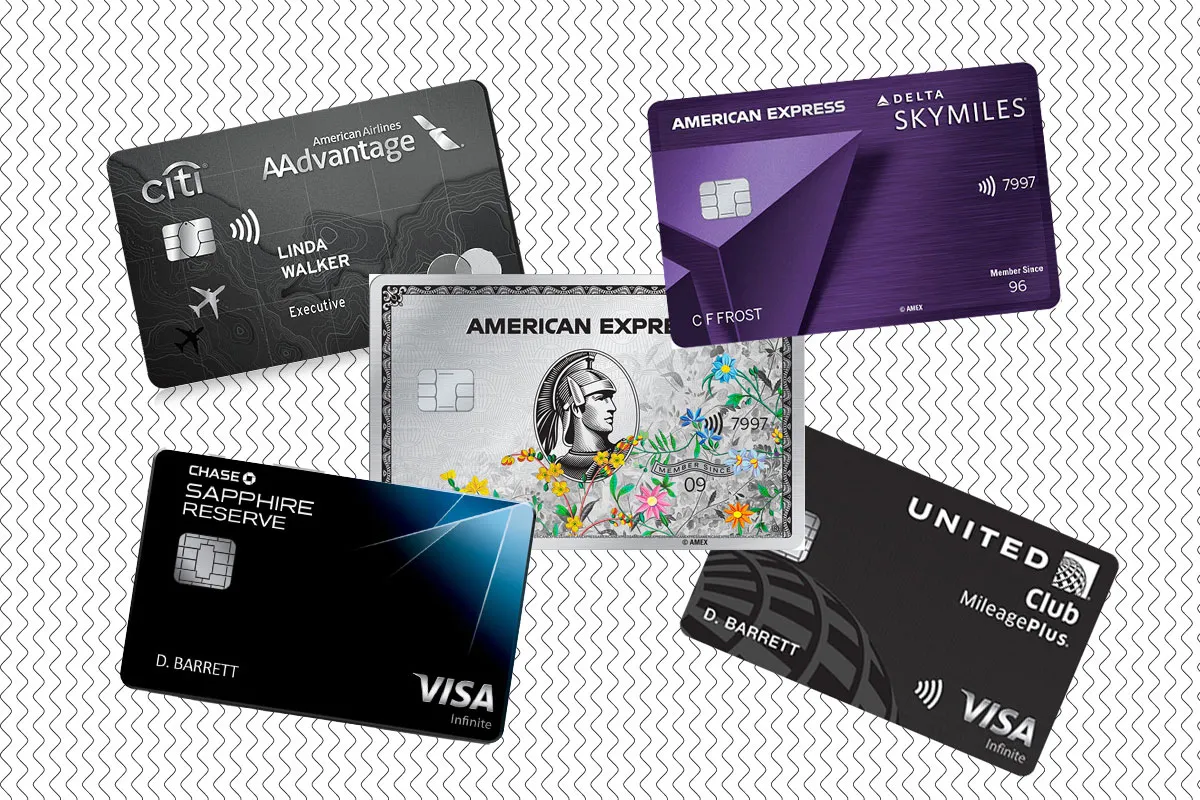
For many, the optimal solution isn’t a single “best” card but rather a combination of two or three cards, each serving a distinct purpose. For instance, you might have one card for everyday cash back, another for travel rewards when booking flights and hotels, and a third with 0% foreign transaction fees for international trips. This strategic diversification allows you to maximize rewards across different spending categories and leverage various benefits without overextending yourself.
By taking a thoughtful, disciplined approach to understanding your financial self and thoroughly evaluating the myriad options available, you can confidently answer the question “Which is the best credit card to have?” with an answer that is uniquely and powerfully “yours.”
aViewFromTheCave is a participant in the Amazon Services LLC Associates Program, an affiliate advertising program designed to provide a means for sites to earn advertising fees by advertising and linking to Amazon.com. Amazon, the Amazon logo, AmazonSupply, and the AmazonSupply logo are trademarks of Amazon.com, Inc. or its affiliates. As an Amazon Associate we earn affiliate commissions from qualifying purchases.