
The quest for the “best” in any financial product often leads to a complex maze of options, terms, and conditions. Car insurance is no exception. While popular comparison sites and advertisements promise to reveal the ultimate choice, the reality is that there’s no single “best car insurance” universally applicable to everyone. Instead, the optimal policy is one that meticulously aligns with your unique driving habits, financial circumstances, risk tolerance, and vehicle specifics. It’s about finding your best fit – a balance of comprehensive coverage, competitive pricing, and reliable customer service that provides genuine peace of mind and robust financial protection.
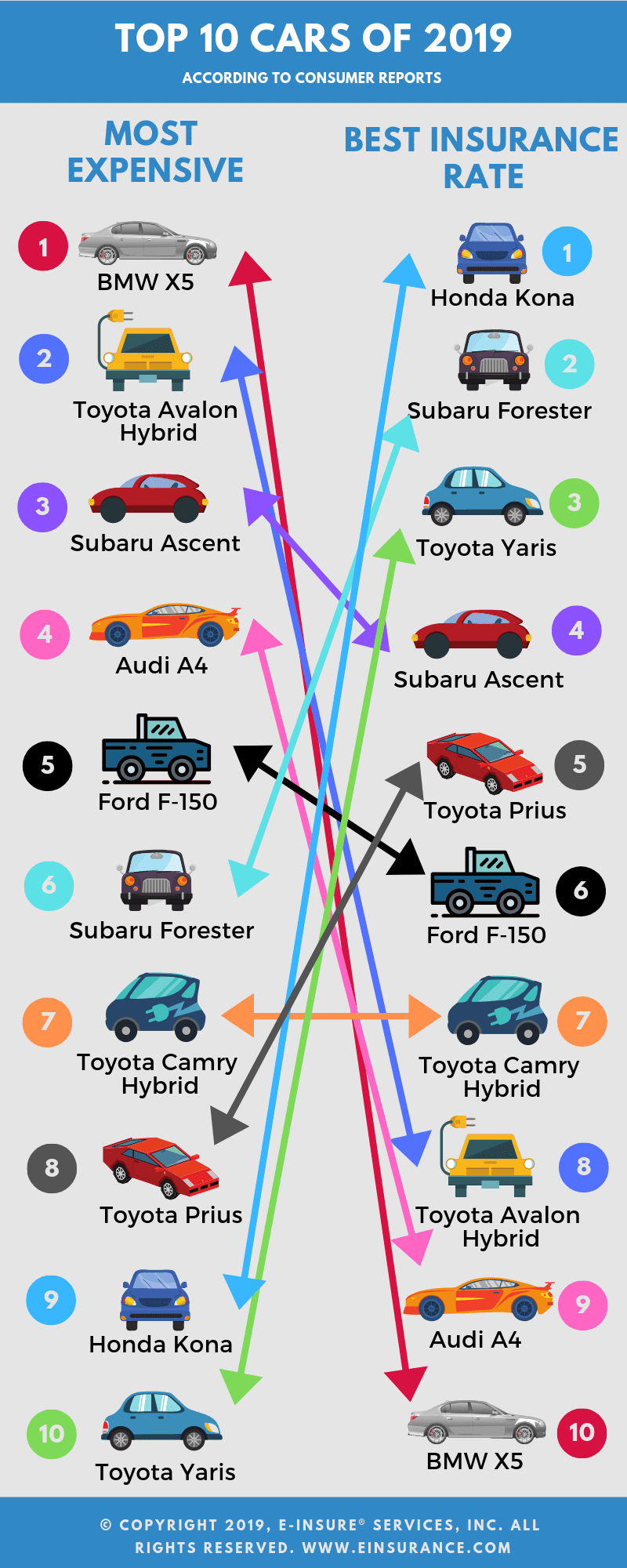
This article delves into the intricate world of car insurance, guiding you through the essential components, the myriad factors that influence pricing, and strategic approaches to securing a policy that offers both superior value and essential protection for your assets. From understanding basic coverage types to savvy money-saving tactics, we’ll equip you with the insights needed to make an informed decision in your personal finance journey.
Understanding the Core Components of Car Insurance
Before you can determine what constitutes “best,” it’s crucial to grasp the fundamental building blocks of an auto insurance policy. Far more than just a legal requirement, car insurance is a critical financial safeguard designed to protect you from the potentially devastating costs associated with accidents, theft, and other unforeseen events.
Key Coverage Types Explained
A standard car insurance policy is typically a bundle of various coverage types, each serving a distinct purpose. Understanding these will help you identify what you truly need versus what might be superfluous for your situation.
-
Liability Coverage: This is the most fundamental and often legally mandated component. It protects you financially if you are at fault in an accident that causes injury to others or damage to their property.
-
Bodily Injury Liability: Covers medical expenses, lost wages, and pain and suffering for others injured in an accident you cause.
-
Property Damage Liability: Covers repairs or replacement of another person’s vehicle or property (like a fence or building) that you damage.
-
Why it’s crucial: This coverage protects your personal assets (savings, home) from lawsuits stemming from an at-fault accident. Opting for higher limits than the state minimum is often a wise financial decision, especially if you have significant assets to protect.
-
-
Collision Coverage: This pays for damage to your vehicle resulting from a collision with another car, an object (like a tree or pole), or even if you flip your car.
- Why it’s crucial: If you have a car loan or lease, this coverage is typically required by your lender. Even without one, it’s essential for protecting your investment in your vehicle, especially newer or more valuable cars.
-
Comprehensive Coverage: This protects your vehicle from non-collision-related incidents. This includes damage from fire, theft, vandalism, falling objects, natural disasters (hail, floods), and impacts with animals.
- Why it’s crucial: Like collision, it protects your vehicle’s value from a wide range of unpredictable events. Lenders also typically require this.
-
Uninsured/Underinsured Motorist (UM/UIM) Coverage: This is a vital but often overlooked protection. It covers your medical expenses and, in some states, damage to your vehicle if you’re involved in an accident with a driver who either has no insurance or insufficient insurance to cover your damages.
- Why it’s crucial: Despite legal requirements, many drivers are uninsured or minimally insured. UM/UIM acts as a critical safety net, preventing you from bearing the brunt of another driver’s negligence or lack of coverage.
-
Personal Injury Protection (PIP) / Medical Payments (MedPay): These cover medical expenses for you and your passengers, regardless of who is at fault for an accident. PIP can also cover lost wages and other non-medical expenses in “no-fault” states.
- Why it’s crucial: It ensures immediate medical attention for you and your loved ones without waiting for fault determination. Useful even if you have health insurance, as it can cover deductibles or provide broader accident-related benefits.
-
Optional Add-ons: Insurers offer various additional coverages for enhanced protection. These might include rental car reimbursement, roadside assistance, gap insurance (which covers the difference between your car’s actual cash value and the amount you still owe on your loan if it’s totaled), and new car replacement.
- Why they’re crucial: These add convenience and specialized financial protection, tailoring your policy precisely to your lifestyle and needs.
Deciphering Premiums, Deductibles, and Limits
Understanding these three interconnected terms is fundamental to comprehending your insurance costs and financial responsibilities.
-
Premiums: This is the amount of money you pay regularly (monthly, quarterly, or semi-annually) to your insurance company for coverage. It’s your ongoing investment in protection.
-
Deductibles: This is the amount of money you must pay out-of-pocket for a covered claim before your insurance company starts to pay. For example, if you have a $500 collision deductible and your car sustains $3,000 in damage, you pay the first $500, and your insurer pays the remaining $2,500. Deductibles typically apply to collision and comprehensive coverages.
- Relationship with Premium: Generally, choosing a higher deductible will lower your premium, as you’re taking on more financial risk. Conversely, a lower deductible means a higher premium.
-
Limits: These are the maximum amounts your insurance company will pay for a covered loss. Liability limits are often displayed as three numbers (e.g., 25/50/25), representing thousands of dollars:
-
$25,000 for bodily injury per person
-
$50,000 for bodily injury per accident
-
$25,000 for property damage per accident
-
Relationship with Premium: Higher limits provide more protection but result in higher premiums. Choosing limits that adequately protect your assets is a cornerstone of sound personal finance planning.
-
Factors Influencing Your Car Insurance Rates
Car insurance rates are notoriously variable, a reflection of the complex algorithms insurers use to assess risk. Your premium isn’t just a random number; it’s a meticulously calculated figure based on a multitude of individual and external factors. Understanding these can empower you to potentially lower your costs.
Personal Demographics and Driving History
Your personal profile and past behavior behind the wheel play a significant role in your rates.
-
Age and Gender: Younger, less experienced drivers (especially males under 25) typically face higher premiums due to statistical risk factors. As drivers mature and gain experience, rates tend to decrease, assuming a clean record.
-
Driving Record: This is arguably the most impactful factor. A history of accidents (especially at-fault), moving violations (speeding tickets, DUIs), or license suspensions will significantly increase your premiums. Insurers view these as indicators of future risk.
-
Credit Score: In most states, your credit-based insurance score (a distinct score derived from your credit report) is a major rating factor. Individuals with higher credit scores are statistically less likely to file claims, leading to lower premiums.
-
Location: Where you live and primarily park your car influences rates due to varying factors like population density, accident rates, theft rates, weather patterns, and local repair costs. Urban areas generally have higher rates than rural ones.
-
Marital Status: Married individuals often receive slightly lower rates, as statistics suggest they are less likely to be involved in accidents.
-
Occupation: Some professions are deemed lower risk by insurers, potentially qualifying for discounts.
Vehicle Specifics
The car you drive, its features, and how you use it directly impact the cost of insuring it.
-
Make, Model, and Year: More expensive cars, luxury vehicles, sports cars, and those with high repair costs or a high theft rate will cost more to insure. Conversely, safer, moderately priced sedans often have lower premiums.
-
Safety Features: Cars equipped with advanced safety features (e.g., anti-lock brakes, airbags, adaptive cruise control, lane departure warning systems) may qualify for discounts, as they reduce the likelihood or severity of accidents.
-
Anti-Theft Devices: Alarms, immobilizers, and GPS tracking systems can lead to discounts on comprehensive coverage.
-
Annual Mileage: The more you drive, the higher your risk of being in an accident. Low-mileage drivers may qualify for discounts or usage-based insurance programs.
-
Garaging Location: Parking your car in a secure garage rather than on the street can sometimes reduce comprehensive rates.
Policy Choices and Discounts
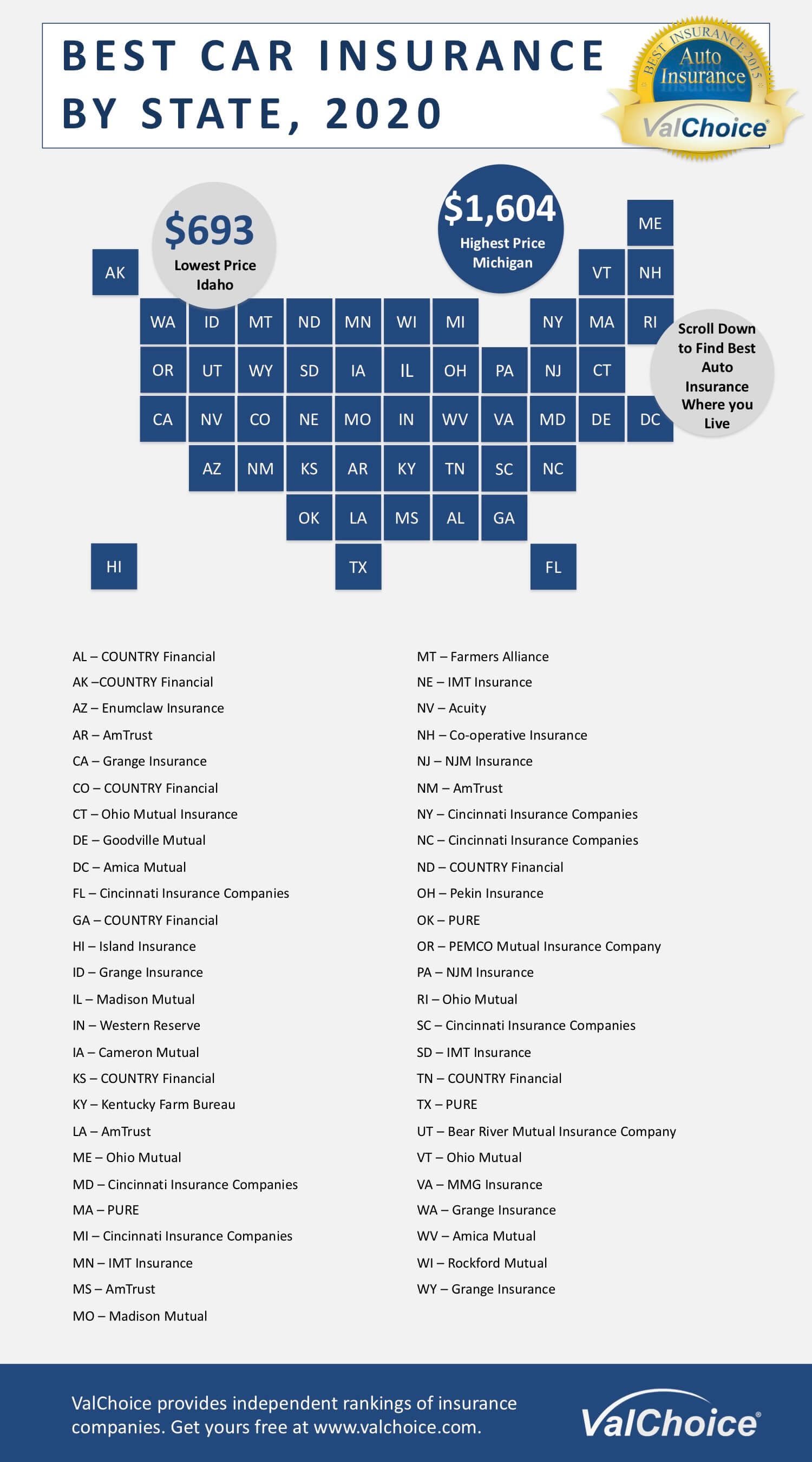
The decisions you make when configuring your policy can also profoundly affect your final premium.
-
Coverage Levels: Choosing higher liability limits and opting for collision and comprehensive coverage will increase your premium, but also enhance your financial protection.
-
Deductible Amounts: As discussed, a higher deductible translates to a lower premium.
-
Available Discounts: Insurers offer a plethora of discounts that can significantly reduce your costs. These include:
-
Multi-Policy/Bundling Discount: Combining auto insurance with home, renters, or life insurance from the same provider.
-
Good Student Discount: For young drivers maintaining a certain GPA.
-
Safe Driver/Accident-Free Discount: For drivers with a clean record over several years.
-
Defensive Driving Course Discount: Completing an approved safety course.
-
Anti-Theft Device Discount: For cars equipped with security features.
-
Low Mileage Discount: For those who drive less than a certain threshold annually.
-
Paid-in-Full Discount: Paying your premium upfront instead of in installments.
-
Automatic Payment/Paperless Billing Discount: Enrolling in these convenient options.
-
Professional Affiliation/Group Discounts: For members of certain professions or organizations.
-
Strategies for Finding Your “Best” Car Insurance
Finding your ideal car insurance policy is an active process that requires thoughtful self-assessment and diligent research. It’s not about passively accepting the first quote; it’s about strategically navigating the market to secure optimal value.
Assess Your Individual Needs and Risk Profile
Before even looking at quotes, take stock of your personal situation. This foundational step ensures you’re shopping for the right kind of coverage.
-
What assets do you need to protect? If you own a home, have substantial savings, or other valuable assets, you’ll want higher liability limits to shield yourself from potential lawsuits exceeding state minimums.
-
What is your vehicle’s value? For older cars with low market value, the cost of collision and comprehensive coverage might outweigh the potential payout after a deductible. For newer, more expensive vehicles, these coverages are almost always essential.
-
How much can you afford for a deductible? Be honest about your emergency fund. A higher deductible saves on premiums but means a larger out-of-pocket expense if you file a claim. Choose a deductible you can comfortably afford without financial strain.
-
What’s your daily driving environment and frequency? Commuting in heavy traffic or driving frequently increases risk, warranting a closer look at comprehensive protection. Low-mileage drivers might benefit from usage-based insurance.
-
Do you have other forms of medical coverage? If you have robust health insurance, you might opt for lower PIP/MedPay limits, but always ensure there are no gaps in coverage for accident-related expenses.
Embrace Comparison Shopping
This is perhaps the single most effective strategy for finding competitive rates and the “best” policy. Never settle for the first quote you receive, even if it’s from a familiar brand.
-
Get quotes from multiple insurers: Don’t limit yourself to national giants. Explore regional insurers, direct-to-consumer companies, and work with independent insurance agents who can compare rates from several carriers on your behalf.
-
Utilize online comparison tools: Many websites allow you to enter your information once and receive multiple quotes simultaneously. While convenient, always double-check the coverage details, as not all tools are perfectly comprehensive or up-to-date.
-
Read reviews and check financial strength ratings: Price isn’t everything. A cheap policy is worthless if the company doesn’t pay claims fairly or promptly. Check ratings from independent agencies like J.D. Power for customer satisfaction and A.M. Best for financial stability.
-
Standardize your comparison: When getting quotes, ensure you’re comparing policies with the same coverage limits, deductibles, and endorsements. Apples-to-apples comparison is key.
Optimize Your Policy for Value, Not Just Price
While saving money is important, the true “best” policy offers excellent value – a robust balance of protection and affordability.
-
Don’t just go for the cheapest option: A policy with bare-bones coverage might save you a few dollars monthly but could leave you financially exposed after a serious accident, costing you far more in the long run.
-
Balance premium with deductible: If you have a solid emergency fund, consider a slightly higher deductible to lower your premium. Ensure any savings aren’t negated by an unaffordable out-of-pocket expense.
-
Leverage discounts effectively: Actively inquire about all potential discounts you qualify for. It’s surprising how many individuals overlook opportunities to save hundreds of dollars annually simply by asking.
-
Review your policy annually: Your life changes, and so do insurance rates. Vehicle value depreciates, your driving habits might evolve, and new discounts could become available. Periodically review your coverage and shop around again to ensure your policy remains optimal.
Beyond the Premium: What Makes an Insurer “Best”?
While cost is undeniably a primary concern, the “best” car insurance experience extends far beyond the monthly premium. The true value of an insurance policy often comes to light during a claim – a moment of stress and potential financial vulnerability.
Customer Service and Claims Handling
A cheap policy is a false economy if the company is unresponsive, difficult to deal with, or slow to process claims when you need them most.
-
Ease of Filing Claims: Does the insurer offer multiple convenient ways to file a claim (online, app, phone)? Is the process clear and straightforward?
-
Responsiveness and Transparency: How quickly do they respond to inquiries? Are they transparent about the claims process, timelines, and expected outcomes?
-
Reputation for Fairness: Research reviews and consumer complaint data. A company with a history of denying legitimate claims or undervaluing payouts should be avoided, regardless of price.
-
Digital Tools and App Functionality: In today’s digital age, user-friendly mobile apps for managing policies, making payments, and filing claims can significantly enhance the customer experience.
Financial Stability and Reliability
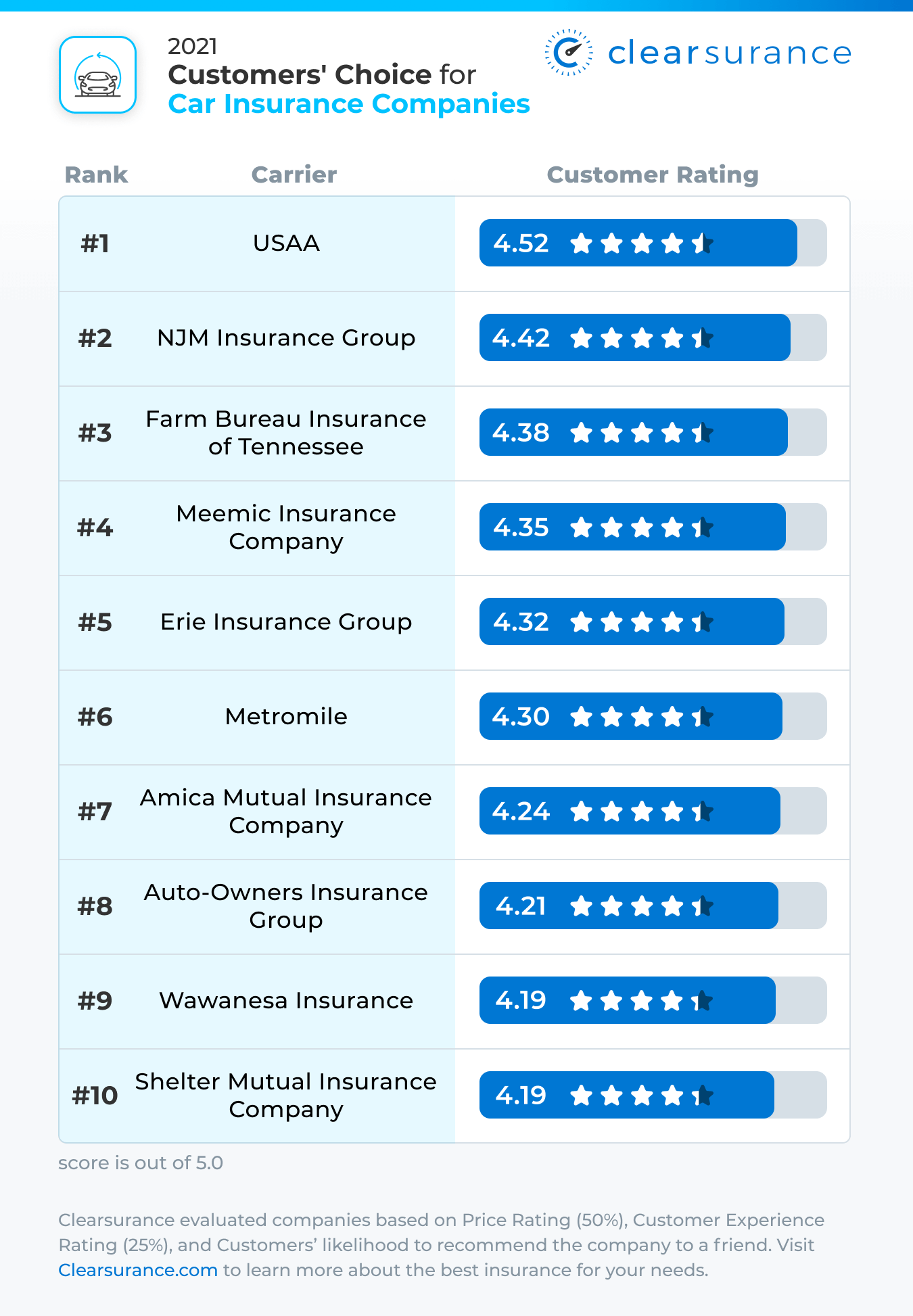
An insurance company’s primary responsibility is to pay out claims. You need assurance that your chosen insurer has the financial strength to fulfill its obligations, especially in the event of a large or complex claim.
-
Checking Ratings from Independent Agencies: Organizations like A.M. Best, Standard & Poor’s, and Moody’s assess the financial strength of insurance companies. Look for companies with high ratings (e.g., A+ from A.M. Best) to ensure their solvency.
-
Longevity and Market Presence: While not a definitive measure, a long-standing company with a significant market share often implies stability and a track record of reliability.
Flexibility and Customization
Your life isn’t static, and neither should your insurance policy be. The ability to adapt your coverage as circumstances change is a hallmark of a truly “best” insurer.
-
Ability to Adjust Coverage: Can you easily modify your limits, add or remove coverages, or update vehicle information without excessive hassle?
-
Variety of Add-ons and Specialized Policies: Does the insurer offer a range of endorsements and specialized policies (e.g., for classic cars, rideshare drivers) that can cater to unique needs?
-
Customer-Centric Offerings: Some insurers offer unique perks like accident forgiveness, diminishing deductibles, or telematics programs that reward safe driving, adding extra value beyond basic coverage.
In conclusion, “which is the best car insurance?” isn’t a question with a singular, universal answer. It’s a dynamic, deeply personal inquiry that demands careful consideration of your individual financial situation, risk exposure, and expectations for service. By understanding the core components of a policy, recognizing the factors that influence your rates, strategically comparing options, and prioritizing value beyond just the premium, you empower yourself to select a car insurance policy that truly serves your needs. Your “best” car insurance policy is ultimately a robust financial tool that provides comprehensive protection, exceptional service, and most importantly, invaluable peace of mind on the road.
aViewFromTheCave is a participant in the Amazon Services LLC Associates Program, an affiliate advertising program designed to provide a means for sites to earn advertising fees by advertising and linking to Amazon.com. Amazon, the Amazon logo, AmazonSupply, and the AmazonSupply logo are trademarks of Amazon.com, Inc. or its affiliates. As an Amazon Associate we earn affiliate commissions from qualifying purchases.