
In an increasingly digital world, the physical check might seem like a relic, yet it remains a foundational instrument in both personal and business finance. Far from being obsolete, checks serve as tangible representations of your banking details, providing essential information for a myriad of financial transactions, from setting up direct deposits to paying bills. At the heart of every check lie two critical sequences of digits: the routing number and the account number. These numbers are the bedrock upon which modern financial systems operate, ensuring that money moves accurately and securely between institutions and individuals.

For anyone navigating the landscape of personal finance, managing a small business, or simply needing to understand how their money moves, knowing precisely where to find and how to use these identifiers is paramount. This comprehensive guide will demystify the anatomy of a check, clarifying the location and purpose of your routing and account numbers, and exploring their vital roles in today’s financial ecosystem. We’ll delve into the practical applications of these numbers, discuss best practices for safeguarding your financial information, and address common questions to empower you with a deeper understanding of your financial tools.
Deconstructing the Check: Locating Your Key Financial Identifiers
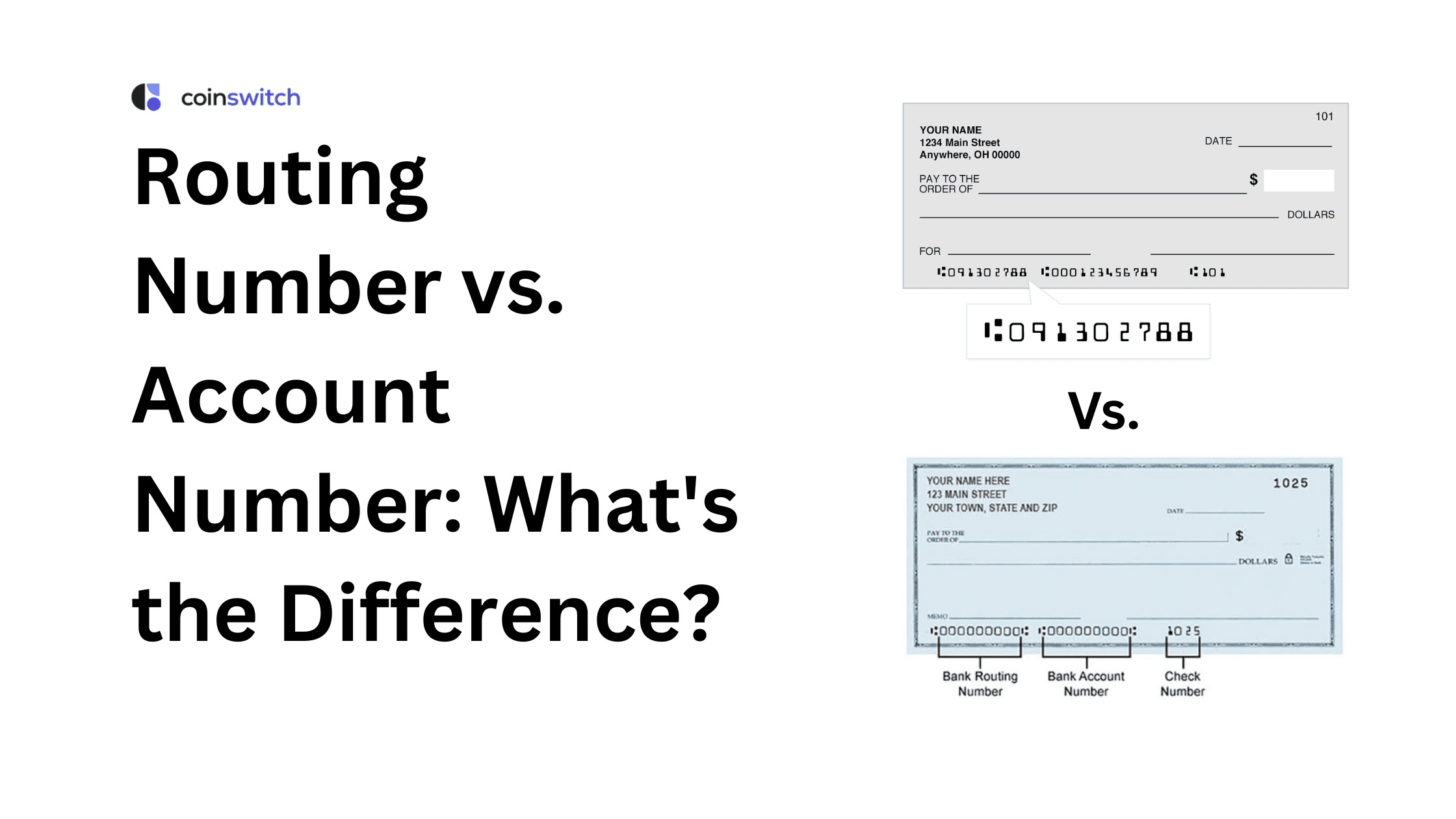
Every check is meticulously designed to convey crucial banking information in a standardized format, primarily along its bottom edge. This strip of numbers, printed with magnetic ink character recognition (MICR) technology, is designed for automated processing by banks, ensuring speed and accuracy. Understanding which sequence represents what is the first step to financial literacy when dealing with checks.
The Routing Number: Your Bank’s Unique Address
The routing number, also known as an ABA (American Bankers Association) routing transit number, is a nine-digit code that identifies the specific financial institution associated with the check. Think of it as your bank’s unique street address within the vast network of the financial system. When you initiate a transaction, this number directs funds to the correct bank, acting as the crucial first point of identification.
Location and Significance: You will almost always find the routing number as the first set of nine digits on the far left side of the MICR line at the bottom of your check. In some rare cases, particularly with credit union checks, it might appear in the middle. The routing number is essential for:
- Direct Deposits: Employers and government agencies use this to send your paycheck or benefits directly to your bank.
- Automated Clearing House (ACH) Transactions: This includes electronic bill payments, direct debits, and peer-to-peer transfers.
- Wire Transfers: While often requiring additional information, the routing number is a key component for interbank transfers.
- Tax Refunds: The IRS uses this number to deposit your tax refund electronically.
It’s important to note that a single bank can have multiple routing numbers, often tied to different geographic regions or specific types of transactions (e.g., one for ACH, another for wire transfers). When in doubt, always confirm the correct routing number directly with your bank for the specific transaction you intend to make. Many banks list their routing numbers on their official websites or within their online banking platforms.
The Account Number: Your Personal Identifier
Following the routing number, or sometimes appearing in the middle before the check number, is your bank account number. This sequence of digits is unique to your specific bank account at that financial institution. While routing numbers identify the bank, the account number identifies your specific deposit account within that bank.
Location and Significance: The account number can vary in length, typically ranging from 10 to 12 digits, though it can be shorter or longer depending on the bank. It is the core identifier for your individual funds. You’ll find it positioned directly after the routing number, or sometimes between the routing number and the check number. This number is critical for:
- Depositing Funds: Anyone depositing money into your account will need this number.
- Setting Up Bill Pay: When you authorize a vendor or utility company to debit your account, they’ll require your account number.
- Linking External Accounts: For services like budgeting apps or external transfer platforms, your account number is necessary to connect and manage your finances.
- Dispute Resolution: In case of errors or unauthorized transactions, your account number helps the bank trace and rectify issues.
Given its unique nature and direct link to your funds, the account number is highly sensitive information that must be protected diligently.
The Check Number: Tracking Your Transactions
The third set of numbers on the MICR line is the check number. This is a sequential identifier that helps you and your bank track individual checks. It’s usually found in two places: in the top right corner of the check and as the last set of digits on the MICR line at the bottom.
Location and Significance: The check number helps you reconcile your bank statements and maintain accurate financial records. It’s particularly useful for:
- Record Keeping: When writing a check, you typically log the check number, payee, and amount in your check register.
- Fraud Detection: If a check goes missing or an unauthorized transaction occurs, the check number can help identify which specific check was compromised.
- Stopping Payments: If you need to cancel a check you’ve written, your bank will often ask for the check number.
While important for tracking, the check number is not used to route or identify accounts in the same way routing and account numbers are.
Why These Numbers Matter: Essential Applications in Modern Finance
Beyond simply identifying parts of a check, routing and account numbers are indispensable tools in the daily operation of personal and business finance. Their proper use facilitates secure and efficient money movement, underpinning a vast array of financial services.
Setting Up Direct Deposits and Automated Payments
One of the most common and beneficial uses of routing and account numbers is for setting up direct deposits. Whether it’s your paycheck, government benefits, or tax refunds, direct deposit ensures your funds are immediately and securely transferred into your bank account, bypassing the need for physical checks and trips to the bank. Similarly, these numbers are crucial for automating bill payments, allowing you to schedule recurring deductions for utilities, loans, or subscriptions, thereby simplifying budgeting and avoiding late fees. The accuracy of these numbers is paramount; a single incorrect digit can lead to delays, returned payments, or even funds being sent to the wrong account.
Facilitating Online Bill Pay and Transfers
In the digital age, online banking has become the norm. When you pay bills through your bank’s online platform, or set up transfers between your own accounts or to others, your bank leverages these underlying numbers. While you might not manually input them every time once accounts are linked, these identifiers are working behind the scenes. They enable the Automated Clearing House (ACH) network, a highly efficient electronic funds transfer system, to process billions of transactions safely and quickly each year. Understanding this process empowers you to confidently manage your money digitally, making transfers, paying friends, or contributing to various investment accounts with ease.
Understanding Wire Transfers and ACH Transactions
While both ACH transactions and wire transfers involve electronic movement of funds, they differ significantly in speed, cost, and typical use cases. Routing and account numbers are central to both.
- ACH (Automated Clearing House): This is the network that handles direct deposits, automated bill payments, and most online peer-to-peer payments. It’s generally slower (1-3 business days) but much cheaper or free.
- Wire Transfers: These are typically faster, often processed within hours, and are usually reserved for large, time-sensitive, or international transfers. They are also more expensive due to the real-time, direct bank-to-bank nature.
For both types, providing the correct routing and account numbers is non-negotiable. Mistakes can be costly and difficult to reverse, especially with wire transfers.
Importance for Business Operations (Payroll, Vendor Payments)
For businesses, the significance of routing and account numbers is amplified. They are integral to managing cash flow, paying employees, and settling accounts with vendors.
- Payroll: Businesses use these numbers to set up direct deposit for employee salaries, streamlining payroll processing and reducing administrative burdens.
- Vendor Payments: Many businesses use ACH payments to pay suppliers and service providers, making transactions more efficient and traceable.
- Receiving Payments: Conversely, businesses provide their routing and account numbers to clients who wish to pay them directly via ACH, speeding up revenue collection.
Accurate handling of these numbers is critical for maintaining robust financial operations and avoiding disruptions to business continuity.
Safeguarding Your Financial Information: Best Practices for Security
Because routing and account numbers provide direct access to your funds, protecting them is as important as protecting your wallet or credit cards. Financial fraud is a persistent threat, and vigilance is your best defense.
Recognizing and Preventing Fraud
Fraudsters constantly devise new schemes to gain access to your financial information. Be wary of unsolicited requests for your banking details via email, phone calls, or suspicious websites. Phishing scams often mimic legitimate institutions, attempting to trick you into revealing sensitive data. Always verify the authenticity of any request for your routing and account numbers by contacting your bank directly through official channels (e.g., the number on the back of your debit card or your bank’s official website). Never click on suspicious links or provide information in response to unverified communications. Remember, legitimate banks rarely ask for your full account number or PIN via email or unsolicited calls.
Secure Handling of Checks and Bank Statements
Physical checks and bank statements should be treated with the same care as cash.
- Secure Storage: Store unused checks in a locked drawer or safe place.
- Shredding: Before discarding old checks or bank statements, shred them to prevent dumpster divers from accessing your information.
- Check Verification: When writing checks, ensure the payee’s name and amount are correct before signing.
- Limited Sharing: Only share your check with trusted individuals or entities for legitimate transactions. Be cautious about giving out blank checks or photos of checks.
Lost or stolen checks can be used to drain your account, so reporting such incidents to your bank immediately is crucial.
Digital Security Measures for Online Banking
For those who rely heavily on online banking, digital security is paramount.
- Strong Passwords: Use complex, unique passwords for your online banking accounts and enable two-factor authentication (2FA) whenever possible.
- Secure Networks: Only access your banking accounts on secure, private Wi-Fi networks. Avoid conducting financial transactions on public Wi-Fi.
- Monitor Accounts: Regularly review your bank statements and transaction history for any unauthorized activity. Set up alerts for large transactions or unusual activity.
- Software Updates: Keep your operating system, web browser, and antivirus software up to date to protect against the latest cyber threats.
By adopting these habits, you significantly reduce your risk of becoming a victim of financial fraud, maintaining control over your hard-earned money.
Common Misconceptions and Troubleshooting
Despite their widespread use, routing and account numbers often lead to questions and sometimes confusion. Addressing common scenarios can help you navigate financial transactions more smoothly.
What if I Don’t Have a Checkbook?
In an increasingly cashless and paperless society, many individuals may not have a traditional checkbook. This doesn’t mean you can’t access your routing and account numbers.
- Online Banking Portal: Most banks prominently display your routing and account numbers within your online banking account details. Look for sections like “Account Summary,” “Account Information,” or “Direct Deposit Information.”
- Bank Statements: Your monthly bank statement will always list your account number and typically the routing number for your bank.
- Contact Your Bank: If you’re unable to find the numbers online or on a statement, a quick call to your bank’s customer service line or a visit to a local branch will provide you with the information you need.
- Direct Deposit Forms: Some banks offer pre-filled direct deposit forms directly through their online portal, which contain all necessary details.
Differentiating Between Debit Card Numbers and Account Numbers
A common point of confusion is mistaking a debit card number for a bank account number. They are distinctly different.
- Debit Card Number: This is a 16-digit number printed on the front of your debit card, linked to your card network (e.g., Visa, Mastercard). It’s used for point-of-sale transactions and online purchases where you use the card itself. It does not give direct access to your bank account via ACH or wire transfers.
- Account Number: As discussed, this is the unique identifier for your bank account. It’s found on checks, bank statements, and online banking portals, and is used for direct deposits, electronic payments, and transfers directly to and from your bank account.
Never provide your debit card PIN or the full security code (CVV) on the back of your card unless you are making an authorized purchase with your card. For direct deposits or bank transfers, only your routing and account numbers are required.
When to Contact Your Bank
While this guide provides general information, there are specific situations where contacting your bank directly is the best course of action:
- Uncertainty: If you are unsure about which routing number to use for a specific transaction (e.g., wire transfer vs. ACH), always confirm with your bank.
- Suspected Fraud: If you notice any unauthorized transactions or suspect your account information has been compromised, contact your bank immediately.
- Lost or Stolen Checks: Report missing checks promptly to prevent fraudulent use.
- Troubleshooting Issues: If a direct deposit hasn’t arrived, an automated payment failed, or you encounter any other financial transaction issues, your bank’s customer service can provide specific guidance and assistance.
Your bank is your primary resource for all account-specific inquiries and security concerns.

Conclusion
The humble check, with its seemingly simple array of numbers, holds the key to navigating a significant portion of our financial lives. The routing number, the bank’s address, and the account number, your personal identifier, are not merely digits but fundamental components that enable the secure and efficient movement of money in both personal and business contexts. From the convenience of direct deposits and automated bill payments to the critical operations of business payrolls, these identifiers are indispensable.
By understanding where to locate these numbers, recognizing their distinct purposes, and adopting rigorous security practices, you empower yourself to manage your finances with confidence and precision. In an era where financial transactions are increasingly digital, this foundational knowledge acts as a safeguard, protecting your assets and streamlining your financial interactions. Staying informed, vigilant, and proactive in securing your banking details is not just a recommendation; it’s an essential component of sound financial management in the modern world.
aViewFromTheCave is a participant in the Amazon Services LLC Associates Program, an affiliate advertising program designed to provide a means for sites to earn advertising fees by advertising and linking to Amazon.com. Amazon, the Amazon logo, AmazonSupply, and the AmazonSupply logo are trademarks of Amazon.com, Inc. or its affiliates. As an Amazon Associate we earn affiliate commissions from qualifying purchases.