
In the vibrant, competitive world of cruising, the question “Which cruise ship is the best?” is far more complex than a simple comparative chart of amenities or itineraries. It’s a profound inquiry into brand strategy, corporate identity, and the intricate art of consumer perception. In an industry where vessels are massive, investments monumental, and customer expectations sky-high, cruise lines meticulously sculpt their brands to carve out distinct niches and resonate with specific audiences. To truly understand “best,” we must peel back the layers of marketing and design to explore the foundational brand principles that define each maritime giant.
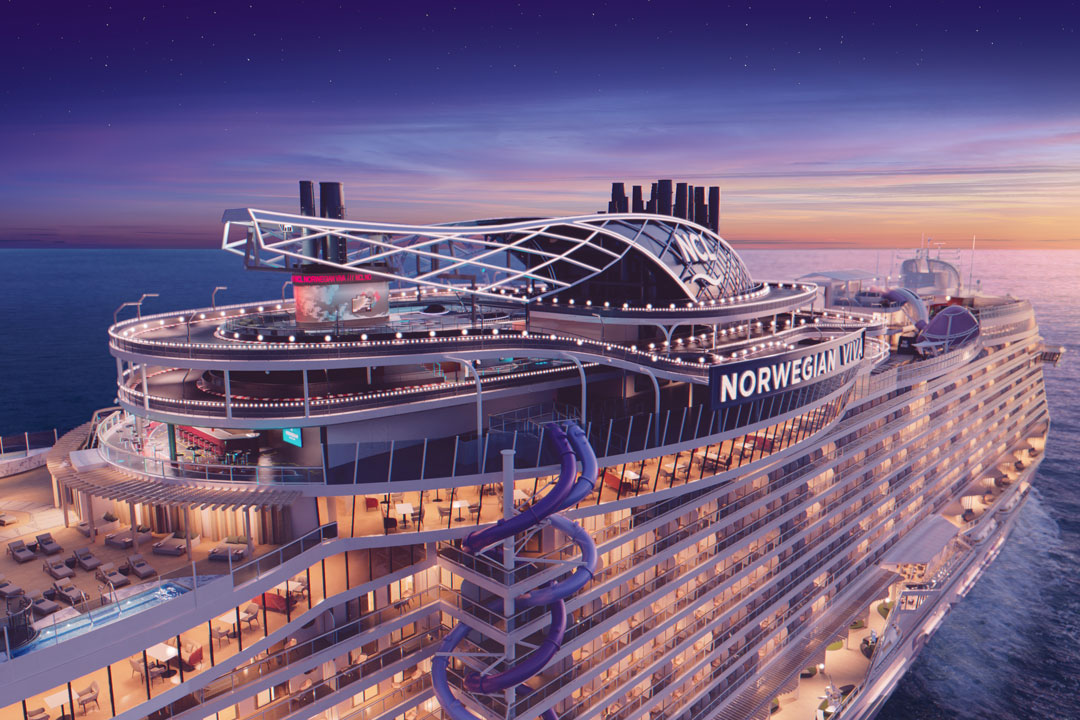
Understanding the Nuances of “Best”: It’s All About Brand Fit
The concept of “best” is inherently subjective, deeply rooted in individual desires, values, and expectations. For a brand, understanding this subjectivity is paramount. A cruise line doesn’t just sell a voyage; it sells an experience, a lifestyle, a dream – all meticulously packaged and communicated through its brand identity. Therefore, the “best” cruise ship isn’t a universal truth but rather the ship whose brand promise most perfectly aligns with the passenger’s ideal vacation.
Target Demographics and Brand Promises
Every successful cruise brand begins with a crystal-clear understanding of its target demographic. Are they catering to luxury connoisseurs seeking unparalleled indulgence and discreet service? Are they aiming for families with young children, prioritizing vibrant entertainment and kid-friendly facilities? Or perhaps adventurous millennials craving unique destinations and immersive cultural experiences? Each demographic demands a distinct brand promise, and the cruise line’s entire identity – from ship design to dining options, entertainment, and marketing — must deliver on that promise.
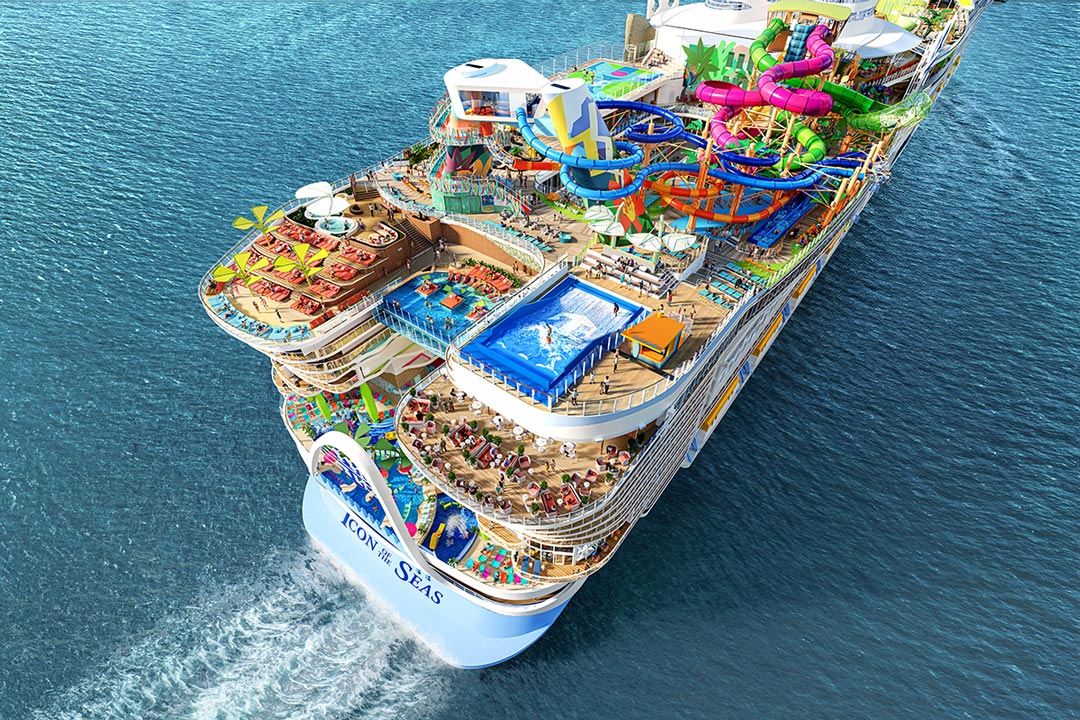
For instance, a brand like Royal Caribbean positions itself as the innovator and adventurer, promising “Wow” moments with record-breaking slides, surf simulators, and robotic bartenders. Their brand language is bold, energetic, and family-inclusive, appealing to those who seek high-octane fun and abundant activities. Conversely, Viking Cruises champions “the thinking person’s cruise,” focusing on destination enrichment, cultural immersion, and a more serene, adult-oriented experience. Their brand identity is refined, intellectual, and emphasizes quiet luxury, attracting a demographic interested in learning and discovery over boisterous entertainment. The “best” for an adventurous family would be vastly different from the “best” for an intellectually curious couple, purely based on their respective brand alignment.
Emotional Resonance and Perceived Value
Beyond tangible offerings, brand “bestness” is forged in emotional connections. A cruise line’s brand creates an emotional resonance that transcends the physical product. Does it evoke feelings of escapism, romance, excitement, or tranquility? This emotional connection drives loyalty and shapes perceived value. A premium brand might justify higher prices not just through superior amenities, but by successfully conveying an exclusive, aspirational lifestyle that money alone can’t buy.
Consider the perceived value of a Disney Cruise Line vacation. While often pricier than competitors, its brand capitalizes on nostalgia, magic, and unparalleled family entertainment. Parents are willing to pay a premium for the “Disney magic” and the promise of a stress-free, joy-filled family experience, understanding that the value extends beyond tangible services to priceless memories and emotional fulfillment. This emotional branding is a cornerstone of its “best” status for many families, illustrating how perceived value is inextricably linked to a brand’s ability to connect on an emotional level.
Deconstructing Cruise Line Brand Identities
The cruise industry is a masterclass in brand differentiation. Each major player, and even the niche operators, invests heavily in cultivating a distinct corporate identity that sets them apart in a crowded marketplace. This identity isn’t just a logo; it’s the sum total of their philosophy, aesthetic, service culture, and communication style.
Luxury Brands vs. Value Brands
At the extremes, the brand identities of luxury lines (e.g., Seabourn, Silversea, Regent Seven Seas) and value-oriented lines (e.g., Carnival, MSC Cruises) are starkly different. Luxury brands exude exclusivity, sophistication, and personalized service. Their ship designs often feature elegant, understated decor, spacious suites, and intimate venues. Their marketing emphasizes bespoke experiences, gourmet dining, and a higher staff-to-guest ratio, appealing to discerning travelers who prioritize refinement and privacy. The brand promise here is one of effortless elegance and unparalleled pampering.
Value brands, on the other hand, focus on accessibility, fun, and entertainment for the masses. Their brand identity is often vibrant, energetic, and emphasizes a wide array of activities, diverse dining options, and a lively atmosphere designed to appeal to a broad demographic, including first-time cruisers and families on a budget. Their marketing highlights competitive pricing, abundant amenities, and a party-like atmosphere. The brand promise is often maximum fun and variety for a great price, making cruising an attainable dream for many. These disparate brand strategies dictate everything from cabin size and onboard activities to pricing models and advertising campaigns, creating distinctly different “best” experiences for different consumer segments.
Niche Brands and Specialized Experiences
Beyond the broad categories, the industry thrives on niche brands that cater to highly specific interests. Expedition cruise lines like Hurtigruten or Quark Expeditions brand themselves around adventure, discovery, and immersive experiences in remote, pristine environments like the Arctic or Antarctic. Their brand identity is rugged, educational, and conservation-focused, attracting travelers with a passion for exploration and nature. Their ships are designed for challenging environments, offering unique tools like zodiacs and expert naturalist guides, embodying their brand promise of authentic discovery.
Similarly, river cruise lines such as AmaWaterways or Viking River Cruises offer a distinct brand experience centered on cultural immersion, picturesque scenery, and intimate exploration of inland waterways. Their brand identity is sophisticated yet relaxed, emphasizing local culinary experiences, included excursions, and a seamless journey through charming European towns or exotic Asian rivers. These niche brands underscore the point that “best” is often synonymous with “most specialized” for a particular interest group, demonstrating the power of precise brand positioning.
Sustainability and Ethical Branding
In an increasingly environmentally conscious world, sustainability has become a critical component of brand identity for many cruise lines. Brands that visibly commit to eco-friendly practices – from waste reduction and alternative fuels to responsible sourcing and community engagement – build trust and appeal to a growing segment of ethically-minded consumers. Companies like Hurtigruten, with its hybrid-powered ships and strict environmental policies, have made sustainability a core pillar of their brand, positioning themselves as leaders in responsible tourism. This ethical branding not only enhances reputation but also attracts passengers who want their vacation choices to align with their values, adding another dimension to what makes a cruise ship “best” in the modern era.
Crafting a Memorable Onboard Experience: Brand Touchpoints
A strong brand isn’t just about what’s advertised; it’s about every single interaction a customer has with the company – the brand touchpoints. For cruise lines, these touchpoints are vast and varied, encompassing everything from the initial website visit to the embarkation process, the cabin decor, the dining experience, the entertainment, and the service culture. Each element must consistently reinforce the overall brand identity to deliver a cohesive and memorable experience.
Ship Design as a Brand Statement
The physical design of a cruise ship is perhaps the most significant brand statement. From the exterior aesthetics to the interior decor, every detail contributes to the brand’s identity. Royal Caribbean’s Oasis-class ships, with their neighborhood concept (Central Park, Boardwalk) and groundbreaking features, loudly proclaim their brand promise of innovation and diverse experiences. Conversely, a luxury line like Seabourn features intimate lounges, sophisticated art collections, and open deck spaces designed for quiet contemplation, reflecting its brand of understated elegance and serenity.
Even the materials used, the lighting, the color palettes, and the artwork onboard are meticulously chosen to evoke the desired brand emotion. A family-oriented ship might use bright colors, whimsical themes, and durable, easy-to-clean surfaces, while an ultra-luxury vessel would opt for rich fabrics, bespoke furnishings, and classic art, all signaling their distinct brand positioning. The architecture and interior design are not mere aesthetics; they are tangible manifestations of the brand’s personality and values.
Service Culture and Employee Branding
The human element is arguably the most critical brand touchpoint in the service industry. A cruise line’s service culture – the attitude, professionalism, and attentiveness of its crew – is a direct reflection of its brand. Employees are brand ambassadors, and their interactions can make or break the guest experience. Brands like Celebrity Cruises emphasize “Modern Luxury,” a concept that extends to their highly trained, intuitive staff who anticipate needs and deliver polished, personalized service. Their employee branding focuses on empowering staff to elevate the guest experience.
Conversely, a brand like Carnival, known for its “Fun Ship” philosophy, encourages a more casual, engaging, and lively interaction between crew and guests. Both approaches are “best” within their respective brand frameworks, demonstrating that consistent training and alignment of employee behavior with the brand promise are essential. When employees genuinely embody the brand’s values, it creates an authentic and memorable experience that reinforces the brand’s identity at every turn.
Marketing and Communication Strategies
How a cruise line communicates its brand through marketing is vital. This includes everything from the tone of voice in advertisements to the imagery used in brochures and social media campaigns. High-production value commercials for luxury lines feature serene landscapes, elegant couples, and gourmet meals, reinforcing their aspirational brand. Budget lines use vibrant, energetic ads showcasing families having fun, highlighting value and variety.
Digital marketing, particularly social media, has become a powerful tool for brand storytelling. Cruise lines leverage platforms like Instagram to share user-generated content, showcase breathtaking destinations, and give behind-the-scenes glimpses of life onboard, allowing them to build community and reinforce their brand narrative in an authentic, engaging way. Consistent messaging across all channels ensures that the brand promise is clear, compelling, and constantly reinforced, shaping perceptions of “best.”
The Power of Brand Differentiation in a Competitive Sea
In an industry where ships are increasingly similar in terms of basic infrastructure, true differentiation lies in brand strategy. It’s not just about what you offer, but how you package it, how you communicate it, and what emotional connection you forge with your audience.
Unique Selling Propositions (USPs)
Each successful cruise brand identifies and relentlessly promotes its Unique Selling Propositions (USPs). These are the specific features or benefits that no other brand can claim, or at least not in the same way. Princess Cruises, for example, has leaned heavily into its “MedallionClass” technology, branding it as a seamless, personalized, and effortless vacation experience. This tech-forward approach became a strong USP, differentiating them from competitors by enhancing guest convenience and service customization.
Similarly, Virgin Voyages entered the market with a “Rebellious Luxe” brand identity, targeting an adult-only demographic with a focus on wellness, unique entertainment, and an inclusive pricing model that eschews traditional buffets and gratuities. Their bold, unconventional approach and emphasis on “sailor” culture created an entirely new USP, appealing to those seeking an alternative to the mainstream cruise experience. These clear differentiators are what allow brands to stand out and declare their version of “best.”
Storytelling and Brand Narrative
Humans are wired for stories, and cruise brands that master storytelling build deeper connections. A compelling brand narrative explains not just what a cruise line offers, but why it exists and what values it champions. Royal Caribbean’s narrative is one of innovation and adventure, constantly pushing boundaries in ship design and onboard experiences. Celebrity Cruises’ narrative is one of “Modern Luxury,” blending sophistication with contemporary style and service.
These narratives help consumers understand the brand’s purpose and align with its ethos. They give meaning to the experience, making it more than just a vacation but a part of a larger, aspirational lifestyle. A strong narrative makes a brand memorable, relatable, and ultimately, “the best” choice for those who resonate with its story.
Loyalty Programs and Community Building
Brand loyalty is the ultimate testament to a successful brand strategy. Cruise lines invest heavily in loyalty programs, not just as a perk system but as a way to build a strong community around their brand. Repeat cruisers, often referred to as “past guests” or “sailors,” become brand advocates, sharing their experiences and influencing new customers. Programs like Carnival’s VIFP Club or Royal Caribbean’s Crown & Anchor Society offer escalating benefits that incentivize repeat bookings and foster a sense of belonging. This community aspect transforms customers into brand champions, solidifying the brand’s position as “best” within their chosen segment.
Future-Proofing Cruise Brands: Adaptability and Innovation
The cruise industry is dynamic, constantly influenced by global events, technological advancements, and evolving consumer preferences. For a brand to remain “best,” it must be agile, adaptive, and relentlessly innovative.
Embracing Digital Transformation
The digital landscape has profoundly impacted how cruise brands interact with their customers. From mobile check-ins and app-based navigation to virtual reality ship tours and personalized digital concierges, technology is now integral to the brand experience. Cruise lines that successfully integrate digital tools to enhance convenience, personalization, and entertainment are future-proofing their brands. The ability to seamlessly connect with guests pre-cruise, onboard, and post-cruise through digital channels strengthens the brand relationship and caters to the expectations of a digitally native generation.
Crisis Management and Brand Resilience
The past few years have underscored the critical importance of brand resilience and effective crisis management. How a cruise line responds to global health crises, environmental incidents, or public relations challenges significantly impacts its brand reputation and long-term viability. Brands that communicate transparently, act responsibly, and prioritize guest safety demonstrate integrity, which can rebuild trust and reinforce their ethical standing, even in the face of adversity. A resilient brand is one that can weather storms, learn from challenges, and emerge stronger, maintaining its “best” status in the eyes of its loyal customers.

Evolution of Passenger Expectations
Consumer expectations are constantly evolving, driven by broader lifestyle trends and technological advancements. Today’s passengers seek more personalized experiences, greater sustainability, healthier options, and authentic cultural immersion. Cruise brands that anticipate these shifts and adapt their offerings and communication strategies will continue to thrive. This might involve introducing new wellness programs, expanding plant-based dining options, offering more immersive shore excursions, or integrating AI-powered personalization into the guest journey. Staying attuned to these evolving desires allows a brand to remain relevant, innovative, and consistently positioned as “the best” for the modern traveler.
In conclusion, “Which cruise ship is the best?” is a question best answered through the lens of brand strategy. It’s about recognizing that “best” is a subjective judgment shaped by a cruise line’s meticulously crafted brand identity, its ability to deliver on its promise across all touchpoints, its unique differentiation in a competitive market, and its ongoing commitment to adaptability and innovation. For every traveler, there is a brand designed to be their “best,” a testament to the powerful and intricate world of corporate branding at sea.
aViewFromTheCave is a participant in the Amazon Services LLC Associates Program, an affiliate advertising program designed to provide a means for sites to earn advertising fees by advertising and linking to Amazon.com. Amazon, the Amazon logo, AmazonSupply, and the AmazonSupply logo are trademarks of Amazon.com, Inc. or its affiliates. As an Amazon Associate we earn affiliate commissions from qualifying purchases.