
In the vast and often perplexing world of personal finance, few questions are as frequently asked, yet as nuanced, as “Which credit card is better?” The allure of cash back, travel points, introductory 0% APR offers, and exclusive perks can be captivating, leading many to believe there’s a single, universally superior card. However, the truth is far more intricate: the “best” credit card is not a static entity but rather a dynamic tool that aligns perfectly with an individual’s unique financial profile, spending habits, and long-term goals.
Choosing the right credit card is a strategic financial decision that can significantly influence your credit score, save you money on interest, earn valuable rewards, and even provide crucial protections. Conversely, a poor choice can lead to debt, missed opportunities, and unnecessary fees. This comprehensive guide aims to demystify the credit card selection process, empowering you to make an informed choice that truly enhances your financial well-being. We will deconstruct the critical factors to consider, explore the diverse types of cards available, and outline a strategic approach to credit card management, ensuring your chosen plastic is an asset, not a liability.
Understanding Your Financial Profile and Goals
Before you even begin comparing specific credit card offers, the most crucial step is an honest and thorough assessment of your own financial situation and aspirations. Without this foundational understanding, any comparison will be like navigating without a compass.
Assessing Your Credit Score and History
Your credit score is arguably the most significant gatekeeper in the credit card application process. Lenders use it as a primary indicator of your creditworthiness.
- Excellent Credit (740-850 FICO; 800-850 VantageScore): With an excellent score, you qualify for the most premium rewards cards, lowest APRs, and most generous sign-up bonuses. These cards often come with extensive travel perks, concierge services, and high credit limits.
- Good Credit (670-739 FICO; 700-799 VantageScore): Most competitive rewards cards and balance transfer offers are accessible. While you might not get the absolute best rates or highest limits, options are plentiful.
- Fair/Average Credit (580-669 FICO; 600-699 VantageScore): Options become more limited, often leaning towards cards designed to help build credit, potentially with higher APRs or fewer premium rewards.
- Poor Credit (300-579 FICO; 300-599 VantageScore): You’ll primarily be looking at secured credit cards or credit-builder loans, which require a security deposit and are designed specifically to help improve your credit score with responsible use.
Knowing your score (you can often get it for free from various services) helps you narrow down realistic options and avoid wasting inquiries on cards you won’t qualify for, which can temporarily ding your score.
Identifying Your Spending Habits and Categories
The way you spend your money is a powerful indicator of which reward structure will be most beneficial.
- High Spender on Specific Categories (e.g., Groceries, Gas, Dining, Travel): If your budget heavily allocates to certain areas, a card offering bonus rewards in those categories (e.g., 5% back on groceries, 3x points on travel) could be immensely valuable.
- Consistent, Diversified Spender: If your spending is more evenly distributed across various categories, a flat-rate cash back card (e.g., 1.5% or 2% back on everything) might offer more consistent value without the hassle of tracking rotating categories.
- Infrequent Spender / Minimal Spending: For those who use credit cards sparingly, perhaps for emergencies or to build credit, a card with no annual fee and a simple reward structure is often the best choice, prioritizing low cost over maximized rewards.
Defining Your Financial Objectives
What do you hope to achieve with a credit card? Your primary goal should dictate your choice.
- Building or Rebuilding Credit: Focus on secured cards or credit-builder cards, prioritizing responsible reporting to credit bureaus over lavish rewards.
- Maximizing Rewards (Cash Back, Travel, Points): Seek out cards with generous sign-up bonuses, strong category multipliers, and a reward structure that aligns with your spending and redemption preferences.
- Paying Down High-Interest Debt: A balance transfer card with a long 0% introductory APR period is paramount, allowing you to pay down principal without accruing interest.
- Emergency Fund / Financial Flexibility: A low-APR card with a reasonable credit limit provides a safety net, though it’s always best to pay off balances in full.
- Business Expenses: Business credit cards offer separate accounting, higher limits, and business-specific rewards or expense tracking tools.
Deconstructing Credit Card Features and Benefits
Once you understand your financial landscape, it’s time to dive into the intricate details of what credit cards offer. The “better” card will excel in the features most relevant to your needs.
Rewards Programs: Cash Back vs. Travel Points vs. Miles
This is often the most exciting part for many consumers, but understanding the nuances is key.
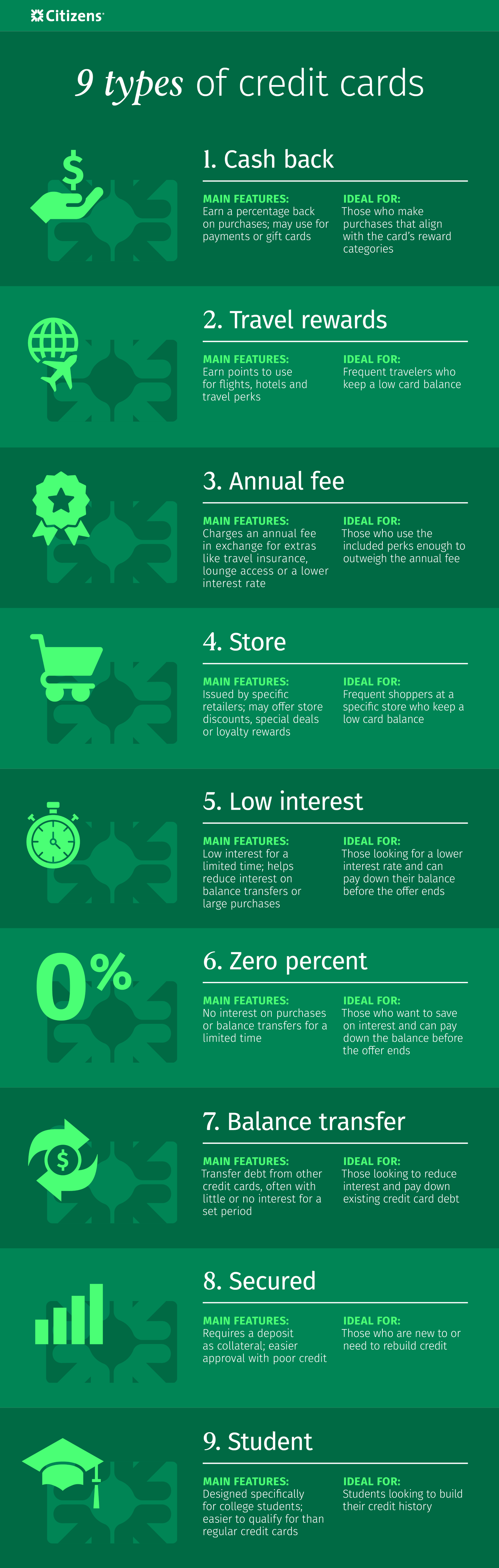
- Cash Back: Simple and versatile. You get a percentage of your spending back, either as a statement credit, direct deposit, or gift card. It’s ideal for those who prefer straightforward value and don’t want to deal with complex redemption schemes. Cash back can be flat-rate (e.g., 1.5% on everything), tiered (e.g., 3% on gas, 2% on groceries), or rotating categories (e.g., 5% on Amazon one quarter, 5% on restaurants the next).
- Travel Points/Miles: Typically redeemed for flights, hotel stays, rental cars, or other travel-related expenses. The value of points/miles can vary significantly depending on the issuer and how they are redeemed. Some cards offer flexible points that can be transferred to airline/hotel partners, potentially yielding much higher value than a direct cash redemption. These are best for frequent travelers who can maximize transfer partners or specific airline/hotel loyalty programs.
- General Rewards Points: Some cards offer a general points currency that can be redeemed for a variety of options, including cash back, travel, merchandise, or gift cards. The value per point can fluctuate, so it’s important to understand the redemption rates.
Annual Percentage Rates (APRs) and Fees
While rewards are appealing, the core cost of using a credit card lies in its APR and associated fees.
- Purchase APR: The interest rate applied to outstanding balances from new purchases. If you pay your statement balance in full every month, the purchase APR is largely irrelevant, thanks to the grace period. If you carry a balance, a low APR is critical to minimize interest charges.
- Balance Transfer APR: The interest rate on balances transferred from other credit cards. Many cards offer a 0% introductory APR for a fixed period (e.g., 12-21 months) on balance transfers, making them invaluable for debt consolidation. After the introductory period, a higher variable APR applies.
- Cash Advance APR: The rate for withdrawing cash using your credit card. This is almost always significantly higher than the purchase APR, often has no grace period, and carries an immediate fee. Cash advances should generally be avoided.
- Annual Fees: A yearly charge for the privilege of holding the card. Premium rewards cards often have annual fees (sometimes $95 to $550+), which are typically justified by extensive rewards, travel credits, and high-value perks. For cards with lower rewards or if you don’t utilize the benefits, a no-annual-fee card is generally “better.”
- Foreign Transaction Fees: A percentage (typically 2-3%) charged on purchases made outside your home country. Essential for international travelers; many travel cards waive this fee.
- Late Payment Fees: Incurred if you miss your payment due date. Can also lead to a penalty APR, which is a much higher interest rate applied to your balance.
Introductory Offers and Sign-up Bonuses
These can provide significant initial value but require careful planning.
- 0% Introductory APR: On purchases and/or balance transfers for a set period. Excellent for financing a large purchase without interest or consolidating debt. Crucially, you must pay off the balance before the intro period ends, or the standard APR kicks in, often retroactively.
- Large Points/Cash Back Bonuses: Earned after spending a certain amount within a specified timeframe (e.g., “Earn $200 cash back after spending $500 in the first 3 months”). These can offer hundreds of dollars in value, but only if you can comfortably meet the spending requirement without overspending.
Additional Perks and Protections
Beyond rewards, many credit cards offer supplementary benefits that can add significant value.
- Travel Benefits: Travel insurance (delay, interruption, baggage), rental car insurance (primary or secondary), lounge access, hotel elite status, TSA PreCheck/Global Entry credit.
- Shopping Protections: Extended warranty, purchase protection (for damaged or stolen items), price protection (refunds difference if item goes on sale), return protection.
- Concierge Services: Assistance with travel bookings, event tickets, restaurant reservations.
- Cell Phone Protection: Coverage for repair or replacement if your phone is damaged or stolen, provided you pay your monthly bill with the card.
Types of Credit Cards: Finding Your Match
The credit card market is segmented to serve diverse financial needs. Understanding these categories will help you target the cards most relevant to your situation.
Rewards Credit Cards
These are the most popular category for consumers looking to get something back from their spending.
- Flat-Rate Cash Back Cards: Offer a consistent percentage back on all purchases (e.g., 1.5% or 2%). Simple and effective for diversified spending.
- Category Bonus Cards: Offer higher percentages in specific spending categories that may rotate quarterly or are fixed (e.g., 5% on gas and groceries, 3% on dining). Ideal for those with predictable spending patterns in bonus categories.
- Travel Rewards Cards: Focus on points or miles redeemable for travel. Can offer high value for frequent travelers, especially those willing to dive into airline/hotel loyalty programs. Often come with annual fees but provide substantial travel benefits.
Balance Transfer Credit Cards
Designed for individuals looking to consolidate and pay down high-interest debt from other credit cards. They offer a promotional 0% APR period, typically 12 to 21 months, on transferred balances. A balance transfer fee (usually 3-5%) often applies. The “better” balance transfer card has the longest 0% intro period and the lowest transfer fee.
Secured Credit Cards
The primary tool for building or rebuilding credit. These cards require a cash deposit that typically acts as your credit limit, reducing risk for the issuer. With responsible use (paying on time, keeping utilization low), they report to credit bureaus, helping to establish a positive credit history. After a period of good behavior, some secured cards convert to unsecured cards and refund the deposit.
Student and Starter Credit Cards
Specifically tailored for young adults or those new to credit. They often have lower credit limits, fewer rewards, and may or may not require a co-signer or security deposit. They serve as an entry point into the credit world, emphasizing responsible usage to build a credit history.
Business Credit Cards
Separate from personal credit, these cards are designed for entrepreneurs and small business owners. They offer features like higher credit limits, employee cards, expense tracking tools, and rewards tailored to business spending categories (e.g., office supplies, internet services, advertising). They help keep business and personal finances separate, which is crucial for accounting and tax purposes.
Strategic Credit Card Management and Usage
Choosing the “better” credit card is only half the battle. How you manage and use it dictates its long-term financial impact. Even the best card can become a burden if misused.
The Importance of Paying in Full and On Time
This is the golden rule of credit card usage.
- Avoid Interest: By paying your statement balance in full every month, you avoid all interest charges. The rewards you earn become pure profit.
- Maintain a Good Credit Score: On-time payments are the most critical factor in your credit score. Missing payments can severely damage your credit.
- Avoid Fees: Paying on time ensures you avoid late payment fees and potential penalty APRs.
Utilizing Credit Responsibly to Build Credit
For those focused on credit building, responsible usage is paramount.
- Credit Utilization Ratio: Keep your credit utilization (the amount of credit you’re using compared to your total available credit) below 30%, ideally below 10%. A low utilization ratio signals responsible management to lenders.
- Length of Credit History: The longer your positive credit history, the better. Avoid closing old, active accounts, as this can shorten your average credit age.
- Mix of Credit: A healthy mix of credit (e.g., a credit card, a loan) can positively influence your score, but don’t open accounts just for the sake of it.
Avoiding Common Pitfalls
Even savvy consumers can fall prey to credit card traps.
- Overspending: Don’t let rewards or the convenience of plastic lead to spending beyond your means. A credit card is not free money.
- Chasing Too Many Rewards: While tempting, applying for too many cards in a short period can negatively impact your credit score and make managing accounts overwhelming. Focus on a few cards that genuinely fit your spending.
- Ignoring the Fine Print: Always read the terms and conditions, especially regarding APR changes, fees, and reward redemption rules.
Periodically Reviewing Your Card Portfolio
Your financial situation and spending habits can change over time.
- Are your cards still meeting your needs? If your spending patterns have shifted (e.g., from extensive travel to more home-based spending), your current rewards cards might not be optimal.
- Are you paying annual fees for underutilized benefits? If you have a premium card with an annual fee but are no longer using its perks, it might be time to consider a product change or cancellation.
- New offers: The credit card market is dynamic. Periodically review new offers to ensure your current cards remain competitive.
Making Your Final Decision: A Step-by-Step Approach
Bringing all these considerations together, here’s a structured approach to selecting the “better” credit card for you.
Compare and Contrast
- Use Online Comparison Tools: Websites like NerdWallet, The Points Guy, and Credit Karma offer robust comparison tools that allow you to filter cards by credit score, reward type, fees, and more.
- Read Reviews: Look for unbiased reviews from financial experts and current cardholders to get a balanced perspective on a card’s pros and cons.
Read the Fine Print
- Terms and Conditions: Never apply for a card without thoroughly understanding its terms, including introductory APR end dates, variable APRs, fees, and reward redemption rules.
- APR Disclosure: Pay close attention to the range of APRs offered, as your specific rate will depend on your creditworthiness.
Consider the Long-Term Value
Don’t be solely swayed by a hefty sign-up bonus or a short introductory offer. Evaluate the card’s ongoing value – its standard reward rates, annual fee (if any), and additional benefits – to ensure it remains beneficial well beyond the first year.
Seek Expert Advice (If Needed)
If your financial situation is particularly complex or you’re struggling to make a choice, consider consulting a certified financial advisor. They can provide personalized guidance tailored to your overall financial plan.
Conclusion
The quest for “which credit card is better” ultimately leads to a highly personal answer. There is no single superior card; rather, there is a constellation of options, each designed to serve different financial goals and lifestyles. By diligently assessing your credit profile, understanding your spending habits, defining your financial objectives, and thoroughly deconstructing the features and benefits of various cards, you empower yourself to make a truly informed decision.
Remember, a credit card is a powerful financial instrument. When chosen wisely and managed responsibly, it can unlock significant rewards, provide invaluable financial flexibility, and contribute positively to your long-term financial health. The “better” credit card is the one that perfectly aligns with your life, helping you achieve your financial aspirations without leading you into unnecessary debt or fees. Make your choice a strategic one, and let your credit card work for you.
aViewFromTheCave is a participant in the Amazon Services LLC Associates Program, an affiliate advertising program designed to provide a means for sites to earn advertising fees by advertising and linking to Amazon.com. Amazon, the Amazon logo, AmazonSupply, and the AmazonSupply logo are trademarks of Amazon.com, Inc. or its affiliates. As an Amazon Associate we earn affiliate commissions from qualifying purchases.