
Determining the “best” car insurance company is not a one-size-fits-all endeavor. The optimal choice is deeply personal, driven by an individual’s unique circumstances, financial priorities, driving history, and coverage requirements. Rather than identifying a single undisputed leader, a more effective approach involves understanding the critical factors that contribute to a superior insurance experience and applying them to your specific situation. This ensures you secure not just the cheapest policy, but the one that offers the best value, protection, and peace of mind for your money.
Understanding “Best” in the Context of Car Insurance
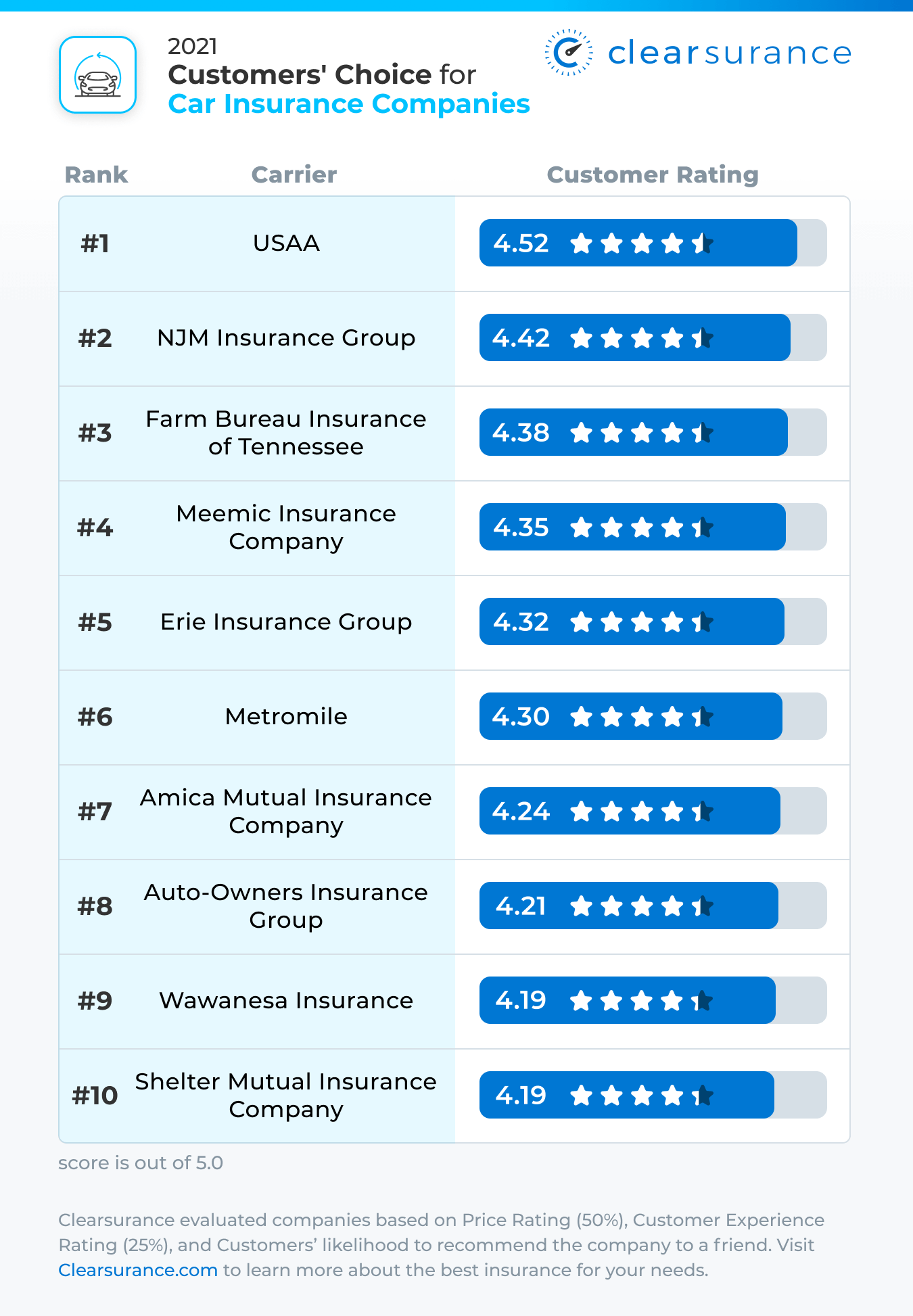
The term “best” when applied to car insurance transcends mere affordability. While price is undeniably a significant factor, a truly “best” policy delivers comprehensive protection at a competitive rate, supported by reliable customer service and efficient claims processing.
Individualized Needs Drive Choice
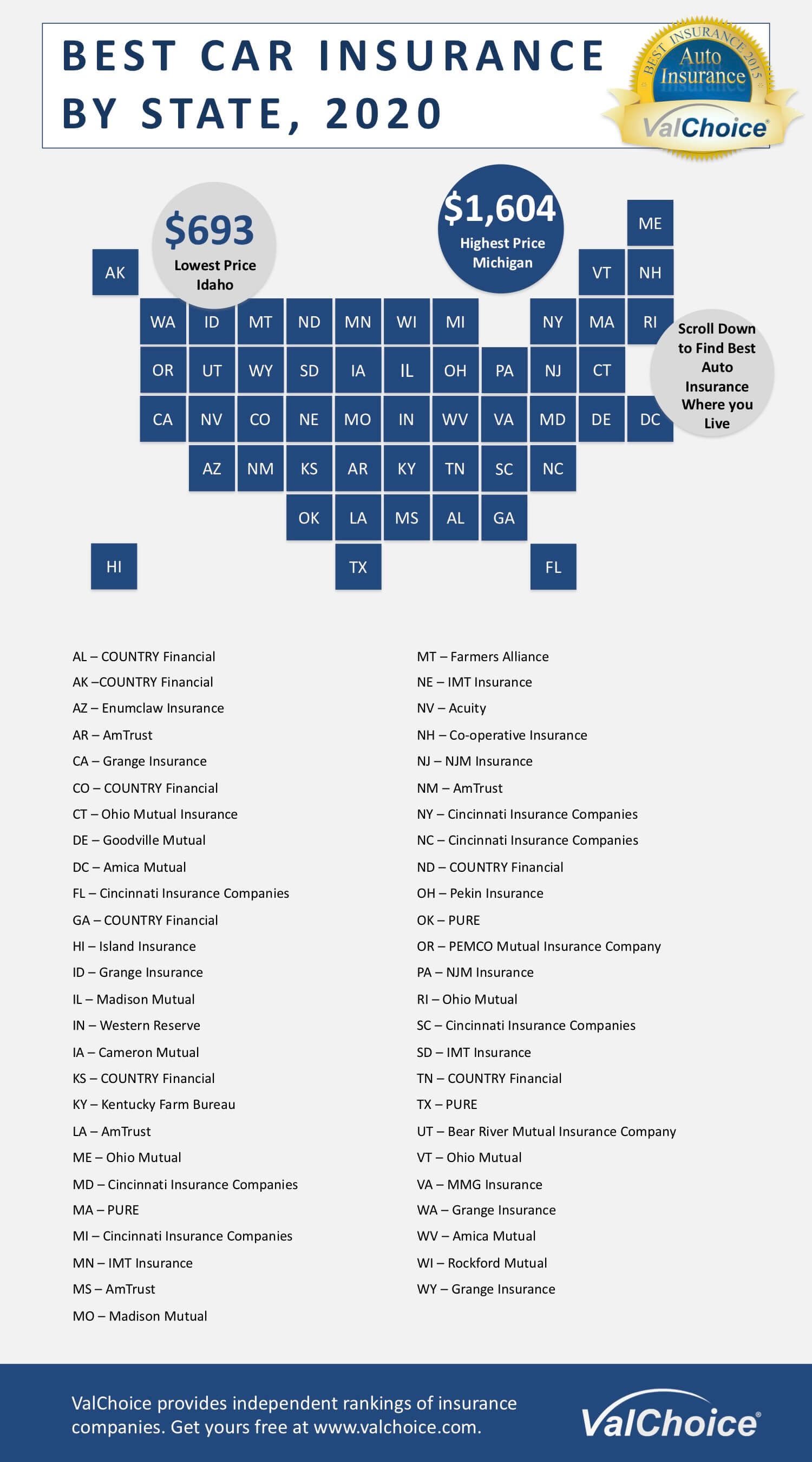
Your personal profile significantly influences which insurer will serve you best. For a young driver with a new car, comprehensive coverage and excellent customer support might be paramount. For a seasoned driver with a spotless record, a provider offering significant good-driver discounts could be ideal. Factors such as your age, vehicle make and model, annual mileage, location, credit score (where permitted by law), marital status, and even the type of deductible you prefer, all play a role. Companies specialize and excel in different niches, meaning an insurer highly rated by one demographic might not be the best fit for another.
Beyond Price: Value and Protection
Focusing solely on the lowest premium can be a costly mistake. An inadequate policy, though cheap, can leave you financially vulnerable after an accident. True value in car insurance is the delicate balance between the premium paid, the extent and quality of coverage received, the insurer’s financial stability, and its reputation for customer service and claims handling. A slightly higher premium might be justified if it comes with robust coverage limits, a lower deductible, superior roadside assistance, or a proven track record for quick and fair claims resolution. Understanding this holistic value proposition is crucial for long-term financial security.
Key Factors to Evaluate When Choosing an Insurer
A systematic evaluation of several key areas will empower you to make an informed decision. These factors represent the core pillars of a strong insurance policy and a reliable insurer.
Coverage Options and Limits
The foundation of any car insurance policy is its coverage. Understanding these options is vital to ensure you’re adequately protected without overpaying for unnecessary features.
-
Liability Coverage (Bodily Injury & Property Damage): This is legally required in most states and pays for damages and injuries you cause to others. Adequate limits are crucial; skimping here can expose your personal assets in a serious accident.
-
Collision Coverage: Pays for damage to your own vehicle resulting from a collision with another car or object, regardless of fault. Essential for newer or financed vehicles.
-
Comprehensive Coverage: Covers non-collision damage to your car, such as theft, vandalism, fire, natural disasters, or hitting an animal.
-
Uninsured/Underinsured Motorist (UM/UIM): Protects you if you’re involved in an accident with a driver who has no insurance or insufficient coverage. A critical protection layer given the number of uninsured drivers.
-
Medical Payments (MedPay) or Personal Injury Protection (PIP): Covers medical expenses for you and your passengers after an accident, regardless of fault. PIP also often covers lost wages and other non-medical costs.
-
Add-on Coverages: Consider options like roadside assistance, rental car reimbursement, gap insurance (for new car loans), and custom parts and equipment coverage, based on your specific needs and vehicle.
Pricing and Discounts
Premiums vary widely between companies for the exact same coverage. This makes comparison shopping indispensable.
-
How Quotes Are Generated: Insurers assess risk based on numerous factors: your age, driving record, credit history (in most states), vehicle type, location, annual mileage, and even your marital status. Each company has its own proprietary algorithm, leading to different quotes.
-
Common Discounts: Actively inquire about and leverage available discounts. These can significantly reduce your premium. Common ones include multi-policy (bundling auto with home/renters insurance), good driver, good student, anti-theft devices, low mileage, telematics programs (usage-based insurance), military affiliation, and professional group discounts. Never assume discounts are automatically applied; always ask.
-
Importance of Comparing Quotes: Obtain quotes from at least three to five different providers. Online comparison tools can streamline this process, but direct quotes from insurers or independent agents often provide more tailored options.
Financial Stability and Reputation
An insurer’s ability to pay out claims is paramount. You need confidence that your policy will actually deliver when you need it most.
-
Financial Strength Ratings: Look at ratings from independent agencies like AM Best, S&P, Moody’s, or Fitch. A strong rating (e.g., A+ from AM Best) indicates a company’s robust financial health and its capacity to meet policyholder obligations, even during widespread catastrophic events.
-
Customer Satisfaction Scores: Consult reputable consumer surveys and reports from organizations like J.D. Power, Consumer Reports, and the National Association of Insurance Commissioners (NAIC). These provide insights into overall customer satisfaction, claims handling, and pricing.
-
Online Reviews and Complaint Ratios: While individual online reviews can be subjective, patterns can emerge. Check the Better Business Bureau (BBB) and state insurance department websites for complaint ratios, which can highlight recurring issues.
Customer Service and Claims Experience
The true test of an insurance company often comes when you need to file a claim. A smooth, transparent, and fair claims process is invaluable.
-
Ease of Filing a Claim: Does the company offer multiple channels for claims (phone, online, mobile app)? Is the process clear and straightforward?
-
Responsiveness and Professionalism: How accessible are agents? Are they knowledgeable, empathetic, and efficient in answering questions and resolving issues?
-
Digital Tools and Mobile Apps: Many modern insurers offer sophisticated apps for managing policies, paying premiums, requesting roadside assistance, and tracking claims. Evaluate the quality and functionality of these tools if digital convenience is important to you.
-
Local Agent vs. Direct Sales: Decide whether you prefer the personalized advice and relationship with a local independent agent or the potential cost savings and convenience of direct online/phone sales from a large carrier.
Top Contenders in the Car Insurance Market
While “best” is subjective, certain types of insurers consistently rank high in various categories, offering distinct advantages to different consumer groups.
Large National Carriers
Companies like GEICO, Progressive, State Farm, Allstate, and Liberty Mutual dominate the market. Their advantages include:
-
Broad Coverage & Financial Strength: Extensive policy options, widespread geographical presence, and robust financial backing ensure stability.
-
Advanced Technology: Significant investments in mobile apps, online portals, and telematics programs enhance convenience and offer potential discounts.
-
Brand Recognition & Accessibility: Their large networks often mean easier access to agents and broader service capabilities.
These carriers often appeal to drivers looking for a wide range of options and a company with extensive resources.
Regional and Specialty Insurers
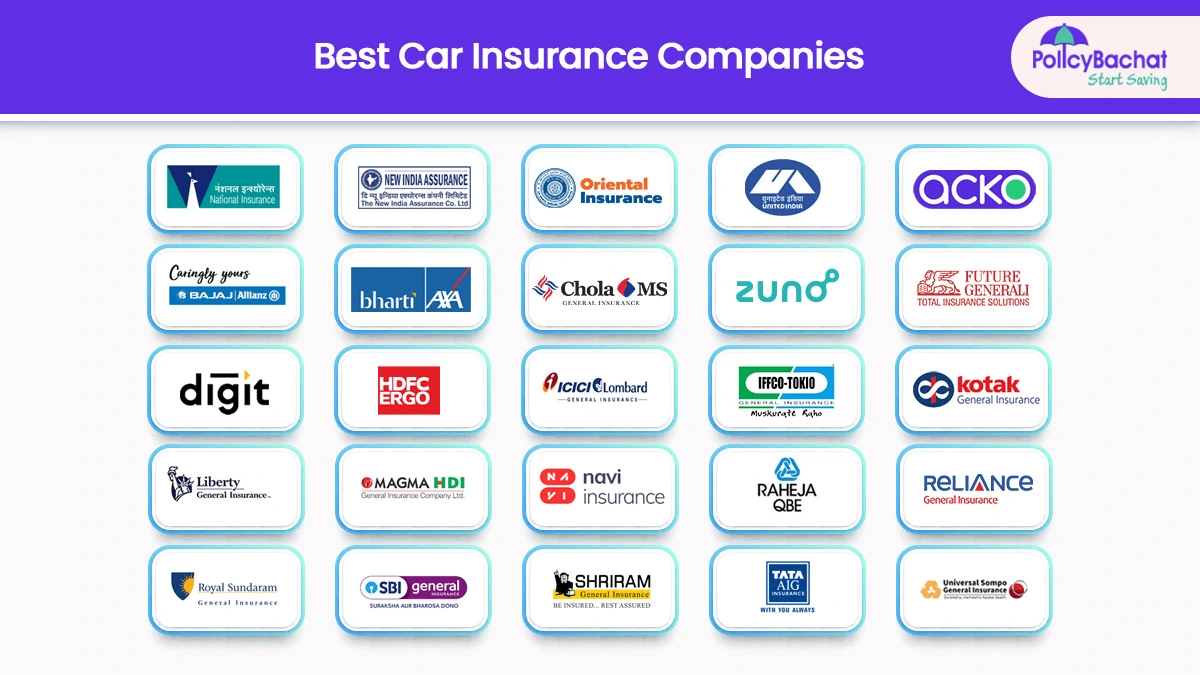
Smaller regional insurers or those specializing in specific niches (e.g., USAA for military families, Esurance for online-centric customers, or specific carriers for high-risk drivers) can often provide:
-
Personalized Service: A more focused approach can lead to more tailored policies and a stronger relationship with agents.
-
Competitive Rates for Specific Demographics: They might offer highly competitive pricing for their target market, understanding their unique risk profiles better.
-
Niche Expertise: If you have unique needs (e.g., classic car insurance, specific professional group discounts), a specialty insurer might offer superior coverage and rates.
Direct vs. Agency Models
Understanding the distribution model can also influence your choice:
-
Direct Insurers (e.g., GEICO, Progressive, Lemonade Car): You buy directly from the company, often through their website or call center. This can sometimes lead to lower premiums due to reduced overhead.
-
Captive Agents (e.g., State Farm, Allstate): Agents work exclusively for one insurance company. They can offer personalized service and expertise on that company’s products.
-
Independent Agents (brokers): These agents work with multiple insurance companies, allowing them to compare quotes and recommend policies from various providers, potentially finding you the best fit across the market. This model is often ideal for those who value personalized advice and comparison shopping without doing all the legwork themselves.
Strategies for Finding Your “Best” Car Insurance
Finding the right policy requires a proactive approach and a commitment to thorough research.
Gather Your Information
Before seeking quotes, have all necessary details ready:
-
Driver information (names, dates of birth, driver’s license numbers, driving history).
-
Vehicle information (VIN, make, model, year, odometer reading, safety features).
-
Current insurance policy details (if applicable).
-
Information about any other policies you might bundle (home, renters, life insurance).
Obtain Multiple Quotes
This is the single most important step. Don’t settle for the first quote you receive. Use online comparison sites as a starting point, but always verify quotes directly with the insurers or through an independent agent. Aim for at least 3-5 comprehensive quotes to ensure you’re seeing a representative sample of the market.
Understand the Fine Print
Once you’ve narrowed down your options, read the actual policy documents carefully. Pay close attention to:
-
Coverage Limits: Ensure they are sufficient for your assets and potential liabilities.
-
Deductibles: Understand how much you’ll pay out-of-pocket before coverage kicks in for collision and comprehensive claims.
-
Exclusions: Know what is not covered by the policy.
-
Payment Terms: Understand billing cycles, late fees, and cancellation policies.
Re-evaluate Periodically
Your insurance needs are not static. Review your policy at least annually, or whenever significant life events occur:
-
Buying a new car or selling an old one.
-
Adding or removing a driver from your policy.
-
Moving to a new zip code.
-
Getting married or divorced.
-
Having an accident or getting a ticket (your rates might change, warranting new comparison shopping).
-
When your policy renews, your current insurer might offer a less competitive rate, prompting you to look elsewhere.
Leverage Technology and Tools
Many insurers offer online calculators, mobile apps, and telematics devices that can help you understand your premiums, manage your policy, and even save money based on your driving habits. Embrace these tools to optimize your insurance experience and potentially reduce costs.
Common Pitfalls to Avoid
Navigating the car insurance market can be complex. Be mindful of these common mistakes that can lead to inadequate coverage or overpayment.
Underinsuring
Opting for the absolute minimum coverage required by law can be a dangerous financial gamble. In a serious accident, if damages exceed your liability limits, your personal assets could be at risk. Always aim for coverage limits that adequately protect your net worth.
Overpaying for Unnecessary Coverage
While underinsuring is risky, overpaying for coverage you don’t need is also a drain on your finances. For instance, if your car is old and has a low market value, collision and comprehensive coverage might not be cost-effective if the premiums and deductible outweigh the potential payout. Similarly, carefully consider add-ons and ensure they align with your actual needs.
Neglecting Discounts
Many policyholders miss out on significant savings simply by not inquiring about available discounts. Proactively ask your agent or review the insurer’s website for all possible discounts you might qualify for. These cumulative savings can make a substantial difference to your annual premium.
Sticking with the Same Insurer Blindly
Loyalty can sometimes be expensive. While there might be long-term customer discounts, insurers often offer highly competitive rates to attract new customers. By not periodically comparing quotes, you risk missing out on better deals that could save you hundreds of dollars each year for comparable or even superior coverage.
In conclusion, finding the “best” car insurance company is a dynamic process of research, comparison, and personalization. By focusing on adequate coverage, leveraging discounts, understanding financial stability, and valuing strong customer service and claims handling, you can secure a policy that offers both financial protection and peace of mind, aligning perfectly with your personal finance goals.
aViewFromTheCave is a participant in the Amazon Services LLC Associates Program, an affiliate advertising program designed to provide a means for sites to earn advertising fees by advertising and linking to Amazon.com. Amazon, the Amazon logo, AmazonSupply, and the AmazonSupply logo are trademarks of Amazon.com, Inc. or its affiliates. As an Amazon Associate we earn affiliate commissions from qualifying purchases.