
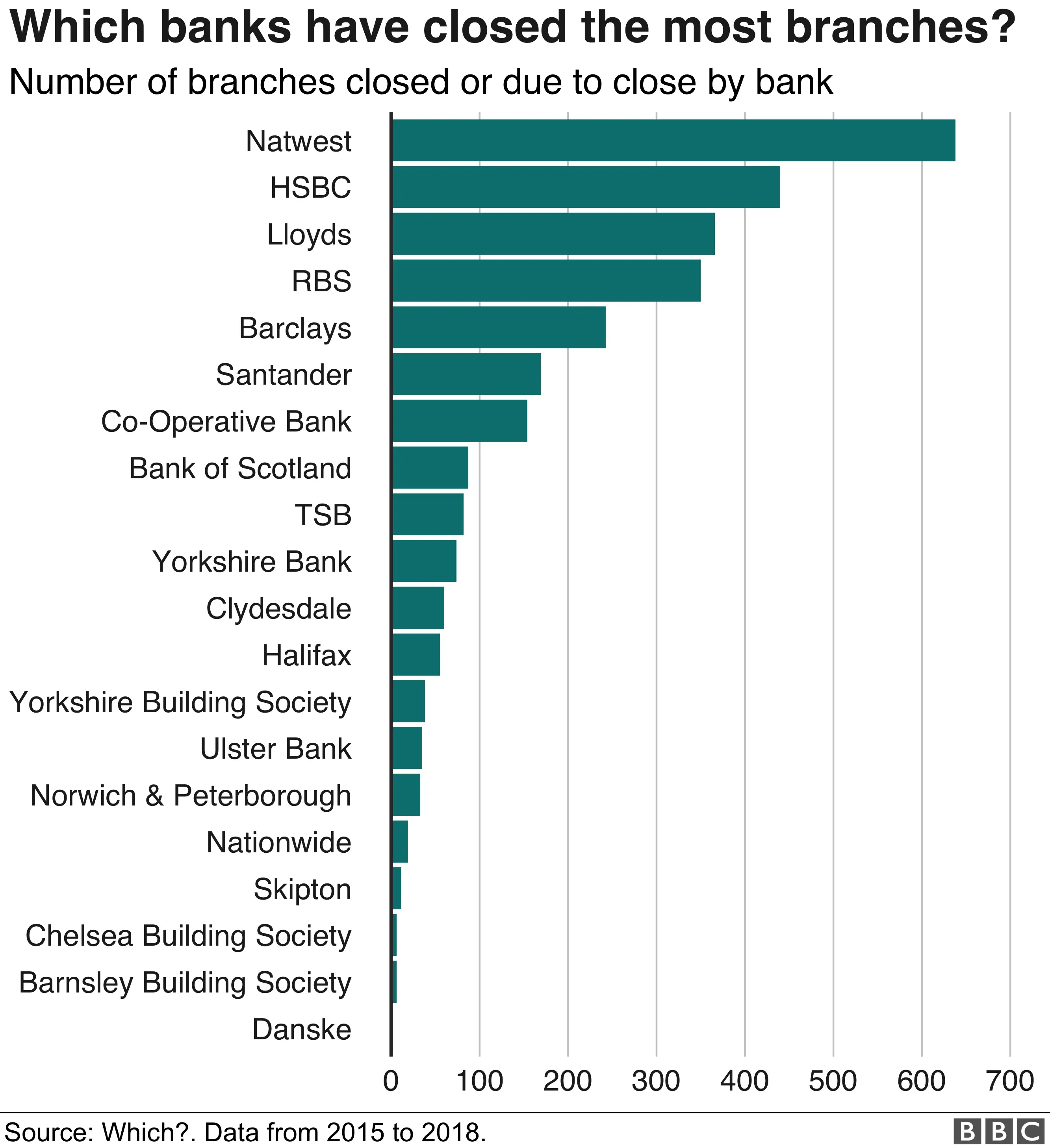
The global financial landscape is currently undergoing a period of profound transformation, marked by a tightening of monetary policy, fluctuating interest rates, and a fundamental shift in how consumers interact with their capital. In recent years, the specter of bank closures—from the high-profile collapses of specialized lenders like Silicon Valley Bank to the steady shuttering of rural brick-and-mortar branches—has left many investors and depositors asking a critical question: Which banks are going to survive, and what makes them resilient?
The survival of a financial institution in the current climate is no longer guaranteed by age or size alone. Instead, it is dictated by a combination of liquidity management, capital adequacy, and the ability to navigate a digital-first economy without sacrificing the security of the traditional banking model. For the individual looking to protect their personal finance and for the business owner managing corporate liquidity, understanding these metrics is the key to identifying the survivors of the modern era.
The Metrics of Stability: Understanding Capital and Liquidity
To determine which banks will survive the current wave of closures and consolidations, one must look beneath the surface of marketing and into the core financial ratios that define solvency. A bank’s survival is fundamentally a math problem involving the balance between its assets and its liabilities.
The Importance of Tier 1 Capital Ratios
Tier 1 capital represents the core equity capital of a bank—the “cushion” it holds to absorb losses before it becomes insolvent. In the wake of previous financial crises, regulators implemented strict requirements, yet the banks that truly thrive go beyond the minimums. Survivors are characterized by high Tier 1 Capital Ratios, typically exceeding 10% to 12%. This ensures that even if a segment of their loan portfolio fails or if the market value of their bond holdings fluctuates due to interest rate hikes, the bank remains functional. Investors should prioritize institutions that maintain a “well-capitalized” status according to Basel III standards, as these are the institutions least likely to face forced closures by regulators.
Liquidity Coverage and Duration Risk
A major catalyst for recent bank failures has been “duration mismatch.” This occurs when a bank takes in short-term deposits (which customers can withdraw at any time) and invests them in long-term assets like 10- or 30-year government bonds. When interest rates rise, the value of those bonds drops. If customers suddenly demand their money back, the bank is forced to sell those bonds at a massive loss.
The banks that will survive are those with high Liquidity Coverage Ratios (LCR). These institutions hold enough high-quality liquid assets (HQLA) to withstand a 30-day stress scenario. Furthermore, surviving institutions have learned to diversify their investment portfolios, ensuring they aren’t overly exposed to long-duration securities that become toxic in a high-interest-rate environment.
The Great Divide: Global Systemically Important Banks (G-SIBs) vs. Regional Lenders
The hierarchy of the banking world has shifted, creating a “flight to safety” where larger institutions often appear more durable. However, the survival of an institution often depends on its categorization and the regulatory oversight it receives.
The “Too Big to Fail” Advantage
Global Systemically Important Banks (G-SIBs), such as JPMorgan Chase, Bank of America, and HSBC, occupy a unique position in the financial ecosystem. Because their failure could trigger a global systemic collapse, they are subject to the most stringent stress testing and capital requirements in the world.
These “megabanks” are likely to survive because they possess massive, diversified revenue streams. Unlike a niche bank that might focus solely on tech startups or commercial real estate, G-SIBs earn money through credit cards, investment banking, asset management, and retail deposits. This diversification acts as an internal hedge. When one sector of the economy falters, another usually provides a buffer. For the average depositor looking for absolute certainty of survival, these behemoths remain the safest harbors, despite often offering lower interest rates on savings accounts.
The Resilience of Niche and Community Banks
While the “too big to fail” institutions offer security through scale, many community banks and credit unions are surviving by returning to “relationship banking.” These institutions often avoid the complex derivatives and risky speculative investments that plague larger, mid-tier regional banks.
A community bank survives by knowing its borrowers personally and maintaining a conservative loan-to-deposit ratio. Because their deposits are often composed of long-term local residents rather than volatile institutional investors, their “deposit beta” (the sensitivity of their deposit costs to changes in market rates) is lower. The survivors in this category will be those with high levels of FDIC-insured deposits. If a bank’s deposit base is largely under the $250,000 insurance limit, it is far less susceptible to a “bank run,” as depositors have no rational reason to panic.
The Digital Evolution: How Fintech Integration Ensures Longevity
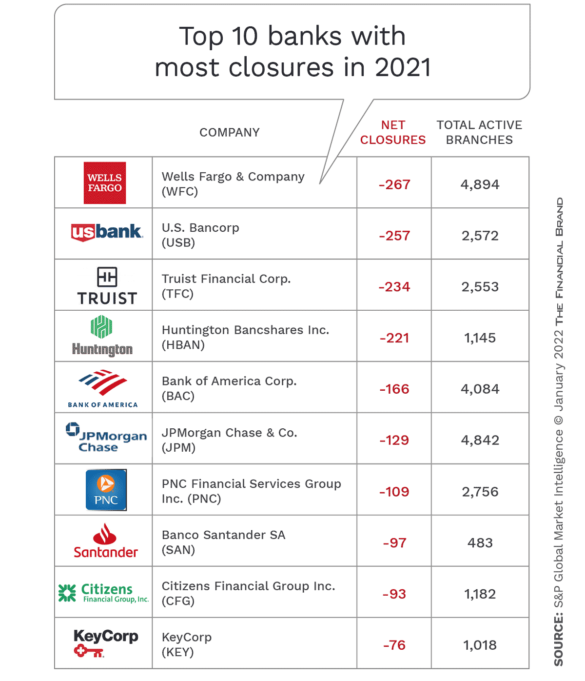
The closure of physical bank branches does not always signal the death of a bank; often, it signals an evolution. The banks that will survive the next decade are those that successfully transition from expensive physical infrastructure to efficient digital ecosystems without losing their core financial integrity.
Neobanks and the Cost of Customer Acquisition
We have seen a surge in “neobanks”—digital-only institutions like Chime, Revolut, or SoFi. While these entities offer high-yield savings accounts and sleek interfaces, their survival depends on their path to profitability. In a world where venture capital is no longer “cheap,” only neobanks that have secured a full banking charter and have a diversified lending product suite (personal loans, mortgages, etc.) will survive. Those that rely solely on interchange fees from debit card swipes are vulnerable. The survivors in the digital space are those that have transitioned from “fintech startups” to “profitable financial institutions.”
Hybrid Models and Operational Efficiency
Traditional banks that are closing branches are often doing so to reallocate capital toward cybersecurity and digital infrastructure. A bank’s survival is now tied to its “efficiency ratio”—the cost of generating a dollar of revenue. Large physical networks are liabilities in a world where 90% of transactions happen on a smartphone.
The surviving institutions are those that use automation to lower overhead while maintaining a “human” element for complex financial advisory services. By reducing the drag of real estate costs, these banks can offer more competitive interest rates to retain deposits, thereby stabilizing their balance sheets.
Personal Finance Strategies: How to Choose a Surviving Institution
In an era of uncertainty, the responsibility of identifying a surviving bank also falls on the consumer. Protecting your wealth requires a proactive approach to where you park your capital.
Maximizing Insurance and Diversification
The first rule of survival for a depositor is the utilization of the Federal Deposit Insurance Corporation (FDIC) in the U.S., or equivalent schemes like the FSCS in the UK. To ensure your “personal bank” survives any crisis, never exceed the insurance limits in a single institution.
Savory investors are now using “sweep accounts” or services like MaxMyInterest and IntraFi. These services automatically distribute large cash balances across a network of several dozen banks, ensuring that every dollar is FDIC-insured. In this scenario, even if one specific bank in the network closes, the depositor’s money is fully protected and accessible.
Analyzing the Loan Portfolio
If you are an investor or a business owner, you must look at what the bank is doing with your money. Banks with heavy exposure to Commercial Real Estate (CRE), particularly office buildings in major metropolitan areas, are currently at higher risk. With the shift toward remote work, office valuations have plummeted, leading to potential defaults.
The banks most likely to survive have shifted their portfolios toward residential mortgages, high-quality corporate debt, and government-backed securities. When evaluating a bank for your business or high-net-worth accounts, ask for their annual report and look at their “Non-Performing Loan” (NPL) ratio. A rising NPL ratio is a red flag that the bank may not survive a prolonged economic downturn.

Conclusion: The Survival of the Disciplined
The banks that will survive the current era of closures are those that prioritize financial discipline over aggressive growth. The winners will be the “too big to fail” giants that offer systemic security, the conservative community banks that maintain deep local roots and insured deposits, and the agile digital leaders that have achieved true profitability.
For the individual, the era of “set it and forget it” banking is over. Survival in the modern financial world requires an understanding of capital ratios, an awareness of market exposure, and a strategic approach to deposit insurance. By aligning your capital with institutions that demonstrate transparent liquidity and robust capital buffers, you ensure that your financial future remains secure, regardless of which names disappear from the high street.
aViewFromTheCave is a participant in the Amazon Services LLC Associates Program, an affiliate advertising program designed to provide a means for sites to earn advertising fees by advertising and linking to Amazon.com. Amazon, the Amazon logo, AmazonSupply, and the AmazonSupply logo are trademarks of Amazon.com, Inc. or its affiliates. As an Amazon Associate we earn affiliate commissions from qualifying purchases.