
In an increasingly complex financial landscape, the seemingly simple question, “Which bank?” has profound implications for personal and business financial health. The choice of a financial institution transcends mere convenience; it dictates fee structures, interest earnings, access to capital, and the overall efficiency with which an individual or enterprise manages its money. Gone are the days when a bank was just a place to deposit a paycheck. Today, banks are diverse ecosystems offering an array of services, often leveraging cutting-edge technology to deliver bespoke financial solutions. Making an informed decision requires a deep understanding of one’s own financial needs, an awareness of the myriad options available, and a critical evaluation of what each institution truly offers beyond its marketing facade. This article will delve into the critical considerations for selecting a bank that aligns with your financial goals, lifestyle, and values in an ever-evolving market.
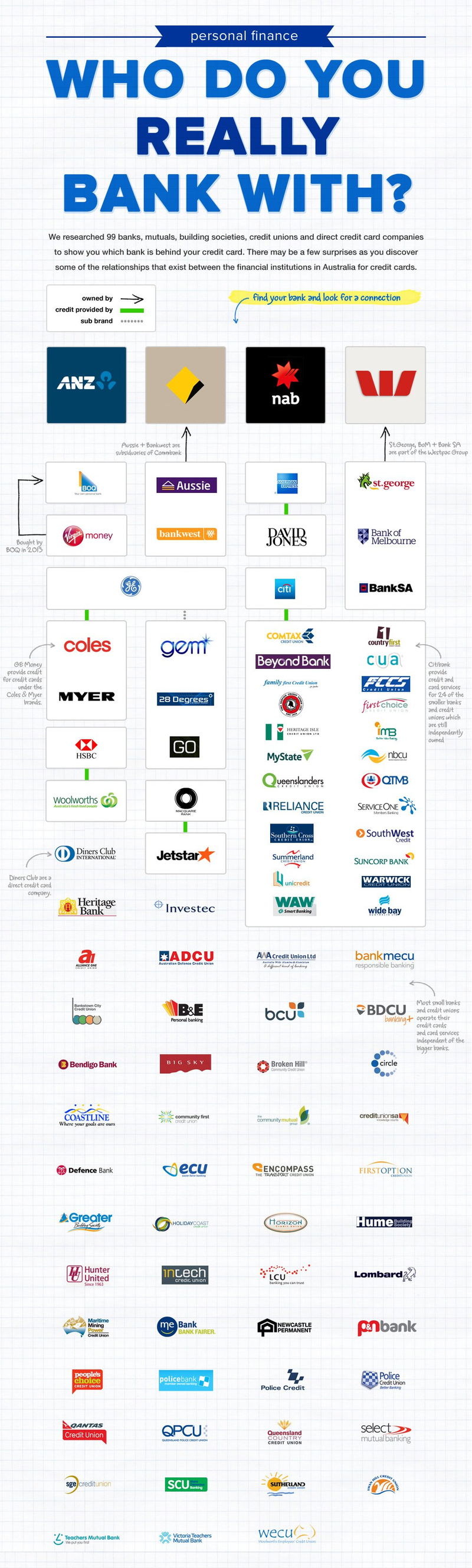
Understanding the Modern Banking Spectrum
The banking sector is no longer a monolithic entity. It’s a diverse ecosystem comprising various types of institutions, each with unique strengths and weaknesses. Recognizing these distinctions is the first step towards an informed choice.
Traditional Banks: The Enduring Legacy
Often referred to as brick-and-mortar banks, these institutions have a long-standing presence, extensive branch networks, and a full suite of financial products. They typically offer checking and savings accounts, loans (personal, mortgage, auto), credit cards, and often wealth management services. Their primary appeal lies in physical accessibility, allowing for in-person consultations, cash transactions, and a sense of tangible security. For many, the ability to speak with a human banker, especially for complex transactions or financial advice, remains invaluable. However, traditional banks can sometimes be characterized by higher overheads, which may translate to more fees or lower interest rates on savings, and their digital offerings might lag behind more agile competitors. Examples include major national and regional banks that have operated for decades or even centuries.
Online-Only Banks: The Digital Frontier
Born from the internet age, online-only banks operate exclusively digitally, without physical branches. Their streamlined operational model significantly reduces overhead costs, allowing them to often offer higher interest rates on savings accounts and lower, or even no, fees on checking accounts. They excel in digital user experience, providing intuitive apps, robust online platforms, and 24/7 access to account management. While lacking physical branches, most online banks provide convenient ATM access through partnerships and offer digital tools for mobile check deposits and bill payments. Their suitability largely depends on a customer’s comfort level with digital interactions and their infrequent need for in-person services. The downside, for some, can be the absence of face-to-face interaction for resolving complex issues or conducting specific cash transactions.
Credit Unions: Community-Centric Alternatives
Credit unions are member-owned, non-profit financial cooperatives. Unlike traditional banks, which are driven by shareholder profits, credit unions prioritize the financial well-being of their members. This often translates to lower loan rates, higher savings rates, and fewer fees compared to commercial banks. Membership is typically based on a common bond, such as employment, geographic location, or affiliation with a particular organization. They are known for their personalized customer service and community involvement. While their branch networks might be smaller than large national banks, many participate in shared branching networks, expanding their physical reach. For those seeking a values-driven institution with a focus on member benefits, credit unions present a compelling option.
Fintech Innovators and Neobanks: Redefining Financial Services
The rapid growth of financial technology (Fintech) has given rise to neobanks and other innovative financial service providers. Neobanks, like online-only banks, operate without physical branches but often differentiate themselves through hyper-focused digital experiences, specialized features (e.g., advanced budgeting tools, early paycheck access, cryptocurrency integration), and a mobile-first approach. They often partner with established banks for FDIC insurance, offering a blend of innovation and security. Beyond neobanks, the broader fintech landscape includes a plethora of apps and platforms that address specific financial needs, from micro-investing and peer-to-peer lending to expense tracking and payment solutions. While offering cutting-edge features and unparalleled convenience for tech-savvy users, the regulatory landscape and long-term stability of some newer fintech entities can sometimes be a point of consideration.
Crucial Criteria for Informed Decision-Making
Choosing a bank is not just about where you put your money, but how effectively that institution helps you manage and grow it. A systematic evaluation of key criteria is essential.
Fee Structures and Hidden Costs
One of the most immediate impacts a bank has on your finances is its fee structure. Scrutinize monthly maintenance fees, overdraft fees, ATM fees (especially out-of-network), wire transfer fees, and foreign transaction fees. While some banks offer ways to waive monthly fees (e.g., maintaining a minimum balance or setting up direct deposit), others are upfront with their charges. Online-only banks and credit unions often boast lower fee schedules due to their reduced overhead. A seemingly small monthly fee can erode significant savings over time, making a detailed fee analysis a critical step.
Interest Rates: Optimizing Returns and Minimizing Expenses
The interest rates offered on savings accounts, money market accounts, and certificates of deposit (CDs) directly impact your wealth accumulation. Even a seemingly minor difference of a few basis points can compound into substantial earnings over years. Conversely, for borrowing needs, the interest rates on personal loans, mortgages, and credit cards are paramount. A lower Annual Percentage Rate (APR) on a loan can save thousands over its lifetime. Compare rates across institutions, understanding that online banks frequently offer more competitive savings rates, while credit unions often provide more favorable loan rates to their members.
Accessibility, Convenience, and Branch Network vs. Digital Experience
Your banking habits dictate your accessibility needs. If you frequently handle cash, require in-person consultations, or prefer the traditional banking experience, a robust branch network might be crucial. Major traditional banks excel here. However, if you primarily manage your finances digitally, value the ability to bank from anywhere at any time, and rarely need physical cash, an online-only bank or a neobank with superior digital tools and ATM reimbursement policies could be more convenient. Evaluate the quality of their mobile app, online banking portal, and customer service channels.
Customer Service Excellence and Support Channels
When problems arise, reliable and efficient customer service is invaluable. Assess the availability of support channels (phone, chat, email, in-person), their operating hours, and the responsiveness and helpfulness of representatives. Online reviews and personal recommendations can offer insights into an institution’s customer service reputation. A bank with proactive and empathetic support can alleviate significant financial stress, whereas poor service can lead to frustrating delays and unresolved issues.
Security, Stability, and Regulatory Compliance
Protecting your money is paramount. Ensure that any institution you choose is federally insured. In the United States, this means checking for Federal Deposit Insurance Corporation (FDIC) insurance for banks or National Credit Union Administration (NCUA) insurance for credit unions. Both provide coverage typically up to $250,000 per depositor, per insured bank/credit union, for each account ownership category. Beyond federal insurance, research the institution’s overall financial health and its track record regarding data security and fraud protection. A stable bank with robust cybersecurity measures offers peace of mind in an era of increasing digital threats.
Matching Your Bank to Your Financial Lifecycle and Goals
The “best” bank isn’t universal; it’s deeply personal. Your stage of life, income level, financial goals, and business needs all play a pivotal role in determining the most suitable financial partner.
Personal Banking Needs: From Daily Transactions to Long-Term Savings
For individuals, the choice often revolves around day-to-day transaction convenience and achieving personal savings goals. A young professional might prioritize a bank with excellent mobile banking, low fees, and perhaps integrated budgeting tools. A family saving for a down payment might look for high-yield savings accounts and user-friendly joint account features. Retirees, on the other hand, might value personalized service, robust financial planning advice, and accessible branch locations for managing complex estate matters or trusts. Consider your typical transaction volume, your need for cash, and how you prefer to interact with your money.
Small Business Banking: Fueling Entrepreneurial Growth
Entrepreneurs and small business owners have distinct banking needs that go beyond personal accounts. They require business checking and savings accounts, merchant services for processing payments, payroll solutions, and access to business loans or lines of credit. A bank that understands the nuances of small business operations, offers scalable solutions, and provides dedicated business bankers can be a significant asset. Some banks specialize in specific industries, offering tailored financial products and advice that can prove invaluable for growth and operational efficiency. The integration of banking services with accounting software is also a key consideration for many small businesses.
Investment and Wealth Management: Beyond Basic Accounts
For those with significant assets or complex financial planning needs, the choice of a bank might extend to its investment and wealth management divisions. Many large traditional banks offer comprehensive services including brokerage accounts, retirement planning, estate planning, and personalized investment advice from financial advisors. These services often cater to high-net-worth individuals or those with intricate financial portfolios. While online brokers and robo-advisors offer low-cost alternatives, a full-service bank can provide a consolidated view of your financial picture, integrating banking, lending, and investment services under one roof.
Specialized Lending and Credit Solutions: Tailored Financial Instruments
Whether you’re purchasing a home, funding an education, or buying a new car, access to appropriate lending products is crucial. Banks vary widely in their loan offerings, underwriting criteria, and interest rates. Some banks specialize in certain types of loans, such as FHA or VA mortgages, or small business administration (SBA) loans. For those requiring specific credit solutions, like revolving lines of credit or niche financing options, comparing the lending arms of different institutions is critical. Consider not just the interest rate, but also closing costs, origination fees, and the overall application process efficiency.
The Future of Banking: What to Consider Next
The financial industry is in constant flux. When choosing a bank, it’s prudent to look beyond current offerings and consider how an institution is positioning itself for the future.
Digital Innovation and User Experience (UX)
The pace of technological advancement in banking is accelerating. A bank’s commitment to digital innovation, evidenced by continuous improvements to its mobile app, online platform, and integration of new technologies (like AI-driven financial insights or voice banking), speaks volumes about its future viability. A superior user experience can transform mundane financial tasks into seamless interactions, saving time and reducing friction. Evaluate not just what a bank offers today, but its track record of innovation and its roadmap for future digital enhancements.
Ethical Banking and Sustainable Practices (ESG)
A growing number of consumers and businesses are considering Environmental, Social, and Governance (ESG) factors when making financial decisions. Some banks have explicit commitments to sustainable investing, ethical lending practices, or community development. If social responsibility is important to you, research a bank’s policies regarding fossil fuel investments, fair labor practices, diversity and inclusion, and local community reinvestment. Choosing a bank that aligns with your ethical values can be a powerful way to make your money reflect your principles.
The Power of Data and Personalized Financial Insights
The future of banking is increasingly personalized. Banks that leverage data analytics to offer tailored financial advice, proactive alerts, and insightful budgeting tools can empower customers to make better financial decisions. From spending habit analysis to personalized savings goals and investment recommendations, data-driven insights can transform how you interact with your money. Look for banks that are investing in these capabilities, moving beyond transactional banking to becoming true financial partners that help you optimize your wealth.
Choosing the right bank is a strategic financial decision that merits careful consideration. It’s a dynamic process that requires assessing the present market, understanding your own evolving needs, and anticipating future trends. By systematically evaluating the diverse banking landscape, scrutinizing fees and rates, prioritizing customer service and security, and aligning your choice with your personal and business goals, you can select a financial partner that not only safeguards your assets but actively contributes to your financial well-being and success in the years to come.
aViewFromTheCave is a participant in the Amazon Services LLC Associates Program, an affiliate advertising program designed to provide a means for sites to earn advertising fees by advertising and linking to Amazon.com. Amazon, the Amazon logo, AmazonSupply, and the AmazonSupply logo are trademarks of Amazon.com, Inc. or its affiliates. As an Amazon Associate we earn affiliate commissions from qualifying purchases.