
In the vast landscape of personal finance, choosing the right bank is far more than a casual decision; it’s a foundational step that can significantly impact your financial well-being, convenience, and even your long-term wealth accumulation. The seemingly simple question, “Which bank is better?”, belies a complex interplay of personal needs, financial goals, and an ever-evolving banking industry. There is no universally “best” bank, but rather an optimal choice tailored to each individual’s unique circumstances. Understanding how to evaluate the options and align them with your specific requirements is key to making an informed decision that truly serves your financial future.
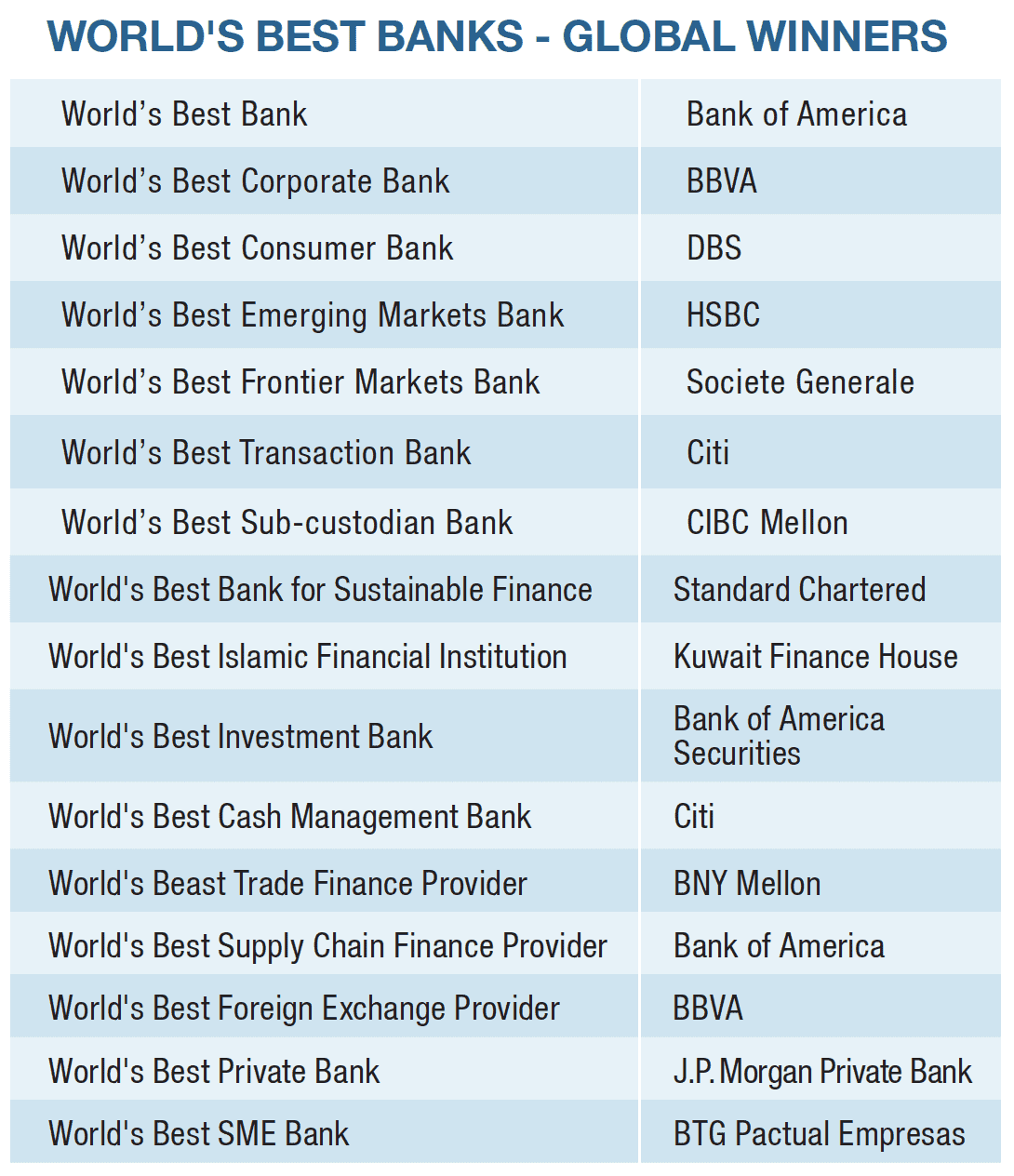
Beyond the Hype: Defining “Better” for Your Needs
Before diving into comparisons, it’s crucial to first define what “better” means to you. This introspection forms the bedrock of a smart banking choice, moving past superficial advertising to genuinely address your financial priorities.
Personal vs. Business Banking: Tailoring Your Choice
The first distinction often lies between personal and business banking. While some financial institutions offer both, the services, fee structures, and support systems are typically specialized. A small business owner will prioritize robust payment processing, business loans, and potentially payroll services, which are entirely different from the savings account interest rates or mobile check deposit features a student might seek. Clarity on whether your primary need is for personal finances, business operations, or a blend of both will immediately narrow down your options.
Understanding Your Financial Habits and Goals
Your day-to-day financial habits are powerful indicators. Do you primarily use digital banking, or do you prefer the personal touch of a branch visit? How often do you use ATMs, and do you frequently deal with cash? Are you a diligent saver, a disciplined investor, or someone who occasionally needs a small loan?
Your financial goals are equally critical. Are you saving for a down payment on a house, planning for retirement, building an emergency fund, or simply managing daily expenses? A bank that excels at high-yield savings accounts might be perfect for an emergency fund, while one with integrated investment platforms could be better for long-term wealth building. A clear understanding of these habits and goals will guide you towards a bank whose offerings naturally complement your lifestyle and ambitions.
The Spectrum of Banking Institutions: From Traditional to Digital
The banking world is not monolithic. It ranges from large, established national banks with extensive branch networks to nimble, online-only institutions and community-focused credit unions. Each type offers distinct advantages and disadvantages. A traditional bank might provide familiarity and face-to-face support, while an online bank often boasts lower fees and higher interest rates due to reduced overheads. Credit unions, being member-owned, often offer competitive rates and a more personalized service approach. Neobanks, or challenger banks, are emerging, often app-centric, with innovative features and user experiences. Recognizing these fundamental differences helps frame your initial search.
Key Factors to Evaluate When Choosing a Bank
Once you’ve defined your needs, the next step is to systematically evaluate potential banking partners against a set of critical criteria. This analytical approach helps uncover the true value proposition of each institution.
Fees and Charges: The Hidden Costs of Banking
Bank fees can erode your savings and add unnecessary stress. Scrutinize monthly maintenance fees, ATM fees (especially out-of-network), overdraft fees, wire transfer fees, and foreign transaction fees. While some banks offer ways to waive monthly fees (e.g., maintaining a minimum balance, setting up direct deposit), others are fee-free by design. For specific services like safety deposit boxes or certified checks, compare the costs across institutions. A bank that seems attractive due to high interest rates might become less so if it charges excessive fees for basic transactions.
Interest Rates: Maximizing Your Savings and Minimizing Borrowing Costs
For savings accounts, certificates of deposit (CDs), and money market accounts, the Annual Percentage Yield (APY) is paramount. Even a seemingly small difference in APY can compound significantly over time. Conversely, for checking accounts, evaluate whether they offer any interest, as many do not. If you anticipate needing loans, credit cards, or lines of credit, research the bank’s typical interest rates for these products. A bank that offers competitive rates across both savings and lending products presents a compelling package.
Accessibility and Convenience: Branch Networks vs. Digital Platforms
Your preferred method of banking dictates the importance of accessibility. If you regularly visit a physical branch for deposits, withdrawals, or consultations, a bank with a robust local branch network is essential. Conversely, if you prefer to manage all your finances on the go, a bank with an intuitive, feature-rich mobile app, online banking portal, and widespread ATM access (ideally fee-free) will be a better fit. Consider the ease of setting up automatic payments, transferring funds, and accessing customer support through digital channels. The balance between digital convenience and physical presence is a highly personal choice.
Customer Service: A Crucial Differentiator
Even with the most streamlined digital platforms, issues can arise, making excellent customer service invaluable. Investigate a bank’s reputation for responsiveness, helpfulness, and problem-solving. Look into their available support channels: phone, chat, email, and in-person assistance. Check online reviews and consumer reports to gauge real customer experiences. A bank with readily available, knowledgeable, and empathetic customer service can turn a frustrating situation into a manageable one, offering peace of mind when you need it most.
Security and Reliability: Protecting Your Assets
The safety of your money is non-negotiable. Ensure that any bank you consider is insured by the appropriate government body – in the United States, this is the Federal Deposit Insurance Corporation (FDIC) for banks and the National Credit Union Administration (NCUA) for credit unions. This insurance protects your deposits up to a certain limit in the unlikely event of bank failure. Additionally, research the bank’s digital security measures, including encryption, multi-factor authentication, and fraud protection policies, to safeguard your online accounts from cyber threats.
Exploring Different Banking Models
The modern banking landscape offers diverse models, each with distinct philosophies and offerings. Understanding these can help you align with a model that best suits your values and financial lifestyle.
Traditional Banks: The Brick-and-Mortar Advantage
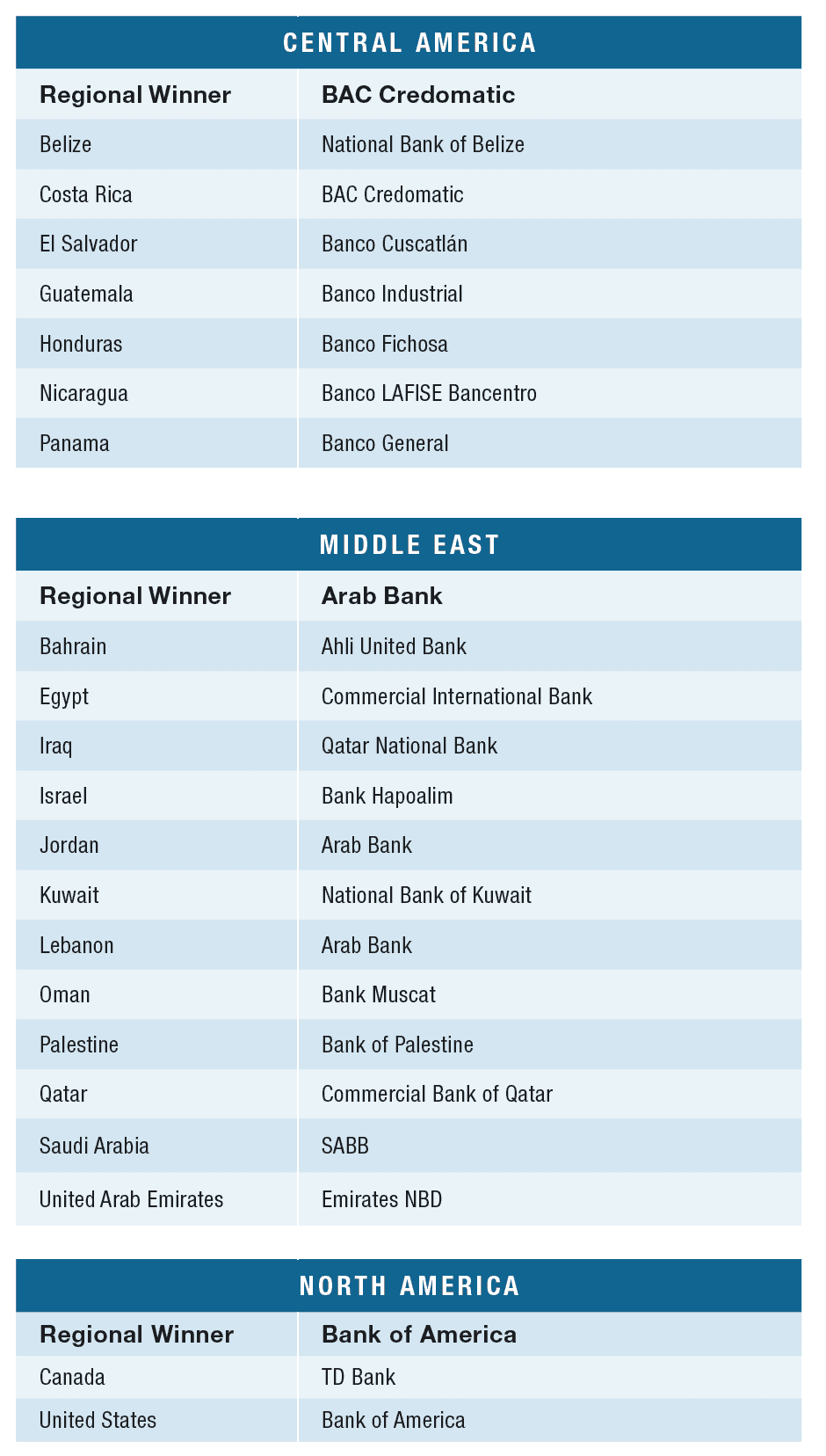
Large, traditional banks like Chase, Bank of America, or Wells Fargo offer an extensive range of services under one roof, from checking and savings accounts to mortgages, investment services, and business banking. Their primary advantage is their physical presence, providing in-person assistance, a sense of security, and typically a broad ATM network. However, these institutions often come with higher overheads, which can translate into more fees or lower interest rates on savings compared to their digital counterparts.
Online-Only Banks: Embracing Digital Efficiency
Banks like Ally Bank, Discover Bank, and Marcus by Goldman Sachs operate entirely online, allowing them to pass on significant savings to customers in the form of lower fees and higher interest rates on savings accounts. They excel in digital convenience, offering robust mobile apps, online portals, and often reimbursing ATM fees. The main drawback is the lack of a physical branch for in-person transactions, which can be a deal-breaker for those who prefer face-to-face interaction or deal with cash frequently.
Credit Unions: Community-Focused Banking
Credit unions are non-profit financial cooperatives owned by their members. This structure often means they offer more competitive loan rates, higher savings rates, and fewer fees than traditional banks. They are known for their personalized customer service and community focus. Membership is typically restricted to individuals who share a common bond (e.g., employer, geographical area), though many have broad eligibility criteria. While their branch networks might be smaller, many participate in shared branching networks, allowing members to conduct transactions at other credit unions.
Neobanks/Challenger Banks: Innovation on the Horizon
Companies like Chime, Revolut, and Monzo are digital-first banks that leverage technology to offer a streamlined, app-centric banking experience. They often focus on specific niches, such as simplified budgeting tools, early direct deposit, or fee-free banking, appealing to tech-savvy users and those seeking alternatives to traditional banking. While they often partner with traditional banks for FDIC insurance, their innovation lies in user experience and features rather than a physical footprint.
Specialized Banking Services and Features
Beyond core checking and savings, banks offer a plethora of services that can enhance your financial management and growth. Considering these specialized features can further refine your choice.
Investment Products and Wealth Management
For those looking to grow their wealth, a bank offering integrated investment platforms (brokerage accounts, mutual funds, ETFs) or comprehensive wealth management services can be incredibly convenient. Having banking and investing under one roof simplifies transfers and provides a holistic view of your finances. Some banks even offer personalized financial advisory services for high-net-worth individuals.
Lending Options: Mortgages, Loans, and Lines of Credit
If you anticipate needing a mortgage, personal loan, auto loan, or a line of credit, comparing a bank’s lending products is essential. Look at interest rates, terms, application processes, and customer reviews regarding their lending experience. Building a relationship with a bank where you hold your primary accounts can sometimes streamline the loan application process or qualify you for preferential rates.
Financial Tools and Budgeting Apps Integration
Many modern banks offer sophisticated online budgeting tools, spending trackers, and goal-setting features directly within their platforms. Furthermore, consider how well a bank integrates with popular third-party budgeting apps like Mint or YNAB. Seamless integration can significantly simplify expense tracking, budgeting, and financial planning, helping you stay on top of your money.
Rewards Programs and Perks
Some banks offer rewards programs tied to their checking accounts, credit cards, or debit cards, providing cashback, points, or travel perks. While these shouldn’t be the sole deciding factor, they can be a pleasant bonus if they align with your spending habits and provide tangible value. Look for sign-up bonuses, referral programs, and other benefits that can enhance your overall banking experience.
Making Your Decision: A Step-by-Step Approach
The journey to finding the “better” bank culminates in a structured decision-making process, moving from research to practical experience.
Research and Comparison: Leveraging Online Tools
Start by listing your top priorities from your initial assessment. Then, use online comparison websites, review aggregators, and the banks’ official websites to gather information on fees, interest rates, features, and customer reviews. Create a spreadsheet to compare your top contenders side-by-side against your criteria. Pay close attention to the fine print, especially regarding fees and conditions for waiving them.
Test Driving Services: Practical Experience
If possible, consider opening a secondary account with a promising bank for a few months before fully committing. This “test drive” allows you to experience their mobile app, online banking portal, customer service, and overall user experience firsthand. You can make small transactions, test transfers, and ask questions to assess if their services genuinely meet your expectations and daily needs.
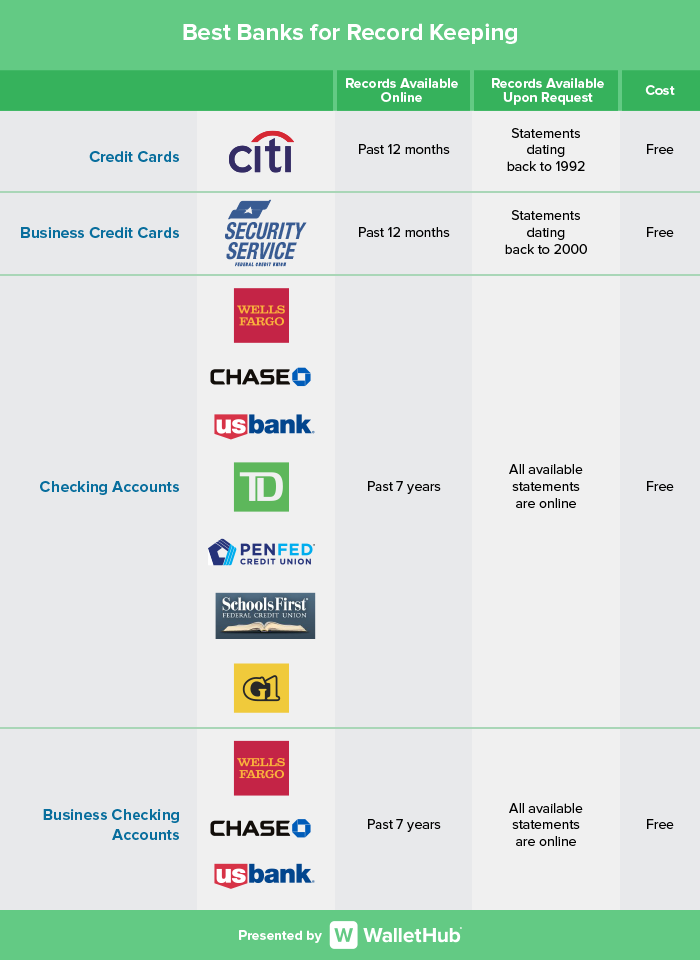
Reviewing and Adapting: Your Bank Choice Isn’t Forever
The banking industry is dynamic, and your financial needs will evolve over time. What’s “better” today might not be “better” in five years. Make it a practice to periodically review your banking relationship, perhaps once a year. Are the fees still competitive? Are the interest rates still attractive? Has your preferred bank introduced new features that benefit you, or has a competitor emerged with a more compelling offer? Be prepared to switch banks if your current one no longer serves your best interests; the process is often much simpler than people imagine.
Ultimately, the question “Which bank is better?” has no single answer because “better” is a deeply personal and evolving metric. By understanding your unique financial profile, diligently evaluating the myriad factors, and embracing a proactive approach to your banking relationship, you can confidently choose a financial partner that empowers your financial present and secures your future.
aViewFromTheCave is a participant in the Amazon Services LLC Associates Program, an affiliate advertising program designed to provide a means for sites to earn advertising fees by advertising and linking to Amazon.com. Amazon, the Amazon logo, AmazonSupply, and the AmazonSupply logo are trademarks of Amazon.com, Inc. or its affiliates. As an Amazon Associate we earn affiliate commissions from qualifying purchases.