
The quest to identify the “best” American bank is a common, yet complex, endeavor for individuals and businesses alike. In a financial landscape characterized by thousands of institutions—ranging from colossal national chains to nimble online-only platforms and community-focused credit unions—pinpointing a single superior option is akin to finding a universal “best” car; the ideal choice is deeply personal and dependent on individual needs, financial habits, and long-term goals. This article will navigate the intricate world of American banking, providing a framework for evaluating options, highlighting key players across different categories, and ultimately empowering you to make an informed decision that aligns with your unique financial journey. We will delve into what truly defines “best” in a banking context, moving beyond superficial metrics to uncover the institutions that genuinely serve their customers’ interests.
Defining “Best” in Banking: A Multifaceted Approach
Before embarking on a comparative analysis, it’s crucial to establish a robust definition of “best.” This isn’t about raw asset size or brand recognition alone. Instead, it’s about identifying the bank that offers the optimal blend of services, accessibility, cost-effectiveness, and customer experience tailored to specific requirements.
Understanding Individual Needs and Priorities
What constitutes “best” for a college student managing their first checking account will differ significantly from a small business owner requiring sophisticated lending options, or a retiree prioritizing high-yield savings and robust investment services. Considerations such as daily transaction volume, credit needs, savings goals, international banking requirements, and even ethical investing preferences all play a pivotal role. Someone who frequently travels might prioritize a bank with extensive international ATM access and no foreign transaction fees, while a busy professional might value a seamless mobile banking experience above all else. Understanding your own financial blueprint is the indispensable first step.
Key Performance Indicators for Evaluation
When objectively assessing a bank, several key performance indicators (KPIs) come into play. These include, but are not limited to, the competitiveness of interest rates on deposits and loans, the transparency and fairness of fees, the breadth and depth of financial products offered, the availability and quality of customer service across multiple channels, the robustness of their digital platforms, and their physical footprint. Beyond these tangible metrics, intangible factors like institutional reputation, customer satisfaction scores, and even a bank’s corporate social responsibility initiatives can sway a decision. A truly “best” bank excels across the board in areas relevant to its target demographic, rather than merely dominating one niche.
Top Contenders: A Look at Diverse Banking Models
The American banking sector is segmented into several distinct models, each with its own advantages and disadvantages. Understanding these categories is essential for narrowing down your search.
Large National Banks: Scale and Accessibility
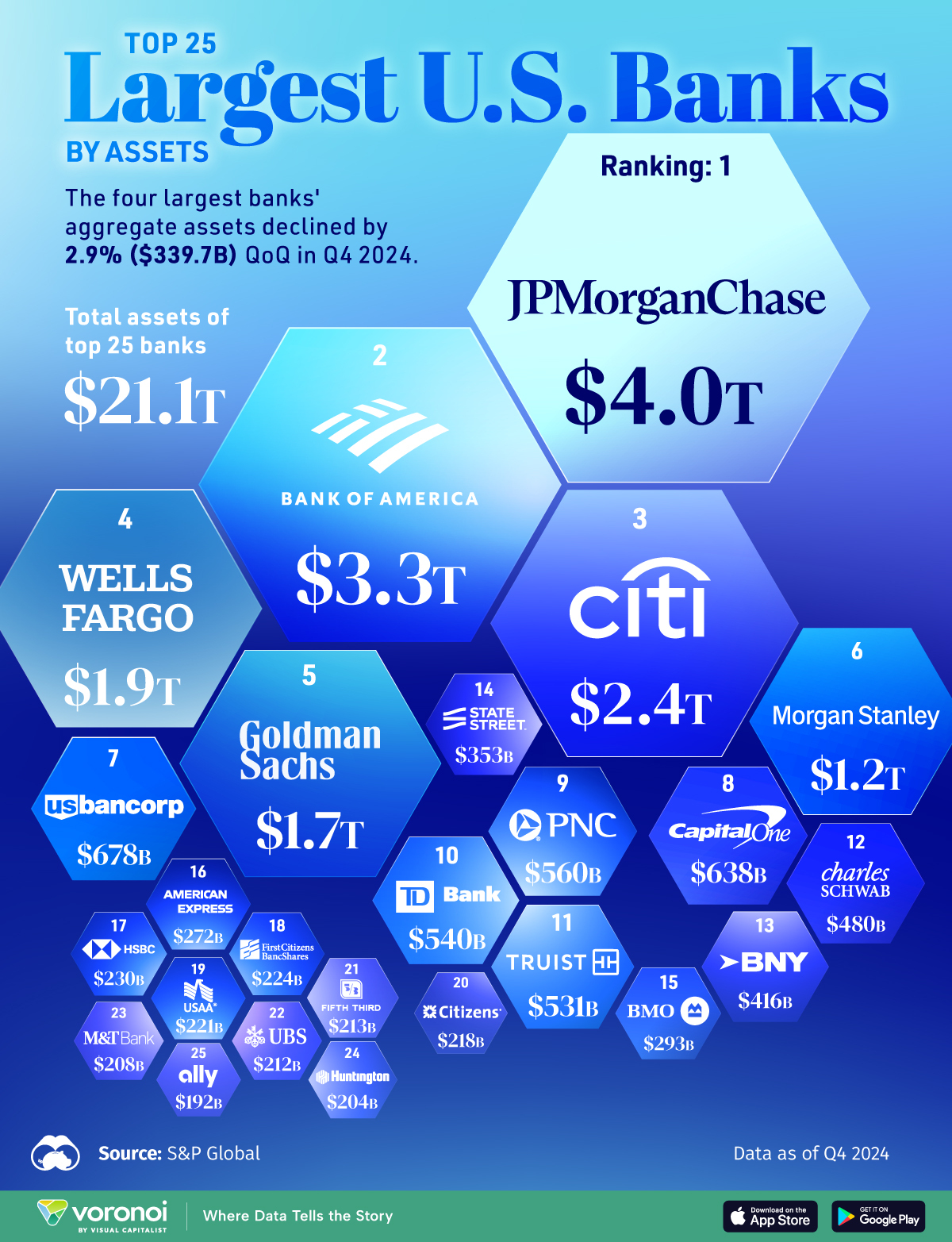
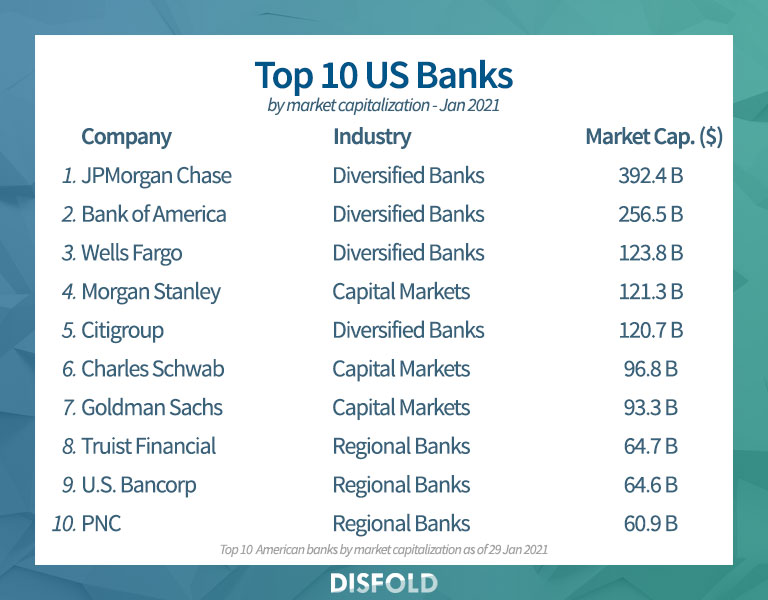
Institutions like JPMorgan Chase, Bank of America, Wells Fargo, and Citibank represent the titans of the American banking industry. Their sheer size affords them unparalleled reach, boasting vast ATM networks, thousands of physical branches across the country, and extensive product portfolios that span consumer banking, investment services, and corporate finance.
-
Pros: Unmatched convenience and accessibility, broad range of services, robust digital platforms, often provide attractive sign-up bonuses.
-
Cons: Can be perceived as impersonal, may have higher fees compared to smaller institutions, customer service can be inconsistent due to scale, lower interest rates on deposits.
-
Best For: Individuals and businesses requiring extensive physical presence, diverse financial products, and established trust, especially those who travel frequently or need complex financial solutions.
Online-Only Banks: Innovation and Lower Fees
Challenger banks and traditional banks that have pivoted to an exclusively online model, such as Ally Bank, Discover Bank, Capital One 360, and Marcus by Goldman Sachs, have disrupted the traditional banking paradigm. By foregoing the overhead of physical branches, they can typically offer higher interest rates on savings, lower (or no) fees, and cutting-edge digital experiences.
-
Pros: High-yield savings accounts, minimal fees, intuitive and robust mobile apps, 24/7 customer service access.
-
Cons: No physical branches for in-person transactions or advice, reliance on ATM networks (often fee-free third-party networks) for cash, direct cash deposits can be challenging.
-
Best For: Tech-savvy individuals prioritizing high returns on savings, low fees, and convenience of managing finances entirely digitally. Ideal for those comfortable with online self-service.
Credit Unions: Member-Centric and Community-Focused
Credit unions, like Navy Federal Credit Union or your local community credit union, are not-for-profit financial cooperatives owned by their members. This structure means that profits are typically reinvested back into the institution in the form of lower fees, better interest rates on loans, and higher yields on savings accounts.
-
Pros: Member-focused approach, personalized customer service, generally lower fees and better rates, strong community ties.
-
Cons: Membership eligibility requirements, smaller branch networks (though some participate in shared branching networks), potentially less advanced digital tools than large banks.
-
Best For: Individuals seeking a community-oriented banking experience, personalized service, and a belief in the cooperative model. Great for those looking for favorable loan rates.
Regional and Community Banks: Personalized Service
These institutions operate on a smaller scale than national banks, focusing their services within specific geographic regions or local communities. They often blend the accessibility of some physical branches with a more personalized customer service approach, similar to credit unions but typically for-profit.
-
Pros: Highly personalized service, deep understanding of local market needs, often quicker decision-making for loans, contributes to local economy.
-
Cons: Limited geographic reach, potentially fewer advanced digital features, less diverse product offerings than national banks.
-
Best For: Individuals and small businesses who value local relationships, tailored financial advice, and a banking partner that understands their specific regional context.
Essential Factors for Evaluating Your Ideal Bank
To effectively compare banks, a detailed examination of specific features is critical. This systematic approach ensures you consider all angles relevant to your financial health.
Fees and Account Structures
Scrutinize monthly maintenance fees, ATM fees (both in-network and out-of-network), overdraft fees, foreign transaction fees, and wire transfer fees. Many banks offer ways to waive monthly fees, such as maintaining a minimum balance, setting up direct deposit, or making a certain number of debit card transactions. Transparent and low-fee structures are fundamental to maximizing your financial resources.
Interest Rates on Savings and Loans
For savings accounts, look for institutions offering competitive Annual Percentage Yields (APYs). Online-only banks often lead in this area. Conversely, if you anticipate needing loans (personal, auto, mortgage), compare Annual Percentage Rates (APRs) from various institutions to secure the most favorable terms. Even a small difference in interest can translate to significant savings or earnings over time.
Branch and ATM Network Accessibility
Consider how often you need to visit a physical branch or use an ATM. If in-person service is a priority, a large national or regional bank with convenient locations is key. If you rarely handle cash, an online bank with robust fee-free ATM networks (like Allpoint or MoneyPass) might suffice.
Digital Banking Experience (Mobile App, Online Platform)
In today’s fast-paced world, a seamless digital experience is non-negotiable. Evaluate the functionality of their mobile app (bill pay, mobile check deposit, budgeting tools, Zelle integration), the intuitiveness of their online banking portal, and the availability of features like instant alerts and card management controls. User reviews on app stores can offer valuable insights.
Customer Service Quality and Responsiveness
How easy is it to reach a human representative? What are their hours of operation? Do they offer multiple contact channels (phone, chat, email, in-person)? Excellent customer service can be a lifesaver when issues arise, so prioritize banks known for their responsive and helpful support.
Range of Financial Products and Services
Beyond basic checking and savings accounts, assess if the bank offers services you might need in the future:
-
Loans: Mortgages, auto loans, personal loans, lines of credit.
-
Investments: Brokerage services, IRAs, wealth management.
-
Business Services: Business checking, merchant services, payroll.
-
Specialized Accounts: CDs, money market accounts, college savings plans.
Financial Health and Security (FDIC/NCUA Insurance)
Ensure your deposits are protected. All reputable American banks are insured by the Federal Deposit Insurance Corporation (FDIC) for up to $250,000 per depositor, per ownership category. Credit unions are similarly insured by the National Credit Union Administration (NCUA). This insurance is critical for safeguarding your funds in the unlikely event of bank failure.
Beyond the Basics: Niche Considerations and Future Trends
The banking industry is constantly evolving, and several emerging trends and niche considerations can influence your choice.
ESG (Environmental, Social, Governance) Initiatives
For a growing number of consumers, a bank’s commitment to Environmental, Social, and Governance principles is a significant factor. This includes supporting renewable energy, ethical lending practices, community reinvestment, and diversity in leadership. Some banks actively promote their ESG efforts, aligning with values-driven customers.
Specialized Services for Businesses or Specific Demographics
Certain banks excel in catering to specific groups. Some offer robust tools and favorable rates for small businesses, while others might focus on veterans, students, or particular religious communities. If you fall into a niche demographic, explore banks that have tailored offerings designed to meet your specific needs.
The Rise of Fintech Integration and AI in Banking
The integration of financial technology (fintech) and artificial intelligence (AI) is transforming banking. This includes AI-powered chatbots for customer service, personalized financial insights, advanced fraud detection, and seamless integration with popular budgeting apps. Banks that embrace these technologies often provide a more convenient and intelligent banking experience.
Making Your Informed Decision: A Step-by-Step Guide
Choosing the “best” bank is ultimately a highly personal decision. By following a structured approach, you can navigate the options with confidence.
Assess Your Financial Habits
Start by thoroughly analyzing your income, expenses, savings goals, and how you typically interact with your money. Do you prefer cash, cards, or digital payments? How often do you need to deposit checks or withdraw cash?
Compare Specific Offerings
Use the factors discussed above to create a comparison checklist. Prioritize the features most important to you and objectively evaluate 3-5 potential banks or credit unions against these criteria. Look at their websites, read their fee schedules, and explore their app features.
Read Reviews and Seek Recommendations
Consult independent review sites (e.g., NerdWallet, Bankrate, Consumer Reports), listen to recommendations from trusted friends and family, and check the Better Business Bureau for complaint histories. While individual experiences vary, patterns in reviews can be very telling.
Don’t Be Afraid to Switch
Your banking needs may change over time. What was “best” for you five years ago might not be the optimal choice today. Periodically reassess your banking relationship and be prepared to switch if a new institution offers a significantly better fit for your evolving financial life. The American banking landscape is competitive, and your loyalty should be earned through consistent value and service.
In conclusion, there isn’t one definitive “best” American bank for everyone. The true “best” bank is the one that best serves your individual financial requirements, offering a harmonious balance of convenience, competitive rates, reasonable fees, and exceptional service. By diligently researching and aligning your choice with your unique profile, you can secure a banking partner that empowers your financial success for years to come.
aViewFromTheCave is a participant in the Amazon Services LLC Associates Program, an affiliate advertising program designed to provide a means for sites to earn advertising fees by advertising and linking to Amazon.com. Amazon, the Amazon logo, AmazonSupply, and the AmazonSupply logo are trademarks of Amazon.com, Inc. or its affiliates. As an Amazon Associate we earn affiliate commissions from qualifying purchases.