
In the complex yet indispensable world of personal and business finance, certain identifiers serve as the very backbone of the system. Among these, the routing number stands out as a crucial element for anyone engaged in banking within the United States. Often overlooked until explicitly needed, knowing “where’s the routing number” and understanding its purpose is fundamental for seamless financial operations, from receiving your paycheck to sending money across the country. This guide aims to demystify the routing number, equipping you with the knowledge to locate it, use it correctly, and understand its vital role in safeguarding your financial transactions.

The Cornerstone of U.S. Banking: What is a Routing Number?
At its heart, a routing number is a nine-digit code assigned to U.S. financial institutions by the American Bankers Association (ABA). It acts like an address label, ensuring that funds sent electronically or via checks arrive at the correct bank. Without this precise identifier, the vast network of financial transactions would grind to a halt, leading to confusion, delays, and potential financial losses.
Decoding the Nine-Digit Identifier
Every routing number adheres to a specific structure, though its exact components are primarily for internal banking use. What’s crucial for consumers and businesses is understanding its purpose: to uniquely identify a bank or credit union within the U.S. banking system. When you initiate a transaction, this number directs the funds to the specific financial institution before your account number directs them to your individual account. This two-tiered identification system ensures accuracy and efficiency, handling trillions of dollars in transfers daily.
Routing Numbers vs. Account Numbers: Clarifying the Distinction
It’s a common point of confusion: what’s the difference between a routing number and an account number? While both are essential for transactions, they serve distinct purposes.
- Routing Number: Identifies the financial institution (your bank). Think of it as the street address of a large building.
- Account Number: Identifies your specific account within that financial institution. This is like your specific apartment or office number within that building.
Both are required for most electronic financial transactions. Providing only one will result in a failed transaction, highlighting the critical interplay between these two identifiers.
Why They Matter: The Role in the U.S. Financial System
Routing numbers are integral to the efficient functioning of the entire U.S. financial system. They facilitate automated clearing house (ACH) transactions, which include direct deposits, automatic bill payments, and electronic fund transfers. They are also indispensable for wire transfers, enabling the rapid movement of funds between banks. Essentially, without a valid routing number, the digital arteries of finance would cease to flow, underscoring their quiet yet profound importance.
Essential Applications: When Do You Need Your Routing Number?
Knowing your routing number isn’t just an exercise in financial literacy; it’s a practical necessity for a multitude of everyday financial activities. From receiving your income to paying your bills, this nine-digit code is silently at work, ensuring your money moves where it needs to go.
Setting Up Direct Deposits
Perhaps the most common use of a routing number is for setting up direct deposit. Whether it’s your salary from an employer, a government benefit check (like Social Security), or a tax refund, direct deposit requires your bank’s routing number along with your account number. This eliminates the need for physical checks, accelerating the availability of funds and reducing the risk of lost or stolen payments. For businesses, setting up payroll direct deposit for employees is a core administrative task that relies heavily on accurate routing number collection.
Facilitating Automated Payments and Transfers
Beyond direct deposits, routing numbers are key to automated clearing house (ACH) transactions, which encompass a broad range of electronic fund transfers. This includes:
- Automatic Bill Payments: Setting up recurring payments for utilities, mortgage, rent, or loan installments directly from your bank account.
- External Account Transfers: Moving money between your accounts at different banks, or sending money to family and friends who bank elsewhere.
- Online Purchases and Payments: While credit/debit cards are prevalent, some online services or billers allow direct bank account payments, leveraging ACH transfers.
These transactions streamline personal finance management, helping individuals avoid late fees and manage cash flow more effectively.
Initiating Wire Transfers
Wire transfers represent another critical use case for routing numbers, particularly for time-sensitive or high-value transactions. Unlike ACH transfers, which are processed in batches, wire transfers are processed individually and typically clear within hours. Domestic wire transfers require the recipient’s bank’s routing number, along with their account number and name. For businesses, wire transfers are essential for vendor payments, large purchases, and international transactions, although international wires often involve additional identifiers like SWIFT codes.
Other Scenarios
The utility of a routing number extends to various other financial scenarios:
- Tax Refunds: If you opt for direct deposit of your tax refund, the IRS will require your bank’s routing number.
- Setting Up Payment Apps: Some peer-to-peer payment apps or online investment platforms may require your routing number to link your bank account for deposits and withdrawals.
- Financial Aid Disbursements: For students receiving financial aid, direct deposit of funds into their bank account often necessitates providing a routing number.
Understanding these applications underscores the importance of readily knowing where to find this crucial identifier.
The Search is Over: Practical Methods to Locate Your Routing Number
The good news is that routing numbers are not top-secret information. Banks make them readily available through several common channels, ensuring that you can quickly access yours when needed.
On Your Checks: The Classic Location
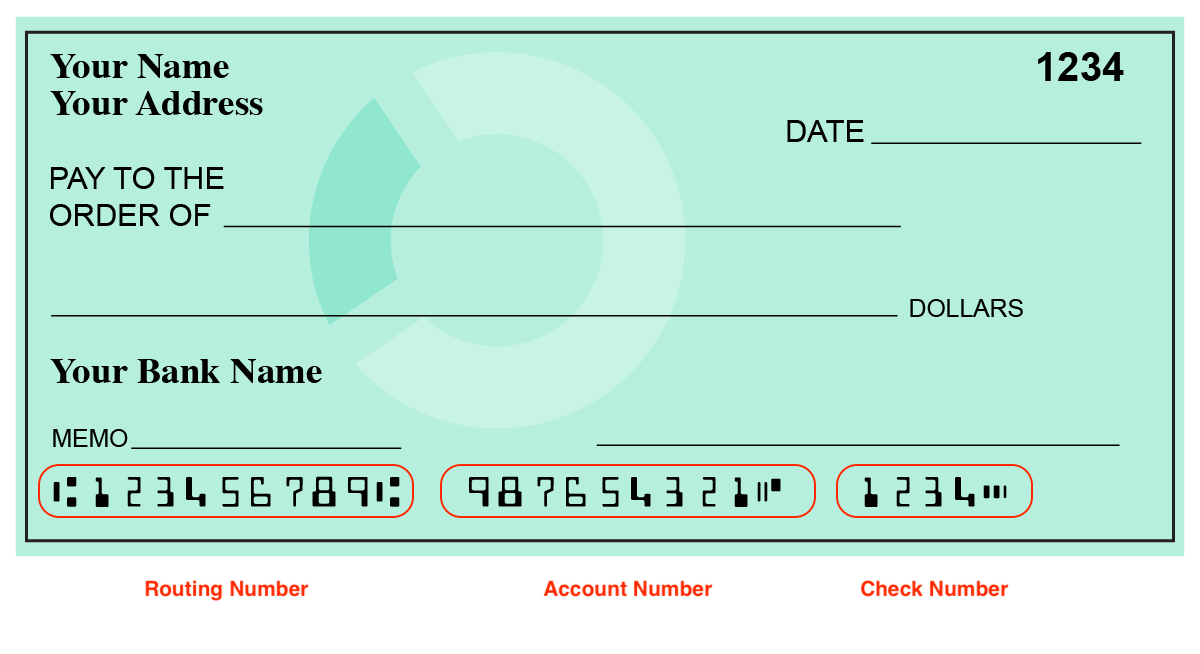
For those who still use paper checks, the most traditional place to find your routing number is right on the bottom of a check. It’s almost always the first set of nine digits printed on the far left, followed by your account number, and then the check number. Be aware that some banks may have a different routing number for checks versus electronic transfers, though this is less common today. Always verify if you’re using it for specific electronic transactions.
Through Online Banking and Mobile Apps: Digital Convenience

In our increasingly digital world, online banking portals and mobile banking apps have become the most convenient way to access your financial information.
- Online Banking: After logging into your bank’s website, navigate to your account details, often labeled “Account Summary,” “Account Information,” or “Direct Deposit Information.” Your routing number is typically displayed prominently alongside your account number.
- Mobile Apps: Similar to online banking, your bank’s mobile app usually provides easy access. Look for “Account Details,” “Statements,” or a “More” menu within your specific account.
Many banks even offer a dedicated “Direct Deposit Form” within their online platforms that pre-fills your routing and account numbers, ready for you to print or email.
Consulting Your Bank Statements: Paper and Electronic
Both paper and electronic bank statements are reliable sources for your routing number.
- Paper Statements: Your routing number is generally printed somewhere on your monthly bank statement, often near your account number, at the top or bottom of the statement.
- Electronic Statements: If you’ve opted for paperless statements, you can access past statements through your online banking portal. Simply download a recent statement, and you’ll find the routing number clearly listed.
Contacting Your Financial Institution Directly: When All Else Fails
If you’ve exhausted other options or prefer direct assistance, calling your bank’s customer service line is always a reliable method. Be prepared to verify your identity by providing personal information (account number, social security number, address, etc.) to ensure you’re the authorized account holder. A quick chat with a representative can confirm the correct routing number for your specific account and transaction type.
Using Public Resources: FDIC Website
While not the primary method, the Federal Deposit Insurance Corporation (FDIC) website maintains a BankFind tool that allows you to search for financial institutions and their routing numbers. This can be useful for verifying a bank’s legitimacy or double-checking a routing number, but it’s generally better to get the number directly from your own bank or bank documents to ensure accuracy for your specific account.
Safeguarding Your Finances: Common Errors and Security Best Practices
While finding your routing number is straightforward, using it correctly and securely is paramount. Mistakes can lead to significant financial headaches, from delayed transactions to potential fraud. Understanding these risks and adopting best practices is an essential part of responsible financial management.
The Perils of Incorrect Numbers
Entering an incorrect routing number can have several negative consequences:
- Transaction Delays: The most common outcome is that your transaction (direct deposit, payment, transfer) will be delayed or rejected. This can mean a missed paycheck, a late bill payment, or a hold-up in receiving crucial funds.
- Fees: Banks may charge fees for rejected transactions or for reversing an incorrect transfer.
- Funds Sent to the Wrong Account: In rarer, more serious cases, if the incorrect routing number happens to belong to another valid bank and the account number is also valid for that bank, your funds could be sent to an entirely different recipient. While recovery processes exist, they can be lengthy and complex, with no guarantee of full recovery.
Protecting Your Financial Information: Phishing Awareness, Secure Storage
Your routing number, combined with your account number, represents access to your funds. Therefore, protecting this information is crucial:
- Be Wary of Phishing Attempts: Never provide your routing or account number in response to unsolicited emails, texts, or phone calls, even if they appear to be from your bank. Banks rarely ask for this information via these channels. Always initiate contact directly with your bank if you have concerns.
- Secure Document Storage: If you keep paper checks or statements, store them in a secure location where unauthorized individuals cannot easily access them. Shred old financial documents before discarding them.
- Use Secure Websites and Apps: Always ensure you’re using your bank’s official website (look for “https://” in the URL) and legitimate mobile apps downloaded from official app stores.
Verifying Your Number: Double-Checking Before Confirming Transactions
The simplest and most effective security measure is also a best practice: always double-check your routing and account numbers before confirming any transaction. A quick review of the digits can prevent errors that lead to frustration, delays, and potential financial risk. When setting up recurring payments or direct deposits, verify the numbers once and then periodically review your statements to ensure transactions are processing correctly.
Beyond Domestic Borders: Routing Numbers in a Global Context
While routing numbers are fundamental to U.S. banking, the global financial landscape employs different identifiers for international transactions. Understanding these distinctions is key if your financial activities extend beyond national borders.
ACH vs. Wire Routing Numbers: Understanding the Nuances
It’s important to note that some larger banks may have different routing numbers for specific types of transactions. For instance, a bank might use one routing number for Automated Clearing House (ACH) transactions (like direct deposits and electronic bill payments) and a different one for wire transfers. While less common with smaller banks, always confirm with your bank which routing number to use for the specific type of transaction you’re initiating. This small detail can prevent significant delays or rejections.
International Transfers: SWIFT/BIC and IBAN
When sending money internationally, routing numbers typically take a backseat to global banking identifiers:
- SWIFT/BIC (Society for Worldwide Interbank Financial Telecommunication / Bank Identifier Code): This is an international standard for identifying banks worldwide. A SWIFT code is an 8-11 character code that specifies the country, city, bank, and branch of the recipient. It’s essential for virtually all international wire transfers.
- IBAN (International Bank Account Number): Primarily used in Europe and other parts of the world, an IBAN is an alphanumeric code that identifies a specific bank account at an international level. It combines the country code, bank code, and account number into a single, comprehensive identifier.
If you are involved in international transactions, you’ll need to provide or request these global identifiers rather than a U.S. routing number. Your U.S. bank will often have its own SWIFT code for receiving international wires.
The Future of Payment Identifiers
The financial world is continuously evolving, with innovations like real-time payments (e.g., FedNow Service in the U.S.) aiming to make transactions faster and more efficient. While the core concept of unique bank identification will remain, the specific mechanisms and identifiers may evolve. However, for the foreseeable future, the routing number will continue to serve as a critical, foundational element of the U.S. financial system, facilitating the flow of money with precision and reliability.
In conclusion, understanding “where’s the routing number,” its purpose, and how to use it responsibly is an indispensable aspect of modern financial literacy. It empowers individuals and businesses to navigate the banking system with confidence, ensuring that their money moves accurately and securely, supporting the myriad transactions that power our economy.
aViewFromTheCave is a participant in the Amazon Services LLC Associates Program, an affiliate advertising program designed to provide a means for sites to earn advertising fees by advertising and linking to Amazon.com. Amazon, the Amazon logo, AmazonSupply, and the AmazonSupply logo are trademarks of Amazon.com, Inc. or its affiliates. As an Amazon Associate we earn affiliate commissions from qualifying purchases.