
In the dynamic world of finance, the question “Where’s the Dow today?” echoes through boardrooms, financial news channels, and personal investment apps alike. It’s more than just a casual inquiry; it’s a daily ritual for millions, a quick pulse check on the health and direction of the broader U.S. stock market. The Dow Jones Industrial Average (DJIA), often simply referred to as “the Dow,” holds a unique and historically significant position as one of the oldest and most frequently cited stock market indices. While modern finance offers a plethora of sophisticated indicators and benchmarks, the Dow retains its power as a straightforward, accessible barometer for market sentiment and economic performance.
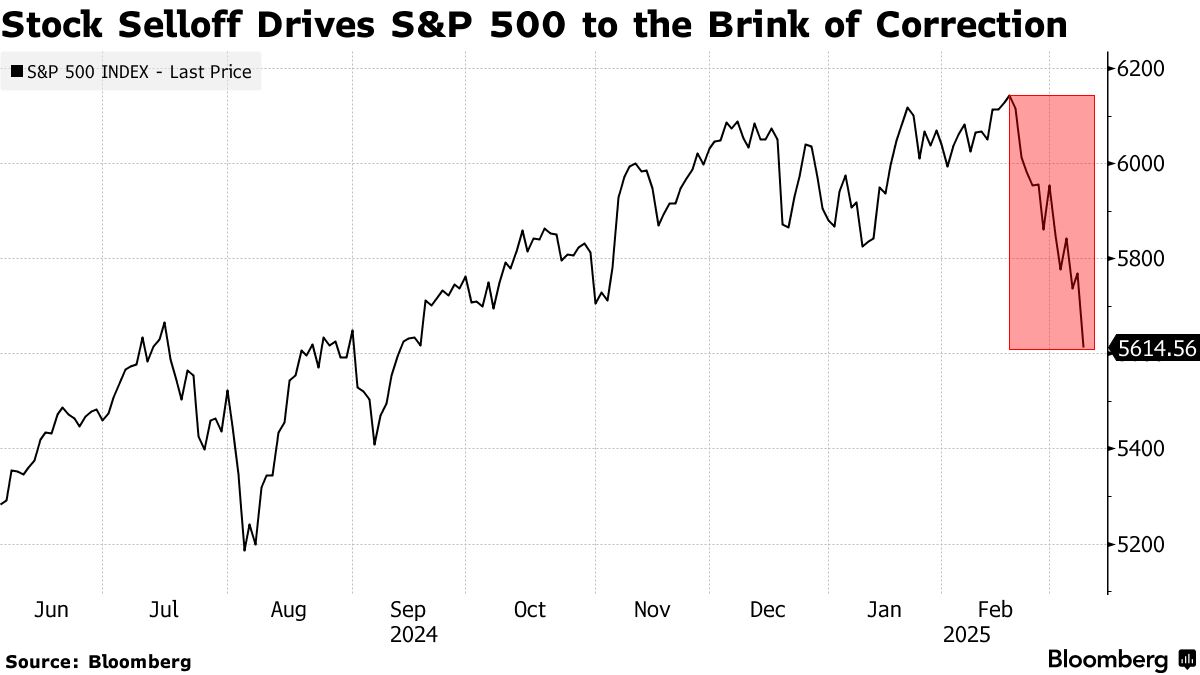
Understanding its movements requires looking beyond the headline number to grasp what it represents, what drives its daily fluctuations, and how its performance can inform—but not dictate—individual investment strategies. For seasoned investors, financial professionals, and curious newcomers alike, dissecting the Dow’s position offers a window into the complex interplay of corporate earnings, economic policies, global events, and collective investor psychology that shapes our financial landscape.
Understanding the Dow Jones Industrial Average (DJIA)
The Dow Jones Industrial Average is often seen as a proxy for the entire U.S. stock market, a role it has played since its inception. However, a deeper dive reveals its specific composition and the nuances that differentiate it from other market indices.
A Legacy of Industrial Giants
Conceived by Charles Dow, co-founder of Dow Jones & Company, and editor of The Wall Street Journal, the DJIA was first published on May 26, 1896. Initially comprising just 12 predominantly industrial stocks—companies like General Electric, American Tobacco, and U.S. Leather—it aimed to track the performance of the burgeoning American industrial sector. Over its long history, the list of constituents has evolved dramatically, reflecting shifts in the U.S. economy from manufacturing to technology, finance, and healthcare. Today, the DJIA comprises 30 large, publicly owned companies traded on the NASDAQ and the New York Stock Exchange. These are often referred to as “blue-chip” stocks, representing established, financially sound companies with a long history of reliable earnings and dividends. While “industrial” is still in its name, the index now includes a diverse cross-section of leading companies across various sectors, making it a broader representation of the American corporate landscape.
More Than Just a Number
For many, the Dow’s daily movement—up by a few hundred points, down by a few points—is the first piece of financial news they consume. This number, however, is not just an arbitrary figure; it’s a weighted average that aims to reflect the collective health and investor confidence in these 30 influential companies. When the Dow rises, it suggests that investors are generally optimistic about the prospects of these major corporations and, by extension, the broader economy. Conversely, a fall often signals caution, concern, or a collective re-evaluation of future growth expectations. While it only represents 30 companies out of thousands, their sheer size, market capitalization, and influence mean their performance often has a ripple effect across supply chains, consumer spending, and investor sentiment.
The Price-Weighted Enigma
Crucially, the DJIA is a price-weighted index, a methodology that sets it apart from more common market-capitalization-weighted indices like the S&P 500. In a price-weighted index, stocks with higher share prices have a greater influence on the index’s value than stocks with lower share prices, regardless of their company’s overall market capitalization. For instance, if a company trading at $300 a share moves by 1%, it will affect the Dow more significantly than a company trading at $100 a share, even if the latter has a much larger total market value. This unique weighting means that a relatively small percentage change in a high-priced Dow stock can have a disproportionate impact on the index’s overall movement. While this methodology is debated for its representativeness, it is an integral part of the Dow’s historical calculation and current behavior, requiring investors to understand this nuance when interpreting its daily movements.
Tracking the Dow: Tools and Techniques for Real-Time Insights
In today’s interconnected world, monitoring the Dow’s every tick is simpler than ever. A myriad of tools and platforms put real-time market data at investors’ fingertips, transforming market tracking from an exclusive domain to a universally accessible activity.
Digital Dashboards and Financial News Platforms
The most common way to track the Dow is through widely available digital platforms. Major financial news websites like The Wall Street Journal, Bloomberg, Reuters, CNBC, and Yahoo Finance offer dedicated market sections with real-time or near real-time quotes for the DJIA. These platforms typically display the current index value, its net change (in points and percentage), the trading volume, and often interactive charts showing its performance over various timeframes (daily, weekly, monthly, annually). Many also provide news feeds, analyst commentary, and economic calendars that offer context to the movements. Dedicated financial apps for smartphones and tablets further enhance this accessibility, sending push notifications for significant market shifts and allowing users to customize watchlists that include the Dow and its components.
Brokerage Accounts and Investment Tools
For active investors, personal brokerage accounts serve as comprehensive hubs for market tracking. Platforms offered by brokers like Fidelity, Charles Schwab, E*TRADE, Vanguard, and Robinhood often integrate advanced charting tools, real-time data feeds, and news aggregation services directly within their interfaces. These tools allow investors to not only see “where the Dow is today” but also to analyze its performance against their own portfolios, set up alerts for specific price targets, and conduct deeper research into the constituent companies. Features like technical indicators (moving averages, RSI, MACD) and fundamental data (earnings reports, P/E ratios) are often readily available, providing a richer context for interpreting market movements.
Interpreting the Fluctuations
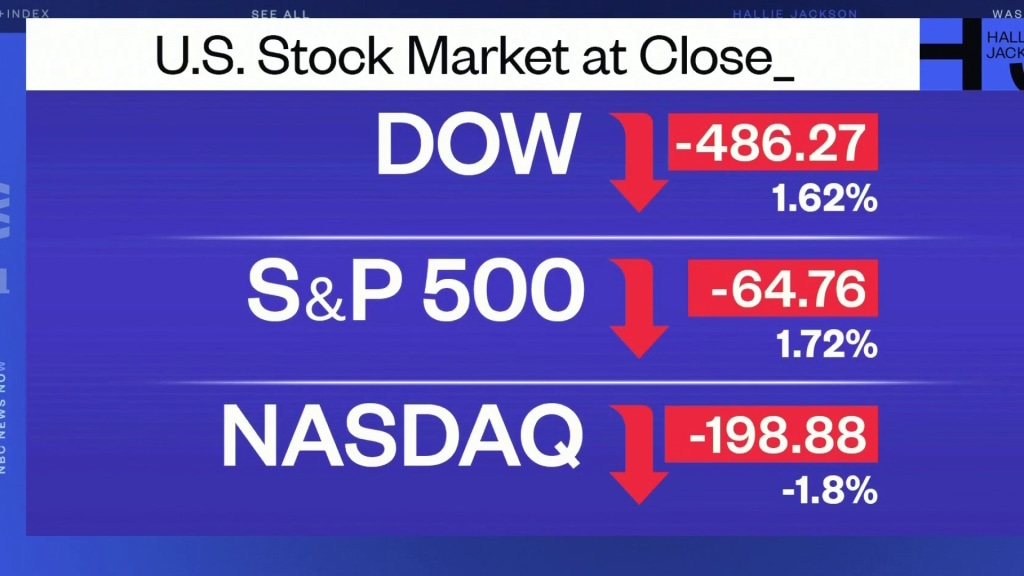
Beyond simply noting whether the Dow is “up” or “down,” effective tracking involves interpreting the significance of its fluctuations. A 50-point move might be negligible on a day when the index is near 35,000, but a similar move could be more significant if the index were much lower. Investors look at the magnitude of the change (both in points and percentage), the volume of trading (high volume accompanying a move can indicate conviction), and the trend over time. Is today’s movement part of a larger upward or downward trend, or is it an isolated event? Understanding the context—what economic data was released, which companies reported earnings, what geopolitical news broke—is crucial for moving beyond a superficial understanding of the daily number.
What Drives the Dow? Key Influencers and Economic Indicators
The Dow’s daily performance is not random; it is the culmination of myriad forces acting upon its constituent companies and the broader economic environment. Unpacking these drivers provides a more nuanced understanding of market dynamics.
Corporate Earnings and Sector Performance
At the most fundamental level, the Dow reflects the collective health and profitability of its 30 components. Strong corporate earnings reports from these blue-chip companies, particularly those with higher stock prices, tend to push the index higher, signaling robust business activity and future growth potential. Conversely, disappointing earnings, reduced guidance, or sector-specific headwinds (e.g., a slowdown in consumer spending impacting retail giants, or regulatory challenges for tech firms) can drag the index down. Because the DJIA is diversified across several key sectors—including technology, finance, healthcare, industrials, and consumer discretionary—the performance of one or two dominant sectors can significantly influence its overall direction.
Macroeconomic Forces
Broader economic conditions are powerful determinants of the Dow’s trajectory. Key macroeconomic indicators include:
- Interest Rates: Decisions by the Federal Reserve on interest rates heavily influence borrowing costs for businesses and consumers, impacting corporate profits and investment attractiveness. Higher rates can cool an overheating economy but also dampen growth.
- Inflation: Persistent inflation erodes purchasing power and can lead central banks to raise rates, creating headwinds for corporate earnings and consumer demand.
- Gross Domestic Product (GDP): A strong GDP report indicates economic growth, which typically bodes well for corporate revenues and profits.
- Employment Data: Low unemployment and rising wages suggest a healthy consumer base, bolstering spending and economic activity. Conversely, high unemployment signals economic weakness.
- Consumer Confidence: Surveys of consumer sentiment provide insight into future spending patterns, which are a major driver of economic growth.
These indicators are closely watched by investors, as they provide clues about the future direction of the economy and, consequently, corporate profitability.
Geopolitical Events and Global Market Dynamics
In an increasingly interconnected world, events far beyond U.S. borders can send ripples through the Dow. Geopolitical tensions (e.g., trade disputes, armed conflicts, political instability in major economic regions), international commodity price fluctuations (especially oil), and the economic performance of other major global economies (like China or the European Union) can all impact investor confidence and the valuation of multinational Dow components. For instance, a trade war could negatively impact companies reliant on global supply chains or export markets, while a surge in oil prices could pinch consumers and transport-heavy industries.
Investor Sentiment and Market Psychology
Beyond hard data, market psychology plays a crucial, sometimes irrational, role. Investor sentiment—the overall optimistic or pessimistic mood of the market—can amplify or dampen the impact of fundamental news. Periods of “irrational exuberance” can lead to asset bubbles, while moments of panic can trigger sharp sell-offs. Factors like fear, greed, herd mentality, and confidence (or lack thereof) can cause the Dow to overshoot or undershoot what fundamental analysis might suggest. News headlines, analyst upgrades/downgrades, social media trends, and even broad economic narratives can quickly sway collective sentiment, leading to significant short-term volatility.
The Dow’s Role in Your Investment Strategy
While fascinating to track, the Dow’s daily movements should be understood within the broader context of a sound, long-term investment strategy. It serves as an important indicator, but rarely as the sole determinant of individual portfolio decisions.
A Barometer, Not a Portfolio
The Dow is an excellent barometer for general market trends and sentiment. It can signal periods of economic expansion or contraction and provide a snapshot of investor confidence in large-cap American companies. However, it is not designed to be a diverse, ready-made portfolio for an individual investor. Its 30 components, while influential, represent only a fraction of the investable universe. Relying solely on the Dow as a guide for personal investment risks over-concentration in a specific set of companies and sectors, missing out on growth opportunities elsewhere, and failing to achieve true diversification.
Diversification Beyond the Blue Chips
A fundamental principle of sound investing is diversification. This means spreading your investments across various asset classes (stocks, bonds, real estate), different market capitalizations (small-cap, mid-cap, large-cap), different sectors, and even different geographies. While the Dow’s blue-chip companies offer stability, a well-diversified portfolio would also include companies outside the DJIA, emerging market exposure, fixed-income investments, and potentially alternative assets. This broad approach helps mitigate risk, as underperformance in one area can be offset by stronger returns in another. Focusing too narrowly on the Dow’s performance might lead investors to neglect these critical diversification tenets.
Long-Term Vision vs. Daily Noise
The daily fluctuations of the Dow are, for most long-term investors, simply “noise.” Reacting emotionally to every up or down tick can lead to poor decision-making, such as panic selling during a downturn or chasing fleeting gains during a rally. A professional, insightful approach emphasizes a long-term investment horizon, where the compounding of returns over years, even decades, is the primary driver of wealth accumulation. Daily market movements are often driven by short-term news, algorithmic trading, and transient sentiment. Successful investing requires a disciplined approach, sticking to a well-researched asset allocation strategy, and resisting the urge to make rash decisions based on short-term market volatility. Understanding “where the Dow is today” should inform, not control, your long-term perspective.
Looking Ahead: Navigating Market Volatility and Future Trends
The financial markets are in a constant state of evolution, and the Dow, while a venerable index, is also subject to these changes. Navigating future market volatility requires adaptability, strategic planning, and continuous learning.
Adapting to Economic Shifts
The global economy is perpetually in flux, facing challenges from technological disruption, climate change, demographic shifts, and evolving geopolitical landscapes. Investors must remain agile, understanding how these macro trends might impact the profitability of Dow components and the broader market. This might involve re-evaluating sector allocations, considering companies with resilient business models, or hedging against certain risks. Economic cycles are inevitable; preparing for downturns during periods of prosperity and identifying opportunities during corrections are hallmarks of prudent financial management. The Dow’s composition itself adapts, with companies being added or removed to ensure it remains a relevant barometer of the U.S. economy, underscoring the need for investors to similarly adapt their understanding and strategies.
The Rise of Index Funds and ETFs
For many investors, directly investing in the Dow or its components can be resource-intensive. A more accessible and diversified approach is through index funds or Exchange Traded Funds (ETFs) that track the Dow Jones Industrial Average or, more commonly, broader indices like the S&P 500 or the total U.S. stock market. These investment vehicles offer instant diversification at a low cost, allowing investors to participate in the market’s overall performance without needing to pick individual stocks. An ETF tracking the Dow, for example, would passively hold shares of all 30 companies in the index, adjusting its holdings as the Dow’s composition changes. This provides a pragmatic way for individuals to align with market trends while adhering to principles of diversification and low-cost investing.

Continuous Learning and Financial Literacy
Ultimately, the ability to understand “where the Dow is today” and, more importantly, why it is there, is a cornerstone of financial literacy. The financial world is complex, and staying informed is not a one-time task but an ongoing commitment. This includes keeping abreast of economic news, understanding different investment vehicles, recognizing the impact of monetary policy, and developing a sound financial plan. For individuals, this means engaging with financial education resources, consulting with advisors when necessary, and consistently reviewing and adjusting their investment strategies to align with their financial goals and risk tolerance. In an age of information overload, discerning credible insights from fleeting speculation is paramount. By fostering a culture of continuous learning, investors can empower themselves to make informed decisions, transforming the simple query of “where’s the Dow today?” into a powerful tool for strategic financial planning and wealth building.
aViewFromTheCave is a participant in the Amazon Services LLC Associates Program, an affiliate advertising program designed to provide a means for sites to earn advertising fees by advertising and linking to Amazon.com. Amazon, the Amazon logo, AmazonSupply, and the AmazonSupply logo are trademarks of Amazon.com, Inc. or its affiliates. As an Amazon Associate we earn affiliate commissions from qualifying purchases.