
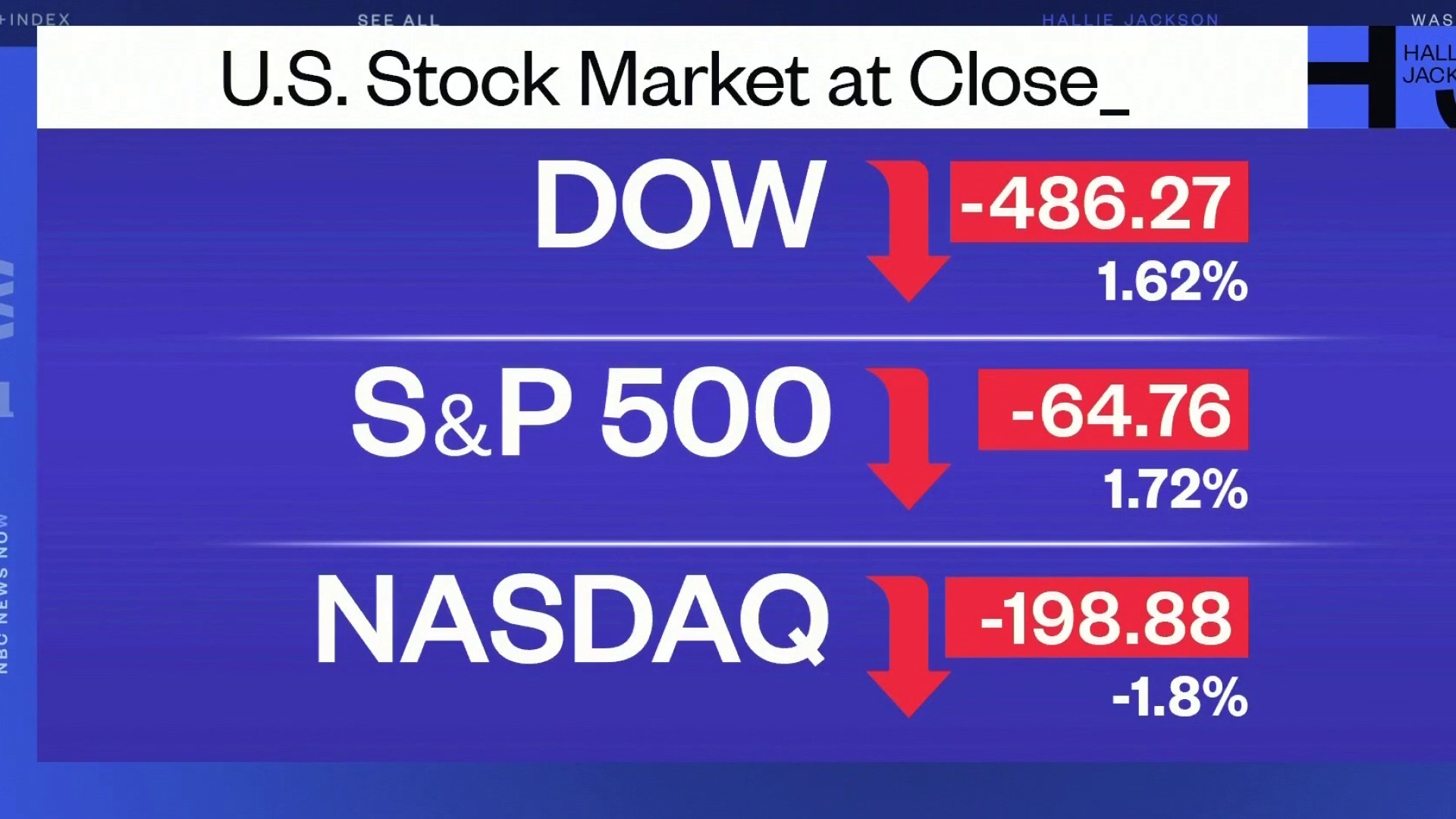
In the fast-paced world of finance, the question “where’s the Dow Jones at today?” is more than just casual curiosity; it’s often the opening line for daily market discussions, a quick pulse check on the health of the economy, and a pivotal data point for investors worldwide. The Dow Jones Industrial Average (DJIA) stands as one of the most recognized barometers of U.S. economic performance, representing the stock market journey of 30 iconic American companies. While its daily fluctuations can seem daunting or exhilarating, understanding what the Dow represents, what influences its movements, and how to interpret its status is crucial for making informed financial decisions. This article delves into the daily reality of the Dow, exploring its significance, the forces that shape its value, and how investors can effectively track and react to its performance within a broader financial strategy.

Understanding the Dow Jones Industrial Average
Before we track its daily status, it’s essential to grasp what the Dow Jones Industrial Average truly is and why it commands so much attention. Far from being just a random collection of stocks, the DJIA is a carefully curated index with a rich history, designed to offer a snapshot of the U.S. industrial sector, and by extension, the broader economy.
A Legacy of Market Representation
The Dow Jones Industrial Average was first published on May 26, 1896, by Charles Dow, editor of The Wall Street Journal and co-founder of Dow Jones & Company. Initially comprising just 12 companies, predominantly industrial titans like General Electric and American Cotton Oil, its purpose was to provide a clear, concise measure of the market’s direction. Over a century later, its composition has evolved, reflecting shifts in the American economy from heavy industry to technology, finance, and consumer goods. Today, the DJIA consists of 30 “blue-chip” companies—large, well-established, and financially sound corporations that are leaders in their respective industries. These companies are selected for their reputation, sustained growth, and broad investor interest, aiming to reflect the diversity and dynamism of the U.S. economy. While the name “Industrial Average” persists, its constituents now span a wide array of sectors, from Apple and Microsoft in technology to Goldman Sachs in finance and Coca-Cola in consumer goods. This evolution ensures the Dow remains relevant as a gauge of overall market sentiment and economic health.
More Than Just a Number: Calculation and Influence
Unlike market-capitalization-weighted indices such as the S&P 500, the Dow Jones Industrial Average is a price-weighted index. This means that stocks with higher share prices have a greater impact on the index’s value than those with lower share prices, regardless of their total market capitalization. A change of one dollar in a higher-priced stock will move the index more than a one-dollar change in a lower-priced stock. This unique calculation method, managed by S&P Dow Jones Indices, utilizes a “Dow Divisor,” which is adjusted for stock splits, spin-offs, and other structural changes to maintain continuity. Consequently, the Dow’s point value isn’t directly interpretable as a dollar amount or a percentage of all market value; rather, it’s an indicator of the collective movement of its 30 components. Despite its methodological quirks, the Dow’s influence is undeniable. It serves as a widely referenced benchmark for institutional investors, a frequent headline across financial news, and a shorthand for the performance of the U.S. stock market. Its status as a barometer for economic confidence means its movements are scrutinized for signs of growth, recession, or stability.
Decoding Daily Fluctuations: What Moves the Dow?
The Dow Jones Industrial Average rarely stands still. Its value is a dynamic reflection of countless factors, from macroeconomic shifts to individual corporate announcements. Understanding these drivers is key to interpreting “where the Dow is at today” with greater insight.
Economic Indicators and Corporate Performance
The most direct influences on the Dow come from the economic landscape and the performance of its constituent companies. Macroeconomic data releases often send ripples through the market. For instance, reports on inflation (CPI), gross domestic product (GDP) growth, unemployment rates, and consumer confidence provide insights into the health of the economy, directly impacting investor sentiment and corporate outlooks. Positive economic news typically signals stronger corporate earnings and consumer spending, pushing the Dow higher, while negative news can trigger declines. Furthermore, decisions made by the Federal Reserve, particularly concerning interest rates, play a pivotal role. Higher interest rates can increase borrowing costs for businesses and consumers, potentially slowing economic growth, while lower rates can stimulate it. Beyond the broader economy, the earnings reports of the 30 companies within the Dow are critical. Strong earnings, positive revenue growth, and optimistic forward guidance from giants like Microsoft or Apple can significantly boost the index, whereas missed expectations or cautious outlooks can drag it down. Each quarter, investors eagerly await these reports as a direct measure of corporate vitality.
Geopolitical Events and Market Sentiment
Beyond the fundamentals, the Dow is also highly susceptible to external shocks and the fickle nature of market sentiment. Geopolitical events, ranging from international trade disputes and political instability in key regions to global health crises or significant policy changes in major economies, can create widespread uncertainty and fear, leading to market sell-offs. Conversely, resolutions to such conflicts or positive diplomatic breakthroughs can fuel rallies. Investor psychology, or market sentiment, often amplifies or dampens these effects. Fear and greed are powerful emotions that can drive irrational exuberance or panic selling, sometimes decoupling market movements from underlying fundamentals in the short term. News cycles, social media trends, and even influential analyst ratings can contribute to rapid shifts in how investors perceive future prospects, creating volatility in the Dow’s daily performance. Understanding that the market is not always rational is crucial for long-term investors.
The Role of Sectoral Performance
While the Dow comprises a diverse set of companies, specific sectors can sometimes exert outsized influence on its daily movements. For example, if several technology giants within the Dow (like Apple, Microsoft, Salesforce) perform exceptionally well or poorly on a given day, their collective impact can significantly sway the entire index due to their high share prices and large weighting. Similarly, shifts in consumer spending heavily affect companies like Walmart, Home Depot, or Nike, while changes in commodity prices might indirectly impact industrial firms. An economic report indicating robust manufacturing activity might bolster industrial stocks, lifting the Dow, while concerns over bank profitability could drag down financial constituents like JPMorgan Chase or Goldman Sachs. This sectoral lens highlights that even within a diversified index, specific industry trends and events can dominate the day’s narrative and determine “where the Dow is at.”
Tracking the Dow Jones in Real-Time
Knowing the factors that move the Dow is one thing; consistently tracking its movements and interpreting the data effectively is another. Thankfully, a wealth of resources are available to keep investors informed.
Essential Tools for Investors

In today’s digital age, accessing real-time Dow Jones data is easier than ever. Financial news websites are primary sources. Reputable outlets like Bloomberg, The Wall Street Journal, Reuters, CNBC, and Yahoo Finance offer live updates, detailed charts, news headlines impacting component companies, and expert analysis. Many of these platforms also provide customizable watchlists, allowing users to track the Dow alongside other indices and individual stocks. Brokerage platforms (e.g., Fidelity, Charles Schwab, Robinhood) offer integrated market data, charts, and news feeds directly within their trading interfaces. This provides a comprehensive view for investors managing their portfolios. Additionally, numerous dedicated market apps (e.g., Investing.com, StockTwits) provide real-time quotes, customizable alerts, and community forums for discussion, making it convenient to check the Dow’s status on the go. Leveraging a combination of these tools ensures a holistic and up-to-the-minute understanding of the market.
Interpreting the Data: Beyond the Headline Number
When you see a headline announcing “Dow closes up 200 points,” it’s just the tip of the iceberg. True insight comes from looking beyond that single number. Important data points to consider include:
- Percentage Change: A 200-point gain means different things if the Dow is at 10,000 points versus 35,000 points. The percentage change offers a more accurate measure of the magnitude of movement.
- Opening and Closing Prices: These indicate the Dow’s value at the start and end of the trading day, showing the net change over the session.
- Intraday Highs and Lows: Tracking these points reveals the volatility throughout the day, indicating how much the Dow fluctuated before settling at its closing price.
- Trading Volume: Higher trading volume on a significant price move (up or down) can indicate a stronger conviction behind that move, suggesting broader market participation.
- News Context: Always pair the numbers with the day’s financial news. Was the rise due to positive earnings, or did a geopolitical event trigger the fall? Context is crucial for understanding the why behind the numbers.
The Dow’s Broader Implications for Your Investments
While the Dow Jones provides a daily snapshot, its movements should always be viewed within the context of a well-defined, long-term investment strategy. Reacting impulsively to daily swings can be detrimental to financial goals.
Daily Noise vs. Long-Term Strategy
For most long-term investors, the Dow’s daily fluctuations are merely “noise.” While interesting to follow, a single day’s gain or loss rarely impacts a diversified portfolio built for decades. Focusing too heavily on short-term movements can lead to emotional decisions, such as panic selling during a downturn or buying into overvalued assets during a surge. A fundamental principle of successful investing is to develop a robust long-term strategy, stick to it, and rebalance periodically. This often means riding out market volatility, understanding that corrections are a normal part of market cycles, and staying invested to capture the power of compounding over time. The Dow, despite its headline appeal, is just one data point in a much larger, multi-year investment journey.
Diversification and a Holistic Market View
While the Dow is prominent, it’s crucial to remember that it represents only 30 companies. For a more comprehensive view of the U.S. stock market, investors should also consider other indices. The S&P 500, which tracks 500 of the largest U.S. companies by market capitalization, is often considered a better indicator of the overall market’s health due to its broader scope and weighting methodology. The Nasdaq Composite, heavily weighted towards technology and growth companies, provides insight into a different segment of the economy. A truly diversified portfolio will likely hold investments that track these broader indices, not just the Dow. Understanding how the Dow moves in relation to the S&P 500 and Nasdaq can provide a more nuanced understanding of which sectors or company sizes are driving market trends. Relying solely on the Dow can provide a skewed perspective.
Adapting to Market Cycles
The Dow’s long history clearly illustrates the cyclical nature of the stock market, moving through periods of growth (bull markets) and contraction (bear markets), often punctuated by corrections (short-term declines of 10% or more). Understanding these cycles is crucial for investors. A rising Dow during a bull market might encourage investment, but it also warrants caution regarding potential overvaluation. Conversely, a falling Dow during a bear market or correction can present opportunities for savvy investors to buy quality assets at lower prices, provided they have a long-term horizon and the discipline to execute such a strategy. The Dow’s current position must be assessed within the broader context of the prevailing market cycle to anticipate future trends and adjust investment strategies accordingly, not by reacting to every single point change.
Navigating Volatility and Making Informed Decisions
The Dow Jones Industrial Average is a powerful indicator, but its daily movements are only part of the story. For successful investing, one must cultivate a disciplined approach that transcends immediate headlines.
The Importance of Fundamental Analysis
While technical analysis (studying charts and price movements) has its place, particularly for short-term traders, long-term investors should prioritize fundamental analysis. This involves evaluating the intrinsic value of a company by examining its financial statements, management quality, competitive landscape, industry outlook, and overall economic conditions. For companies within the Dow, this means scrutinizing their earnings, revenue growth, debt levels, and future prospects, rather than just their stock price. Understanding the underlying health and growth potential of the companies that comprise the Dow allows investors to make more rational decisions, identifying strong performers that are likely to contribute positively to the index over time, regardless of daily market noise.
Risk Management and Emotional Discipline
No investment comes without risk, and the stock market, as reflected by the Dow, experiences both ups and downs. Effective risk management involves diversifying one’s portfolio across different asset classes (stocks, bonds, real estate), sectors, and geographies to mitigate the impact of poor performance in any single area. It also means investing only what you can afford to lose and establishing clear financial goals. Equally important is emotional discipline. The human tendency to succumb to fear when the market drops or greed when it surges can lead to costly mistakes. Developing a long-term perspective, sticking to a pre-defined investment plan, and avoiding impulsive decisions driven by daily Dow movements are hallmarks of successful investors. Regular rebalancing and maintaining a cash reserve can further bolster resilience against market volatility.
Conclusion
The question “where’s the Dow Jones at today?” is a gateway to understanding the pulse of the market, a reflection of both economic realities and investor sentiment. As a venerable and widely followed index, the Dow Jones Industrial Average offers a valuable snapshot of U.S. market performance. However, its daily gyrations, driven by a complex interplay of economic data, corporate performance, geopolitical events, and investor psychology, should be interpreted with perspective. For astute investors, the Dow is not merely a number to react to, but a data point to integrate into a broader financial strategy. By understanding what moves the Dow, utilizing effective tracking tools, recognizing the difference between short-term noise and long-term trends, and exercising disciplined risk management, individuals can navigate the market’s ebb and flow more effectively, working towards their financial goals with insight and confidence.
aViewFromTheCave is a participant in the Amazon Services LLC Associates Program, an affiliate advertising program designed to provide a means for sites to earn advertising fees by advertising and linking to Amazon.com. Amazon, the Amazon logo, AmazonSupply, and the AmazonSupply logo are trademarks of Amazon.com, Inc. or its affiliates. As an Amazon Associate we earn affiliate commissions from qualifying purchases.