
For many, the question “Where’s my calculator?” evokes a nostalgic image: a distinct, often scientific-looking device with an array of buttons, perhaps solar-powered, retrieved from a pencil case or a desk drawer. It was a singular tool with a singular purpose: to compute. Today, that question rings with a different resonance. It’s less about a physical search and more about a cognitive one, a subtle lament for a simpler computational landscape. The calculator hasn’t disappeared; it has evolved, fragmented, integrated, and, in doing so, become both omnipresent and oddly elusive as a distinct entity. We are surrounded by computational power far beyond the wildest dreams of early engineers, yet the very act of a simple calculation can sometimes feel convoluted. This article will explore this profound transformation, from the dedicated gadget of yesteryear to the diffuse, intelligent computational fabric of today, and what it means for how we interact with numbers.

The Vanishing Gadget: From Desk Accessory to Digital Ghost
The journey of the calculator is a testament to technological progress, moving from complex mechanical marvels to pocket-sized electronic devices. Yet, this very progress has led to the “vanishing” of the dedicated calculator for most everyday users, its functions absorbed into the digital ecosystem.
A Legacy of Buttons and Screens
Before the digital age, calculating was a laborious task. From abacuses to slide rules, and then to mechanical adding machines, computation required specialized instruments and considerable effort. The advent of the electronic calculator in the 1960s revolutionized this. Suddenly, complex arithmetic was at one’s fingertips, democratizing access to mathematical power previously reserved for engineers and accountants. These devices, whether a basic four-function model or a sophisticated scientific calculator, were indispensable tools for students, professionals, and homemakers alike. They had a physical presence, a tactile feedback, and an unequivocal purpose. Their screens, though monochromatic, displayed results with an authoritative finality.
Ubiquity and Obscurity
The smartphone proved to be the harbinger of the dedicated calculator’s gradual obsolescence. As these devices became more powerful and ubiquitous, they began to absorb the functions of countless single-purpose gadgets. The calculator app, often pre-installed, rendered the physical device redundant for the majority of users. Why carry an extra piece of equipment when your phone, which you already carry, can do the same job – and often much more?
Beyond smartphones, the computational spirit of the calculator has permeated virtually every digital interface. Laptops and desktop computers have built-in calculators, web browsers can perform calculations directly in the search bar, and even smart home devices can answer basic math queries. This deep integration means that computational power is always within reach, yet the dedicated “calculator” itself has faded into the background, becoming an assumed feature rather than a distinct tool. It’s everywhere, but often hidden behind layers of operating systems or interwoven into larger applications.
The Paradox of Availability
This ubiquity presents a peculiar paradox: computational power is more available than ever, yet sometimes, the simple act of finding a focused calculation tool can be frustrating. You might open a spreadsheet program for a quick sum, only to find yourself distracted by other features. You might pull out your smartphone, unlock it, find the app, and then get sidetracked by notifications. The very integration that makes computation always available also makes it occasionally elusive as a pure, undiluted function. We are surrounded by digital tools, but sometimes, the direct path to a simple calculation feels surprisingly circuitous, making us occasionally yearn for the straightforward simplicity of a dedicated, physical device.
The Digital Frontier: Calculator Apps and Integrated Solutions
The dedicated calculator may have faded, but its spirit thrives within a vibrant digital ecosystem. The “calculator” of today isn’t a single device but a vast, diverse array of software, apps, and integrated functionalities, each tailored to different computational needs.
The App Revolution
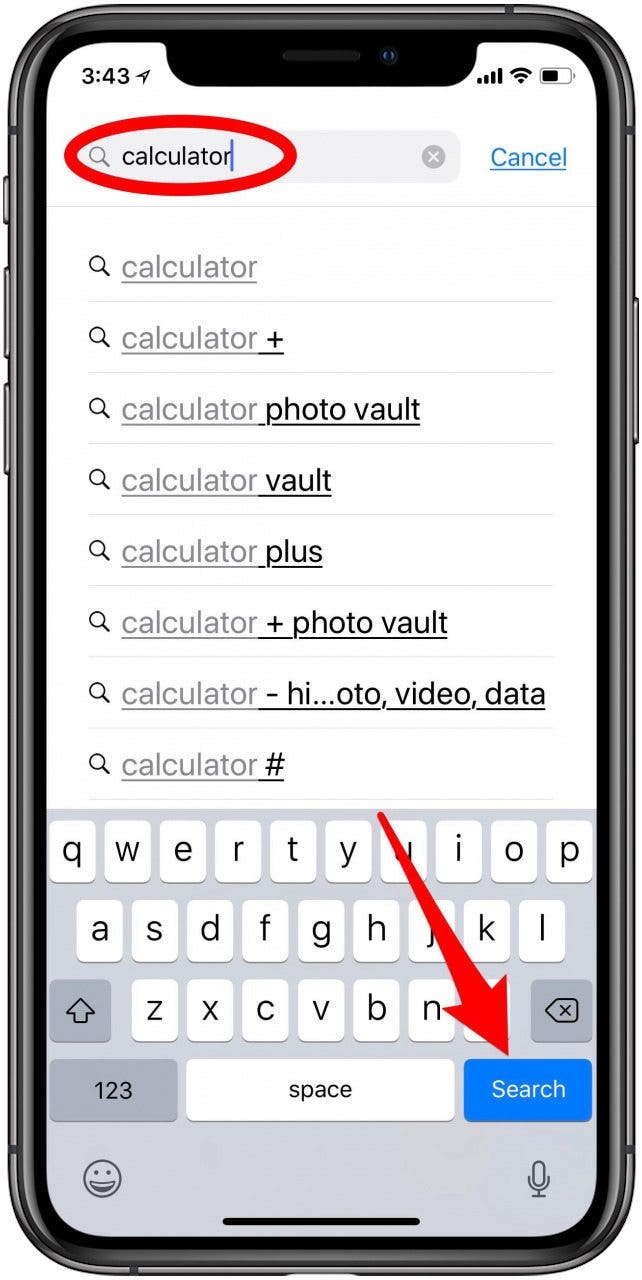
The mobile app store became a fertile ground for the calculator’s evolution. Beyond the basic calculator pre-installed on every smartphone, a dizzying array of specialized calculator apps emerged. From scientific and graphing calculators that mimic their physical predecessors, to unit converters, tip calculators, mortgage calculators, and even highly specific tools for engineering or finance, there’s an app for virtually every computational need. These apps offer enhanced interfaces, customizable themes, history logs, and often, more robust functionality than their physical counterparts. They represent a conscious choice to use a dedicated digital tool when the system’s default offering isn’t sufficient, acknowledging that while computation is integrated, sometimes a focused application provides a superior user experience.
Beyond Simple Arithmetic: Specialized Digital Tools
The calculator’s core function—processing numbers—has also been vastly expanded and absorbed by more powerful software. Spreadsheets, like Microsoft Excel and Google Sheets, are arguably the most ubiquitous and potent “calculators on steroids.” They allow for complex calculations across vast datasets, scenario analysis, data visualization, and automation, transforming simple arithmetic into powerful data management and analytical tools. Beyond spreadsheets, dedicated data analysis software, statistical packages (like R or Python libraries), engineering simulation tools, and financial modeling platforms all represent specialized evolutions of the fundamental computational engine. These tools leverage sophisticated algorithms and massive processing power to solve problems far beyond the scope of a handheld device, turning raw numbers into actionable insights.
The OS & Browser as Your Calculator
For the most immediate calculations, the modern operating system and web browser have become surprisingly capable calculators. A quick arithmetic problem can often be typed directly into a search bar (Google, Bing, Spotlight on macOS, Windows Search) and answered instantly without opening a separate application. Voice assistants like Siri, Google Assistant, and Alexa also serve this purpose, responding to natural language queries like “What’s 15 times 7?” or “Convert 100 miles to kilometers.” This instant, frictionless computation is perhaps the ultimate expression of the calculator’s integration, dissolving the barrier between query and result, making calculation an inherent part of our digital dialogue. The calculator is no longer just an app; it’s a seamless function embedded within the very fabric of our digital environment.

The Intelligence of Numbers: AI and Predictive Computation
The evolution of computation has reached a new frontier with Artificial Intelligence. No longer confined to merely crunching numbers, AI-powered tools are now interpreting, predicting, and even generating insights from data, redefining what it means to “calculate.”
Calculators Learning: AI in Action
AI is transforming traditional computation by adding layers of intelligence and predictive capability. In finance, AI algorithms analyze market data to predict trends and optimize investment portfolios, far surpassing what a human with a traditional calculator could achieve. In scientific research, machine learning models sift through vast datasets to identify patterns, accelerate drug discovery, or simulate complex physical phenomena. Data analytics platforms now leverage AI to not only process numbers but also to identify anomalies, forecast future outcomes, and provide data-driven recommendations. These aren’t just calculators; they are intelligent computational engines that learn from data, offering insights and solving problems that would be impossible with deterministic formulas alone. The “calculator” now has the capacity to anticipate and suggest, making it a proactive rather than merely reactive tool.
Conversational Computation
The most visible manifestation of AI in everyday computation is the rise of conversational AI. Large Language Models (LLMs) and advanced chatbots can now understand complex, natural language queries, perform calculations, and provide detailed explanations or scenario analyses. Asking an AI “If I invest $10,000 at 7% annual interest compounded monthly for 10 years, how much will I have?” will not only yield the answer but potentially also explain the formula and offer variations. This moves beyond simple numerical processing to contextual understanding and intelligent response generation. The barrier to entry for complex calculations is dramatically lowered, as users can simply ask questions in plain English, receiving sophisticated computational support without needing to understand the underlying formulas or navigate complex interfaces.
Ethical Considerations and Algorithmic Trust
The rise of AI in computation introduces a new set of critical considerations. While powerful, AI-driven calculations are not without their challenges. Issues of data privacy become paramount when algorithms are trained on vast datasets. Bias in algorithms, often unintentionally embedded from biased training data, can lead to skewed or unfair computational outcomes, particularly in areas like credit scoring or risk assessment. The “black box problem”—where the decision-making process of a complex AI model is opaque and difficult to interpret—challenges our ability to verify results and understand why a particular number was generated. As we increasingly rely on AI to “calculate” our future, understanding the mechanisms, limitations, and ethical implications of these intelligent systems becomes crucial. Trust in the algorithm is not automatic; it must be earned through transparency, accountability, and rigorous oversight.
Reclaiming Focus in a Computationally Saturated World
In a world saturated with computational power, the challenge shifts from finding a calculator to mastering its intelligent use. It’s about cultivating digital literacy and critical thinking to navigate the vast ocean of numbers and algorithms effectively.
The Mental Cost of Ubiquity
While the constant availability of computational tools is undoubtedly convenient, it also carries a subtle mental cost. Our reliance on instant digital solutions can potentially erode our innate mental math skills and our intuitive understanding of numbers. When every small sum can be offloaded to a device, the practice of estimation, approximation, and basic arithmetic may diminish. Furthermore, the sheer volume of data and computational results we encounter daily can lead to cognitive overload, making it difficult to discern signal from noise, or to critically evaluate the meaning and implications of the numbers presented to us. The speed and effortlessness of digital calculation can sometimes lull us into a passive acceptance of results without deeper scrutiny.
Choosing the Right Tool for the Job
In this landscape of endless options, a key skill for the modern user is discerning which computational tool is appropriate for a given task. For a quick grocery tally, a simple phone calculator app or even mental math suffices. For budgeting and financial planning, a robust spreadsheet or a dedicated personal finance app is invaluable. For complex statistical analysis or scientific modeling, specialized software or AI platforms are necessary. The art lies in understanding the capabilities and limitations of each tool and matching it efficiently to the problem at hand. Over-reliance on a basic tool for complex tasks can lead to errors, while using an overly sophisticated tool for simple calculations can be a time sink. Efficiency and accuracy demand a conscious choice in our computational toolkit.
Digital Literacy for the Modern Calculator User
Ultimately, navigating the integrated world of digital computation requires a sophisticated form of digital literacy. This extends beyond merely knowing how to use a calculator app; it involves understanding how our digital tools work, why certain results are generated, and how to critically evaluate the output. It means questioning algorithms, understanding data sources, recognizing potential biases, and being able to verify results independently when necessary. In an era where AI can generate plausible but incorrect answers, or where statistical data can be presented misleadingly, the human capacity for critical thinking, logical reasoning, and a healthy skepticism towards unverified digital outputs becomes more important than ever. The calculator may be everywhere, but the intelligence to wield it wisely remains firmly in human hands.
Conclusion
The question “Where’s my calculator?” has transformed from a literal search for a physical object into a profound contemplation of our relationship with numbers and technology. The calculator hasn’t vanished; it has splintered into countless apps, integrated into operating systems, embedded within web browsers, and elevated by the power of Artificial Intelligence. It has moved from a singular gadget to a ubiquitous, yet often unseen, computational fabric that underpins almost every aspect of our digital lives.
Our challenge now is not the scarcity of computational power, but its intelligent stewardship. It’s about developing the discernment to choose the right tool for the job, the critical thinking to question algorithmic outputs, and the digital literacy to understand the invisible mechanisms that shape our numerical world. The journey from a simple button-and-screen device to intelligent, predictive AI has been breathtaking. As we continue to integrate ever more sophisticated computational capabilities, our true mastery will lie not in finding a calculator, but in understanding, harnessing, and wisely directing the immense computational power that surrounds us.
aViewFromTheCave is a participant in the Amazon Services LLC Associates Program, an affiliate advertising program designed to provide a means for sites to earn advertising fees by advertising and linking to Amazon.com. Amazon, the Amazon logo, AmazonSupply, and the AmazonSupply logo are trademarks of Amazon.com, Inc. or its affiliates. As an Amazon Associate we earn affiliate commissions from qualifying purchases.