
In an increasingly digital world, managing your personal finances effectively requires a clear understanding of your key financial identifiers. Among these, your bank account number stands out as a fundamental piece of information. Whether you’re setting up direct deposit, paying bills online, initiating a wire transfer, or linking accounts to new financial apps, knowing precisely where to locate this critical sequence of digits is essential. Yet, for many, it’s not a number memorized or immediately accessible. This article will serve as your comprehensive guide, demystifying the process of finding your bank account number, explaining its importance, and outlining crucial security measures to keep your financial life secure.
Understanding your bank account number is more than just knowing a series of digits; it’s about empowering yourself with financial literacy and security. Many financial operations hinge on this number, making its accessibility and protection paramount. From the convenience of automated payments to the necessity of international transfers, your bank account number is the unique identifier that facilitates the movement of your money. Let’s delve into the various methods and considerations for locating this vital piece of financial information.
The Significance of Your Bank Account Number
Before we explore the “where,” it’s crucial to understand the “why.” Your bank account number is a unique identifier assigned by your financial institution to your specific checking or savings account. It’s distinct from your debit card number, which is primarily used for transactions at points of sale or ATMs, and also from the routing number, which identifies your bank itself. Knowing its purpose helps underline the importance of both its accessibility and its protection.
What is a Bank Account Number?
At its core, a bank account number is a unique string of digits (typically 10-12, but can vary) that pinpoints your specific financial account within a bank. Think of it as your personal identification number within the bank’s system, separate from all other customers’ accounts. This individual identification allows for precise transactions, ensuring that funds are deposited into or withdrawn from the correct account. It’s the ultimate address for your money within the financial ecosystem. Unlike debit card numbers which are linked to an account but are designed for transactional use, your account number is the master key to your specific bank record.
Why Do You Need Your Bank Account Number?
The instances where you’ll need your bank account number are numerous and varied, touching almost every aspect of modern personal finance. Here are some of the most common scenarios:
- Direct Deposit Setup: Perhaps the most frequent use. Your employer will require your account number (and routing number) to automatically deposit your paycheck into your account.
- Automated Bill Payments: Setting up recurring payments for utilities, rent, loans, or subscriptions often requires providing your account and routing numbers to the service provider.
- Wire Transfers: For sending or receiving large sums of money, especially internationally, your account number is indispensable to ensure the funds reach the correct destination.
- Linking External Accounts: When connecting your bank account to third-party financial apps, investment platforms, or peer-to-peer payment services, you’ll typically need to verify ownership using your account number.
- Tax Refunds: The IRS and other tax authorities use your account and routing numbers to directly deposit your tax refund, offering a faster and more secure alternative to paper checks.
- Setting Up Online Payment Services: Platforms like PayPal or Stripe often require you to link a bank account for payouts, which necessitates providing your account details.
- Customer Service Inquiries: When contacting your bank about specific transactions or account details, they may ask for your account number to verify your identity and access your records.
Understanding these applications underscores why having ready access to your account number, while keeping it secure, is a cornerstone of effective financial management.
Primary Sources for Locating Your Account Number
The good news is that your bank account number isn’t hidden in some obscure location. Banks provide multiple convenient and secure avenues for you to find this information. Knowing these key sources will save you time and potential frustration.
Your Checkbook
For many, especially those who still write checks regularly, the physical checkbook is the most intuitive place to find account information. This method is often the quickest for immediate reference.
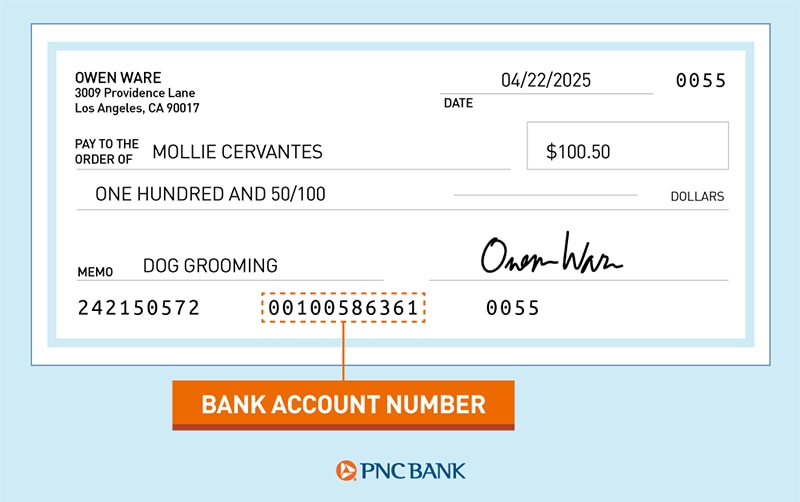
- On a Personal Check: Look at the bottom of any blank or used check. You’ll typically see three sets of numbers printed in a specific order. From left to right, these are usually:
- The Routing Number (a 9-digit code identifying your bank).
- Your Bank Account Number (the unique identifier for your specific account, usually 10-12 digits).
- The Check Number (a sequential number for that specific check).
It’s crucial to distinguish between the routing number and your account number, as they are often side-by-side. The account number is usually the middle set of digits.
- On a Deposit Slip: Similar to checks, deposit slips provided by your bank also contain your routing and account numbers, typically at the bottom. These are designed for depositing funds directly into your account.
Bank Statements
Bank statements, whether physical or digital, are comprehensive records of your account activity and always include your account number. This is a reliable source, especially if you don’t have a checkbook handy.
- Paper Statements: If you receive paper statements in the mail, your full bank account number is usually printed prominently near the top of the first page, often close to your name and address. Some banks may partially mask the number (e.g.,
XXXXX12345) for security on the statement itself but will provide the full number in a designated section. - E-Statements (Online Banking): For those who’ve gone paperless, your bank’s online portal is an invaluable resource. Navigate to the “Statements” section (or similar, like “Documents” or “History”). Download a recent PDF statement. Your account number will be clearly visible, mirroring its location on a paper statement.
Online Banking Portal and Mobile App
In today’s digital age, your bank’s online portal and mobile app are arguably the most convenient and frequently used methods for accessing your account information. These platforms are designed for quick and secure access.
- Online Banking Website: Log in to your bank’s official website. Once logged in, navigate to the specific account you’re interested in (e.g., “Checking Account”). Look for sections like “Account Details,” “Account Summary,” “View Account Info,” or “Direct Deposit Information.” Your full account number should be displayed there, though sometimes you might need to click a button like “Show Full Account Number” or verify your identity with a password or two-factor authentication for security.
- Mobile Banking App: Most modern banking apps offer similar functionality to their online counterparts. After logging in, select the relevant account. Many apps will display a partial account number on the main screen, but you can usually tap on the account itself, or look for an “Account Details” or “Settings” option to reveal the full number. Again, expect potential security prompts to fully reveal sensitive information.
Contacting Your Bank Directly
If all else fails, or if you prefer direct assistance, your bank is always there to help. This method offers the highest level of security and verification.
- Customer Service: Call your bank’s customer service number (found on their website, the back of your debit card, or a bank statement). Be prepared to go through a verification process, which typically involves confirming personal details like your address, date of birth, mother’s maiden name, or recent transaction history, to ensure you are the legitimate account holder. They will then be able to provide your account number verbally.
- Visiting a Branch: If you’re comfortable with in-person interactions, visiting a local branch with a valid photo ID (like a driver’s license or passport) is a surefire way to get your account number. A teller will be able to look up your information and provide it to you.

Understanding the Routing Number: A Crucial Companion
While this article focuses on the bank account number, it’s virtually impossible to discuss it without mentioning its inseparable partner: the routing number. These two numbers work in tandem to facilitate financial transactions.
What is a Routing Number?
A routing number (also known as an ABA routing transit number) is a nine-digit code that identifies your specific financial institution within the U.S. banking system. Think of it as the bank’s address, whereas your account number is your apartment number within that bank. It ensures that funds are routed to the correct bank before your account number directs them to your specific account. Most banks have different routing numbers for different types of transactions (e.g., wire transfers vs. ACH direct deposits) or even for different regions.
Why Both are Necessary?
For most electronic transactions, such as direct deposits, automated clearing house (ACH) transfers, and online bill payments, both your routing number and your account number are required. The routing number first directs the transaction to the correct bank, and then the account number ensures it lands in the right account within that bank. Without both, the transaction cannot be completed accurately. For example, your employer needs your bank’s routing number to know which bank to send your paycheck to, and your account number to know which specific account within that bank should receive the funds.
Where to Find Your Routing Number?
Fortunately, the routing number is found in many of the same places as your account number:
- On Your Checks: It’s the first set of nine digits at the bottom-left of your personal checks.
- On Bank Statements: Typically listed alongside your account number.
- Online Banking Portal/Mobile App: Often displayed in the “Account Details” or “Direct Deposit Information” section. Many banks also have a dedicated “Routing Numbers” page on their website.
- Bank’s Website: A quick search on your bank’s official website for “routing number” will usually yield the correct information. Be cautious of third-party websites for this, as routing numbers can be specific and change.
Security Best Practices for Your Bank Account Number
Given its critical role in your financial life, safeguarding your bank account number is paramount. Falling victim to fraud or identity theft can have severe consequences, making proactive security measures essential.
Protecting Your Information
Treat your bank account number with the same caution you’d apply to other sensitive financial data.
- Be Wary of Unsolicited Requests: Never provide your full bank account number to unknown individuals or in response to unsolicited emails, texts, or calls. Legitimate organizations you deal with usually already have this information or will use secure, verified methods for obtaining it.
- Secure Your Documents: Shred old bank statements, voided checks, and any other documents containing your account number before discarding them. Don’t leave sensitive financial papers lying around your home or office where they could be easily accessed.
- Use Secure Connections Online: When accessing your online banking or inputting your account number on a website, ensure the connection is secure (look for “https://” in the URL and a padlock icon). Avoid public Wi-Fi networks for sensitive financial transactions.
- Strong Passwords and Two-Factor Authentication (2FA): Always use strong, unique passwords for your online banking and enable 2FA wherever possible. This adds an extra layer of security, making it much harder for unauthorized users to access your account details.
- Regularly Monitor Your Accounts: Keep a close eye on your bank statements and online transaction history. Report any suspicious activity to your bank immediately.
When to Share and When Not To
Understanding the context of requests for your account number is key.
- Legitimate Requests: It’s safe to share your account number with trusted entities for specific, legitimate purposes, such as your employer for direct deposit, your utility company for bill pay, or a government agency for tax refunds. Always ensure you are on a verified platform or speaking with a confirmed representative.
- Suspicious Requests: Be highly skeptical of anyone who calls, emails, or texts you asking for your full bank account number “to verify your identity,” especially if they claim to be from your bank or a government agency. Banks will typically not ask for your full account number via unsecure channels to verify you; they’ll use other identifiers. If in doubt, hang up and call your bank directly using a number you know to be legitimate.
What to Do If Compromised
If you suspect your bank account number has fallen into the wrong hands:
- Contact Your Bank Immediately: Report the potential compromise to your bank’s fraud department. They can monitor your account for suspicious activity, place alerts, or even close your account and issue a new one if necessary.
- Change Online Passwords: Update the passwords for your online banking and any linked financial accounts.
- Review Transactions: Scrutinize your account for any unauthorized transactions and report them to your bank.
- Consider Credit Monitoring: If other personal information might have been exposed, consider placing a fraud alert on your credit report.
Modern Financial Tools and Accessing Your Information
The rise of financial technology (FinTech) has introduced new ways to interact with your money, often requiring your account number for initial setup. While these tools offer convenience, it’s important to understand how they interact with your sensitive information.

Aggregator Apps and Digital Wallets
Many personal finance management apps (e.g., budgeting tools, investment platforms) act as “aggregators,” pulling data from various financial accounts into one dashboard. Similarly, digital wallets (e.g., Apple Pay, Google Pay) and payment services (e.g., Venmo, Cash App) link to your bank account for funding and withdrawals.
- Linking Accounts: When you connect your bank account to these services, you often provide your online banking login credentials, which then allow the app to securely retrieve your account and routing numbers. Some might ask for the numbers directly.
- Security Considerations: Always ensure you are using reputable, well-reviewed apps that prioritize data encryption and security. Read their privacy policies to understand how they handle your financial data. While these services typically don’t display your full bank account number after the initial setup (often showing only the last few digits), the initial sharing process is crucial.
Knowing where to find your bank account number is a fundamental aspect of managing your personal finances effectively in the modern world. From the traditional checkbook to the advanced features of online banking apps, numerous secure avenues exist for retrieving this crucial piece of information. However, accessibility must always be balanced with robust security practices. By understanding its significance, knowing its common locations, and exercising diligence in its protection, you empower yourself to navigate your financial landscape with confidence and peace of mind. Your bank account number is more than just a sequence of digits; it’s a key to your financial independence, deserving of your careful attention and safeguarding.
aViewFromTheCave is a participant in the Amazon Services LLC Associates Program, an affiliate advertising program designed to provide a means for sites to earn advertising fees by advertising and linking to Amazon.com. Amazon, the Amazon logo, AmazonSupply, and the AmazonSupply logo are trademarks of Amazon.com, Inc. or its affiliates. As an Amazon Associate we earn affiliate commissions from qualifying purchases.