
The aroma of sizzling steaks, the lively thrum of country music, and the sight of line-dancing servers: these are the sensory hallmarks of Texas Roadhouse, an American restaurant chain that has carved out a distinctive niche in the highly competitive casual dining market. Renowned for its hand-cut steaks, fresh-baked bread, and energetic atmosphere, the brand has cultivated a loyal following. However, for a restaurant so deeply steeped in Texan iconography, its actual genesis often surprises those unfamiliar with its brand story. Understanding the foundational locale of a brand like Texas Roadhouse is more than a trivial historical fact; it’s a critical component of its corporate identity, revealing insights into its initial vision, strategic development, and the intentional crafting of its distinctive persona. This exploration delves into the origins of Texas Roadhouse, examining how its birthplace shaped its brand strategy and contributed to its enduring success.

The Genesis of a Legendary Brand: Louisville, Kentucky
The popular perception, often fueled by the brand’s name and pervasive rustic Western theme, is that Texas Roadhouse must have originated somewhere deep in the heart of Texas. Yet, the true story begins over a thousand miles away from the Lone Star State, in the Bluegrass State. The actual roots of this iconic American steakhouse chain are firmly planted in the Louisville metropolitan area, a location that, while seemingly incongruous with its branding, played a pivotal role in its initial development and subsequent triumph.
The Visionary Behind the Grill: W. Kent Taylor
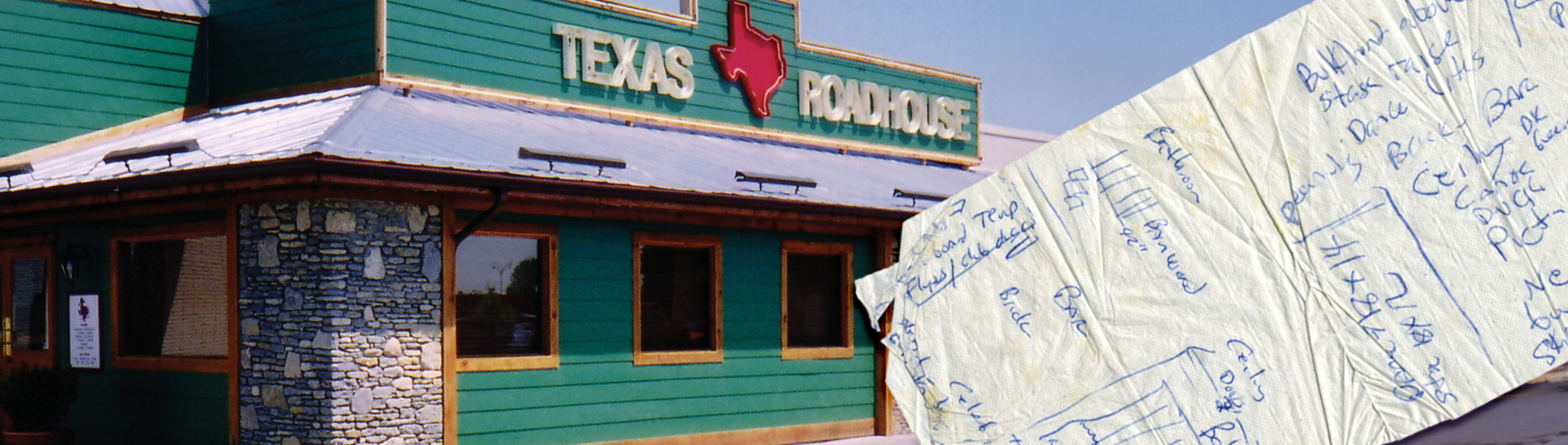
The architect of the Texas Roadhouse empire was W. Kent Taylor, a visionary entrepreneur with a clear objective: to create an affordable, high-quality steakhouse that offered a fun, energetic dining experience for the entire family. Taylor’s journey was marked by a relentless pursuit of this vision. He famously drew up the initial concept on a cocktail napkin, outlining a restaurant that combined generous portions of scratch-made food with a lively, community-focused atmosphere. His inspiration came from a desire to fill a perceived gap in the market – a place where patrons could enjoy excellent food without the pretentiousness or exorbitant prices often associated with premium steakhouses. Taylor’s determination was legendary; he secured funding by raising money from friends, family, and even local businesses, demonstrating the grit and conviction that would become synonymous with the brand’s can-do spirit. His unwavering commitment to the core values of quality, service, and fun laid the groundwork for a brand that would resonate deeply with American diners.
The First Flame: Clarksville, Indiana – The Unofficial Starting Point
While Louisville, Kentucky, is widely recognized as the corporate home and spiritual heart of Texas Roadhouse, the very first location actually opened its doors just across the Ohio River in Clarksville, Indiana, in 1993. This detail, often overlooked or simplified in the brand’s narrative, provides a fascinating glimpse into the pragmatic realities of starting a business. Clarksville offered strategic advantages in terms of real estate availability, local market dynamics, and a burgeoning consumer base that was eager for new dining options. The decision to open in Clarksville was a calculated move, allowing Taylor to test his concept in a receptive market before expanding. This initial outpost served as a crucial proving ground, where the menu was refined, the operational model was perfected, and the unique service culture, including the iconic line dances, began to take shape. It was here that the initial sparks of the Texas Roadhouse brand identity first caught fire, demonstrating that innovative ideas can flourish in unexpected places.
Solidifying the Roots: Louisville as the Corporate Hub
Despite the initial opening in Indiana, Louisville, Kentucky, quickly became the undisputed corporate headquarters and the symbolic “home” of Texas Roadhouse. This move was strategic, leveraging Louisville’s central geographic location, robust business infrastructure, and access to talent pools necessary for scaling a national restaurant chain. From its Louisville base, Taylor and his growing team meticulously planned the brand’s expansion, ensuring consistency in food quality, service standards, and the overall guest experience across new locations. The city provided the necessary ecosystem for developing comprehensive training programs, supply chain logistics, marketing strategies, and administrative support crucial for managing rapid growth. Thus, while Clarksville holds the distinction of the very first restaurant, Louisville remains the strategic brain and operational heart, embodying the brand’s enduring connection to the region where its visionary founder chose to build his legacy.
Crafting the Brand Identity from Day One
The success of Texas Roadhouse isn’t merely a function of good food; it’s a testament to a meticulously crafted brand identity that was forged from its very inception. From the initial concept sketches to the opening of the first restaurant, every element was designed to create a distinct, memorable, and replicable experience that resonated with its target audience. This intentional branding effort, rooted in the foundational vision, transcended its physical location to build a nationally recognized powerhouse.
More Than Just Steaks: The “Legendary Food, Legendary Service” Ethos
From day one, Kent Taylor envisioned Texas Roadhouse as more than just a place to eat a steak. It was an experience. The brand ethos of “Legendary Food, Legendary Service” became the guiding principle, focusing on delivering exceptional value through high-quality, made-from-scratch food coupled with genuinely friendly and attentive service. This meant hand-cutting steaks in-house every day, baking bread fresh every five minutes, and making sides from raw ingredients. The emphasis on freshness and quality, often at a more affordable price point than competitors, quickly distinguished the brand. But equally important was the “Legendary Service.” This wasn’t just about efficiency; it was about creating a welcoming, fun, and engaging atmosphere where servers were encouraged to interact personally with guests, and where the energetic vibe, including the famous line dances, became part of the dining adventure. This dual focus on product and experience created a powerful differentiator in the crowded casual dining landscape.
Thematic Consistency and Authenticity
One of the most remarkable aspects of Texas Roadhouse’s branding is its ability to successfully convey a “Texas” theme despite not originating in the state itself. This required a deliberate and consistent approach to design, decor, music, and even the menu language. The restaurants are adorned with rustic Western memorabilia, including saddles, rodeo flags, and murals depicting scenes from the Old West. Country music is a constant backdrop, contributing to the lively atmosphere. Even the names of menu items, such as the “Dallas Filet” or “Fort Worth Ribeye,” reinforce the theme. The genius of this strategy lies in its ability to evoke a strong sense of place and culture without being geographically bound. It demonstrates that brand authenticity is less about literal origin and more about the consistent delivery of a compelling narrative and experience. By immersing customers in this carefully constructed thematic environment, Texas Roadhouse built a unique brand world that felt genuine and exciting, regardless of where the individual restaurant was located.
Building a Culture: Employee Engagement and Loyalty
The vibrant atmosphere and legendary service at Texas Roadhouse are not accidental; they are the direct result of a strong internal culture that prioritizes employee engagement and loyalty. Kent Taylor understood that happy employees translate to happy customers. From the outset, the brand fostered a workplace environment that was fun, supportive, and respectful, encouraging individuality and teamwork. Managers are often promoted from within, creating a clear career path and fostering a sense of ownership. Employee recognition programs, competitive compensation, and a focus on work-life balance contribute to high retention rates. This robust internal culture is a critical, yet often unseen, component of the Texas Roadhouse brand. It ensures that the “Legendary Service” ethos is not just a marketing slogan but a lived reality, consistently delivered by enthusiastic staff who genuinely enjoy their work. This commitment to its people is a core brand strength, directly impacting the customer experience and solidifying brand loyalty both inside and outside the company.
The Strategic Importance of Location in Brand Storytelling
The founding location of any brand serves as more than just a geographical marker; it’s often a powerful narrative tool that can define perceptions, anchor identity, and influence strategic trajectory. For Texas Roadhouse, its unexpected origins outside of Texas offer particularly insightful lessons into the nuanced role of location in brand storytelling, particularly in how a brand can transcend its physical beginnings to cultivate a broader, more universal appeal.
The Narrative Power of Origin Stories
Origin stories are fundamental to how humans understand and connect with brands. They provide context, establish credibility, and create an emotional resonance that goes beyond mere products or services. For Texas Roadhouse, the story of its founding in the Louisville metropolitan area by Kent Taylor, driven by a simple yet ambitious vision, adds a layer of entrepreneurial spirit and grassroots authenticity. It’s the tale of an outsider, not from Texas, creating an iconic “Texas” experience, which itself becomes a compelling narrative. This specific origin helps to frame the brand’s journey from a single restaurant to a national chain, underscoring the determination and innovation that propelled its growth. It allows consumers to connect with the brand on a more personal level, understanding the “why” behind its existence and appreciating the journey it has taken. This narrative power is a significant asset, distinguishing Texas Roadhouse from competitors who might lack such a unique and inspiring beginning.
From Local Roots to National Recognition
Starting in a specific, non-Texas locale like Clarksville, Indiana, followed by the establishment of corporate headquarters in Louisville, Kentucky, allowed Texas Roadhouse to meticulously refine its concept in a manageable environment. This “test market” approach is a classic branding strategy, enabling the company to perfect its menu, operational procedures, and customer experience before embarking on widespread expansion. The success achieved in its initial Kentucky/Indiana roots provided a solid blueprint and undeniable proof of concept for future locations. This organic growth strategy, building from a strong local foundation, ensured that the brand’s core values and operational excellence were firmly established and easily replicable. It demonstrated that a brand doesn’t need to be born in its namesake region to achieve national recognition, but rather needs a robust, well-tested model that resonates with a broad demographic, meticulously scaled from its initial local triumphs.
Defying Geographical Stereotypes (The “Texas” in Kentucky/Indiana)
Perhaps the most insightful aspect of Texas Roadhouse’s founding location is how it defied conventional geographical branding. The brand successfully established a strong “Texas” identity without having any direct roots in Texas itself. This phenomenon challenges the notion that a brand must be physically tied to the geographical entity it evokes. Instead, it proves that a compelling theme, consistently executed through atmosphere, food, and service, can create a powerful sense of place that transcends actual coordinates. The “Texas” in Texas Roadhouse became an ideal—a symbol of hearty food, friendly service, and a lively, unpretentious environment—rather than a literal geographical claim. This demonstrates a sophisticated understanding of brand identity: it’s not just about where you’re from, but what you represent. By building a brand that embodies the spirit and feel of Texas, even from a distance, Texas Roadhouse showcased the immense power of thematic branding to create a universally appealing and authentically felt experience, regardless of its true point of origin.
Legacy and Continued Brand Evolution
The story of Texas Roadhouse, from its unique founding location to its current status as a national dining powerhouse, is a compelling case study in strategic brand building and sustained growth. The principles laid down in Louisville, Kentucky, and first tested in Clarksville, Indiana, continue to guide the brand, ensuring its relevance and appeal in an ever-changing market.
Adapting While Staying True to Core Values
Over nearly three decades, Texas Roadhouse has navigated numerous shifts in consumer tastes, economic cycles, and competitive landscapes. Yet, throughout its evolution, the brand has remained steadfastly committed to its core values: “Legendary Food, Legendary Service.” This unwavering dedication to quality, value, and a fun atmosphere has been instrumental in its longevity. While menu items may be updated or new technologies introduced to streamline operations, the fundamental promise to the customer – hand-cut steaks, fresh ingredients, and an energetic, welcoming environment – has never faltered. This adaptability, coupled with an unyielding adherence to foundational principles, is a hallmark of strong brand management. It allows Texas Roadhouse to evolve just enough to stay current without ever losing the distinct identity that has endeared it to millions of diners across the country. The brand proves that successful evolution is not about reinventing oneself entirely, but about consistently delivering on a proven promise while subtly adapting to new realities.

The Enduring Appeal of the Original Vision
The enduring success of Texas Roadhouse is a powerful testament to the foresight and determination of its founder, W. Kent Taylor. His initial vision, forged in the Louisville metropolitan area, continues to resonate deeply with a broad audience, proving that a clear, customer-centric concept can achieve remarkable and lasting appeal. The idea of a place where everyone feels welcome, where quality food is accessible, and where dining is an enjoyable, celebratory experience remains as relevant today as it was in 1993. The “Texas” theme, carefully cultivated and consistently delivered, continues to evoke a sense of warmth, hospitality, and unpretentious goodness that transcends geographical boundaries. Kent Taylor’s legacy is evident in every bustling restaurant, every perfectly grilled steak, and every cheerful server. The brand’s origin story, therefore, is not just a historical footnote; it is the very blueprint for its ongoing success, a powerful reminder that a strong, authentic vision, meticulously executed from a unique starting point, can build a brand that stands the test of time and continues to captivate diners nationwide.
In conclusion, the question “where was Texas Roadhouse founded” unearths a fascinating brand narrative. Far from the expected plains of Texas, this iconic steakhouse chain began its journey in the Louisville, Kentucky, metropolitan area. This seemingly counter-intuitive origin story is not a weakness but a testament to the power of a clearly defined brand vision, strategic execution, and a consistent commitment to core values. Texas Roadhouse demonstrates that a brand’s identity can be meticulously crafted and successfully communicated to evoke a particular spirit and experience, irrespective of its geographical birthplace. Its founding in Kentucky is an integral part of its unique brand story, highlighting how entrepreneurial drive, an unwavering focus on the customer experience, and a compelling thematic consistency can build a national phenomenon from unexpected roots. The birthplace of Texas Roadhouse, therefore, is not just a location on a map, but a cornerstone of its enduring brand legacy.
aViewFromTheCave is a participant in the Amazon Services LLC Associates Program, an affiliate advertising program designed to provide a means for sites to earn advertising fees by advertising and linking to Amazon.com. Amazon, the Amazon logo, AmazonSupply, and the AmazonSupply logo are trademarks of Amazon.com, Inc. or its affiliates. As an Amazon Associate we earn affiliate commissions from qualifying purchases.