
In the world of global branding, an origin story is more than just a historical footnote; it is the cornerstone of a company’s identity, the “north star” that guides its marketing, design, and customer experience. For Shake Shack, the answer to “where was it founded” is not merely a geographic location—Madison Square Park in New York City—but a defining element of its multi-billion dollar brand strategy.
By tracing its roots back to a humble hot dog cart in a dilapidated urban park, Shake Shack has successfully positioned itself as a “fine-casual” pioneer. This origin story allows the brand to maintain an aura of authenticity and community-centricity, even as it scales into a global powerhouse with hundreds of locations. Understanding the strategic implications of its founding is essential for any brand strategist looking to blend the intimacy of a local eatery with the efficiency of a multinational corporation.

The Humble Hot Dog Cart: Crafting a Narrative of Authenticity
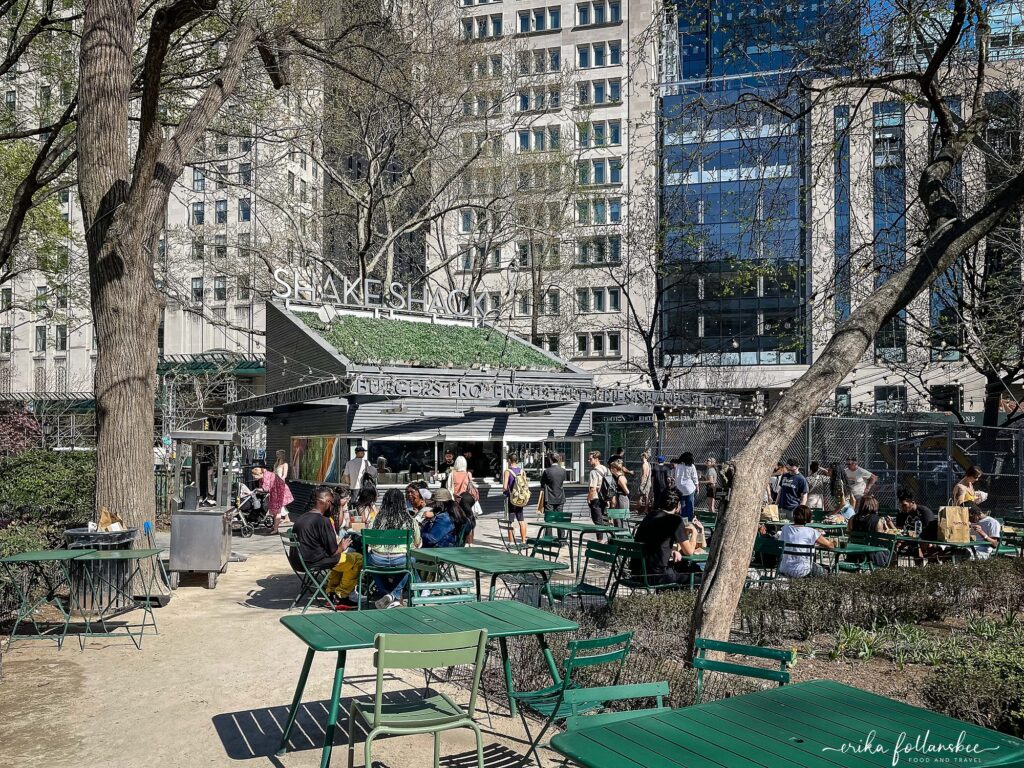
Shake Shack did not begin in a boardroom or a test kitchen; it began as a civic contribution. In 2001, Danny Meyer’s Union Square Hospitality Group (USHG) launched a hot dog cart to support the Madison Square Park Conservancy’s first art installation. This “accidental” birth is the bedrock of the Shake Shack brand.
From Art Installation to Culinary Phenomenon
The original cart was never intended to be a franchise. It was designed to provide a service to park-goers while drawing attention to the revitalization of Madison Square Park. This lack of corporate intent is exactly what makes the brand narrative so powerful. In an era where consumers are increasingly skeptical of “manufactured” brands, Shake Shack’s history as a community project provides a level of credibility that money cannot buy.
The transition from a cart to a permanent kiosk in 2004 was a response to organic demand. By the time the permanent structure opened, the brand already had a “cult following.” From a branding perspective, this created an immediate sense of scarcity and exclusivity. The long lines that became synonymous with the Madison Square Park location were not a marketing gimmick; they were a visual testament to the brand’s desirability, creating a feedback loop that fueled its early expansion.
The Importance of “Place” in Brand Identity
Madison Square Park served as the perfect incubator for the brand’s “modern roadside burger stand” aesthetic. The park provided a backdrop of greenery, historic architecture, and urban energy. Shake Shack leaned into this, ensuring that its design language—utilizing industrial materials, neon signage, and open-air seating—echoed the park’s environment.
For brand strategists, this highlights the importance of “place-making.” Shake Shack didn’t just sell food; it sold an experience tied to a specific iconic location. When the brand eventually expanded to other cities, it didn’t just replicate a cookie-cutter model. Instead, it sought to capture the “spirit” of the Madison Square Park experience by adapting to the unique architecture and community of its new locations.
Scaling the “Anti-Chain” Brand Strategy
One of the most significant challenges for any brand born in a specific locale is scaling without losing the “soul” of the original. Shake Shack’s strategy has been to position itself as the “anti-chain.” This is achieved through a meticulous focus on “Enlightened Hospitality,” a core philosophy inherited from its fine-dining roots.
Replicating the Neighborhood Vibe Globally
As Shake Shack moved from New York to cities like London, Tokyo, and Dubai, the brand faced the risk of becoming another faceless fast-food giant. To combat this, they implemented a “hyper-local” brand strategy. Each new Shack features site-specific design elements and menu items that collaborate with local artisans.
For instance, a Shack in Brooklyn might feature reclaimed wood from local water towers, while a location in Japan might offer a “concrete” (frozen custard) blended with locally sourced matcha. By tying the brand back to the community—just as it was tied to Madison Square Park at its inception—Shake Shack maintains its identity as a neighborhood gathering place rather than a sterile corporate outlet.
The Danny Meyer Factor: Enlightened Hospitality as a Brand Moat
The brand’s corporate identity is inseparable from Danny Meyer’s philosophy of Enlightened Hospitality. This approach prioritizes employees first, followed by guests, the community, suppliers, and finally, investors. This hierarchy is a powerful branding tool because it humanizes the corporation.
In a competitive market, products can be easily replicated. A burger is, ultimately, a commodity. However, the emotional connection fostered through a culture of hospitality is a “moat” that protects the brand. By treating the staff at a fast-casual stand with the same professional dignity as those in a Michelin-starred restaurant, Shake Shack ensures that the brand promise made at the founding—quality and care—is delivered at every touchpoint.
Visual Identity and Design: Elevating the Burger Experience
The founding in Madison Square Park also dictated the brand’s sophisticated visual language. Unlike the bright, primary colors often associated with fast food, Shake Shack opted for a palette and design aesthetic that felt modern, architectural, and upscale.
Iconic Modernism Meets Green Space
The collaboration with the legendary design firm Pentagram was a pivotal moment in the brand’s history. Designer Paula Scher created the iconic logo and environmental graphics that define the Shack aesthetic. The use of Galaxie Cassiopeia for the script and Neutraface for the typography signaled a departure from traditional fast food.
The design was meant to be “high-end low-end.” It utilized zinc, steel, and wood to create a space that felt permanent and thoughtful. This visual identity reinforced the brand’s “fine-casual” positioning, bridging the gap between the speed of fast food and the quality of fine dining. It communicated to the consumer that even though they were eating a burger in a park, they were participating in a sophisticated culinary and design experience.
Brand Consistency Across Diverse Markets
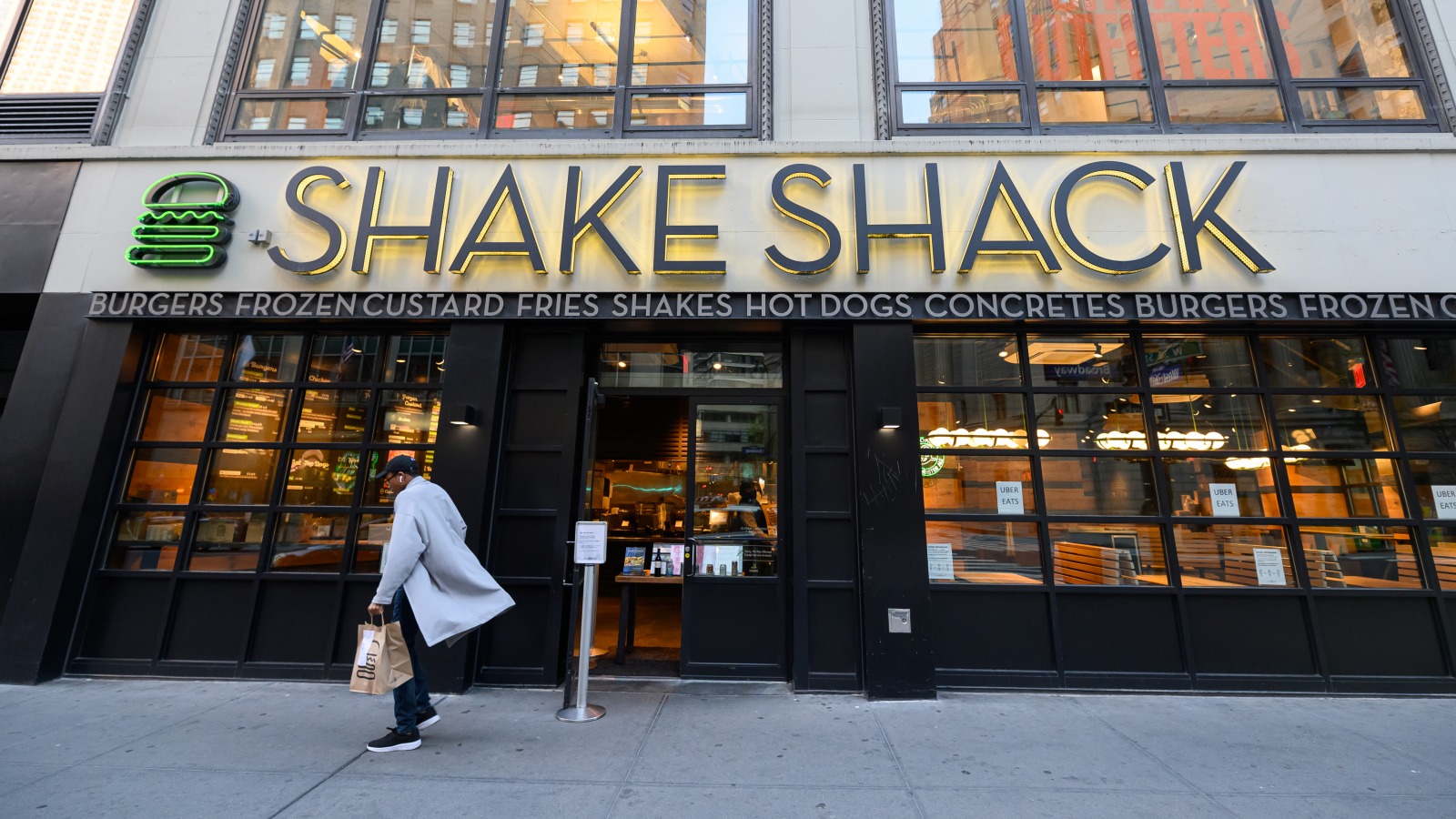
While the brand adapts to local environments, certain “foundational” design elements remain constant to ensure global recognition. The signature neon burger icon, the green accents (a nod to the park), and the distinctive menu boards serve as visual anchors.
This balance between local adaptation and global consistency is a masterclass in brand management. It allows Shake Shack to enter a new market with the prestige of a New York City icon while quickly becoming a beloved local fixture. The founding location serves as the prototype, ensuring that no matter how far the brand travels, it never loses its visual DNA.
Marketing the Heritage: Why the Foundation Matters Today
In the current digital landscape, Shake Shack continues to use its Madison Square Park heritage as a powerful marketing asset. The brand frequently references its “Stand for Something Good” mission, which is directly linked to its origin as a park conservancy project.
Community Engagement and Social Impact
The brand’s marketing strategy is heavily focused on community-led initiatives. From sponsoring local sports teams to organizing “Shack Track & Field” running clubs, the company acts as a community hub. This is a direct extension of its founding purpose: to bring people together in a public space.
Social media allows the brand to tell this story to a global audience. By sharing content that highlights sustainable sourcing, charitable partnerships, and the people behind the counter, Shake Shack reinforces the narrative of a brand that cares. This “values-based” branding is particularly effective with Millennial and Gen Z consumers, who prioritize authenticity and social responsibility in their purchasing decisions.
The Future of the Shake Shack Brand Legacy
As Shake Shack looks toward the future, its founding story remains its most valuable intangible asset. Whether it is expanding into drive-thrus or leveraging digital ordering kiosks, the brand must continuously ask if these innovations align with the “park-born” ethos.
The challenge of the next decade will be maintaining this intimacy at a massive scale. However, by staying rooted in the principles of Madison Square Park—hospitality, community, and quality—Shake Shack has built a brand that is resilient, adaptable, and deeply human. The story of “where it was founded” is not just history; it is a living blueprint for how a modern brand can achieve global success without losing its soul.
In conclusion, Shake Shack’s origin in Madison Square Park provided more than just a physical space; it provided a conceptual framework. It allowed the brand to define a new category of dining, establish a unique visual language, and build a culture of hospitality that transcends the fast-food industry. For any brand looking to make a lasting impact, the Shake Shack story proves that where you start defines how far you can go.
aViewFromTheCave is a participant in the Amazon Services LLC Associates Program, an affiliate advertising program designed to provide a means for sites to earn advertising fees by advertising and linking to Amazon.com. Amazon, the Amazon logo, AmazonSupply, and the AmazonSupply logo are trademarks of Amazon.com, Inc. or its affiliates. As an Amazon Associate we earn affiliate commissions from qualifying purchases.