
American Express (Amex) has long held a unique position in the financial landscape. Unlike traditional visa or Mastercard issuers, American Express acts as both the card issuer and the payment network, a dual role that allows it to maintain a closed-loop ecosystem. For the cardholder, this structure translates into premium rewards, high-tier customer service, and a suite of lifestyle benefits. However, it also creates a common question: “Where can I actually use my American Express card?”
While the historical perception was that Amex lagged behind in merchant acceptance, the reality has shifted dramatically over the last decade. In the United States, American Express has reached near-parity with Visa and Mastercard, currently accepted at 99% of merchants that take credit cards. Understanding where and how to use these cards is no longer just a question of merchant availability; it is a strategic endeavor to maximize return on investment (ROI) through points, cash back, and statement credits.
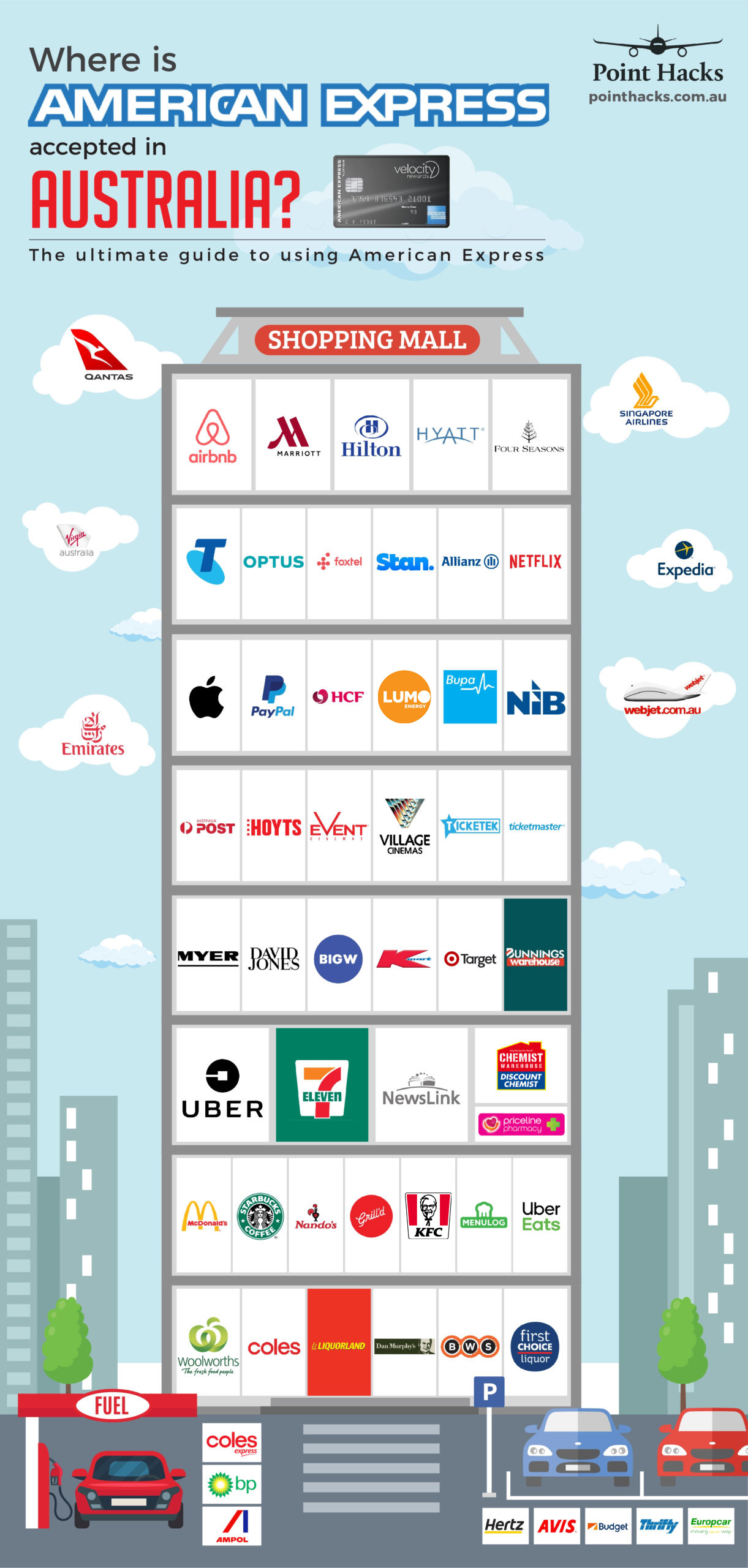
Understanding Merchant Acceptance: Domestic vs. International
To effectively utilize an American Express card, a cardmember must distinguish between domestic ubiquity and international variability. In the domestic market, the “OptBlue” program, launched in 2014, revolutionized Amex acceptance among small and medium-sized businesses by allowing third-party processors to set the rates for Amex transactions. This narrowed the gap that previously made small boutiques or local restaurants hesitant to accept the card.
The Domestic Landscape
Today, you can use your American Express card at virtually all major national retailers, grocery chains, gas stations, and e-commerce platforms. From Amazon and Walmart to local grocery stores like Kroger or Publix, the “Member Since” status is rarely a barrier. Furthermore, the rise of digital wallets like Apple Pay and Google Pay has further integrated Amex into the daily checkout experience, as most point-of-sale terminals that support contactless payments accept Amex by default.
International Considerations
When traveling abroad, the strategy must change. While Amex is widely accepted in major global hubs—high-end hotels, international airline offices, and luxury retailers—it still faces hurdles in smaller European towns, rural Asia, and parts of South America. The higher merchant discount rate (the fee merchants pay to process the card) is more pronounced in regions with lower profit margins. Consequently, while your Amex is perfect for the Marriott in London or the duty-free shop in Tokyo, it is prudent to carry a back-up Visa or Mastercard for the local bakery or the family-owned trattoria.
Strategic Spending: Aligning Transactions with Reward Tiers
Finding a merchant that accepts American Express is only the first step. The true financial savvy lies in knowing which merchant to use for which card to ensure you are capturing the highest possible multiplier for your spending.
Maximizing Groceries and Dining
For many personal finance enthusiasts, the American Express Gold Card is the cornerstone of their wallet. It offers high multipliers on dining at restaurants worldwide and at U.S. supermarkets. Using an Amex Gold card at a high-end restaurant or even a fast-food chain ensures you are earning “Membership Rewards” (MR) points that can be valued at 2 cents or more per point when transferred to travel partners. The strategy here is consistency: by funneling all food-related expenses—from DoorDash orders to the weekly grocery run—onto the Amex platform, users can aggregate points rapidly for significant travel redemptions.
Travel and Transit High-Value Use Cases
The American Express Platinum Card is designed for the high-frequency traveler. Its 5x multiplier on flights booked directly with airlines or through American Express Travel makes it the industry standard for airfare purchases. However, the utility extends beyond the transaction itself. When you use your card at an airport lounge (such as the Centurion Lounge network) or for a Delta SkyClub entry (when flying Delta), you are leveraging the card’s “soft” value. Additionally, using the card for prepaid hotels through the Fine Hotels + Resorts (FHR) program unlocks benefits like late check-outs, breakfast credits, and room upgrades, which often exceed the value of the annual fee in just a few stays.
Leveraging the Ecosystem: Statement Credits and Partner Networks

One of the most distinct features of the American Express ecosystem is the “coupon book” model. To get the most value, a cardholder must be intentional about where they shop to trigger specific statement credits. This is a fundamental shift in mindset: you aren’t just using the card to pay; you are using it to reclaim money already allocated in the card’s fee structure.
Lifestyle and Digital Subscriptions
The modern Amex card offers credits for specific digital services. For instance, the “Digital Entertainment Credit” on the Platinum card can be used at Disney+, Hulu, ESPN+, and The New York Times. By setting these services to auto-pay with your Amex, you effectively neutralize a portion of the monthly bill. Similarly, the Uber Cash benefit, distributed monthly, encourages cardholders to use the Uber or Uber Eats app. Using these credits is a form of “forced” savings that enhances the net value of the financial tool.
Retail Partnerships and Amex Offers
The “Amex Offers” portal is a powerful but often underutilized resource. Within the Amex app, cardholders can activate specific discounts at hundreds of retailers, ranging from Best Buy and Lululemon to boutique wine shops and insurance providers. By checking these offers before making a large purchase, a cardmember can stack a 10-20% discount on top of their standard point earnings. This makes American Express particularly valuable for seasonal shopping or big-ticket items like electronics and furniture.
Business Use Cases: Scaling with American Express
For entrepreneurs and business owners, the question of where to use American Express takes on a different dimension. The American Express Business Gold and Business Platinum cards are engineered to handle high-volume B2B (business-to-business) transactions.
Optimizing Business Categories
The Business Gold card is unique because it automatically calculates your two highest spending categories each billing cycle—such as social media advertising, gas stations, or shipping—and awards 4x points on those expenditures. This flexibility is vital for businesses that have fluctuating costs. Using the card for Google Ads or Meta advertising spends can generate hundreds of thousands of points annually, which can then be used to offset business travel costs, effectively turning a liability (advertising spend) into an asset (travel rewards).
Vendor Payments and Cash Flow Management
In many B2B scenarios, vendors may not traditionally accept credit cards due to the fees. However, American Express has expanded its reach through partnerships with platforms like Bill.com and Melio. These integrations allow business owners to pay vendors via Amex even if the vendor only accepts checks or ACH transfers. While there may be a convenience fee involved, the ability to extend cash flow by 30-60 days and earn points on massive inventory purchases often outweighs the cost, providing a strategic advantage in capital management.
The Logistics of Acceptance: Navigating Exceptions
Despite the 99% acceptance rate in the U.S., there are still specific niches where American Express may be declined. Understanding these exceptions allows a cardholder to manage their finances without friction.
Why Some Merchants Say No
The primary reason a merchant might decline Amex is the interchange fee. Amex typically charges slightly more than Visa or Mastercard because their cardholders typically spend more on average. Small businesses with extremely thin margins—such as local hardware stores, some discount grocers (like Aldi, though they now accept Amex in the US), or specialized medical offices—might stick to lower-cost networks. Additionally, government agencies, such as the DMV or local tax offices, may either decline the card or pass the processing fee directly to the consumer.
The Backup Strategy
A sophisticated financial plan always includes a backup. While you should aim to use your American Express for the majority of your transactions to consolidate rewards, carrying a no-annual-fee Visa or Mastercard ensures you are never stranded. This is particularly important for automated payments. If you use a card for a recurring utility bill or a gym membership, ensuring that the merchant has a reliable relationship with the network prevents service interruptions.
In conclusion, knowing where to use American Express is a balance of geographical awareness, category optimization, and active engagement with the card’s ecosystem. By shifting from a passive spending habit to a strategic one—targeting high-multiplier categories like dining and travel, while utilizing the vast array of statement credits—cardholders can transform their American Express card from a simple payment method into a high-yield financial instrument. Whether for personal luxury or business scaling, the utility of the card is limited only by the user’s knowledge of the network’s expanding reach.
aViewFromTheCave is a participant in the Amazon Services LLC Associates Program, an affiliate advertising program designed to provide a means for sites to earn advertising fees by advertising and linking to Amazon.com. Amazon, the Amazon logo, AmazonSupply, and the AmazonSupply logo are trademarks of Amazon.com, Inc. or its affiliates. As an Amazon Associate we earn affiliate commissions from qualifying purchases.