
The landscape of sports broadcasting has undergone a profound transformation, with Major League Soccer (MLS) at the forefront of this digital evolution. Gone are the days when locating a specific match involved flipping through myriad cable channels or relying on a patchwork of regional sports networks. Today, the answer to “where to watch MLS games” lies predominantly within the realm of sophisticated streaming technology, robust digital platforms, and a comprehensive understanding of device ecosystems. For fans, this shift presents both a new level of convenience and a fascinating dive into the technological innovations underpinning modern sports consumption. This article will dissect the primary technological avenues for accessing MLS content, focusing on the core platforms, the technical requirements for optimal viewing, and the cutting-edge innovations shaping the future of fan engagement.
The Core of MLS Viewing: Apple TV and MLS Season Pass
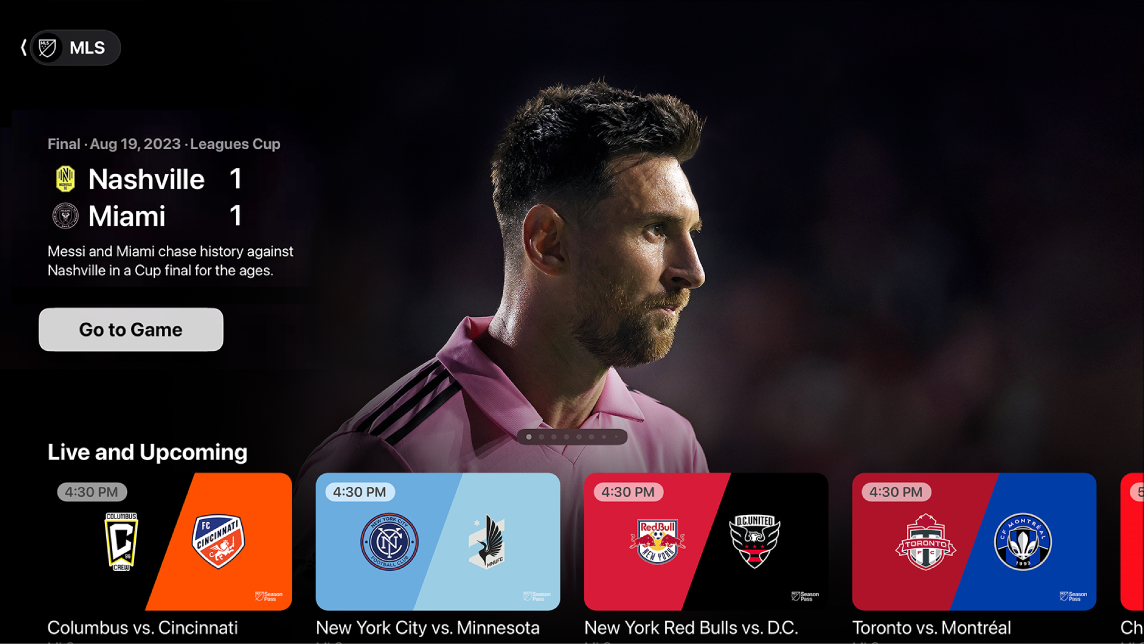
At the heart of the current MLS viewing experience is a groundbreaking partnership that has redefined how sports content is delivered: the exclusive agreement between Major League Soccer and Apple TV, spearheaded by the MLS Season Pass. This isn’t just another channel; it’s a dedicated digital ecosystem built from the ground up to serve MLS fans globally. From a technological standpoint, this collaboration represents a significant leap towards a fully integrated, OTT (Over-The-Top) sports broadcasting model, leveraging Apple’s vast infrastructure and user experience expertise.
The Technological Backbone of MLS Season Pass
MLS Season Pass operates on Apple’s robust streaming architecture, designed for high availability, low latency, and global reach. The service delivers every single MLS match, from the regular season to the playoffs and the MLS Cup, without blackouts—a crucial technological achievement that bypasses traditional geo-restrictions often imposed by regional broadcasting rights. This is facilitated by a centralized content delivery network (CDN) and advanced streaming protocols that ensure viewers across different continents receive a consistent, high-quality stream. The video encoding processes are optimized for various bandwidth conditions, offering adaptive bitrate streaming that adjusts video quality dynamically to match the user’s internet speed, ensuring a smooth experience even on less stable connections. Furthermore, the platform supports multiple audio options, including English and Spanish commentary, and potentially local radio feeds, demonstrating a sophisticated approach to multi-track audio delivery.
Seamless Access Across Your Device Ecosystem
One of the significant advantages of MLS Season Pass, from a technology perspective, is its pervasive device compatibility. While deeply integrated within the Apple ecosystem, requiring an Apple ID for subscription and access, the viewing experience is not confined solely to Apple hardware. Fans can access MLS Season Pass via:
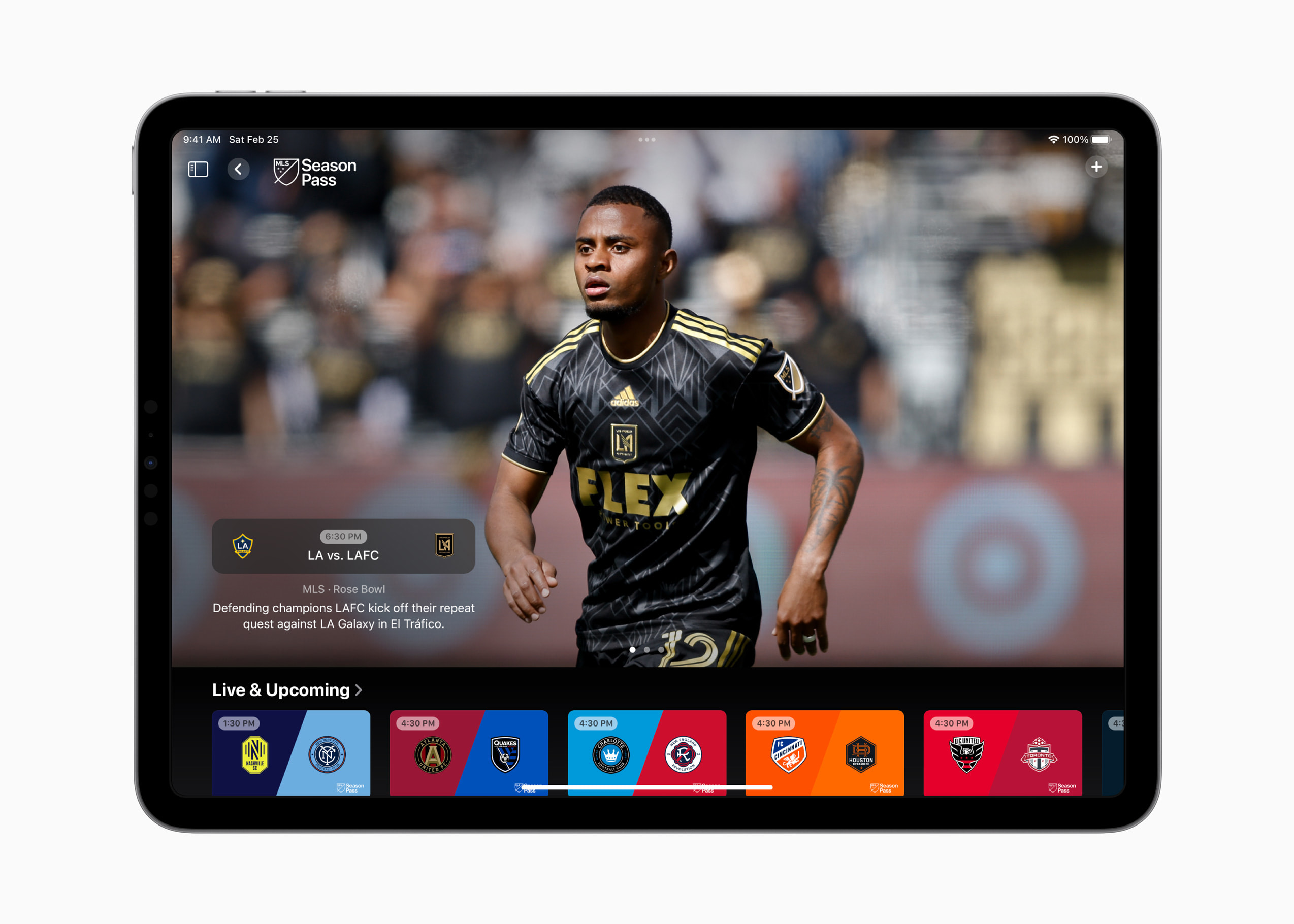
- Apple Devices: iPhones, iPads, Apple TVs (4K and HD), Macs. The native Apple TV app offers the most integrated experience, leveraging the devices’ hardware acceleration for optimal performance.
- Smart TVs: A wide array of smart televisions from manufacturers like Samsung, LG, Sony, Vizio, Panasonic, and others, often have the Apple TV app pre-installed or available for download. This ensures direct access without external streaming devices.
- Streaming Sticks & Boxes: Devices such as Roku, Amazon Fire TV, Google Chromecast, and gaming consoles (PlayStation, Xbox) also support the Apple TV app, extending the reach to virtually any modern television setup.
- Web Browsers: For those preferring a desktop or laptop viewing experience, the Apple TV app is accessible via web browsers at tv.apple.com, providing platform-agnostic access.
This broad compatibility underscores a user-centric design philosophy, recognizing that modern audiences consume content across a diverse array of hardware. The consistent user interface and feature set across these platforms are maintained through cross-platform development frameworks and rigorous testing, ensuring a uniform and intuitive user experience regardless of the access point.
Beyond Live: On-Demand Features and Content Library
MLS Season Pass isn’t merely a live broadcasting service; it’s a comprehensive digital library. Beyond live match broadcasts, the platform offers an extensive array of on-demand content, including full match replays, highlights, in-depth analysis shows, player profiles, and original programming. Technologically, this requires robust video-on-demand (VOD) infrastructure capable of storing, indexing, and rapidly delivering petabytes of video content. Features like pausing, rewinding, and fast-forwarding live streams (DVR functionality) are standard, powered by temporary buffer storage on servers that cache the live feed. The user interface also incorporates advanced search capabilities, personalized recommendations driven by viewing history, and curated playlists, all designed to enhance content discovery and fan engagement within a rich digital environment. The ability to watch multiple matches simultaneously through multi-view options (where available) further highlights the sophisticated engineering behind the platform.
Optimizing Your Streaming Experience: Tech Requirements and Best Practices
To fully appreciate the high-fidelity broadcasts offered by platforms like MLS Season Pass, understanding the underlying technological requirements and adopting best practices for your home setup is crucial. A smooth, high-definition streaming experience is a delicate balance of internet connectivity, device capability, and network configuration.
Internet Bandwidth: The Unsung Hero of Smooth Streaming
The foundation of any quality streaming experience is a stable and sufficiently fast internet connection. For standard definition (SD) content, a consistent speed of 3-5 Mbps (Megabits per second) might suffice. However, for high-definition (HD) 720p or 1080p video, which MLS Season Pass primarily delivers, a minimum of 8-15 Mbps is recommended per stream. If you’re aiming for 4K Ultra HD (UHD), which some sports broadcasts are beginning to offer, 25-50 Mbps or higher is necessary. These figures are for a single stream; if multiple devices are streaming simultaneously on the same network, the total bandwidth requirement increases proportionally.
Key Technical Considerations for Bandwidth:
- Download Speed vs. Upload Speed: Streaming primarily relies on download speed. Ensure your internet service provider (ISP) contract guarantees adequate download rates.
- Latency (Ping): Low latency is critical for live sports, minimizing the delay between the live event and your screen. A high ping can lead to buffering and a less “live” experience. Fiber optic connections generally offer the best latency performance.
- Contention Ratio: In shared network environments (like cable internet), contention refers to how many users share the same bandwidth. During peak hours, this can degrade performance.
Maximizing Video Quality and Minimizing Latency
Beyond raw bandwidth, several technological factors contribute to maximizing your video quality and reducing frustrating buffering or lag:
- Wired vs. Wireless Connection: For critical streaming devices like smart TVs or dedicated streaming boxes, an Ethernet cable connection directly to your router is almost always superior to Wi-Fi. It provides a more stable connection, higher speeds, and lower latency by eliminating wireless interference.
- Router Placement and Technology: If Wi-Fi is your only option, ensure your router is centrally located, unobstructed, and updated. Modern routers supporting Wi-Fi 5 (802.11ac) or Wi-Fi 6 (802.11ax) standards offer faster speeds and better performance, especially in congested environments. Mesh Wi-Fi systems can extend coverage and improve performance in larger homes.
- Device Performance: Older streaming devices, smart TVs, or web browsers might struggle to decode high-resolution video efficiently, leading to choppiness or lower picture quality, even with excellent internet. Ensure your device’s software is updated and that it meets the minimum hardware specifications for 1080p or 4K streaming.
- Background Processes: Close unnecessary applications on your streaming device or computer, as they can consume bandwidth and processing power.
Troubleshooting Common Streaming Hurdles
Despite optimal setups, occasional streaming issues can arise. A systematic technological troubleshooting approach can quickly resolve most problems:
- Restart Everything: The classic IT advice holds true. Restart your router, modem, and streaming device. This often clears temporary glitches and refreshes network connections.
- Check Server Status: Sometimes the issue isn’t on your end. Check the official social media channels or support pages of MLS Season Pass or Apple TV for any reported service outages.
- Clear Cache and Data: On your streaming app or browser, clearing the cache and data can resolve corruption issues that lead to playback problems.
- Update Software: Ensure your Apple TV app, operating system of your streaming device, and web browser are running the latest versions, which often include performance enhancements and bug fixes.
- Isolate the Issue: If only one device has a problem, it points to a device-specific issue. If all devices are affected, it suggests a network or internet service problem.
A Glimpse into the Future: Innovations in Sports Broadcasting Tech
The current digital stadium for MLS is impressive, but the pace of technological innovation promises even more immersive and interactive experiences. The future of sports broadcasting, particularly for leagues like MLS that embrace technology, will be shaped by advancements in data processing, artificial intelligence, and extended reality.
The Rise of Interactive Viewing and Second Screens
The traditional passive viewing experience is giving way to interactive models. Future MLS broadcasts are likely to integrate more deeply with second-screen applications, allowing fans to access real-time statistics, player tracking data, multi-angle replays, and social media feeds simultaneously on their smartphones or tablets. Imagine an app that allows you to control camera angles, zoom in on specific players, or overlay augmented reality graphics directly onto your live stream. This multi-modal consumption of content requires sophisticated synchronization technologies and robust data streams alongside the video feed, all designed to enhance fan engagement beyond mere spectatorship.
AI, Data Analytics, and Enhanced Match Insights
Artificial intelligence and advanced data analytics are poised to revolutionize how we understand and consume sports. AI algorithms can process vast amounts of real-time match data – player movements, passing accuracy, shot velocity, tactical formations – to generate predictive insights, highlight key moments automatically, and even offer personalized commentary. For MLS, this could mean AI-driven analysis that explains tactical shifts during a game, identifies emerging patterns, or provides unique statistical breakdowns tailored to individual viewer preferences. AI could also automate the creation of highlights packages, making curated content available almost instantly after a goal or a significant play, further enriching the on-demand library.
Virtual and Augmented Reality: The Next Frontier for Fan Engagement
While still in nascent stages for mass adoption, Virtual Reality (VR) and Augmented Reality (AR) hold immense potential for sports broadcasting. Imagine donning a VR headset and being transported pitch-side, experiencing the game from the perspective of a player or a specific seat in the stadium, regardless of your physical location. AR could overlay statistics, player names, or even holographic replays directly onto your living room floor as you watch the game on your TV. These technologies demand incredibly high bandwidth, ultra-low latency, and powerful rendering capabilities, pushing the boundaries of current streaming infrastructure. As 5G networks become more ubiquitous and AR/VR hardware becomes more accessible, these immersive experiences could redefine what it means to “watch” an MLS game.
Beyond the Primary Platform: Complementary Viewing Technologies
While MLS Season Pass is the primary gateway, understanding complementary technologies and niche solutions remains relevant, especially for specific use cases or for those leveraging older broadcasting infrastructures.
The Role of Linear Broadcasts and Digital Simulcasts
Despite the shift to streaming, a limited number of MLS matches may still be simulcast on traditional linear television channels (e.g., ESPN, FOX in the US, or specific local networks) in partnership with Apple. From a technological perspective, these broadcasts utilize different delivery mechanisms—cable, satellite, or over-the-air (OTA) antennas—each with its own set of technical specifications, codecs, and distribution challenges compared to OTT streaming. The digital simulcasts on companion apps of these linear broadcasters often involve distinct encoding and content delivery pipelines, requiring specific app installations and, sometimes, cable provider authentication, representing a fragmented, albeit diminishing, part of the overall tech landscape for MLS viewing.
Geo-Fencing and VPN Technology for Global Fans
The concept of geo-fencing—restricting content access based on geographical location—is a common technological implementation in media rights management. While MLS Season Pass aims for global access without blackouts, there might still be niche scenarios or legacy content where geo-restrictions apply or where fans traveling abroad wish to access their home region’s specific sports content. This is where Virtual Private Network (VPN) technology comes into play. A VPN creates an encrypted tunnel between a user’s device and a server in another location, effectively masking the user’s actual IP address and making it appear as if they are browsing from a different country. This technological workaround allows users to bypass geo-restrictions, though its legality and effectiveness can vary, and streaming services actively work to detect and block VPN usage. Understanding the technical principles of VPNs is crucial for any global fan looking to ensure uninterrupted access.

Accessibility Features: Ensuring Inclusive Digital Access
An often-overlooked but critical aspect of modern broadcasting technology is accessibility. Digital platforms like MLS Season Pass are increasingly incorporating features designed to make content accessible to a wider audience. This includes:
- Closed Captions (CC) / Subtitles: Synchronized text displayed on-screen for individuals who are deaf or hard of hearing, or for those who prefer to watch with text. This involves sophisticated speech-to-text algorithms or manual transcription services, integrated into the video player.
- Audio Descriptions (AD): Narration that describes visual information in a program for blind or visually impaired viewers. This is a separate audio track that needs to be precisely timed and mixed with the original audio.
- Adjustable Playback Speed: Allows users to slow down or speed up playback, beneficial for comprehension or for quickly scanning content.
- Keyboard Navigation and Screen Reader Compatibility: Ensuring the app or web interface is fully navigable without a mouse and compatible with screen reader software used by visually impaired users.
These technological implementations are vital for promoting inclusivity, ensuring that the excitement of MLS games can be enjoyed by everyone, regardless of their physical or sensory capabilities.
In conclusion, watching MLS games today is a technological journey. From the sophisticated streaming infrastructure of Apple TV’s MLS Season Pass to the myriad devices it supports, and the future promises of AI and AR, technology is not just a medium but an integral part of the fan experience. Understanding these technological facets allows fans to optimize their viewing, troubleshoot issues, and appreciate the innovative spirit driving the digital transformation of sports entertainment.
aViewFromTheCave is a participant in the Amazon Services LLC Associates Program, an affiliate advertising program designed to provide a means for sites to earn advertising fees by advertising and linking to Amazon.com. Amazon, the Amazon logo, AmazonSupply, and the AmazonSupply logo are trademarks of Amazon.com, Inc. or its affiliates. As an Amazon Associate we earn affiliate commissions from qualifying purchases.