
When most professionals think of Orlando, the immediate mental imagery involves world-class theme parks and family vacations. However, beneath the veneer of hospitality lies one of the most sophisticated technological ecosystems in the United States. Orlando has quietly transformed into a global powerhouse for Modeling, Simulation, and Training (MS&T), aerospace engineering, and “Smart City” infrastructure. For the tech-focused visitor, the city offers a unique opportunity to explore the intersection of physical engineering and digital innovation. This guide explores the key locations and tech hubs that define Orlando as a premier destination for technology professionals and innovators.
The Epicenter of Simulation: Central Florida Research Park
To understand the technological soul of Orlando, one must move past the tourist corridors to the east side of the city. Adiacent to the University of Central Florida (UCF), the Central Florida Research Park stands as the fourth-largest research park in the United States by employment. It is the undisputed global hub for the Modeling, Simulation, and Training industry.
The National Center for Simulation (NCS)
The National Center for Simulation serves as the linchpin for a multi-billion dollar industry. Visitors focused on tech should look into the collaborative environment here, where the U.S. Army, Navy, Air Force, and Marines have their procurement commands for simulation and training. This “Team Orlando” concept represents a rare synergy between government defense, academia, and private industry. The technology developed here ranges from high-fidelity flight simulators to tactical combat simulations using advanced VR and AR overlays. For those interested in how massive data sets are used to create realistic digital twins for training, this is the most critical site in the region.
UCF’s Institute for Simulation and Training (IST)
The academic engine driving this innovation is the Institute for Simulation and Training. As a tech professional, visiting or engaging with IST provides insight into the future of human-computer interaction. The institute explores the psychology of virtual environments, the efficacy of AI-driven tutors, and the development of lightweight, high-resolution optics for head-mounted displays. It is a testament to how academic research directly feeds into the commercial and defense pipelines, creating a continuous loop of innovation in computer science and engineering.
The Living Lab of the Future: Lake Nona
On the southern edge of the city, Lake Nona represents one of the most ambitious “Smart City” projects in the world. Developed by the Tavistock Development Company, this 17-square-mile community serves as a “living lab” for testing integrated technology in healthcare, mobility, and connectivity.
Autonomous Mobility and Beep
One of the most visible tech implementations in Lake Nona is the autonomous shuttle program operated by Beep. These electric, driverless shuttles serve as a real-world case study for the “first mile, last mile” transportation challenge. For tech enthusiasts, observing the sensor suites—including LiDAR, radar, and high-definition cameras—and how the shuttles interact with human-driven traffic offers a glimpse into the future of urban mobility. The Beep Command Center, located within the community, manages the fleet using a sophisticated remote-monitoring platform that highlights the logistical software required to scale autonomous transit.
The GuideWell Innovation Center
In the heart of Lake Nona’s “Medical City” sits the GuideWell Innovation Center. This facility is a nexus for health-tech startups and established biotech firms. The focus here is on “the future of health,” specifically how digital tools, wearable tech, and AI diagnostics can move healthcare from a reactive model to a proactive one. The facility often hosts hackathons and tech summits, making it a prime location for those looking to see how 5G infrastructure—provided by Verizon’s 5G Innovation Lab on-site—is revolutionizing telemedicine and real-time biometric data processing.
Advanced Manufacturing and the Silicon Heartland: NeoCity
While simulation and software are Orlando’s traditional strengths, the region is rapidly expanding into hardware and semiconductor manufacturing. Just south of Orlando in Osceola County lies NeoCity, a 500-acre master-planned campus designed to bring high-tech manufacturing back to the United States.
BRIDG and Microelectronics
The centerpiece of NeoCity is BRIDG, a non-profit organization focused on the manufacturing of microelectronics and advanced sensors. For those interested in the hardware side of tech—specifically the development of chips that power everything from IoT devices to high-performance computing—NeoCity is a critical stop. The facility specializes in 200mm microelectronics fabrication and focuses on heterogenous integration and advanced packaging. In an era where domestic chip production is a matter of national security and economic stability, NeoCity represents a strategic pivot for the Florida economy toward high-end tech manufacturing.
The Sensor Architecture Hub
NeoCity is also becoming a center for the development of smart sensor technology. As AI requires more granular data from the physical world, the demand for sophisticated sensors has skyrocketed. Research being conducted at NeoCity explores the integration of sensors into everyday objects, creating a “smart fabric” for cities and industries. This focus on the “Internet of Everything” (IoE) makes the site a fascinating study in how the physical and digital worlds are becoming inextricably linked.
The Tech Behind the Experience: Innovation in Hospitality
It would be a mistake to overlook the massive technological investments made by Orlando’s major theme parks. Behind the entertainment is some of the world’s most advanced deployments of IoT, edge computing, and robotics.
Disney Imagineering and the “Connected” Guest
While the Walt Disney World Resort is a vacation destination, for a tech professional, it is a masterclass in large-scale systems engineering. The development of the “MagicBand” system was one of the earliest and most successful large-scale deployments of RFID and IoT technology in a consumer environment. Today, this has evolved into Disney Genie+ and the use of sophisticated algorithms to manage crowd flow and optimize real-time capacity. Visiting these locations with an eye toward the back-end infrastructure reveals a complex web of data centers, low-latency wireless networks, and AI-driven predictive modeling that keeps the guest experience seamless.
Universal Creative and Robotics
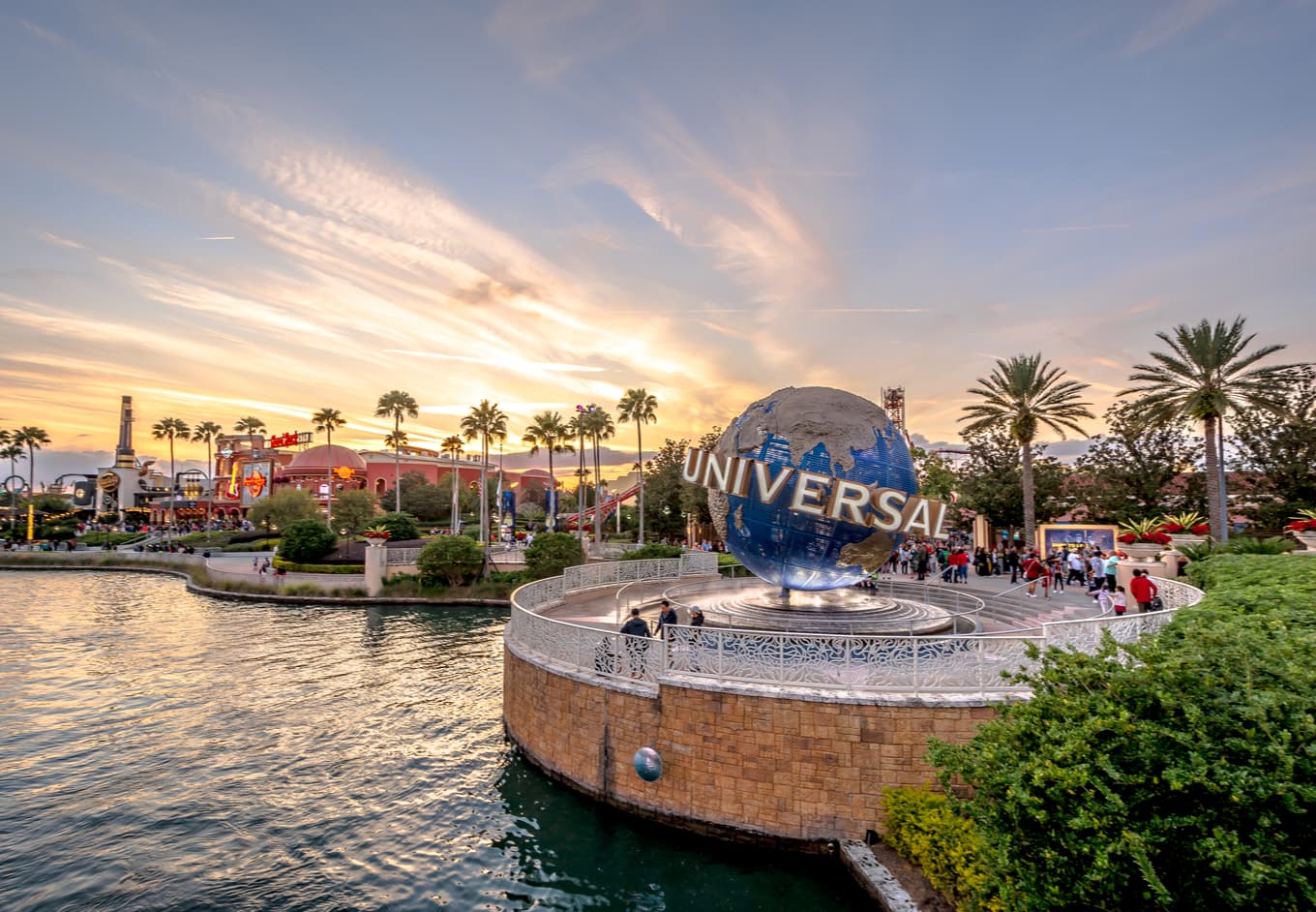
Universal Orlando Resort, particularly with its upcoming Epic Universe park, is pushing the boundaries of animatronics and ride vehicles. The tech involved in “trackless” ride systems—which utilize sophisticated navigation software and on-board processing to move vehicles through a space without physical rails—is a marvel of modern robotics. The integration of augmented reality into physical ride environments also presents a fascinating case study in low-latency rendering and spatial computing. For the developer or engineer, these attractions are less about the “magic” and more about the incredible feats of mechanical and software engineering required to synchronize hundreds of moving parts with millisecond precision.
The Growing Startup Ecosystem and Co-working Landscape
For those looking to network or understand the grassroots tech movement in Orlando, the downtown area and various innovation hubs offer a vibrant scene. Orlando’s tech community is bolstered by a lower cost of living than Silicon Valley, attracting a new wave of remote workers and founders.
Downtown Innovation Districts
Creative Village, located in the heart of downtown Orlando, is a 68-acre site that serves as an urban innovation district. It is home to the UCF Downtown campus and the Florida Interactive Entertainment Academy (FIEA), one of the top-ranked graduate schools for game design in the world. The proximity of game development talent to the modeling and simulation industry creates a unique talent pool that excels in “gamification” tech applied to non-gaming sectors like healthcare and defense.
Co-working and Incubation
Facilities like StarterStudio and various co-working spaces such as Industrious or weWork in the downtown core provide the infrastructure for Orlando’s burgeoning SaaS and fintech startups. Visiting these spaces allows for a direct pulse-check on the local tech community. The city regularly hosts “Tech on Tap” events and the annual Orlando Code Camp, which draws developers from across the Southeast to discuss everything from cloud architecture to the latest in generative AI.

Conclusion
Orlando is a city defined by its ability to blur the lines between reality and simulation. For the tech-focused traveler, it offers a diverse portfolio of sites: from the high-stakes defense simulations at Research Park to the autonomous streets of Lake Nona and the advanced chip fabrication at NeoCity. By looking past the tourist facade, one discovers a city that is not only participating in the global tech economy but is leading it in several critical sectors. Whether your interest lies in software, hardware, or the complex integration of the two, Orlando provides a comprehensive look at the technologies that will define the next decade of human progress.
aViewFromTheCave is a participant in the Amazon Services LLC Associates Program, an affiliate advertising program designed to provide a means for sites to earn advertising fees by advertising and linking to Amazon.com. Amazon, the Amazon logo, AmazonSupply, and the AmazonSupply logo are trademarks of Amazon.com, Inc. or its affiliates. As an Amazon Associate we earn affiliate commissions from qualifying purchases.