
North Carolina, a state celebrated for its diverse landscapes—from the majestic Appalachian Mountains to the serene Outer Banks—is a prime example of effective destination branding. Beyond its natural beauty and rich history, each region within the state has meticulously cultivated a distinct brand identity that resonates with specific visitor demographics. Understanding these brand strategies offers invaluable insights into how places become memorable experiences rather than mere locations on a map. This article delves into the branded allure of North Carolina’s premier destinations, dissecting the elements that define their unique appeal and marketing success.

The Allure of the Mountains: Branding Adventure and Serenity
The western part of North Carolina, dominated by the ancient Appalachian Mountains, has successfully branded itself as a haven for adventure seekers, nature enthusiasts, and those yearning for tranquility amidst stunning vistas. This region leverages its natural assets to craft a powerful identity centered on escape, exploration, and rejuvenation.
Asheville: The Bohemian Brand of Culture and Craft
Asheville stands as a testament to successful urban branding within a natural setting. It has carved out a niche as a vibrant, eccentric, and artistic hub, distinct from typical mountain towns.
- Core Brand Identity: “Bohemian Chic Meets Mountain Cool.” Asheville’s brand is built on its thriving arts scene, innovative culinary landscape (especially farm-to-table and craft breweries), and a palpable counter-cultural vibe. It’s perceived as an inclusive, progressive, and creatively charged city that encourages individual expression.
- Target Audience: Culturally curious travelers, foodies, craft beer aficionados, outdoor adventurers seeking urban amenities, and those attracted to alternative lifestyles.
- Marketing Pillars: Experiential tourism, local artisan promotion, culinary festivals, outdoor activity endorsements (hiking, biking), and a strong emphasis on sustainability and local pride. The Biltmore Estate, while a historical icon, also serves as a premium anchor attraction that elevates the city’s brand perception.
- Brand Messaging: Messages often highlight “uncommon experiences,” “vibrant energy,” and “mountain charm with an urban edge.” This cohesive narrative ensures that Asheville remains top-of-mind for those seeking a unique blend of nature and culture.
The Blue Ridge Parkway: America’s Scenic Brand
More than just a road, the Blue Ridge Parkway is a branded journey, an iconic symbol of American natural beauty and engineering marvel. Its brand identity is synonymous with scenic drives, natural grandeur, and accessible wilderness.
- Core Brand Identity: “America’s Favorite Drive.” The Parkway’s brand evokes a sense of timeless beauty, accessible adventure, and nostalgic Americana. It’s about the journey itself—slow travel, breathtaking views, and connection with nature.
- Target Audience: Road trippers, photographers, nature lovers, families, and those seeking peaceful scenic routes.
- Marketing Pillars: Focus on its designation as an All-American Road, highlighting overlooks, hiking trails, waterfalls, and cultural heritage sites along its route. Promotional materials emphasize the changing seasons, especially the vibrant fall foliage, which is a significant draw.
- Brand Messaging: Consistent themes include “unparalleled vistas,” “serenity,” and “a journey through natural wonders.” The Parkway’s brand successfully communicates an experience that is both grand and intimate, free and meticulously maintained.
Coastal Charms: Branding Relaxation and Heritage
North Carolina’s extensive coastline presents a stark contrast to its mountains, offering a brand identity centered on sun, sand, sea, and maritime history. Each coastal region, however, carves out its own distinct niche within this broader theme.
The Outer Banks: A Brand of Wild Beauty and Historical Intrigue
The Outer Banks (OBX) has masterfully branded itself as a destination where pristine nature meets rich history, offering both secluded relaxation and adventurous exploration.
- Core Brand Identity: “Untamed Coasts and Pioneering Spirit.” The OBX brand is defined by its wild, windswept beaches, iconic lighthouses, historical significance (Kitty Hawk, Graveyard of the Atlantic), and unique wildlife (wild horses). It conveys a sense of freedom, discovery, and a connection to a bygone era.
- Target Audience: Families seeking classic beach vacations, history buffs, fishing enthusiasts, watersports adventurers, and those drawn to a less commercialized coastal experience.
- Marketing Pillars: Emphasizing outdoor activities (surfing, kiteboarding, fishing), historical landmarks, wildlife viewing, and the unique isolation that fosters a sense of escape. The “OBX” sticker has become a powerful, recognizable brand icon.
- Brand Messaging: Consistent messages highlight “adventure on the edge of America,” “historic charm,” and “unspoiled natural beauty.” This cohesive branding successfully positions the Outer Banks as a distinct and memorable coastal getaway.
Coastal Carolina Beaches (e.g., Wilmington, Carolina Beach): Branding Family Fun and Southern Hospitality

Further south, destinations like Wilmington and Carolina Beach offer a different coastal brand—one that blends historical elegance with classic, family-friendly beach town vibes.
- Core Brand Identity: “Southern Charm Meets Classic Beach Getaway.” These areas brand themselves around accessible beaches, vibrant boardwalks, a rich colonial history (Wilmington), and a welcoming, family-oriented atmosphere. It’s about combining cultural enrichment with relaxed seaside fun.
- Target Audience: Families with children, couples seeking a mix of history and relaxation, and those who appreciate traditional beach town amenities.
- Marketing Pillars: Highlighting historical districts (Wilmington’s Riverwalk), lively piers and boardwalks, local dining, and seasonal events. The proximity of cultural attractions to the beach is a key selling point.
- Brand Messaging: Focus on “timeless memories,” “easygoing charm,” and “something for everyone.” The brand promises a balanced vacation experience, marrying historical depth with quintessential beach pleasures.
Urban Centers: Branding Innovation and Heritage
North Carolina’s major cities—Charlotte, Raleigh, Durham—each possess powerful, distinct brands that attract a different kind of visitor, often blurring the lines between business, education, and leisure.
Charlotte: The Brand of Modernity and Momentum
Charlotte has aggressively branded itself as a modern, dynamic New South city, a hub for finance, sports, and contemporary culture. Its identity is forward-looking and aspirational.
- Core Brand Identity: “The Queen City: A Modern Metropolis with Southern Roots.” Charlotte’s brand is characterized by its sleek skyline, burgeoning culinary scene, professional sports teams, and a fast-paced, progressive atmosphere. It projects an image of growth, opportunity, and urban sophistication.
- Target Audience: Business travelers, sports fans, millennials and young professionals, foodies, and those seeking a vibrant urban experience.
- Marketing Pillars: Promoting its major league sports (NFL, NBA), diverse culinary offerings, craft breweries, art museums, and its role as a financial center. Emphasizes modern infrastructure, convention facilities, and nightlife.
- Brand Messaging: Often uses phrases like “vibrant urban energy,” “dynamic growth,” and “exciting possibilities.” Charlotte’s brand successfully communicates its status as a significant cultural and economic player in the Southeast.
The Triangle (Raleigh, Durham, Chapel Hill): The Brand of Innovation and Intellect
The Research Triangle region is a powerful example of a multi-city brand built on intellectual capital, technological innovation, and a vibrant arts and culinary scene.
- Core Brand Identity: “Innovation, Education, and Culture.” The Triangle’s brand is deeply rooted in its world-class universities (Duke, UNC, NC State) and the Research Triangle Park. This intellectual foundation fosters a sophisticated, diverse, and forward-thinking environment, complemented by rich cultural offerings.
- Target Audience: Academics, tech professionals, food enthusiasts, art lovers, and those interested in a dynamic urban-suburban blend with a strong emphasis on education and quality of life.
- Marketing Pillars: Highlighting its universities, major research institutions, burgeoning tech industry, diverse culinary landscape (especially Durham’s food scene), craft breweries, and cultural events. The unique blend of three distinct cities each contributing to the overall brand.
- Brand Messaging: Themes include “a hub of genius,” “culinary creativity,” and “a vibrant place to live, work, and visit.” The Triangle effectively markets itself as a destination where intellectual pursuit meets lifestyle appeal.
Heritage and History: Branding Enduring Narratives
Beyond geography, North Carolina also leverages its deep historical roots to create compelling brand narratives for specific sites and regions. These brands often focus on educational value, authenticity, and a connection to the past.
Historic Sites and Museums: Branding Education and Authenticity
From colonial towns to Civil Rights landmarks, individual historical sites often operate with their own distinct brand, emphasizing their unique story and educational impact.
- Core Brand Identity: “Authentic Windows to the Past.” These brands focus on preservation, storytelling, and providing immersive experiences that transport visitors to different eras. They are about historical integrity and educational engagement.
- Target Audience: History enthusiasts, school groups, families seeking educational outings, and cultural tourists.
- Marketing Pillars: Emphasizing accurate historical interpretation, interactive exhibits, re-enactments, and the tangible connection to significant events or figures. Promotional efforts often highlight the specific narratives each site represents.
- Brand Messaging: Messages like “relive history,” “discover our heritage,” and “experience the past firsthand” are common, reinforcing the value of historical exploration.
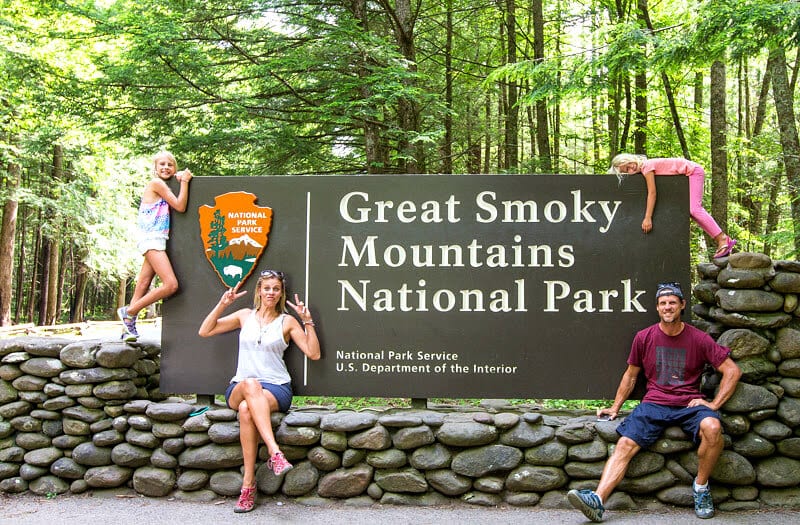
Conclusion: The Art of Destination Branding in North Carolina
North Carolina’s success as a diverse and compelling tourist destination is not accidental; it is the result of intricate and often organic destination branding. Each region, from the Blue Ridge Mountains to the Outer Banks and its bustling urban centers, has meticulously crafted an identity that speaks to a specific audience, promising a unique experience. By understanding these individual brands—their core identities, target audiences, marketing pillars, and messaging—we gain a deeper appreciation for the strategic effort involved in turning a geographical location into an unforgettable visitor experience. North Carolina truly exemplifies how a state’s natural and cultural assets can be powerfully leveraged through the art of branding to attract, engage, and inspire travelers from all walks of life. The “where to visit” transforms into an intentional choice, guided by the distinct brands that define the state’s diverse offerings.
aViewFromTheCave is a participant in the Amazon Services LLC Associates Program, an affiliate advertising program designed to provide a means for sites to earn advertising fees by advertising and linking to Amazon.com. Amazon, the Amazon logo, AmazonSupply, and the AmazonSupply logo are trademarks of Amazon.com, Inc. or its affiliates. As an Amazon Associate we earn affiliate commissions from qualifying purchases.