
Denver, Colorado, has transitioned from a historical frontier town into a sophisticated technological powerhouse often referred to as “Silicon Mountain.” For the tech-savvy traveler, the digital nomad, or the industry professional, visiting Denver is no longer just about the proximity to the Rockies; it is about immersing oneself in one of the fastest-growing innovation ecosystems in the United States. From the sprawling aerospace facilities to the dense clusters of SaaS startups in the urban core, the city offers a unique blend of high-altitude living and high-tech advancement.
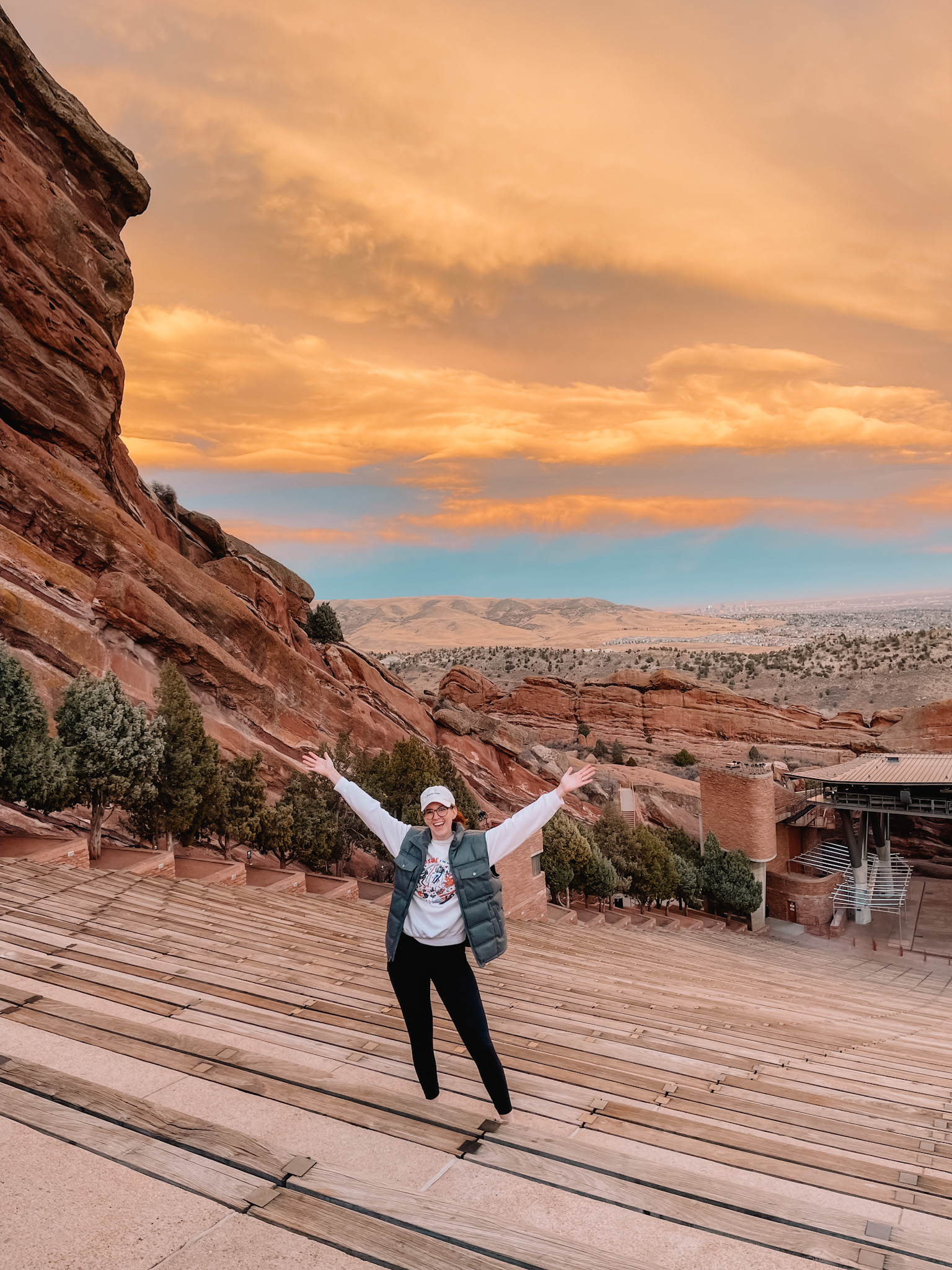
This guide explores the essential destinations in Denver for those looking to experience the pulse of technology, software development, and digital infrastructure.
The Innovation Epicenter: LoDo and the Union Station Tech Corridor
The transformation of Lower Downtown (LoDo) serves as the primary case study for Denver’s technological renaissance. What was once a collection of neglected warehouses is now the nerve center for the city’s software and digital security industries. When visiting Denver with a focus on tech, the area surrounding Union Station is the mandatory first stop.
The SaaS and Cybersecurity Hub
The streets radiating from Union Station are lined with the regional headquarters of global tech giants and home-grown unicorns. Companies like Slack, Xero, and Palantir have established significant footprints here, drawn by the city’s robust talent pool. A walk through this corridor offers a glimpse into the architecture of modern work; the buildings are designed with integrated smart-city technologies, featuring LEED-certified systems and high-capacity fiber optic networks that support the massive data needs of these enterprises. For tech professionals, the networking opportunities in the local coffee shops and bars—where discussions often revolve around API integrations and cloud architecture—are unparalleled.
The Commons on Champa
For those interested in the grassroots level of Denver’s tech scene, The Commons on Champa is a critical destination. This public-private partnership serves as a “campus for entrepreneurship.” It provides a space where visiting developers and founders can access resources, attend workshops on AI tools, and engage with the local startup community. It represents the collaborative spirit of Denver’s tech culture, offering a physical location to witness how the city fosters innovation through accessibility and digital equity initiatives.
The Creative Tech Revolution: The RiNo Art District
While LoDo handles the enterprise side of the city, the River North (RiNo) Art District is where creativity meets code. This neighborhood has become the preferred destination for UI/UX design firms, boutique software agencies, and digital marketing powerhouses.
Digital Agencies and UI/UX Labs
RiNo’s aesthetic is defined by industrial grit repurposed for the digital age. Visiting the various “foundries” and converted garage spaces reveals some of the country’s leading UX design labs. These firms are at the forefront of human-computer interaction, testing new mobile app interfaces and VR environments. The district serves as a living laboratory for how design thinking influences software development, making it a must-visit for anyone interested in the front-end of the tech industry.
Incubators and Accelerated Growth
RiNo is also home to several prominent tech incubators and accelerators. These facilities are the birthplaces of numerous apps and platforms that have gone on to disrupt national markets. The environment here is hyper-focused on agile methodology and rapid prototyping. For a tech-focused visitor, observing the collaborative workspaces in RiNo provides insight into the “fail fast, pivot faster” mentality that drives the local software scene. The integration of street art and high-end coding environments creates a unique culture where digital innovation is treated as a modern art form.
Future-Proofing the City: Smart Infrastructure and Green Tech
Denver is not only a consumer of technology but a pioneer in urban tech integration. The city has invested heavily in “Smart City” initiatives that use IoT (Internet of Things) and AI to manage resources and improve the lives of its residents.
Panasonic’s Peña Station Next
Located near the Denver International Airport, Peña Station Next is perhaps the most ambitious tech destination in the state. This 400-acre “smart city” development is a collaboration with Panasonic and serves as a real-world testbed for emerging technologies. Visitors can see sustainable tech in action, including a massive solar-plus-storage microgrid that powers the facility. The area features smart street lighting, autonomous shuttle testing, and advanced traffic management systems. It is a glimpse into the future of urban planning, where data and hardware are seamlessly integrated to create carbon-neutral living environments.
The National Renewable Energy Laboratory (NREL)
While technically located just west of Denver in Golden, NREL is the scientific backbone of the region’s tech identity. As the only federal laboratory dedicated to the research, development, commercialization, and deployment of renewable energy and energy efficiency technologies, NREL is a world-class facility. Tech visitors can explore the Insight Center, which uses high-performance computing and large-scale visualization to explore complex energy data. The work being done here in hydrogen fuel cells, wind energy algorithms, and solar efficiency is what enables the “green tech” reputation that Denver carries globally.
The Networking Hubs: Co-working and Tech Culture
A visit to Denver’s tech scene is incomplete without engaging with the spaces that facilitate the city’s digital nomad culture. Denver has one of the highest concentrations of remote tech workers in the country, and the infrastructure reflects this reality.
Enterprise-Grade Co-working Spaces
The city boasts a diverse array of co-working environments that go beyond basic Wi-Fi. Locations like Industrious, WeWork, and locally-owned hubs like Enterprise Coworking offer hardware-rich environments. These spaces are equipped with high-definition video conferencing suites, podcasting studios, and dedicated server rooms. For the visiting tech professional, these are the locations where the “Silicon Mountain” community actually works. They are centers of knowledge exchange where one can find experts in everything from blockchain development to machine learning.
Catalyst HTI and Health-Tech Innovation
In the heart of RiNo, Catalyst HTI represents a specific niche: health technology. This industry integrator brings together private enterprise, government entities, and academic institutions under one roof to accelerate healthcare innovation. It is a unique tech destination because it focuses on a single vertical—digital health. Visiting Catalyst allows one to see the latest in wearable tech, telemedicine platforms, and AI-driven diagnostic tools. It exemplifies Denver’s strategy of creating “vertical” hubs where specialized technology can flourish through proximity and collaboration.
The Educational Foundations: Tech Research and Development
The longevity of Denver’s tech scene is secured by its proximity to top-tier research institutions. These campuses are not just for students; they are hubs of innovation that visitors can explore to see the next generation of hardware and software.
The University of Denver (DU) and the Ritchie School
The Ritchie School of Engineering and Computer Science at DU is a focal point for AI and robotics research. The facility itself is a marvel of modern educational tech, featuring labs dedicated to cybersecurity, software engineering, and mechatronics. The university often hosts tech symposiums and public lectures on the ethics of AI and the future of digital privacy, making it a cultural hub for those who want to engage with the deeper implications of technological progress.

Auraria Campus and the Cybersecurity Center
The Auraria Campus, located in downtown Denver, houses the Metropolitan State University of Denver (MSU Denver) and its Cybersecurity Center. Given the increasing importance of digital security, this center is a vital part of the city’s tech landscape. It features a “Cyber Range,” a controlled environment where students and professionals can simulate and defend against large-scale cyberattacks. For tech visitors interested in the defensive side of the digital world, the center provides a fascinating look at the front lines of global information security.
Denver’s identity is increasingly defined by its digital achievements. Whether it is the smart infrastructure at Peña Station Next, the bustling SaaS corridor in LoDo, or the cutting-edge health-tech at Catalyst HTI, the city offers a wealth of destinations for anyone interested in the future of technology. Visiting Denver today means seeing a city that is not only prepared for the digital age but is actively building the software and systems that will define it.
aViewFromTheCave is a participant in the Amazon Services LLC Associates Program, an affiliate advertising program designed to provide a means for sites to earn advertising fees by advertising and linking to Amazon.com. Amazon, the Amazon logo, AmazonSupply, and the AmazonSupply logo are trademarks of Amazon.com, Inc. or its affiliates. As an Amazon Associate we earn affiliate commissions from qualifying purchases.