
In an increasingly digitized world, the ways we manage, transfer, and interact with our money have evolved dramatically. Traditional banking methods, while still foundational, are now complemented—and often streamlined—by innovative financial technology (fintech) solutions. Among these, Venmo stands out as a pervasive peer-to-peer (P2P) payment application that has transcended its initial purpose to become an integral tool for personal finance, small business transactions, and even certain aspects of the gig economy.
Originally conceived as a simple way to split bills among friends, Venmo has broadened its utility, embedding itself into the fabric of everyday financial interactions for millions. For the astute financial manager, understanding the diverse scenarios “where to use Venmo” is not just about convenience; it’s about optimizing cash flow, simplifying expense tracking, and leveraging digital tools to maintain a clear picture of one’s financial landscape. This article delves into the essential use cases for Venmo, framing it within the broader context of personal and business finance, and offering insights into how to integrate this powerful tool effectively and securely into your financial strategy. From everyday budgeting hacks to supporting nascent entrepreneurial endeavors, Venmo offers a versatile platform for navigating the digital dollar, provided its functionalities and limitations are clearly understood.

Optimizing Everyday Personal Finance with Venmo
At its core, Venmo excels in simplifying the often convoluted process of managing shared expenses and informal financial agreements among individuals. For anyone looking to streamline their personal finances, Venmo provides an intuitive solution that can significantly reduce friction in common money-sharing scenarios.
Splitting Bills and Expenses with Friends
One of Venmo’s most celebrated features is its seamless ability to divide costs among a group. Whether it’s a dinner out, a shared vacation rental, or a collective gift for a friend, the platform transforms what could be an awkward or complex financial reconciliation into a straightforward digital exchange. Instead of collecting cash or sending multiple bank transfers, one person can cover the initial expense, and others can quickly reimburse their share via Venmo. This not only promotes financial transparency within social circles but also helps individuals maintain better control over their budgets by facilitating immediate settlement of debts, preventing small IOUs from accumulating and becoming hard to track. For instance, after a group meal, a single person pays the restaurant bill, and within minutes, each friend can send their portion directly to that individual, often linking to a specific transaction for clarity. This immediate settlement is a cornerstone of efficient personal finance, preventing financial ambiguity.
Managing Shared Household Costs Among Roommates
Living with roommates invariably involves shared financial responsibilities, from rent and utilities to groceries and household supplies. Venmo emerges as an indispensable tool for managing these recurring and often varied expenses. Instead of a cumbersome spreadsheet or a rotating schedule of who pays what, roommates can establish a clear system using Venmo. One person might be responsible for paying the internet bill, another for electricity, and a third for rent. Venmo then allows for the swift and documented transfer of funds to ensure everyone contributes their fair share. This minimizes disputes, automates the often tedious process of financial coordination, and provides a digital record of all transactions, which can be invaluable for budgeting and accountability. The simple act of sending a payment request for a specific amount, clearly itemized as “your share of electric bill,” brings a level of professionalism to domestic financial arrangements that was previously challenging to achieve without a dedicated financial planner.
Facilitating Informal Loans and Personal Reimbursements
Beyond structured bill-splitting, Venmo serves as an excellent platform for handling informal loans and reimbursements among trusted individuals. Have you ever lent a friend twenty dollars for lunch, or needed to be repaid for concert tickets you bought for both of you? Venmo makes these small-scale financial interactions effortless. Rather than waiting for cash or checks, a quick Venmo transaction ensures that debts are settled promptly. This functionality is particularly useful for small, impromptu financial exchanges that occur frequently in daily life. From parents sending pocket money to their college-aged children to friends covering an unexpected expense for one another, Venmo provides a quick, traceable, and convenient method for these smaller, yet critical, components of personal financial management. The ability to add notes to each transaction (“for the coffee,” “loan repayment”) further enhances clarity and serves as a simple financial diary for these informal exchanges.
Unlocking New Avenues for Online Income and Side Hustles
The rise of the gig economy and the increasing prevalence of online commerce have transformed how many individuals generate income outside of traditional employment. For freelancers, small business owners, and those pursuing side hustles, Venmo offers a user-friendly and accessible platform for receiving payments, bridging the gap between service provision and financial compensation.
Receiving Payments for Freelance Services
For freelancers ranging from graphic designers and writers to virtual assistants and social media managers, Venmo provides a convenient method for receiving payment, especially for smaller projects or initial client engagements. While larger contracts might necessitate invoicing systems or dedicated payment processors, Venmo can be ideal for quick payments, project milestones, or clients who prefer a simple, direct transfer. Many independent contractors find Venmo’s immediate transfer capabilities appealing, as it ensures they receive funds quickly, aiding cash flow management critical for self-employed individuals. It simplifies the transaction process, allowing freelancers to focus more on their craft and less on complex payment gateways, particularly for domestic clients. This ease of transaction lowers the barrier to entry for many budding freelancers and contributes to the agility required to thrive in a competitive freelance market.
Selling Goods Through Online Marketplaces
Whether you’re decluttering your home by selling items on Facebook Marketplace, Craigslist, or local buy-and-sell groups, or you’re a budding entrepreneur testing products online, Venmo offers a secure and straightforward payment option. Instead of handling cash, which can be inconvenient and risky, or dealing with checks that can bounce, Venmo facilitates digital payment upon pickup or delivery. This provides a layer of security and convenience for both buyer and seller. For small-scale online sellers, the ability to accept Venmo payments broadens their potential customer base and streamlines the transaction process, making it easier to convert interested parties into paying customers. It allows individuals to monetize their assets or creations quickly and efficiently, directly impacting their personal income and financial flexibility. It’s a quick way to turn unwanted items into liquid cash, a cornerstone of effective personal finance.
Payments for Gig Economy Services
The vast array of services offered within the gig economy—from dog walking and babysitting to tutoring and handyman work—often involve numerous small, frequent transactions. Venmo is perfectly suited for these scenarios. A babysitter can quickly send a request to parents after a job, a tutor can receive payment for a session, or a lawn care provider can get paid upon completion of service. This eliminates the need for cash exchanges, simplifying accounting for both service providers and clients. For individuals building a portfolio of gig work, Venmo offers a consistent and easily manageable record of income, which can be essential for tax purposes and overall financial tracking. By providing an immediate and verifiable payment method, Venmo supports the fluidity and rapid exchange inherent in the gig economy, allowing participants to maximize their earning potential without getting bogged down by payment logistics.
Supporting Small Businesses and Local Commerce
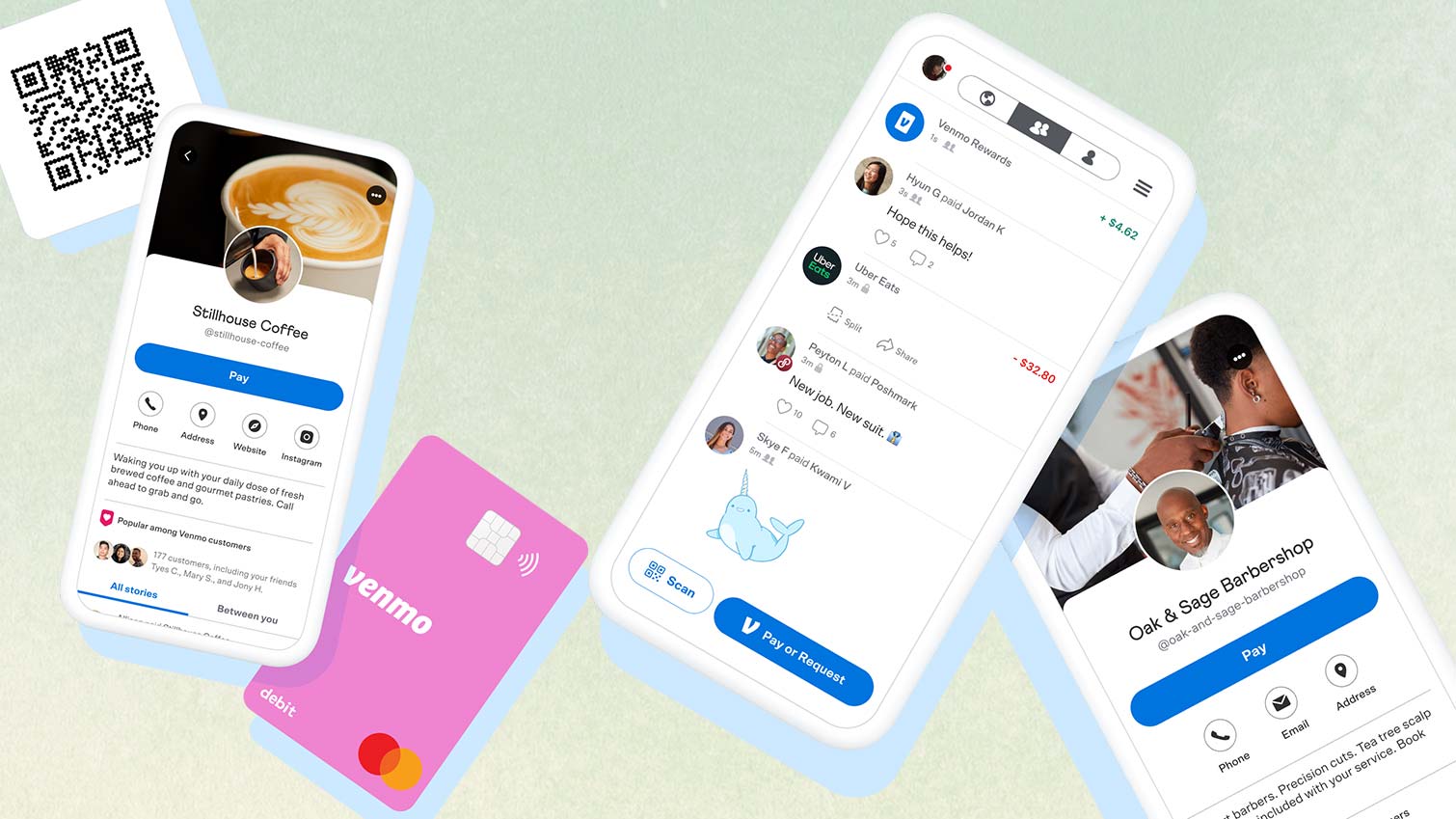
While initially designed for peer-to-peer transfers, Venmo has expanded its offerings to include business profiles, allowing small enterprises to accept payments from customers with ease. This development has significantly impacted local commerce and entrepreneurial ventures, providing accessible payment solutions for businesses of all sizes.
Paying Local Vendors and Artisans
Many small businesses, local artisans, and farmers market vendors have adopted Venmo as a convenient payment method. For customers, it offers the flexibility of digital payment without the need for cash or cards, especially useful in environments where traditional card readers might be cumbersome or unavailable. For vendors, accepting Venmo can broaden their customer base and simplify the checkout process, particularly for businesses that operate with limited infrastructure or at temporary locations. From buying handmade crafts at a local fair to paying for fresh produce directly from a farmer, Venmo facilitates these transactions, injecting vital funds directly into local economies and supporting independent creators. This makes financial transactions more accessible and less formal, fostering a closer connection between local businesses and their community.
Small Business Transactions via Venmo Business Profiles
Venmo’s dedicated business profiles allow small enterprises—like cafes, fitness instructors, barbershops, or independent consultants—to accept payments for goods and services more formally. These profiles offer features such as transaction history, easier reconciliation, and the ability to process larger volumes of payments than a personal account. This is a game-changer for micro-businesses and startups that may not yet have the resources for full-fledged point-of-sale systems or merchant accounts. By integrating Venmo into their payment options, these businesses can cater to a wider demographic, particularly younger customers who prefer digital payments. For the business owner, it means quicker access to funds and a simplified accounting process for specific types of transactions, contributing positively to their overall financial health and operational efficiency. It reduces processing fees compared to some traditional card processors for certain transaction volumes, providing a cost-effective solution.
Donations to Non-Profits and Community Initiatives
Venmo has also become a popular platform for accepting donations for non-profit organizations, school fundraisers, and various community initiatives. Its ease of use means that individuals can contribute to causes they care about with just a few taps on their phone. This low barrier to entry for donating can significantly increase participation and contributions for smaller organizations that might lack sophisticated fundraising platforms. For community leaders and organizers, setting up a Venmo account for donations simplifies the collection process and provides immediate access to funds, which can be crucial for time-sensitive initiatives or urgent relief efforts. It democratizes fundraising, allowing grassroots efforts to mobilize financial support efficiently and transparently within their networks.
Best Practices and Financial Prudence When Using Venmo
While Venmo offers unparalleled convenience, integrating it into your financial management strategy requires an understanding of its limitations and adherence to best practices to ensure security and financial prudence. Using Venmo effectively is not just about knowing where to use it, but how to use it wisely.
Recognizing and Avoiding Common Scams
Like any widely used financial platform, Venmo is a target for scammers. Users must be vigilant against common schemes such as fake payment notifications, overpayment scams (where a scammer sends more than the agreed-upon amount and asks for the difference back), and phishing attempts designed to steal account credentials. For any significant transaction, especially with unfamiliar parties, always verify payment directly within the Venmo app rather than relying on email or text notifications. Understanding that Venmo is primarily designed for transactions between trusted parties is crucial; its buyer/seller protection is not as robust as dedicated e-commerce platforms, making caution paramount in peer-to-peer exchanges. Exercising due diligence protects your financial assets and prevents potential losses.
Understanding Transaction Limits and Fees
Venmo, while convenient, comes with certain transaction limits and fees that can impact financial planning. There are limits on how much money you can send and receive within specific timeframes, as well as limits on instant transfers to a bank account (which often incur a small fee). Standard bank transfers, which are free, typically take 1-3 business days. For individuals or businesses dealing with larger sums, or requiring immediate access to funds, these limitations and costs must be factored into their financial strategy. For example, a freelancer expecting a large payment might need to consider alternative methods if it exceeds Venmo’s sending or receiving limits. Being aware of these parameters helps users avoid unexpected delays or costs, ensuring that Venmo aligns with their broader financial objectives.
Privacy Settings and Financial Data Protection
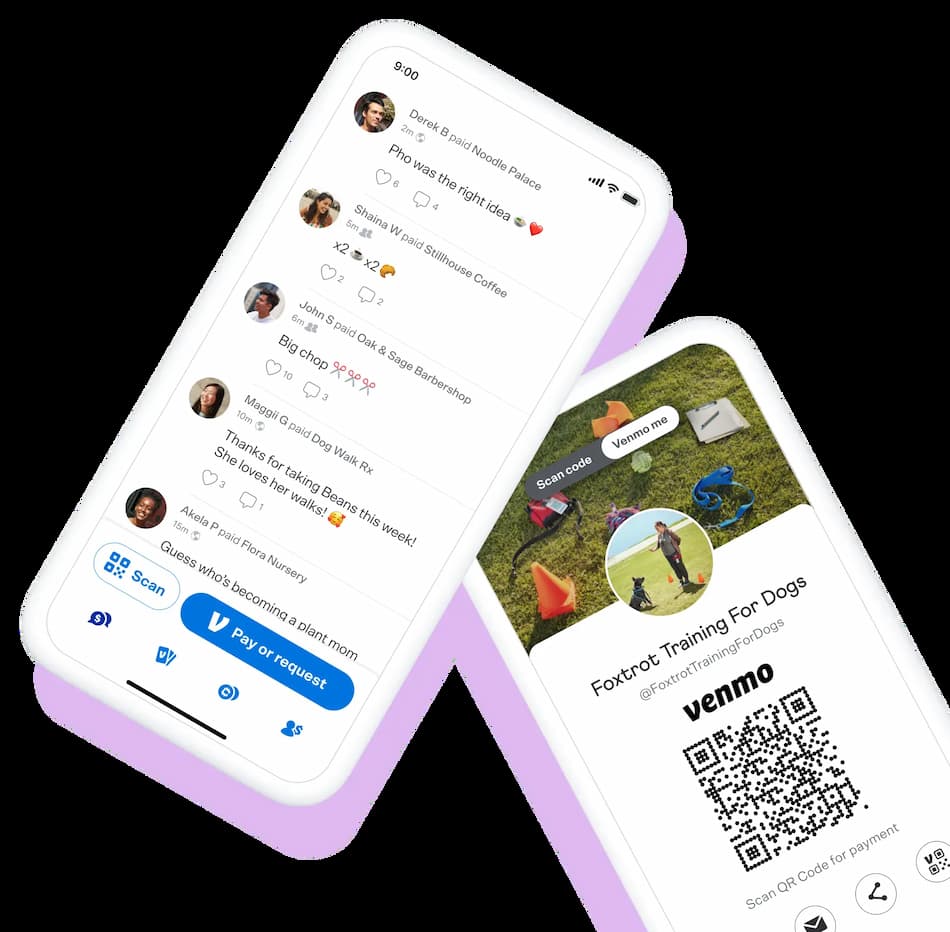
Venmo’s social feed, while engaging, means that transactions can be visible to others depending on your privacy settings. Users should proactively manage these settings to control who sees their payment activities. Default settings often make transactions public, displaying payment details (though not monetary amounts) to your network. For sensitive financial transactions, or simply for general privacy, it is advisable to set transactions to “private.” Furthermore, users should enable multi-factor authentication and use strong, unique passwords to protect their accounts from unauthorized access. Safeguarding personal financial data is paramount in the digital age, and taking these simple steps ensures that the convenience of Venmo doesn’t come at the cost of your financial privacy and security.
Conclusion
Venmo has undoubtedly carved out a significant niche in the modern financial ecosystem, transitioning from a simple app for splitting dinner bills to a versatile tool that supports a wide array of personal and small business financial transactions. Understanding “where to use Venmo” effectively means recognizing its strengths in simplifying everyday financial interactions, empowering independent workers and small businesses, and facilitating community engagement through donations.
For individuals and entrepreneurs alike, Venmo offers a powerful means to manage digital dollars with ease and efficiency, contributing to more organized personal finance, better cash flow for side hustles, and streamlined operations for local commerce. However, its optimal use is predicated on a careful understanding of its operational nuances—from privacy settings and transaction limits to the critical need for vigilance against scams. By integrating Venmo thoughtfully and securely into their financial routines, users can leverage its convenience to enhance their financial management, embrace the agility of the digital economy, and navigate the landscape of modern payments with confidence and control. As fintech continues to evolve, platforms like Venmo will remain at the forefront, shaping how we interact with our money in a world increasingly moving beyond physical cash.
aViewFromTheCave is a participant in the Amazon Services LLC Associates Program, an affiliate advertising program designed to provide a means for sites to earn advertising fees by advertising and linking to Amazon.com. Amazon, the Amazon logo, AmazonSupply, and the AmazonSupply logo are trademarks of Amazon.com, Inc. or its affiliates. As an Amazon Associate we earn affiliate commissions from qualifying purchases.