
In an increasingly fragmented digital landscape, finding your favorite content can often feel like navigating a maze. For fans of AMC, the network renowned for its groundbreaking original series like The Walking Dead, Mad Men, Breaking Bad, and Better Call Saul, identifying the most efficient and reliable streaming avenues is paramount. This comprehensive guide delves into the technological ecosystem surrounding AMC, exploring direct subscriptions, live TV streaming services, on-demand options, and critical tech considerations to ensure an optimal viewing experience. We’ll dissect the platforms, device compatibility, and technical nuances that define how modern audiences consume AMC’s premium offerings, ensuring you’re always connected to the content you love.
Navigating AMC’s Core Digital Offerings
The evolution of content distribution has seen traditional broadcasters like AMC expand significantly into direct-to-consumer digital platforms. Understanding these core offerings is the first step in mastering how to stream AMC.
Understanding the AMC Networks Ecosystem
AMC is not just a single channel; it’s the flagship of a broader portfolio under AMC Networks, which has strategically built a robust ecosystem of niche streaming services. Beyond the main AMC channel, the company operates several specialized platforms:
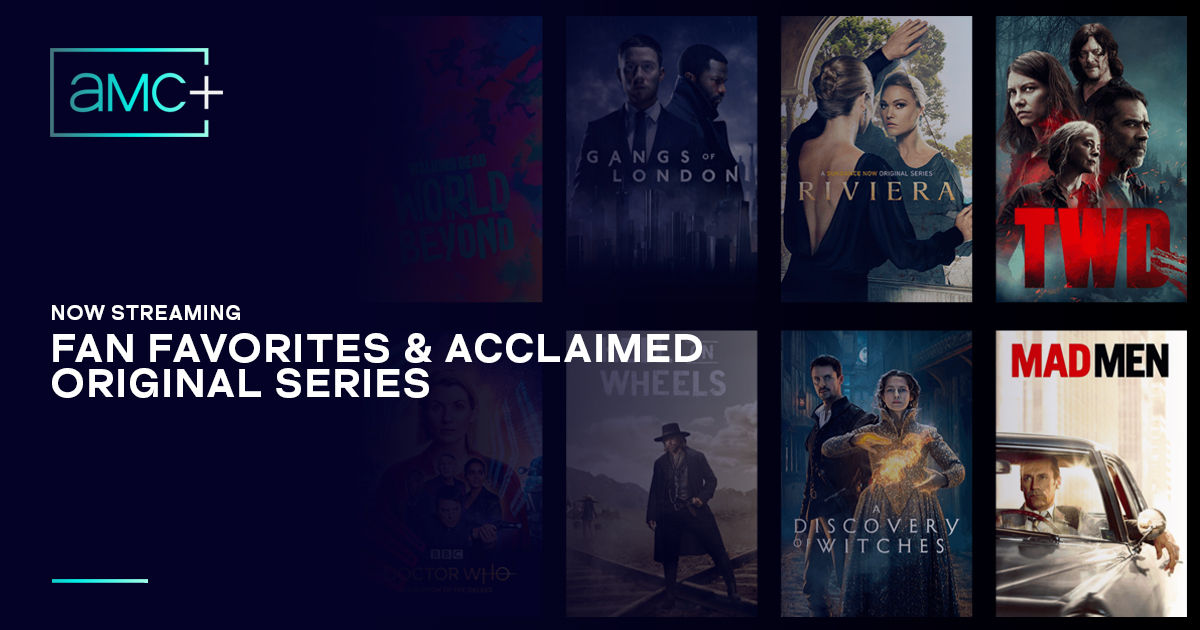
- AMC+: The premium, all-inclusive streaming service offering content from AMC, Shudder, SundanceTV, IFC Films Unlimited, and Acorn TV, often with early access to new episodes and exclusive originals.
- Shudder: Dedicated to horror, thrillers, and the supernatural.
- Sundance Now: Focuses on independent films, documentaries, and foreign dramas.
- Acorn TV: Specializes in British and international television series.
- IFC Films Unlimited: Curates a selection of acclaimed independent films.
This multi-faceted approach means that while you might be looking for “AMC,” you’re likely interested in the broader range of high-quality, often genre-specific, content these sister platforms provide. AMC+ serves as the central hub, consolidating much of this content into a single, convenient subscription.
The Premium Experience of AMC+
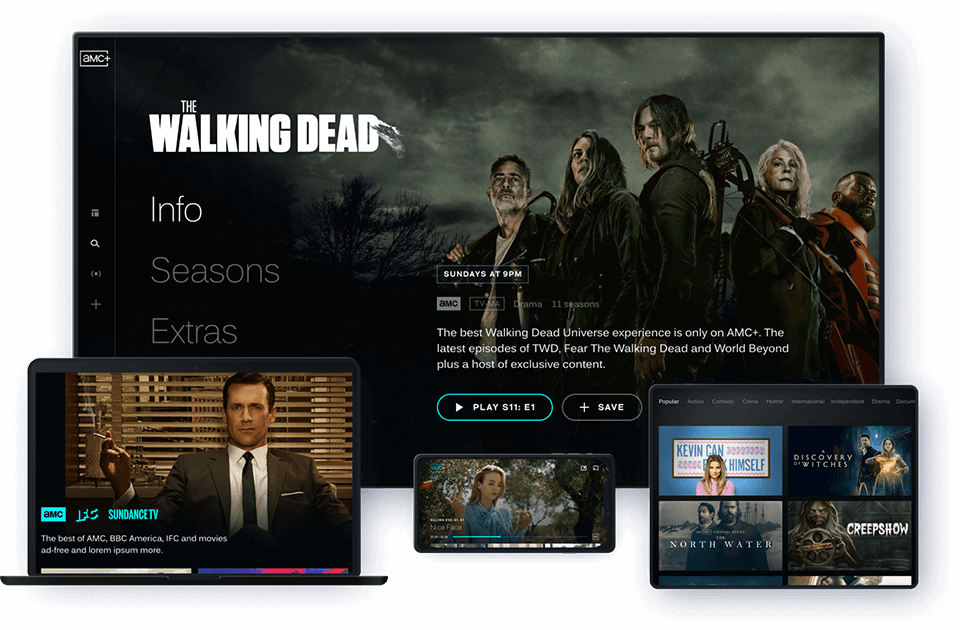
AMC+ represents AMC Networks’ most significant foray into direct-to-consumer streaming. It’s designed to be the ultimate destination for fans, offering a compelling blend of value and exclusive content. Subscribers gain access to a vast library of AMC’s iconic series, often ad-free, alongside a curated selection from its sister services. Crucially, AMC+ frequently provides early access to new episodes of popular AMC shows, sometimes a week ahead of their linear television broadcast. This “first look” privilege is a major draw for tech-savvy viewers who prioritize immediate access over traditional scheduling.
The service’s pricing model is typically monthly or annual, with the annual subscription often providing a cost-saving incentive. Free trial periods are commonly available, allowing potential subscribers to test the service’s content library and technical performance before committing. This trial period is a critical tech feature, enabling users to assess device compatibility, internet bandwidth requirements, and the overall user interface before financial investment.
Device Compatibility and User Experience
A robust streaming service must support a wide array of devices to cater to diverse user preferences. AMC+ excels in this regard, offering broad compatibility across the most popular streaming hardware and software platforms.
- Smart TVs: Directly integrated apps are available on leading smart TV brands such as Samsung, LG, Vizio, and Android TV devices. This native integration provides a seamless experience, leveraging the TV’s built-in processing power.
- Streaming Sticks & Boxes: Devices like Roku, Amazon Fire TV Stick, Apple TV, Google Chromecast, and Nvidia Shield are fully supported. These external devices often offer superior performance, dedicated remote controls, and broader app ecosystems compared to some smart TV interfaces.
- Mobile Devices: Dedicated AMC+ apps are available for iOS (Apple iPhones and iPads) and Android smartphones and tablets. These apps are optimized for touch interfaces and offer features like offline downloads for on-the-go viewing, a key technological advantage for mobile users.
- Web Browsers: Content can be accessed directly through standard web browsers (Chrome, Firefox, Safari, Edge) on desktop and laptop computers via the AMC+ website. This offers flexibility for those who prefer larger screens or multi-tasking while viewing.
- Gaming Consoles: While not always the primary focus, some services also extend to consoles like Xbox and PlayStation, though this can vary.
The user experience across these platforms is generally consistent, featuring intuitive navigation, personalized recommendations, and reliable playback. Features like watchlists, resume playback across devices, and parental controls are standard, enhancing the overall utility and user-friendliness of the service.
Live TV Streaming Services: The Cable-Cutting Alternative
For viewers who prefer the traditional “linear TV” experience but want to cut the cord from conventional cable or satellite providers, live TV streaming services offer a robust alternative. Many of these services include AMC in their channel lineups, providing access to live broadcasts and often an extensive on-demand library of recent episodes.
Major Platforms Featuring AMC
A variety of popular live TV streaming platforms carry AMC, each with its own pricing structure, channel bundles, and unique features.
- Sling TV: Known for its customizable channel packages (Orange and Blue), Sling TV is often one of the most cost-effective ways to get AMC. It’s an excellent option for users prioritizing specific channels over a massive bundle.
- YouTube TV: Offers a comprehensive package of channels, including AMC, alongside unlimited cloud DVR storage. Its interface is familiar to anyone accustomed to YouTube and is widely praised for its reliability.
- Hulu + Live TV: Combines Hulu’s extensive on-demand library with a strong selection of live channels, including AMC. This is ideal for those who want a hybrid live TV and deep on-demand experience.
- Philo: A budget-friendly option that focuses on entertainment and lifestyle channels. It includes AMC and offers unlimited DVR, making it a strong contender for those who don’t need sports or news.
- DirecTV Stream: Offers various packages, including AMC, and provides a more traditional cable-like interface. It caters to users who desire a premium feel and a wide array of channels.
- fuboTV: Primarily known for its sports content, fuboTV also includes a decent selection of entertainment channels, including AMC, in its various tiers.
Each service leverages different streaming technologies, from adaptive bitrate streaming for varying internet speeds to cloud-based DVRs that allow users to record and store live programming without physical hardware.
Comparing Features: Channel Lineups, DVR, Simultaneous Streams
Choosing among these services involves comparing key technological and feature differentiators:
- Channel Lineups: While most include AMC, the surrounding channels (sports, news, other entertainment) vary significantly. Tech-savvy users often use comparison tools to ensure all their must-have channels are present.
- Cloud DVR: This feature is a game-changer, allowing users to record live shows and watch them later. DVR capabilities vary by service, from unlimited storage (YouTube TV, Philo) to limited hours or timeframes. The underlying cloud infrastructure for these DVRs is a complex technological feat, ensuring recordings are reliably stored and accessible across devices.
- Simultaneous Streams: Family households benefit from the ability to stream on multiple devices at once. This number ranges from 1-3 streams typically, with options to upgrade for more. This involves sophisticated network management to allocate bandwidth and user sessions efficiently.
- Device Support: Similar to AMC+, these services support a broad range of devices, ensuring accessibility across smart TVs, streaming sticks, mobile devices, and web browsers.
Technical Requirements and Internet Bandwidth for Live Streaming
Reliable live TV streaming demands a stable and sufficiently fast internet connection. Unlike on-demand content which can buffer ahead, live streams require continuous data flow.
- Minimum Speeds: For standard definition (SD), 3-5 Mbps is often sufficient. For high definition (HD), 5-10 Mbps per stream is recommended. For 4K UHD content, which some services are beginning to offer, 25 Mbps or more is necessary per stream.
- Network Stability: A consistent connection is more important than peak speed. Wi-Fi interference, router age, and network congestion can all impact performance. A hardwired (Ethernet) connection is always preferable for critical streaming devices like smart TVs or dedicated streaming boxes.
- Router Quality: A modern Wi-Fi 5 (802.11ac) or Wi-Fi 6 (802.11ax) router can significantly improve local network performance, especially in households with multiple streaming devices and users.
- Data Caps: Be mindful of internet service provider (ISP) data caps, as live streaming, particularly in HD or 4K, can consume significant amounts of data.
On-Demand and Traditional Access Points

Beyond dedicated streaming services and live TV alternatives, there are several other technological pathways to access AMC content, catering to different preferences and existing setups.
Leveraging Your Cable Provider Credentials
Many traditional cable or satellite TV subscribers who still maintain a subscription can access AMC content through “TV Everywhere” apps and websites. By authenticating with their cable provider login (e.g., Xfinity, Spectrum, Cox), users can unlock the AMC app or the AMC website’s live stream and on-demand library. This essentially extends their linear TV subscription to digital platforms without additional cost, offering flexibility on mobile devices or computers. This system relies on robust authentication protocols and secure data exchange between the content provider and the cable company.
Digital Retailers for Purchase or Rent
For those who prefer to own specific seasons or episodes, or simply want to rent a single film, digital storefronts offer a convenient option. Platforms like Amazon Prime Video, Apple TV (iTunes Store), Google Play Movies & TV, Vudu, and Microsoft Store allow users to purchase or rent individual episodes or entire seasons of many AMC shows. This model offers permanent digital ownership (for purchases) and eliminates the need for ongoing subscriptions. The content is typically available in various resolutions (HD, 4K) and can be accessed across a wide range of devices linked to the respective digital retailer’s ecosystem.
AMC+ as an Add-On to Other Services
AMC+ also offers the flexibility of subscribing directly through other major streaming platforms as a “channel” add-on. This is particularly popular with:
- Amazon Prime Video Channels: Prime subscribers can add AMC+ directly within the Prime Video interface, consolidating billing and accessing content within the familiar Prime Video app.
- Apple TV Channels: Similar to Amazon, Apple TV users can subscribe to AMC+ through the Apple TV app, which integrates the content alongside other subscriptions and purchased media.
- Roku Channels: Roku device users can subscribe to AMC+ directly through the Roku Channel Store.
This integration simplifies subscription management and provides a unified viewing experience within a primary streaming hub, leveraging the robust infrastructure of these larger platforms for content delivery and billing.
Optimizing Your AMC Streaming Journey
A truly seamless AMC streaming experience isn’t just about subscribing; it’s about optimizing your home network and device setup to maximize performance and reliability.
Essential Hardware: Choosing the Right Streaming Devices
The choice of streaming device significantly impacts video quality, speed, and user interface responsiveness.
- 4K TVs with HDR Support: If you’re investing in a new television, ensure it supports 4K UHD resolution and High Dynamic Range (HDR10, Dolby Vision) to fully appreciate the cinematic quality of AMC’s productions, many of which are available in these formats.
- Dedicated Streaming Players: High-end streaming boxes (e.g., Apple TV 4K, Nvidia Shield TV Pro, Roku Ultra, Amazon Fire TV Cube) often offer more powerful processors, better Wi-Fi antennas, and sometimes Ethernet ports, leading to smoother navigation and more reliable 4K HDR playback than basic smart TV apps.
- Soundbars and Surround Sound Systems: To complete the immersive experience, consider a quality audio setup. Many streaming services support Dolby Digital and even Dolby Atmos audio, which can be delivered through compatible sound systems.
- Modern Wi-Fi Routers: Upgrading to a Wi-Fi 6 (802.11ax) router, especially in dense Wi-Fi environments, can significantly improve wireless performance and reduce latency, which is crucial for high-quality streaming.
Network Configuration and Troubleshooting
Even with the best hardware, a poorly configured network can cripple your streaming experience.
- Router Placement: Centralize your Wi-Fi router for optimal signal distribution. Avoid placing it near large metal objects or other electronics that can cause interference.
- Ethernet Connection: For your primary streaming device, a direct Ethernet cable connection to the router will always provide the most stable and fastest connection, bypassing Wi-Fi interference entirely.
- QoS (Quality of Service): Many modern routers offer QoS settings, allowing you to prioritize streaming traffic over other network activities (like large downloads), ensuring AMC content gets preferential bandwidth.
- Troubleshooting Buffering: If you experience buffering, try restarting your router and streaming device. Check your internet speed using online tools. If the problem persists, contact your ISP or consider upgrading your internet plan.
- Firmware Updates: Regularly check for and install firmware updates for your router and streaming devices. These updates often include performance enhancements and bug fixes.
Security and Privacy Considerations
In the digital streaming age, security and privacy are paramount.
- Strong Passwords: Use unique, complex passwords for your AMC+ or other streaming service accounts to prevent unauthorized access. Consider using a password manager.
- Two-Factor Authentication (2FA): If available, enable 2FA on your accounts for an extra layer of security.
- VPNs for Geo-Unblocking (Use with Caution): Some users employ Virtual Private Networks (VPNs) to bypass geographical restrictions and access content unavailable in their region. While technologically feasible, using a VPN to circumvent geo-restrictions may violate the terms of service of streaming providers. Users should be aware of these potential implications. VPNs also encrypt your internet traffic, enhancing privacy, but can introduce latency and reduce streaming speeds if not chosen carefully.
- Public Wi-Fi: Avoid streaming on unsecured public Wi-Fi networks without a VPN, as your data could be vulnerable.
The Future of Streaming AMC: Trends and Innovations
The streaming landscape is dynamic, constantly evolving with new technologies and consumer demands. AMC, like other major players, will continue to adapt.
Evolving Content Delivery Models
- FAST Channels (Free Ad-Supported Streaming TV): The rise of FAST channels (e.g., Pluto TV, Tubi, The Roku Channel) indicates a growing market for free content supported by advertising. While AMC+ is premium, AMC Networks may leverage this model for certain archival content or spin-off channels, offering broader access and increasing brand visibility.
- Interactive Experiences: Future streaming could incorporate more interactive elements, allowing viewers to make choices that influence narratives or access deeper content layers, powered by sophisticated data and user interface technologies.
AI-Powered Recommendations and Personalization
Artificial intelligence is already integral to streaming services, driving content recommendations. In the future, AI will become even more sophisticated, analyzing viewing habits, time of day, device usage, and even emotional responses (if ethical data collection permits) to deliver hyper-personalized content suggestions and curated viewing pathways. This will help users discover new AMC content more efficiently within the vast libraries.
The Convergence of Traditional TV and Digital Platforms
The lines between linear television and digital streaming will continue to blur. Smart TVs are increasingly becoming integrated content hubs, seamlessly blending traditional antenna/cable inputs with streaming apps. Features like universal search, powered by advanced algorithms, will allow users to find “Breaking Bad” without caring where it’s streaming, simply knowing it’s available. AMC’s strategy will likely continue to balance its linear broadcast presence with its robust streaming ecosystem, adapting to a future where content access is truly platform-agnostic for the consumer.
By understanding the current technological landscape and anticipating future innovations, AMC fans can ensure they are always equipped to access their favorite shows, whether live, on-demand, or in exclusive early releases. The power to stream AMC is firmly in the hands of the tech-savvy consumer, provided they know where to look and how to optimize their setup.
aViewFromTheCave is a participant in the Amazon Services LLC Associates Program, an affiliate advertising program designed to provide a means for sites to earn advertising fees by advertising and linking to Amazon.com. Amazon, the Amazon logo, AmazonSupply, and the AmazonSupply logo are trademarks of Amazon.com, Inc. or its affiliates. As an Amazon Associate we earn affiliate commissions from qualifying purchases.