
Navigating the used car market can feel like an expedition, fraught with potential pitfalls but also brimming with opportunities to secure a reliable vehicle at a fraction of the cost of a new one. In today’s landscape, the “where” of your used car search has expanded significantly beyond the traditional brick-and-mortar dealerships. While those still exist, a wave of digital innovation has transformed how we discover, research, and even purchase pre-owned automobiles. This article will guide you through the most effective avenues for shopping for used cars, with a sharp focus on the Money aspect – maximizing value, understanding costs, and making financially sound decisions.
The Evolving Landscape of Used Car Retail
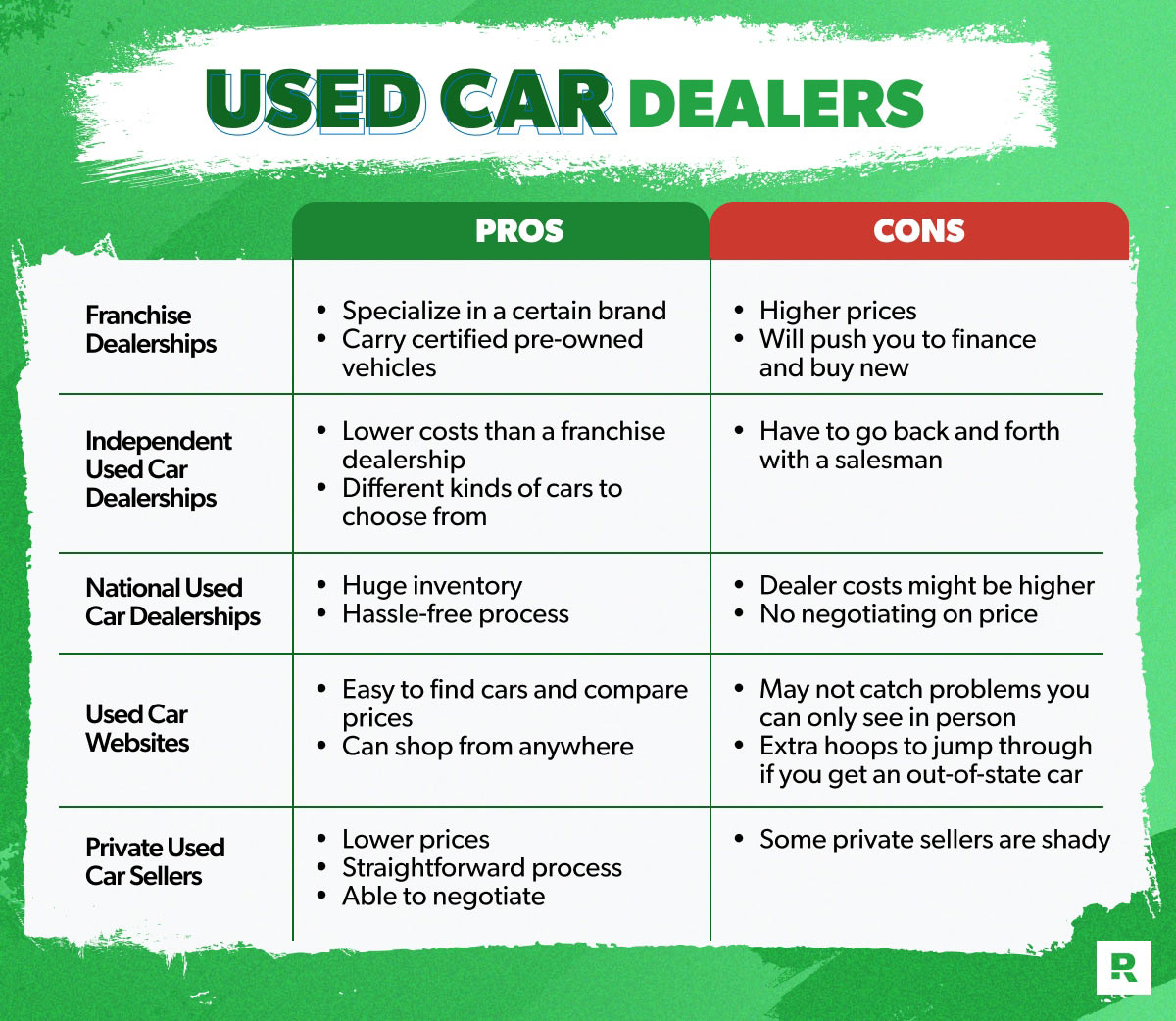
The traditional used car lot, once the primary destination for pre-owned vehicles, has seen its role evolve. While still a viable option, it’s no longer the sole frontier. The advent of online platforms has democratized the market, offering consumers more choice, transparency, and the potential for significant savings. Understanding this evolution is key to making an informed financial decision.
Traditional Dealerships: The Enduring Standard
While the digital realm has gained prominence, traditional dealerships, both franchised (selling brands they represent) and independent (selling a variety of makes and models), continue to be a significant part of the used car ecosystem.
Advantages of Dealerships for the Savvy Buyer
Shopping at a dealership can offer several financial benefits. Firstly, franchised dealerships often have certified pre-owned (CPO) programs. These vehicles undergo rigorous inspections and come with extended warranties, providing peace of mind and potentially saving you money on unexpected repairs in the short to medium term. While CPO cars may carry a slightly higher price tag, the added security can be a worthwhile investment for those prioritizing reliability and predictable expenses.
Secondly, dealerships are typically equipped to handle financing. They have relationships with various lenders, allowing them to offer competitive loan rates. Shopping for financing at a dealership can be a convenient way to secure a loan, but it’s crucial to compare their offers against those from your own bank or credit union to ensure you’re getting the best interest rate. A lower interest rate on your car loan directly translates to significant savings over the life of the loan.
Furthermore, dealerships often provide a trade-in option. If you have an existing vehicle, trading it in can reduce the upfront cost of your purchase, simplifying the transaction and potentially offering a better return than selling it privately. However, it’s always advisable to research your current car’s market value beforehand to negotiate effectively.
Potential Drawbacks and How to Mitigate Them
The primary financial risk at a dealership can be overpaying. Sales tactics, extended warranties pitched as essential (when they might not be for your needs), and inflated prices are all potential traps. To mitigate these risks, thorough research is paramount. Know the market value of the car you’re interested in (using resources like Kelley Blue Book or Edmunds) before you set foot on the lot. Be prepared to walk away if the price isn’t right or if you feel pressured. For extended warranties, carefully consider your needs and the vehicle’s history; a newer car with a good maintenance record might not require one.
Online Retailers: Convenience and Competition Driving Value
The rise of online used car retailers has revolutionized the market, offering unprecedented convenience and often more competitive pricing. These platforms have stripped away much of the traditional dealership overhead, allowing them to pass those savings onto consumers.
The “No-Haggle” Model and Its Financial Implications
Many online retailers operate on a “no-haggle” pricing model. This can be a blessing for buyers who dislike confrontation or feel intimidated by negotiation. The listed price is the price you pay, simplifying the budgeting process. This transparency allows you to focus on the car’s condition and your financial capacity without the added stress of price negotiations.
However, this model also means that there’s less room for financial maneuvering. While the initial price might be competitive, there’s no opportunity to negotiate it down. The financial advantage here lies in the overall lower operating costs of these online businesses, which are often reflected in their pricing.
Delivery and Return Policies: Protecting Your Investment
A significant financial advantage of many online used car retailers is their comprehensive delivery and return policies. Often, they offer home delivery, saving you the cost and time of traveling to pick up the vehicle. More importantly, they usually provide a return window (e.g., 7 days) with a money-back guarantee. This acts as a crucial financial safeguard. It allows you to thoroughly inspect the car at your leisure, have it independently inspected by a mechanic, and ensure it meets your expectations and needs without the pressure of an immediate decision. This risk mitigation can save you from costly mistakes and unforeseen repair bills.
Online Marketplaces: The Power of Aggregation
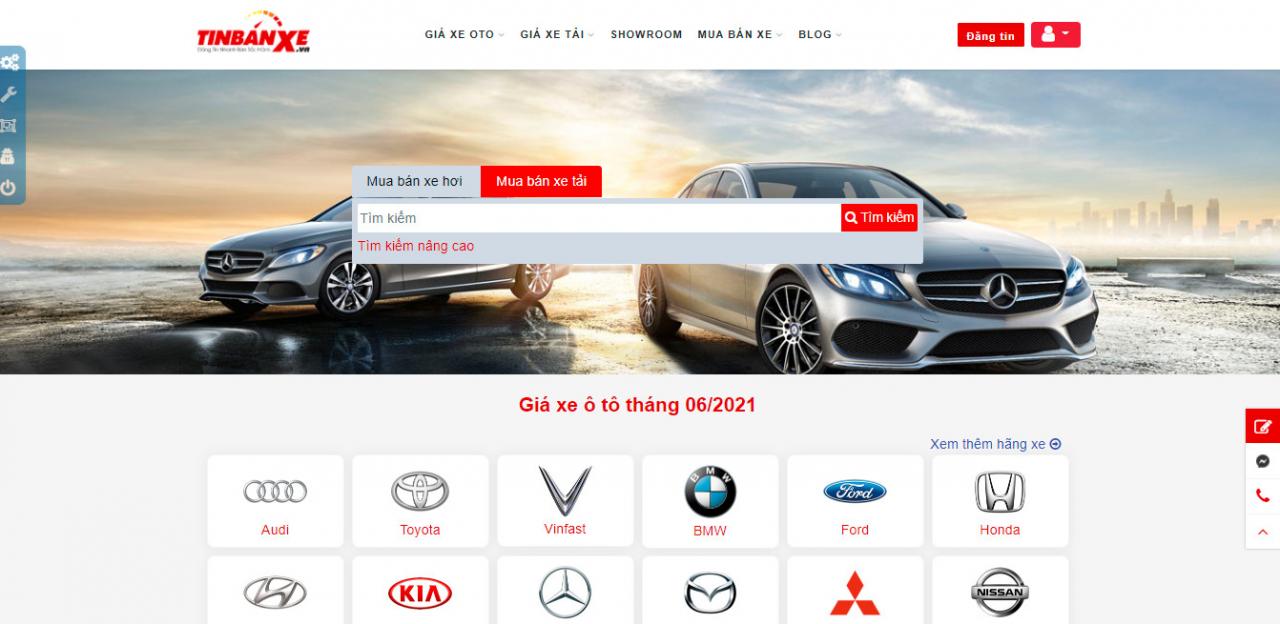
Beyond the dedicated online retailers, numerous online marketplaces aggregate listings from dealerships and private sellers. Platforms like Autotrader, Cars.com, and CarGurus allow you to compare a vast inventory from various sources in one place.
Leveraging Comparison Tools for Maximum Savings
The real financial power of these marketplaces lies in their comparison tools. You can filter by price, mileage, make, model, and features, making it easier to identify the best deals. Many of these sites also provide market value estimates and vehicle history reports (like CarFax or AutoCheck), which are essential for assessing a car’s true worth and identifying potential hidden problems that could lead to future expenses. By diligently comparing prices and features across multiple listings, you can pinpoint vehicles that offer the best value for your money.
Private Sales: The Ultimate Frontier for Bargain Hunters
Private sales, where you buy directly from the current owner, often represent the lowest price point for a used car. However, they also come with the highest degree of personal responsibility and potential financial risk.
The Appeal of Direct Transactions: Cutting Out the Middleman
The primary financial allure of private sales is bypassing the dealership markup. Dealers need to cover overhead, marketing, and profit margins, which are reflected in their prices. When you buy from a private seller, you are essentially paying for the car itself. This can lead to substantial savings, especially on older or less popular models.
Negotiating Directly with the Owner: Skills for Success
Success in private sales hinges on your negotiation skills and your ability to accurately assess the vehicle’s condition. Do your homework on market values beforehand. Approach the seller with a fair offer based on your research and the car’s apparent condition. Be polite, respectful, and firm. Your goal is to reach a mutually agreeable price that reflects the car’s true market value and any necessary repairs.
The Due Diligence Imperative: Avoiding Costly Mistakes
The lack of dealer warranties and consumer protection in private sales places the entire burden of due diligence on you. This is where financial prudence is most critical.
Pre-Purchase Inspections: An Unnegotiable Investment
A pre-purchase inspection (PPI) by an independent mechanic is not an optional expense in private sales; it’s a non-negotiable investment. For a relatively small fee, a mechanic can identify issues that you might miss – mechanical problems, signs of accident damage, or impending maintenance needs. The cost of a PPI is often a fraction of what it would cost to repair a hidden problem discovered after purchase, making it one of the most financially sound steps you can take.
Vehicle History Reports: Uncovering Hidden Baggage
Always obtain a vehicle history report (e.g., from CarFax or AutoCheck) for any car you are considering from a private seller. These reports can reveal crucial information about accidents, title issues (salvage, flood, etc.), odometer discrepancies, and previous ownership. While not foolproof, they are an invaluable tool for understanding a car’s past and avoiding vehicles that might have significant underlying problems that could lead to substantial financial burdens down the road.
Financing Your Used Car Purchase: Smart Strategies for Budgeting
The most significant financial aspect of buying a used car, beyond the purchase price, is often the financing. Securing the right loan with favorable terms can save you thousands of dollars over the life of the loan.
Understanding Loan Options: Banks, Credit Unions, and Dealership Financing
When it comes to financing, you have several avenues to explore, each with its own financial implications.
Securing Pre-Approval: Your Financial Leverage
Before you even begin seriously looking at cars, get pre-approved for a car loan from your bank or credit union. This process allows you to understand your borrowing capacity and the interest rate you qualify for. Having pre-approval gives you a significant financial advantage when you go to a dealership. You can then compare the dealership’s financing offer against your pre-approved rate. If the dealership can’t beat your pre-approved rate, you have the confidence to walk away and use your existing loan. This pre-approval process is a proactive financial step that empowers you to control the cost of borrowing.
Comparing Interest Rates: The Key to Long-Term Savings
The interest rate on your car loan is arguably the most critical factor in the overall cost of your vehicle. Even a small difference in the Annual Percentage Rate (APR) can translate into thousands of dollars saved over the typical 3-5 year loan term. Actively compare offers from multiple lenders – banks, credit unions, and online lenders. Pay attention not just to the stated APR but also to any fees associated with the loan. The lowest APR secured will significantly reduce your total outlay for the car.
The Role of Credit Score in Financing
Your credit score plays a pivotal role in the interest rates you’ll be offered. A higher credit score indicates to lenders that you are a lower risk, which generally translates to lower interest rates.
Improving Your Credit Score for Better Deals
If your credit score is less than ideal, investing time in improving it before seeking financing can yield substantial financial rewards. This might involve paying down existing debt, ensuring all payments are made on time, and avoiding opening new lines of credit unnecessarily. Even a modest improvement in your credit score can unlock access to better loan terms, saving you money on interest payments and making the overall purchase more affordable.
Total Cost of Ownership: Beyond the Sticker Price
When shopping for a used car, it’s crucial to look beyond the initial purchase price and consider the total cost of ownership. This holistic approach ensures you make a financially sound decision that aligns with your long-term budget.
Insurance Costs: A Significant Recurring Expense
The type of car you choose will significantly impact your insurance premiums. Factors like the car’s age, make, model, safety features, and even its color can influence how much you pay for coverage.
Researching Insurance Quotes Before Buying
Before you commit to a particular vehicle, get insurance quotes for it. Many online insurance comparison tools allow you to get estimates based on specific car models. This proactive step can reveal if a seemingly affordable car will become prohibitively expensive once insurance is factored in. It can also guide your search towards vehicles that are generally less expensive to insure, saving you money year after year.
Maintenance and Repair Costs: Budgeting for the Unexpected
Different vehicles have different reputations for reliability and maintenance costs. Researching common issues for the make and model you are considering, as well as typical repair costs, is essential.

Reliability Ratings and Owner Reviews: Informing Your Decision
Utilize resources like Consumer Reports, J.D. Power, and online owner forums to gauge a vehicle’s reliability. Cars with a history of frequent or expensive repairs can quickly negate any initial savings from a lower purchase price. Prioritizing reliable vehicles, even if they have a slightly higher sticker price, can lead to significant long-term financial savings by minimizing unexpected repair bills and keeping your car on the road consistently. Understanding the potential for future expenses allows you to budget more accurately and avoid financial strain.
In conclusion, shopping for a used car in today’s market is a multifaceted endeavor. By understanding the advantages and disadvantages of various shopping channels, diligently researching financing options, and critically assessing the total cost of ownership, you can navigate this landscape with confidence and secure a vehicle that not only meets your needs but also represents a wise and financially sound investment.
aViewFromTheCave is a participant in the Amazon Services LLC Associates Program, an affiliate advertising program designed to provide a means for sites to earn advertising fees by advertising and linking to Amazon.com. Amazon, the Amazon logo, AmazonSupply, and the AmazonSupply logo are trademarks of Amazon.com, Inc. or its affiliates. As an Amazon Associate we earn affiliate commissions from qualifying purchases.