
Navigating the logistical landscape of tax season often feels like a balancing act between precision and timing. For many taxpayers, the most stressful moment is not necessarily calculating the liability, but ensuring that the funds actually reach the Internal Revenue Service (IRS) or state revenue departments securely and on time. Knowing exactly where to send a tax payment—and which medium to choose—is a critical component of personal financial management. In an era where digital transactions compete with traditional mail, the “where” and “how” of tax payments have evolved into a strategic decision that affects your cash flow, security, and record-keeping.
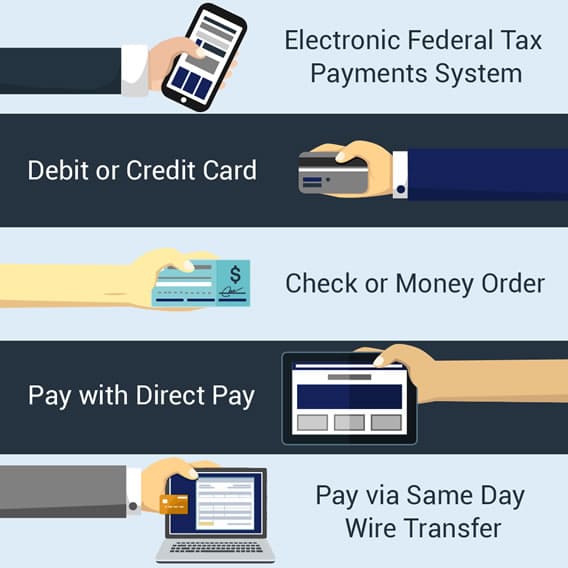
Whether you are settling a balance for the current year, making quarterly estimated payments, or addressing a past-due notice, understanding the various channels available can prevent costly penalties and administrative headaches. This guide explores the diverse avenues for sending tax payments, the technical nuances of each method, and the strategic considerations for maintaining financial compliance.
Digital Sovereignty: Leveraging Online Platforms for Instant Settlement
The most efficient and secure way to send a tax payment in the modern era is through digital channels. The IRS has invested heavily in infrastructure to move away from paper checks, which are prone to loss, theft, and processing delays. For the taxpayer, digital payments provide an immediate electronic receipt, which serves as definitive proof of payment—a crucial asset in the event of an audit or a dispute.
IRS Direct Pay: The Gold Standard for Individuals
For most individual taxpayers, IRS Direct Pay is the most straightforward solution. This service allows you to pay your tax bill directly from your checking or savings account without any processing fees. It is designed for those paying Form 1040 taxes, estimated taxes, or various civil penalties.
The primary advantage of Direct Pay is the lack of a registration requirement. You do not need to create an account or remember a password; you simply verify your identity using information from a previous year’s tax return. Once the transaction is authorized, you receive a confirmation number instantly. From a cash-flow perspective, you can also schedule payments up to 36 after the current date, allowing you to align your tax obligations with your personal income cycles.
The Electronic Federal Tax Payment System (EFTPS)
While Direct Pay is excellent for one-off individual payments, the Electronic Federal Tax Payment System (EFTPS) is the heavy-duty tool for businesses and high-net-worth individuals with complex payment schedules. EFTPS requires a formal enrollment process, which includes receiving a PIN via physical mail for security purposes.
The benefit of EFTPS is its robust reporting and scheduling capabilities. It allows users to view a 16-month history of payments and schedule transactions up to 365 days in advance. For those managing business finances or making frequent quarterly estimated payments, EFTPS offers a level of oversight and control that simpler web portals cannot match.
Credit and Debit Card Options: Strategic Considerations
The IRS does not collect credit or debit card payments directly; instead, they utilize third-party payment processors. While this is a convenient way to “send” a payment if you are short on liquid cash, it comes with a cost. Processors charge a percentage-based convenience fee (usually ranging from 1.82% to 1.98% for credit cards).
From a financial strategy standpoint, using a credit card is only advisable if the rewards or points earned outweigh the processing fee, or if it is a temporary measure to avoid high-interest IRS underpayment penalties. However, for most taxpayers, the fees associated with card payments make it a less efficient choice compared to direct bank transfers.
The Traditional Route: Mailing Your Payment via Physical Correspondence
Despite the push toward digitalization, a significant portion of the population still prefers or requires the use of paper checks or money orders. Sending a physical payment requires a higher level of attention to detail, as the mailing address depends entirely on your geographical location and the specific type of tax return you are filing.
Determining the Correct IRS Service Center
The IRS operates several processing centers across the United States. The correct address for your payment is determined by your state of residence and whether you are enclosing a payment with a full return or sending a payment independently.
For instance, a taxpayer living in New York who is mailing a check with their Form 1040 will send their envelope to a different city than a taxpayer in California. The IRS updates these addresses periodically on their official website (IRS.gov) under the “Where to File” charts. It is imperative to check these charts every year, as sending a payment to the wrong center can lead to significant delays in processing, potentially resulting in “late payment” notices even if the check was mailed on time.

The Vital Role of Form 1040-V
If you choose to mail a check, you should never send it alone. The IRS requires Form 1040-V, the Payment Voucher. This small slip of paper contains encoded information that allows the IRS’s high-speed scanners to credit the payment to the correct Social Security Number and tax year.
When preparing a mailed payment, ensure the check is made out to the “U.S. Treasury” (not “IRS”). On the memo line, you must include your Social Security Number, the tax year (e.g., “2023 Form 1040”), and a daytime phone number. These redundancies are your insurance policy against clerical errors within the IRS processing facilities.
Safeguarding Delivery: The Mailbox Rule
One of the most important legal concepts in tax payment is the “Mailbox Rule.” According to the IRS, a payment is considered “on time” if it is postmarked by the due date, even if it arrives days later. However, to invoke this protection, you must have proof.
Sending tax payments via USPS Certified Mail with a Return Receipt is a best practice for any substantial sum. This provides a tracking number and a physical signature confirming that a federal agent received the envelope. In the world of personal finance, this $4.00 to $8.00 investment in postage is the most cost-effective insurance you can buy against a 5% failure-to-pay penalty.
State-Level Obligations: Navigating Local Revenue Departments
Sending a payment to the federal government is only half the battle for residents of the 41 states that collect income tax. State revenue departments operate entirely independently of the IRS, meaning they have their own web portals, their own mailing addresses, and their own unique payment rules.
State Revenue Portals
Most states, such as California (Franchise Tax Board), New York (Department of Taxation and Finance), and Texas (Comptroller of Public Accounts), have developed their own “Web Pay” systems. These function similarly to IRS Direct Pay. In many cases, state portals are actually more user-friendly than federal systems, often allowing for “guest” payments that don’t require full account creation.
Regional Mailing Nuances
When mailing a state tax payment, be aware that many states use “lockbox” addresses. These are often bank-operated PO boxes designed specifically for high-volume payment processing. It is common for a state’s tax return to go to one city (the capital), while the payment voucher and check go to a different city where the bank’s processing hub is located. Always refer to the specific instructions provided in your state’s tax booklet or on their official “.gov” website.
Strategic Financial Management and Payment Timing
Deciding where and when to send your tax payment is not just a matter of logistics; it is a matter of cash flow optimization. How you handle these outflows can impact your liquid reserves and your overall financial health.
Avoiding Penalties and Interest
The IRS charges underpayment penalties if you do not pay at least 90% of the current year’s tax or 100% of the previous year’s tax (110% for high earners) throughout the year. If you find yourself at the end of the year owing a large sum, sending that payment as early as possible—even before the April deadline—can mitigate the accrual of interest. Interest on underpayments is compounded daily, making it a “debt” that you want to settle with high priority.
Installment Agreements and Payment Plans
If you know where to send a payment but simply do not have the funds to cover the full amount, the worst thing you can do is send nothing. The IRS offers several “Payment Plans” or “Installment Agreements.” By applying for an agreement online, you can set up a monthly direct debit. This changes the “where” from a manual monthly task to an automated financial process, ensuring you stay in good standing with the government while managing your monthly budget.
Cybersecurity and Payment Integrity
As tax-related fraud continues to rise, the security of your payment method is paramount. Only send digital payments through official “.gov” websites. The IRS will never initiate contact via text message or social media to ask for a payment. Furthermore, when mailing a check, avoid using blue collection boxes on the street if possible; instead, hand the envelope directly to a postal worker or drop it inside a secure post office facility to prevent “check washing” or mail theft.

Conclusion: Mastering the Logistics of Compliance
Knowing where to send a tax payment is the final, crucial step in the tax-filing journey. Whether you embrace the speed and transparency of IRS Direct Pay, the structured oversight of EFTPS, or the traditional reliability of a certified mailed check, the goal remains the same: accurate, timely, and verifiable settlement of your obligations. By selecting the method that best aligns with your financial habits and ensuring that every detail—from the voucher to the postmark—is handled with professional care, you protect your assets and maintain your standing within the financial system. Tax compliance is not merely an annual chore; it is a fundamental pillar of disciplined personal and business finance.
aViewFromTheCave is a participant in the Amazon Services LLC Associates Program, an affiliate advertising program designed to provide a means for sites to earn advertising fees by advertising and linking to Amazon.com. Amazon, the Amazon logo, AmazonSupply, and the AmazonSupply logo are trademarks of Amazon.com, Inc. or its affiliates. As an Amazon Associate we earn affiliate commissions from qualifying purchases.