
Navigating the landscape of federal tax submission can seem daunting, yet understanding the correct channels for sending your tax returns and payments is fundamental to fulfilling your financial obligations and avoiding potential penalties. Whether you’re a seasoned filer or submitting for the first time, ensuring your documents reach the Internal Revenue Service (IRS) accurately and on time is paramount. This guide demystifies the process, detailing modern electronic methods alongside traditional mail-in options, and offers insights into best practices for a seamless tax season.
Understanding Your Federal Tax Filing Obligations
Every year, millions of Americans are required to file federal income tax returns with the IRS. This obligation extends to individuals, businesses, trusts, and estates, with specific forms and deadlines tailored to each entity. The primary purpose of filing is to report income, calculate tax liability, and determine if you are owed a refund or if you owe additional taxes. Missing the filing deadline or submitting to an incorrect address can result in late filing penalties, late payment penalties, and interest charges, significantly impacting your personal or business finances.
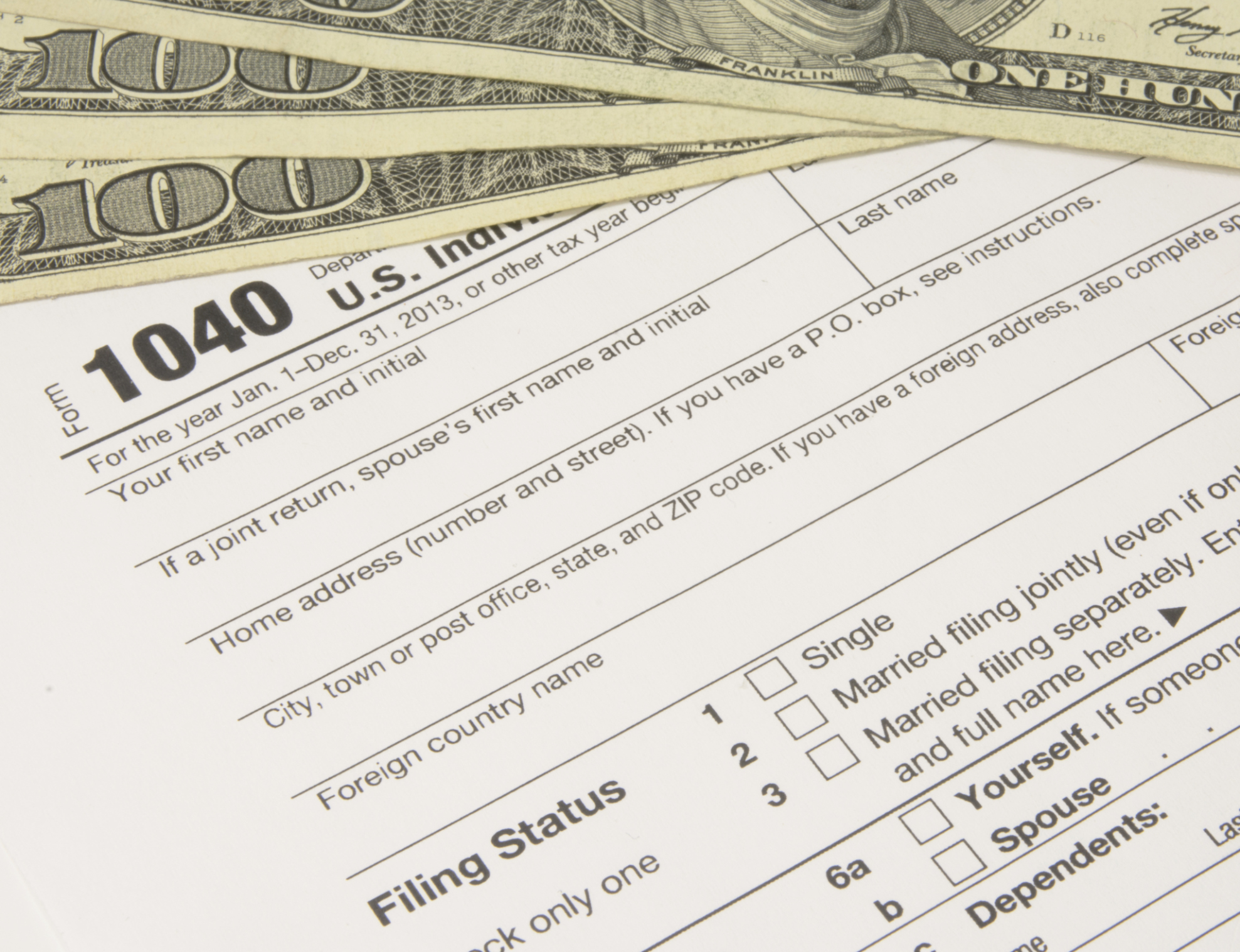
Accurate and timely submission is not just about compliance; it’s about maintaining good financial standing and avoiding unnecessary stress. Incorrectly sent returns can be lost, delayed, or outright rejected, necessitating re-filing and potentially pushing you past critical deadlines. Therefore, knowing where to send your federal taxes is as crucial as knowing how to prepare them. The IRS offers several avenues for submission, each with its own advantages, designed to accommodate a wide range of taxpayer preferences and circumstances.
Modern Methods: The Dominance of Electronic Filing
In the 21st century, electronic filing, or e-filing, has become the preferred and most efficient method for submitting federal tax returns. The IRS actively encourages e-filing due to its speed, accuracy, and reduced processing time. E-filed returns are typically processed within days, and refunds for those receiving them are often issued within 21 days when combined with direct deposit.
E-filing via Commercial Tax Software
A vast majority of taxpayers utilize commercial tax preparation software to file their returns electronically. Popular platforms such as TurboTax, H&R Block, TaxAct, and others offer user-friendly interfaces that guide individuals through the tax preparation process, from inputting income and deductions to identifying credits.
These software packages boast several key advantages:
- Accuracy Checks: They automatically perform calculations and check for common errors, significantly reducing the chance of mistakes that could delay your refund or trigger an IRS inquiry.
- Convenience: You can prepare and file your taxes from the comfort of your home, at any time, before the deadline.
- Direct Deposit Integration: They facilitate direct deposit of refunds into your bank account, which is the fastest way to receive your money.
- Immediate Confirmation: Upon successful submission, you receive an immediate confirmation email or message from the software provider, followed by an acceptance notification from the IRS within 24-48 hours. This confirmation serves as crucial proof that your return was received.
Most commercial software offers different tiers of service, from free basic filing for simple returns to paid versions with advanced features and professional assistance.
IRS Direct File and IRS Free File Program
For eligible taxpayers, the IRS offers direct and free electronic filing options:
- IRS Direct File: Launched as a pilot program in 2024, IRS Direct File allows eligible taxpayers in certain states to file their federal tax returns directly with the IRS for free, through an IRS-run digital service. This program aims to simplify filing for those with straightforward tax situations. Eligibility and availability may expand in future tax seasons.
- IRS Free File Program: This long-standing program allows taxpayers whose adjusted gross income (AGI) falls below a certain threshold (which changes annually) to use guided tax preparation software from leading tax software companies at no cost. The IRS partners with these companies to offer free federal tax filing, and sometimes free state filing too. You access these offers directly through the IRS website’s Free File landing page, which directs you to the partner sites. This ensures you’re using legitimate free services.
These options are invaluable for taxpayers seeking to minimize costs associated with tax preparation while benefiting from the efficiency of e-filing.
Filing Through a Tax Professional
Many taxpayers opt to have their returns prepared and filed by a qualified tax professional. Certified Public Accountants (CPAs), Enrolled Agents (EAs), and other professional tax preparers can e-file returns on behalf of their clients.
The benefits of this method include:
- Expert Guidance: Professionals can provide tailored advice, identify deductions and credits you might miss, and handle complex tax situations.
- Reduced Burden: They take on the responsibility of preparing and accurately submitting your return.
- Audit Support: Many professionals offer assistance or representation in case of an IRS inquiry or audit.
- Confirmation: Like commercial software, tax professionals provide proof of e-filing and IRS acceptance, giving you peace of mind.
This option is particularly useful for individuals with intricate financial situations, business owners, or those who prefer to delegate tax-related tasks to an expert.
Traditional Approach: Sending Your Tax Return by Mail
While e-filing is highly encouraged, paper filing remains a viable option for those who prefer it or for specific situations where electronic filing is not possible. However, mailing your federal tax return requires meticulous attention to detail regarding the correct address and mailing procedures.
Locating the Correct IRS Mailing Address
The most critical aspect of mailing your federal tax return is using the correct IRS mailing address. The IRS has different service centers across the country, and the specific address you need depends on several factors:
- Type of Form: The address for a Form 1040 (individual income tax return) will likely be different from a business return (e.g., Form 1120 or 1065).
- Your State of Residence: IRS addresses are typically organized by the state or U.S. territory where you reside.
- Whether You Are Including a Payment: If you are enclosing a check or money order with your return, the mailing address may be different from if you are not.
- Specific IRS Programs or Forms: Certain specialized forms or programs may have unique mailing instructions.
Where to Find the Correct Address:
- IRS Website: The official IRS website (IRS.gov) is the most reliable source. Look for publications like “Where to File Paper Tax Returns Without a Payment” and “Where to File Paper Tax Returns With a Payment” for Form 1040, or search for the specific form number you are filing.
- Form Instructions: Every IRS tax form includes a detailed instruction booklet, which specifies the correct mailing address based on your state and whether you’re sending a payment. Always consult the instructions for the current tax year.
Using an outdated or incorrect address can result in significant delays, requiring you to re-mail your return and potentially incurring penalties for late filing.
Preparing Your Mailed Return
Once you have identified the correct address, meticulous preparation of your physical return is essential:
- Print Clearly: Ensure all information is legible if handwritten, or printed clearly if using software to generate the form.
- Sign and Date: Crucially, your return must be signed and dated by all required parties (e.g., both spouses if filing jointly). An unsigned return is considered incomplete and will be returned to you.
- Attach Required Forms: Securely attach all necessary supporting documents, such as W-2s, 1099s, and any other schedules, to the front of your Form 1040. Do not staple other documents unless instructed to do so.
- Make Copies: Before sending, make complete copies of your entire return, including all schedules and supporting documents, for your personal records. This is vital in case your return is lost or if you need to reference it later.
- Payment (if applicable): If you are mailing a payment, make your check or money order payable to “United States Treasury.” Include your name, address, daytime phone number, Social Security number (SSN) or Employer Identification Number (EIN), tax year, and related tax form number on the memo line. Do not staple the check to your return; use a paper clip if necessary.
Recommended Mailing Practices
For paper-filed returns, it is strongly recommended to use a mailing method that provides proof of mailing and delivery:
- Certified Mail with Return Receipt: Offered by the U.S. Postal Service (USPS), this service provides a mailing receipt and electronic verification that your item was delivered or that a delivery attempt was made. A return receipt card, signed by the recipient, is mailed back to you, serving as definitive proof of delivery.
- Registered Mail: Also from the USPS, Registered Mail provides the most secure way to send documents, offering insurance and an official chain of custody.
- Private Delivery Services: The IRS designates certain private delivery services (PDS) as acceptable for sending tax returns, including specific services from FedEx, UPS, and DHL. These services typically offer tracking and proof of delivery. Always check IRS Publication 1546, “How to Use a Private Delivery Service To Send Your Tax Return or Payment,” for the current list of approved services and their specific requirements.
While standard first-class mail is an option, it offers no proof of mailing or delivery, leaving you vulnerable if your return gets lost in transit. Using a traceable method safeguards you against potential disputes regarding timely filing.
Ensuring Successful Submission and What Happens Next
Regardless of your chosen submission method, a few final steps and considerations are crucial to ensure your tax journey is complete and your records are in order.
Verification and Confirmation
- E-filing: Within 24-48 hours of e-filing, you should receive an acceptance confirmation from the IRS. If your return is rejected, the message will usually explain why (e.g., incorrect SSN, previous year’s AGI mismatch for identity verification), allowing you to correct and re-submit it quickly. You can also use the IRS “Where’s My Refund?” tool to check the status of your refund 24 hours after e-filing.
- Paper Filing: For mailed returns, confirmation of receipt is not automatic. It can take several weeks for the IRS to process paper returns. You can generally check the status of your refund using the “Where’s My Refund?” tool three to four weeks after mailing your return. If you don’t receive an expected refund or correspondence, you might need to follow up with the IRS directly.
Payment Options
If you owe federal taxes, submitting your payment correctly is as important as submitting your return. Even if you file an extension, your payment is still due by the original tax deadline to avoid penalties.
- Electronic Payment:
- Direct Debit: Many tax software programs and tax professionals allow you to authorize a direct debit from your bank account when you e-file.
- IRS Direct Pay: This free service on IRS.gov allows you to pay directly from your checking or savings account.
- Electronic Federal Tax Payment System (EFTPS): This is a free service provided by the Treasury Department for individuals and businesses, especially useful for estimated tax payments and payroll taxes. Enrollment is required.
- Credit/Debit Card: You can pay through third-party payment processors via the IRS website, though these services typically charge a processing fee.
- Check or Money Order: If mailing your payment, ensure it is made out to “United States Treasury” and correctly annotated with your identifying information, tax year, and form number. Mail it with your tax return to the correct address, or separately to the payment-only address if instructed.
Maintaining Accurate Records
Regardless of how you file, keeping meticulous records is non-negotiable. Maintain copies of:
- Your complete tax return (Form 1040 and all schedules).
- All supporting documents, such as W-2s, 1099s, bank statements, investment statements, receipts for deductions, and records of estimated tax payments.
- Proof of submission (e.g., e-filing confirmation, certified mail receipt).
- Proof of payment (e.g., bank statements showing direct debit, canceled checks).
The IRS generally has a three-year statute of limitations for audits, meaning they typically have three years from the date you file to audit your return. Therefore, it’s prudent to keep all tax records for at least three years, and potentially longer for certain situations like property records or business expenses.
Common Pitfalls to Avoid When Sending Your Taxes
Errors in the submission process, whether electronic or paper-based, can lead to delays, penalties, or compliance issues. Being aware of these common pitfalls can help you avoid them.
Incorrect Mailing Address
Using an outdated or wrong IRS mailing address is a frequent error for paper filers. Always double-check the IRS website or the current year’s form instructions for the precise address that matches your state and whether you’re including a payment. A misdirected return will delay processing and could result in late filing penalties.
Missing Signatures or Forms
An unsigned tax return is not considered valid and will be sent back to you, delaying processing. Similarly, failing to attach critical forms like W-2s can halt the process. Before sending, perform a final review to ensure all required signatures are present and all necessary documents are securely attached (if mailing) or correctly uploaded (if e-filing).
Missed Deadlines
The general federal tax deadline for individuals is April 15 (or the next business day if April 15 falls on a weekend or holiday). While you can file for an extension to have more time to file your return, this does not extend the time to pay any taxes due. Missing either the filing or payment deadline can result in penalties. Always be aware of the key dates and plan your submission accordingly.
Not Keeping Proof of Submission
Forgetting to save your e-file confirmation or not using a traceable mailing method for paper returns can leave you without recourse if the IRS claims they never received your return. Always save digital confirmations and use certified mail for physical submissions to provide indisputable evidence of timely submission.
By understanding the available submission methods, adhering to best practices, and diligently avoiding common errors, you can ensure your federal taxes are sent correctly, on time, and without unnecessary stress, contributing to your overall financial well-being.
aViewFromTheCave is a participant in the Amazon Services LLC Associates Program, an affiliate advertising program designed to provide a means for sites to earn advertising fees by advertising and linking to Amazon.com. Amazon, the Amazon logo, AmazonSupply, and the AmazonSupply logo are trademarks of Amazon.com, Inc. or its affiliates. As an Amazon Associate we earn affiliate commissions from qualifying purchases.