
For any business with employees, navigating the labyrinth of payroll taxes is an unavoidable, and often complex, aspect of financial management. Among the most critical filings is IRS Form 941, the Employer’s Quarterly Federal Tax Return. This form reports the income taxes, social security tax, or Medicare tax withheld from employee wages and the employer’s share of social security and Medicare taxes. While filing the form itself demands careful attention to detail, a frequently asked and equally critical question revolves around the accompanying payment: specifically, “where to send 941 with payment.” Missteps here can lead to penalties, interest, and unnecessary headaches, making a precise understanding of the submission process paramount for maintaining financial compliance and operational integrity.
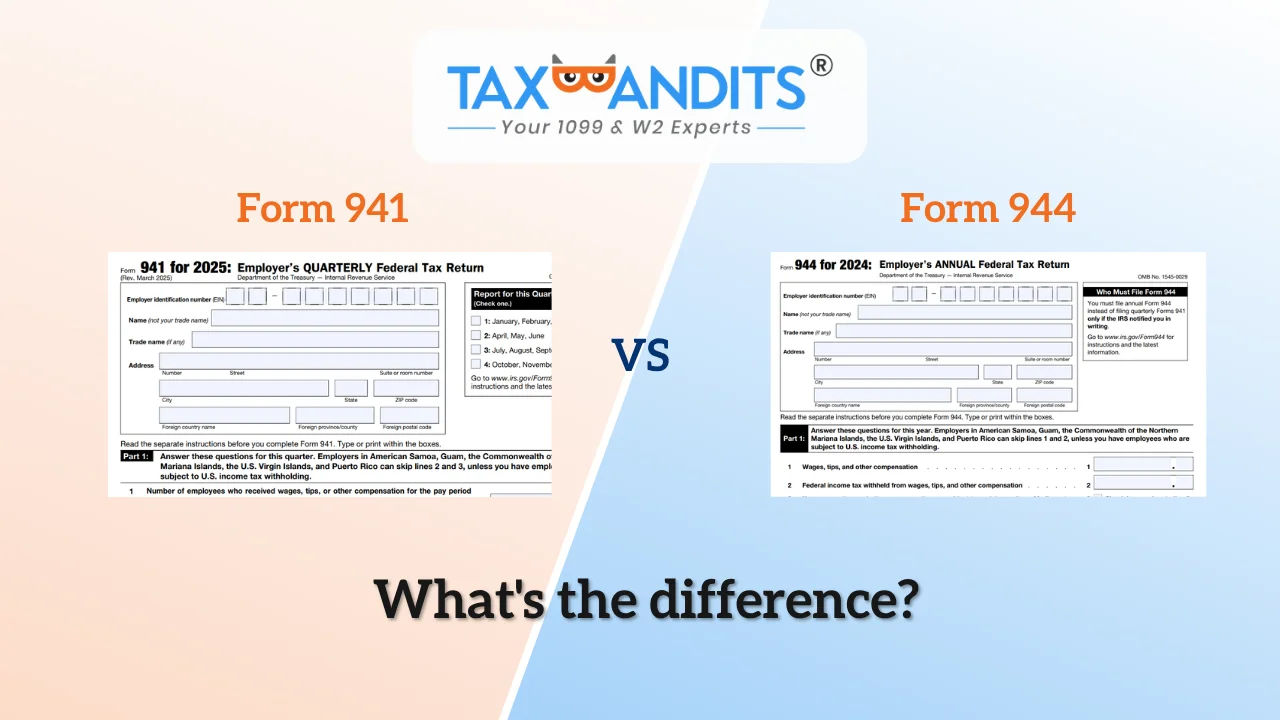
This article delves into the intricacies of submitting Form 941 when a payment is due, offering a comprehensive guide to ensure businesses fulfill their federal tax obligations accurately and on time. We’ll explore the preferred methods, the specific scenarios where mailing is permissible, and the crucial details surrounding mailing addresses, all within the context of sound business finance practices.
Understanding Form 941 and Payment Obligations
Before diving into the “where,” it’s essential to grasp the “what” and “why” behind Form 941 and its associated payment obligations. This foundational knowledge ensures that businesses approach their quarterly filings with a complete understanding of their responsibilities.
What is Form 941?
IRS Form 941 is the Employer’s Quarterly Federal Tax Return. It is used by employers to report:
- Wages paid to employees.
- Federal income tax withheld from those wages.
- Social Security and Medicare taxes (FICA taxes) withheld from employee wages.
- The employer’s share of Social Security and Medicare taxes.
- Adjustments to previous quarters’ tax liability.
Most employers are required to file Form 941 quarterly, even if they have no taxes to report for a quarter, as long as they pay wages subject to social security and Medicare taxes or federal income tax withholding. Exemptions exist for certain types of employers, such as those with seasonal employees or household employers, who may file annually using Form 944.
When is Form 941 Due?
Form 941 is a quarterly filing, meaning it must be submitted four times a year, with specific deadlines for each quarter:
- Quarter 1 (January 1 to March 31): Due April 30
- Quarter 2 (April 1 to June 30): Due July 31
- Quarter 3 (July 1 to September 30): Due October 31
- Quarter 4 (October 1 to December 31): Due January 31 of the following year
If any of these due dates falls on a weekend or holiday, the deadline shifts to the next business day. It’s crucial to note that while the form itself has a quarterly deadline, tax payments are often due much more frequently, depending on the employer’s tax liability.
Understanding Tax Liabilities and Deposit Schedules
The frequency with which employers must deposit their federal payroll taxes (income tax, social security, and Medicare) is determined by their total tax liability during a lookback period. The IRS defines two main deposit schedules:
- Monthly Schedule: If an employer reported $50,000 or less in taxes during the lookback period, they are generally a monthly depositor. Monthly deposits are due on the 15th of the month following the month in which the wages were paid.
- Semiweekly Schedule: If an employer reported more than $50,000 in taxes during the lookback period, they are generally a semiweekly depositor. Semiweekly deposits have more specific rules:
- For payments made on Wednesday, Thursday, or Friday, deposits are due by the following Wednesday.
- For payments made on Saturday, Sunday, Monday, or Tuesday, deposits are due by the following Friday.
There’s also a special “one-day rule” where if an accumulated tax liability reaches $100,000 or more on any day, the employer must deposit the tax by the close of the next banking day, regardless of their usual deposit schedule. Understanding these schedules is vital because even if Form 941 is due quarterly, the actual tax payments are made much more frequently. This distinction is paramount when considering “where to send 941 with payment,” as mailing a payment with the quarterly form is often the exception, not the rule.
Why Electronic Funds Transfer is Preferred
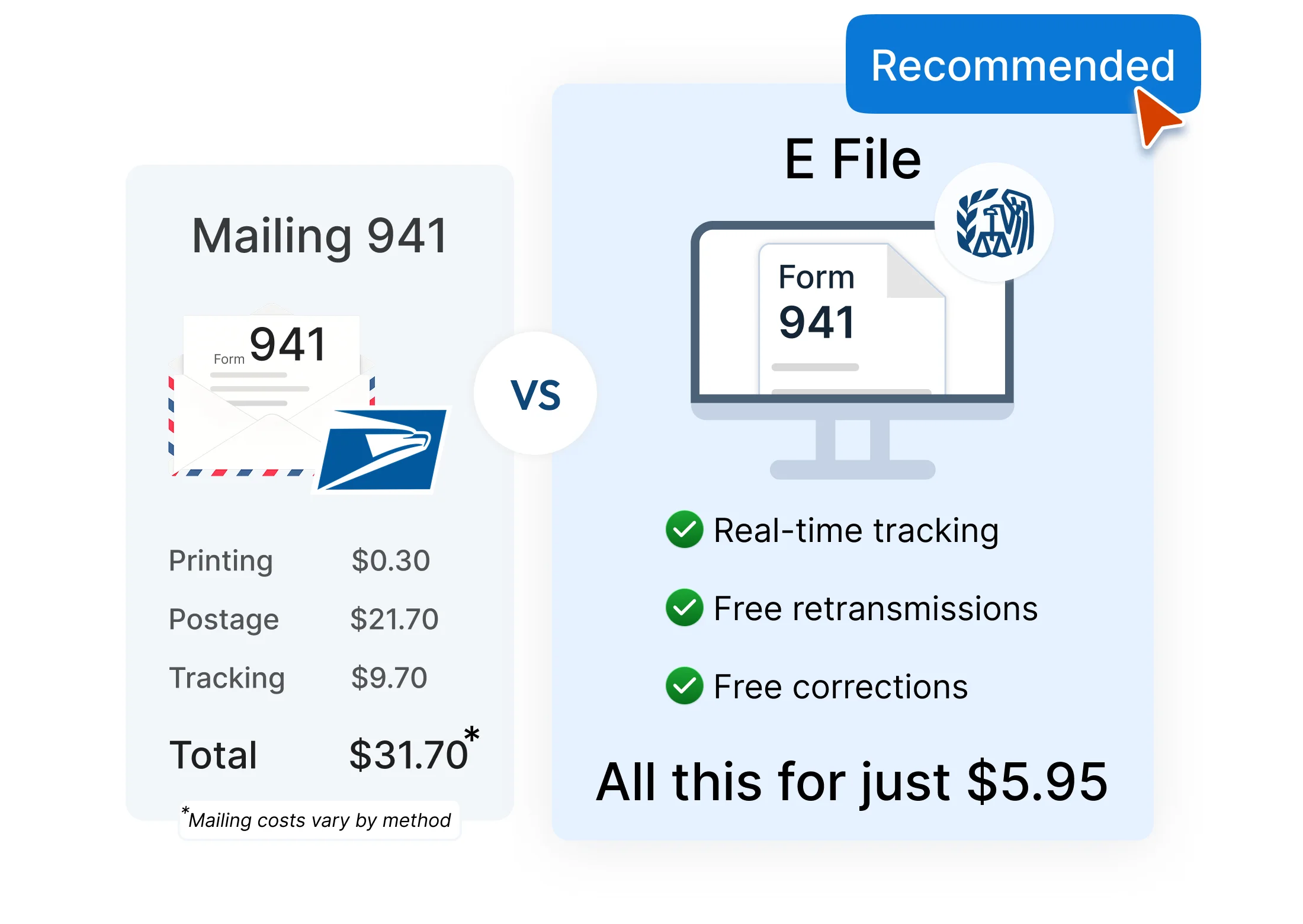
The IRS strongly encourages, and often mandates, the use of electronic funds transfer for federal tax deposits. The primary system for this is the Electronic Federal Tax Payment System (EFTPS). The reasons are simple: it’s faster, more secure, more accurate, and more efficient for both the taxpayer and the IRS. For most employers, especially those with larger tax liabilities, using EFTPS is not just preferred but required. Failure to deposit electronically when required can result in penalties. This context is critical because it significantly narrows the scenarios in which a physical payment would actually be mailed with Form 941.
Methods for Submitting Form 941 with Payment
Given the IRS’s push for electronic payments, the methods for submitting Form 941 with an actual physical payment are quite specific and limited. For the vast majority of businesses, the form and payment are handled separately.
The Preferred Method: Electronic Federal Tax Payment System (EFTPS)
For almost all employers, federal tax deposits must be made through EFTPS. This system allows businesses and individuals to make federal tax payments electronically, 24/7, via the internet or phone.
- How EFTPS Works: Once enrolled, you can schedule payments in advance or make immediate payments. Payments are typically debited from your designated bank account and credited to your IRS tax account.
- Benefits: EFTPS offers numerous advantages, including:
- Timeliness: Payments are considered made on the date the IRS receives them, not when you initiate them, provided you schedule them correctly.
- Accuracy: Reduces the chance of errors common with manual processing.
- Security: Electronic transactions are generally more secure than mailing checks.
- Proof of Payment: Provides a confirmation number for each payment, serving as proof.
- Convenience: Accessible online or by phone.
- Enrollment Process: Businesses must enroll in EFTPS, which typically takes 5-7 business days to complete as the IRS mails a PIN to the business address. It’s crucial to do this well in advance of any payment due dates.
- Making a Payment through EFTPS: When using EFTPS, you select the type of tax (e.g., Form 941 tax) and the period to which the payment applies. This payment is separate from the electronic filing of Form 941 (which can be done via tax software or an authorized e-file provider). Therefore, if you are using EFTPS for your payroll tax deposits, you would not be sending a payment with your physical Form 941.
When Mailing a Payment is Permitted
Mailing a payment with Form 941 is a specific exception to the general rule of electronic deposits. This method is typically reserved for very small businesses or in particular circumstances where EFTPS is not applicable or has not been set up.
- Specific Scenarios: You may mail your payment with Form 941 only if you are a “de minimis” depositor, meaning your total tax liability for the quarter is less than $2,500. Even then, you have the option to pay via EFTPS if you prefer. If your total tax liability for the current quarter is $2,500 or more, you generally must use EFTPS.
- What to Include: If you qualify to mail a payment, you must enclose a check or money order along with Form 941-V, Payment Voucher, and your completed Form 941.
- Form 941-V (Payment Voucher): This is a critical component. It helps the IRS accurately credit your payment to your account. It must include your employer identification number (EIN), the amount of the payment, and the tax period. Do not attach the payment voucher to Form 941 itself; simply enclose them together in the envelope.
- Check or Money Order: Make it payable to the “United States Treasury.” Ensure your EIN, the type of tax (e.g., “Form 941”), and the tax period (e.g., “20XX-Q1”) are written on the memo line of your payment.
- Importance of Accuracy and Timeliness: When mailing, postmark dates are generally considered proof of timely filing/payment. However, mailing adds processing time and inherent risks (loss, damage). It is crucial to send it well in advance of the deadline.
Determining the Correct Mailing Address
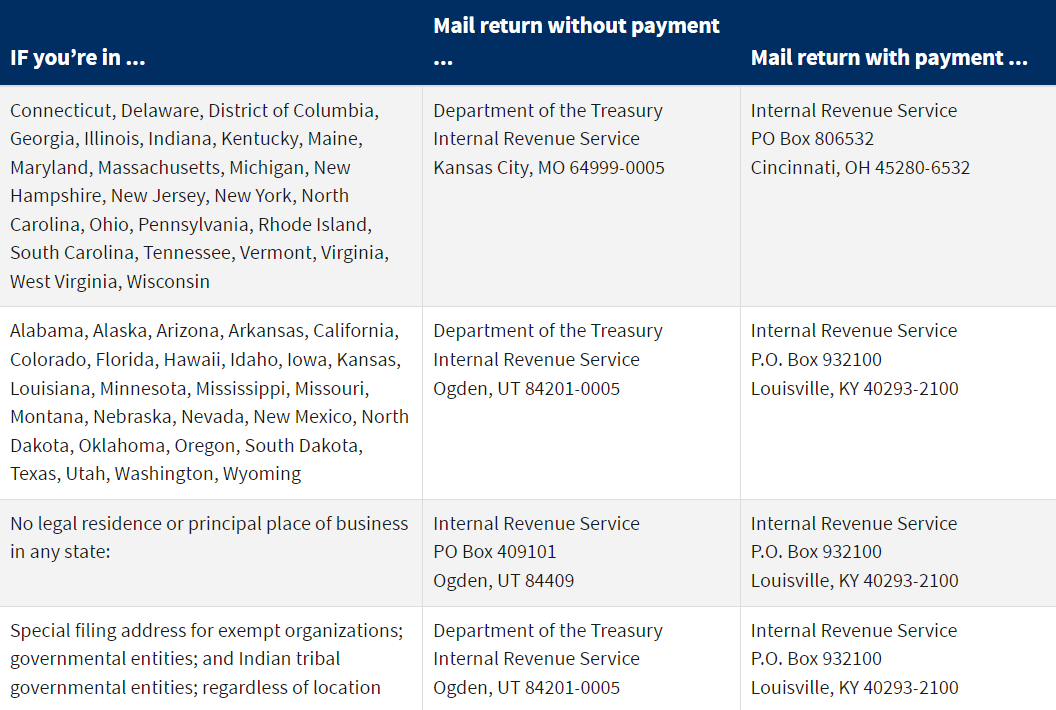
Perhaps the most critical piece of information for those mailing a payment is the correct IRS mailing address. The IRS uses different addresses depending on the state where your business is located and whether you are enclosing a payment. Sending your form to the wrong address can cause significant delays in processing, potentially leading to penalties.
Factors Influencing Mailing Address
The IRS maintains numerous processing centers. The specific address you use for Form 941 depends on two primary factors:
- Your Business’s Location (State): The IRS divides states into different service centers.
- Whether You Are Enclosing a Payment: There are separate addresses for filing Form 941 with a payment versus filing Form 941 without a payment. The addresses for forms with payments are typically routed to specific payment processing units.
IRS Publication 15 (Circular E) and Form 941 Instructions as Primary Sources
Always consult the official IRS instructions for the current tax year. The mailing addresses can change, and relying on outdated information is a common mistake that can lead to misdirected filings.
- Form 941 Instructions: The instructions booklet for Form 941 itself will contain a table of mailing addresses. Look for the section titled “Where To File” or “Where to Send Your Return.”
- IRS Publication 15 (Circular E), Employer’s Tax Guide: This comprehensive guide provides detailed information on employer tax responsibilities, including filing and payment instructions, and often mirrors the addresses found in the Form 941 instructions.
These official publications are your definitive source. Do not rely on third-party websites unless they explicitly reference the current IRS publication.
Specific Mailing Addresses for Form 941 (No Payment vs. With Payment)
While a comprehensive, up-to-the-minute list is beyond the scope of this article (due to potential changes), the principle remains constant: there is a clear distinction between addresses.
Example (illustrative, always check current instructions):
Let’s assume your business is located in California.
- If you are sending Form 941 with a payment: You might send it to an address like:
- Internal Revenue Service
P.O. Box 804526
Cincinnati, OH 45280-4526
- Internal Revenue Service
- If you are sending Form 941 without a payment (because you use EFTPS for payments): You might send it to an address like:
- Department of the Treasury
Internal Revenue Service
Ogden, UT 84201-0005
- Department of the Treasury
Notice how the addresses, and even the city/state, can differ significantly. This is why careful review of the current year’s instructions is non-negotiable. The IRS uses different P.O. boxes and locations to streamline the processing of forms that require payment handling versus those that do not. The payment processing addresses are designed for efficiency in receiving and depositing funds.
Using Form 941-V (Payment Voucher)
Reiterating the importance of Form 941-V:
- Do not staple or attach your payment to Form 941 or Form 941-V. Simply place your check or money order and Form 941-V loosely together with Form 941 in the envelope.
- Complete Form 941-V accurately. Ensure your EIN, tax period, and payment amount are correct. Incomplete or incorrect information on the voucher can delay the application of your payment to your account.
Common Pitfalls and Best Practices
Navigating federal tax obligations can be fraught with potential missteps. Adopting best practices can significantly mitigate risks and ensure smooth compliance.
Avoiding Late Payment Penalties and Interest
The IRS levies penalties for both late filing and late payment. These can quickly accumulate, adding an unnecessary financial burden on businesses.
- Late Filing Penalty: 5% of the unpaid tax for each month or part of a month that a return is late, capped at 25%.
- Late Payment Penalty: 0.5% of the unpaid taxes for each month or part of a month that taxes remain unpaid, also capped at 25%.
- Failure to Deposit Penalty: This can be substantial, ranging from 2% to 15% of the underpayment, depending on how late the deposit is. This is particularly relevant if you fail to use EFTPS when required or make deposits late.
The best defense is a strong offense: understand your deposit schedule, mark deadlines clearly, and prioritize timely payments, preferably through EFTPS.
Record Keeping and Documentation
Meticulous record keeping is not just a best practice; it’s a necessity.
- Keep copies of everything: Filed Forms 941, payment vouchers, canceled checks, EFTPS confirmation numbers, and mailing receipts (if applicable).
- Maintain payroll records: Wages paid, taxes withheld, and deposits made. These records are essential for reconciling your books, responding to IRS inquiries, and defending against potential audits. Keep records for at least four years after the date the tax is due or paid, whichever is later.
Utilizing Payroll Software and Professional Assistance
For many businesses, managing payroll and associated tax filings internally can be a significant time sink and a source of error.
- Payroll Software: Modern payroll software often automates calculations, tracks deposits, generates Forms 941, and facilitates electronic filing and payment via EFTPS, significantly reducing the administrative burden and risk of error.
- Professional Assistance: Engaging a qualified payroll service provider, accountant, or certified public accountant (CPA) can provide invaluable expertise. These professionals stay abreast of tax law changes, ensure accurate calculations and timely submissions, and can represent your business in dealings with the IRS. This external expertise can be a cost-effective investment, especially for complex payroll structures or growing businesses.
Staying Updated with IRS Changes
Tax laws and regulations are not static. The IRS frequently updates forms, instructions, and procedures. What was true last year may not be true this year. Regularly reviewing IRS publications, subscribing to IRS email updates, and working with knowledgeable professionals are crucial steps to staying compliant.
Conclusion
Understanding “where to send 941 with payment” is more than just knowing a mailing address; it’s about comprehending a layered system of federal tax compliance. For the vast majority of employers, the answer is clear: payment is handled electronically through EFTPS, separate from the Form 941 submission itself. Mailing a physical payment with Form 941 is a narrow exception, primarily for small businesses with minimal quarterly liabilities.
Regardless of your chosen method, accuracy and timeliness are paramount. Always consult the current year’s IRS Form 941 instructions for the precise mailing addresses if you are sending a physical payment. Embrace electronic filing and payment systems like EFTPS for efficiency and security, and leverage payroll software or professional financial assistance to navigate the complexities of employer tax obligations. By adhering to these guidelines, businesses can ensure their federal payroll tax responsibilities are met without incurring unnecessary penalties, safeguarding their financial health and maintaining a positive standing with the IRS.
aViewFromTheCave is a participant in the Amazon Services LLC Associates Program, an affiliate advertising program designed to provide a means for sites to earn advertising fees by advertising and linking to Amazon.com. Amazon, the Amazon logo, AmazonSupply, and the AmazonSupply logo are trademarks of Amazon.com, Inc. or its affiliates. As an Amazon Associate we earn affiliate commissions from qualifying purchases.