
For businesses, navigating federal tax obligations can be complex, and among the most critical is the Employer’s Quarterly Federal Tax Return, Form 941. This form reports the income tax, social security tax, and Medicare tax withheld from employee wages, as well as the employer’s share of social security and Medicare taxes. While the ideal scenario involves filing Form 941 with full payment by the deadline, circumstances sometimes arise where an employer needs to submit the form without accompanying payment. Understanding the correct procedure for this specific situation is paramount to maintaining compliance, avoiding penalties, and ensuring the smooth operation of your business finances.
This guide delves into the specifics of filing Form 941 when no payment is enclosed, providing clarity on the correct mailing addresses, the importance of separating filing from payment, and the broader financial implications for your business. It’s a critical piece of information for any employer facing temporary cash flow challenges or managing their tax deposits through separate electronic systems.
Understanding Form 941 and Its Importance
Form 941 is a cornerstone of federal payroll tax reporting for most employers. Its accurate and timely submission is not just a regulatory hurdle but a fundamental aspect of sound business finance and corporate responsibility.
What is Form 941?
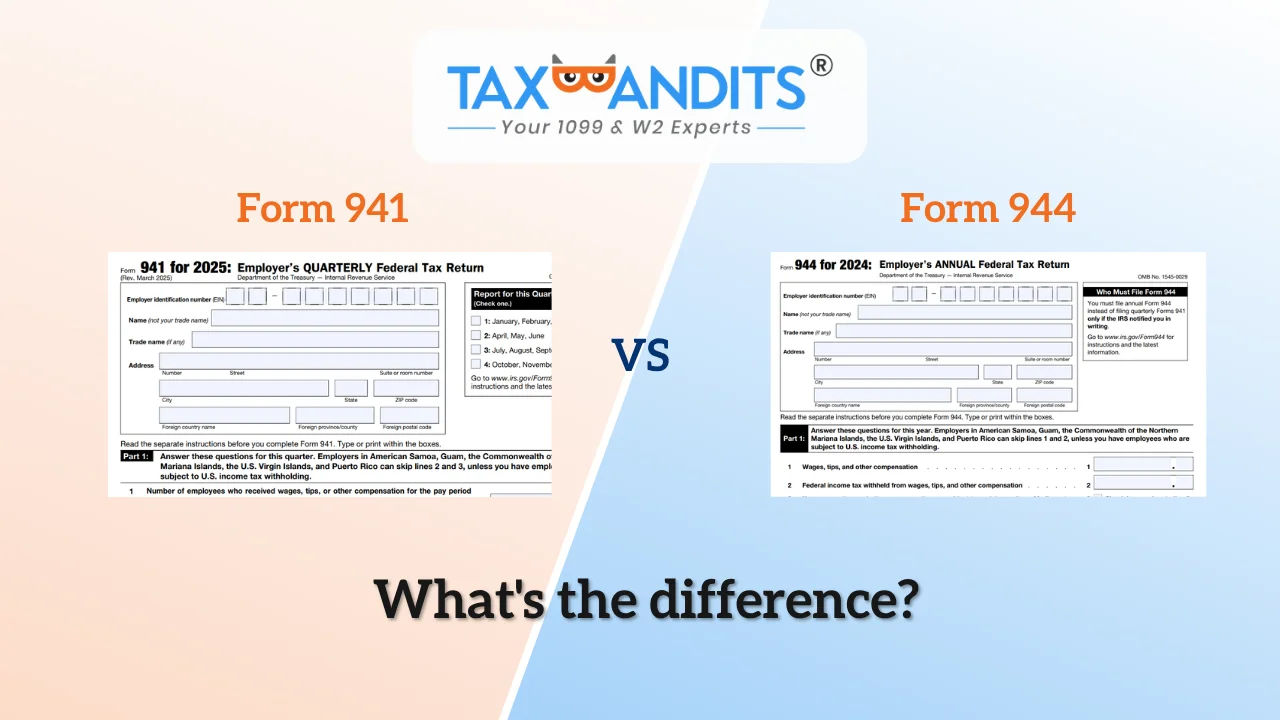
Form 941, officially titled “Employer’s Quarterly Federal Tax Return,” is used by employers to report wages they’ve paid, tips their employees have reported, federal income tax withheld from those wages and tips, and both the employer and employee shares of social security and Medicare taxes. Most employers who pay wages subject to income tax withholding, social security, or Medicare taxes must file Form 941 quarterly. This includes businesses of all sizes, from sole proprietorships with employees to large corporations.
The information reported on Form 941 directly impacts employee tax credits, social security benefits, and Medicare eligibility, making its accuracy crucial. Errors or omissions can lead to discrepancies that affect both the employer and the employees. Furthermore, the taxes collected via Form 941 represent funds held in trust for the U.S. government, emphasizing the serious nature of these obligations.
Quarterly Filing Requirements
Form 941 must be filed four times a year, by the following deadlines for each calendar quarter:
- Quarter 1 (January 1 to March 31): Due April 30
- Quarter 2 (April 1 to June 30): Due July 31
- Quarter 3 (July 1 to September 30): Due October 31
- Quarter 4 (October 1 to December 31): Due January 31 of the next year
These deadlines are crucial, and missing them can result in significant penalties, even if the taxes themselves were deposited on time. If any of these dates fall on a weekend or legal holiday, the deadline is shifted to the next business day. The timeliness of filing is assessed based on the postmark date for paper submissions or the transmission date for electronic filings.
Why File Without Payment?
While the IRS prefers that you pay your taxes in full when you file your return, there are several legitimate reasons why an employer might submit Form 941 without an enclosed payment:
- Electronic Funds Transfer (EFTPS): The most common reason. Many employers are required or choose to deposit their payroll taxes electronically via the Electronic Federal Tax Payment System (EFTPS). These deposits are made throughout the quarter, often on a monthly or semi-weekly schedule, before the Form 941 itself is due. In such cases, the payment has already been made, and the Form 941 simply reconciles those deposits with the employer’s tax liability.
- Temporary Cash Flow Issues: A business might experience an unforeseen financial hardship that makes it impossible to pay the full tax liability by the deadline. In this scenario, it is critical to file the form on time to avoid failure-to-file penalties, even if payment must be delayed. The business can then explore payment options with the IRS, such as an installment agreement.
- Payment Made by Other Means: Occasionally, payments might be made through other authorized third-party service providers or through a different IRS payment channel that doesn’t involve sending a check with the physical Form 941.
- Error in Payment Calculation/Dispute: If there’s a discrepancy or dispute regarding the exact amount owed, an employer might choose to file the form to meet the deadline and address the payment issue separately.
- Amended Return (Form 941-X): While not the initial Form 941, if an employer is filing an amended Form 941-X that results in a tax due, they might choose to pay separately or enter into a payment agreement.
Regardless of the reason, the key takeaway is that filing the form on time, even without payment, is almost always better than failing to file altogether.
The Official Mailing Addresses for Form 941
The IRS maintains different mailing addresses for various forms and situations. Critically, the address for Form 941 differs depending on whether or not you are enclosing a payment. For employers filing Form 941 without payment, it is imperative to use the correct address to ensure timely processing and avoid potential complications. Sending your return to the wrong address can delay processing and potentially lead to erroneous penalty notices.
IRS Mailing Addresses Based on State (No Payment)
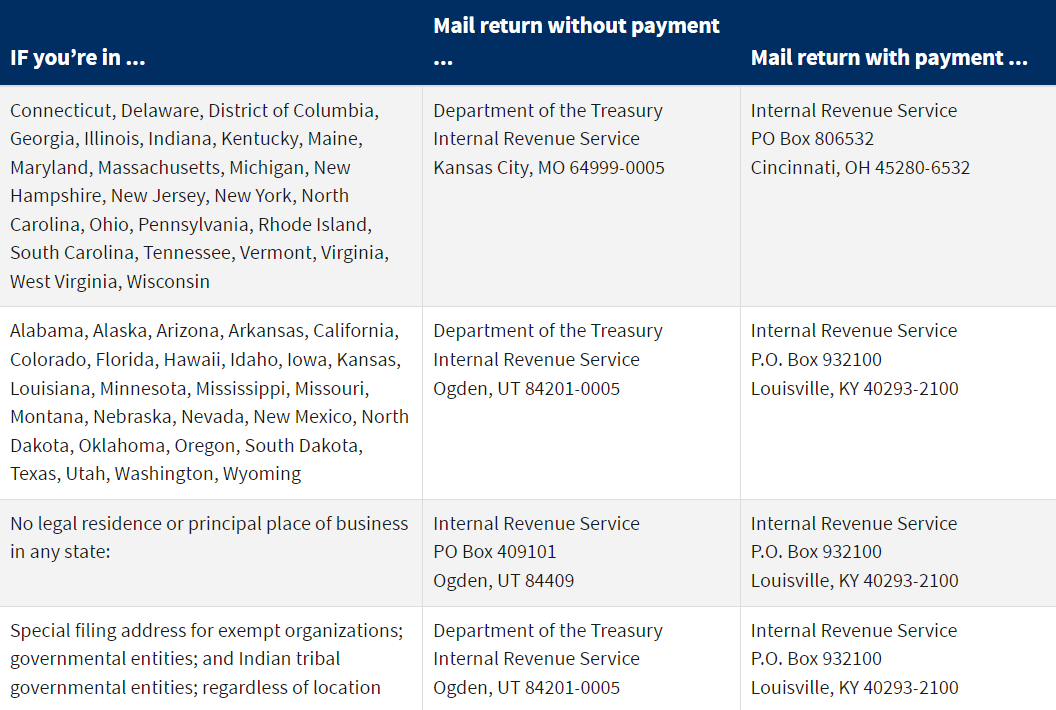
The IRS categorizes mailing addresses based on the state where the business is located. It is essential to consult the official IRS instructions for Form 941 (typically Publication 15, Circular E, or the form’s direct instructions) for the most current and accurate addresses. These instructions are updated periodically, and relying on outdated information can lead to errors.
As of recent IRS guidelines, the general rule is:
- If your legal residence or principal place of business is in…
- Connecticut, Delaware, District of Columbia, Florida, Georgia, Illinois, Indiana, Kentucky, Maine, Maryland, Massachusetts, Michigan, New Hampshire, New Jersey, New York, North Carolina, Ohio, Pennsylvania, Rhode Island, South Carolina, Tennessee, Vermont, Virginia, West Virginia, or Wisconsin:
- Department of the Treasury
- Internal Revenue Service
- Kansas City, MO 64999-0005
- Alabama, Alaska, Arizona, Arkansas, California, Colorado, Hawaii, Idaho, Iowa, Kansas, Louisiana, Minnesota, Mississippi, Missouri, Montana, Nebraska, Nevada, New Mexico, North Dakota, Oklahoma, Oregon, South Dakota, Texas, Utah, Washington, Wyoming, or a foreign country, U.S. possession or territory:
- Department of the Treasury
- Internal Revenue Service
- Ogden, UT 84201-0005
- Connecticut, Delaware, District of Columbia, Florida, Georgia, Illinois, Indiana, Kentucky, Maine, Maryland, Massachusetts, Michigan, New Hampshire, New Jersey, New York, North Carolina, Ohio, Pennsylvania, Rhode Island, South Carolina, Tennessee, Vermont, Virginia, West Virginia, or Wisconsin:
Important Note: These addresses are for mailing Form 941 without payment. If you are sending a payment, the addresses will be different, often directing to a specific payment processing center. Always double-check the current “Where to File” chart in the latest IRS Form 941 instructions. For example, some specialized situations, like certain government entities or businesses that operate in a specific state but whose principal place of business is elsewhere, might have unique instructions.
Specific Instructions for No Payment Filing
When preparing your Form 941 for mailing without payment, keep the following in mind:
- Do Not Enclose a Check: This might seem obvious, but it’s crucial. Sending a check to an address designated for “no payment” returns can cause significant delays in processing both your return and your payment, potentially leading to incorrect penalty assessments.
- Mail Timely: The postmark date is vital for establishing timely filing. Consider using certified mail with a return receipt for proof of mailing, especially if you anticipate any potential disputes or if it’s close to the deadline.
- Keep Copies: Always retain a complete copy of your filed Form 941, along with proof of mailing, for your business records.
- Address Payment Separately: Remember that filing the form without payment does not absolve you of the tax liability. You must still make the required deposits or payments separately through EFTPS or other approved methods by their respective due dates. The payment due dates for federal payroll taxes are often much earlier than the Form 941 filing deadlines, based on your deposit schedule (monthly or semi-weekly).
The IRS explicitly outlines these addresses to streamline their processing. Adhering to these instructions ensures your return reaches the correct department quickly, minimizing the risk of misclassification or processing delays.
Navigating Payment Obligations and Penalties
Filing Form 941 without payment does not mean the tax liability disappears. Employers have a separate and distinct obligation to deposit their federal payroll taxes according to a specific schedule. Understanding these obligations and the penalties for non-compliance is vital for financial health.
When Payment is Due (Even if Not Sent with Form 941)
Federal payroll taxes are typically due much earlier than the Form 941 filing deadline. The IRS mandates a deposit schedule based on the total tax liability reported during a lookback period:
- Monthly Deposit Schedule: If your total tax liability for the lookback period (the four quarters starting July 1 two years ago and ending June 30 last year) was $50,000 or less, you’re generally a monthly schedule depositor. You must deposit taxes by the 15th day of the next month.
- Semi-weekly Deposit Schedule: If your total tax liability for the lookback period was more than $50,000, you’re generally a semi-weekly schedule depositor.
- For payments on Wednesday, Thursday, or Friday, deposit by the following Wednesday.
- For payments on Saturday, Sunday, Monday, or Tuesday, deposit by the following Friday.
Regardless of your schedule, all deposits must be made through the Electronic Federal Tax Payment System (EFTPS). There’s a “one-day rule” where if you accumulate $100,000 or more in tax liability on any day, you must deposit the tax by the close of the next banking day, regardless of your regular deposit schedule.
Penalties for Late Filing vs. Late Payment
The IRS distinguishes between penalties for failing to file on time and failing to pay on time.
- Failure-to-File Penalty: This penalty is 5% of the unpaid taxes for each month or part of a month that a return is late, capped at 25% of your unpaid taxes. If the return is more than 60 days late, the minimum penalty is the smaller of $485 (for returns due in 2023) or 100% of the tax due. Crucially, filing Form 941 on time, even without payment, prevents this penalty from being assessed.
- Failure-to-Pay Penalty: This penalty is 0.5% of the unpaid taxes for each month or part of a month that taxes remain unpaid, also capped at 25% of your unpaid taxes. This penalty can accumulate even if you filed on time but did not pay.
- Failure-to-Deposit Penalty: This is often the most significant penalty for payroll taxes. It applies when you don’t make your tax deposits on time, in the correct amount, or in the correct manner (i.e., through EFTPS). The penalty varies from 2% to 15% of the underpayment, depending on how late the deposit is. For example, deposits made 1 to 5 days late incur a 2% penalty, while those more than 15 days late incur a 10% penalty. Taxes not deposited at all, or paid directly with the return, incur a 15% penalty.
It’s clear that while filing Form 941 without payment can save you from the failure-to-file penalty, it does not mitigate the failure-to-pay or, more importantly, the failure-to-deposit penalties. Interest also accrues on underpayments, typically at the federal short-term rate plus 3 percentage points, compounding daily.
Strategies for Managing Tax Liabilities
When faced with an inability to pay your full tax liability, taking proactive steps can help mitigate penalties and resolve the issue:
- Contact the IRS: If you cannot pay, do not ignore the problem. The IRS is generally more willing to work with taxpayers who communicate proactively.
- Installment Agreement: You can request an installment agreement with the IRS, which allows you to make monthly payments for up to 72 months. While penalties and interest still apply, it prevents further collection action.
- Offer in Compromise (OIC): An OIC allows certain taxpayers to settle their tax debt with the IRS for a lower amount than what they originally owe. This option is generally available when taxpayers face severe financial hardship and cannot realistically pay their full tax liability.
- Consult a Professional: A qualified tax professional, such as a CPA or tax attorney, can provide invaluable guidance, help you understand your options, and represent you in dealings with the IRS. They can assist with penalty abatement requests if you have reasonable cause.
The best strategy is always to plan ahead and ensure sufficient funds are available for tax obligations.
The Role of Electronic Filing and Payment Systems
In today’s digital age, the IRS strongly encourages and often mandates the use of electronic systems for both filing returns and making payments. These systems offer numerous advantages for businesses, particularly when managing Form 941 and its associated tax deposits.
EFTPS: The Preferred Payment Method
The Electronic Federal Tax Payment System (EFTPS) is the IRS’s preferred method for making federal tax deposits. Most businesses are required to use EFTPS if their total deposits for a certain period exceed a threshold. The system allows you to make federal tax payments electronically via the internet or phone, ensuring secure and timely transactions.
Key Benefits of EFTPS:
- Separation of Payment and Filing: EFTPS allows employers to deposit taxes throughout the quarter, entirely separate from the submission of Form 941. This is precisely why many employers file Form 941 without an enclosed payment – the payment has already been made electronically.
- Proof of Payment: EFTPS provides a confirmation number for every payment, offering undeniable proof that a deposit was made on time.
- Scheduling Payments: You can schedule payments up to 365 days in advance, helping with financial planning and avoiding missed deadlines.
- Reduced Errors: Electronic transactions minimize human error associated with manual checks and mailing.
- Security: EFTPS utilizes robust security measures to protect your financial information.
Businesses typically enroll in EFTPS directly through the IRS website. Once enrolled, you link your bank account, and you can then initiate payments for various federal taxes, including Form 941 liabilities.
E-Filing Form 941
Beyond electronic payments, the IRS also offers the option to e-file Form 941. While not mandatory for all employers, e-filing comes with significant advantages:
- Faster Processing: Electronic returns are processed much quicker than paper returns.
- Reduced Errors: E-filing software often has built-in error checks, reducing the likelihood of mathematical errors or missing information.
- Confirmation of Receipt: You receive an immediate electronic confirmation that your return has been received by the IRS, eliminating worries about lost mail.
- Convenience: You can file from anywhere with an internet connection, often integrating directly with payroll software.
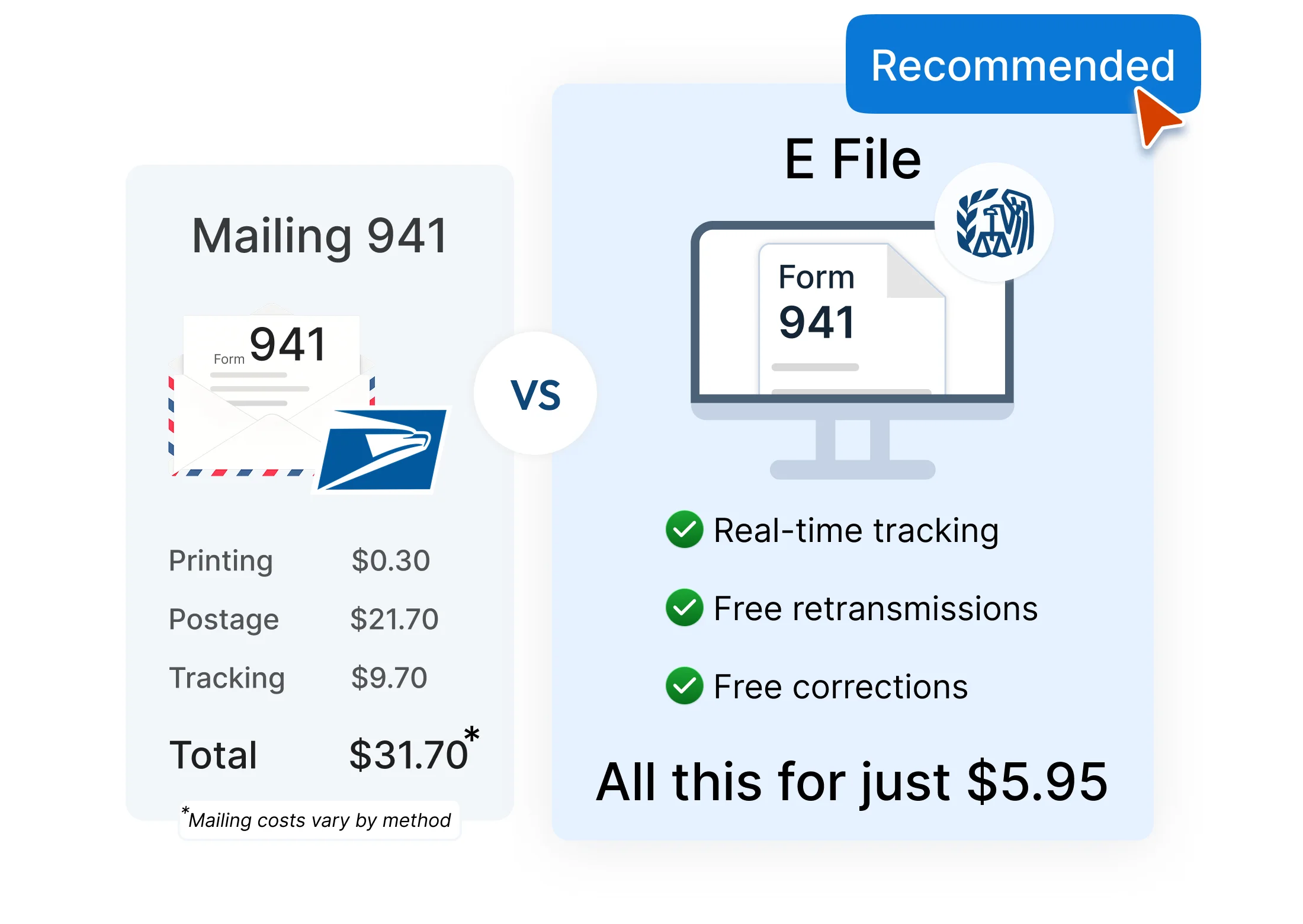
To e-file Form 941, businesses generally need to use an IRS-authorized e-file provider or payroll software that supports e-filing for this form. The IRS does not offer a direct e-file option for Form 941 for individual taxpayers; rather, it’s done through approved intermediaries.
When to Use Paper Forms vs. Electronic Methods
While electronic methods are highly recommended, paper filing for Form 941 without payment still has its place:
- New Businesses: Businesses just starting out might not yet be set up for EFTPS or e-filing software, making paper filing a temporary necessity.
- Small Businesses with Infrequent Employees: Very small businesses with minimal payroll tax obligations might find paper filing simpler if they don’t wish to invest in payroll software or navigate EFTPS initially.
- Amended Returns (Form 941-X): While Form 941-X can also be e-filed through some providers, paper filing remains a common method.
- Specific IRS Instructions: Occasionally, the IRS might issue specific instructions for certain situations that require paper filing.
However, the trend is clearly towards electronic solutions. Even if you paper file Form 941, your payments must still be made electronically via EFTPS if your tax liability meets the thresholds. It’s crucial not to confuse the method of filing the form with the method of making payments.
Best Practices for Employers
Effective management of payroll taxes, including Form 941, goes beyond simply knowing where to mail a form. It involves a holistic approach to financial planning and compliance that can safeguard your business’s financial health.
Maintain Accurate Records
The foundation of compliant payroll tax reporting is meticulous record-keeping. Employers should maintain detailed records for each employee, including:
- Wages paid (hourly, salary, commissions)
- Tips reported
- Federal income tax withheld
- Employee and employer shares of social security and Medicare taxes
- Dates of employment
- Forms W-4 (Employee’s Withholding Certificate)
- Dates and amounts of tax deposits made
These records not only help in accurately completing Form 941 but also serve as crucial documentation in the event of an IRS audit or inquiry. Utilizing robust payroll software can automate much of this record-keeping, reducing manual errors and saving time.
Proactive Financial Planning
Payroll tax liabilities are predictable expenses. Smart businesses incorporate these into their financial planning and budgeting processes:
- Segregate Funds: It’s a best practice to set aside or segregate payroll tax funds as soon as wages are paid. These are “trust fund” taxes, meaning they belong to the government, not the business. Keeping them separate prevents them from being inadvertently used for operational expenses.
- Cash Flow Projections: Regular cash flow projections should account for upcoming payroll tax deposit deadlines. This helps identify potential shortfalls well in advance, allowing time to address them before penalties accrue.
- Emergency Fund: Maintaining a business emergency fund can provide a buffer in case of unexpected financial challenges that might otherwise jeopardize your ability to make timely tax deposits.
Treating payroll taxes as a fixed, non-negotiable expense, much like rent or utilities, ensures they are prioritized in financial decision-making.
Seeking Professional Guidance
The complexities of tax law and payroll compliance can be daunting. Engaging qualified professionals can be one of the best investments a business can make:
- Certified Public Accountants (CPAs): CPAs can assist with payroll tax calculations, Form 941 preparation and filing, and overall tax planning. They can also provide strategic advice on business structure and financial management.
- Payroll Service Providers: Outsourcing payroll to a dedicated service provider can handle all aspects of wage calculation, tax withholding, deposit scheduling, and Form 941 filing, reducing the administrative burden and ensuring compliance.
- Tax Attorneys: In cases of disputes with the IRS, audits, or significant tax liabilities, a tax attorney can provide legal representation and expertise in navigating complex tax issues.
Even if you handle much of your payroll internally, consulting with professionals periodically can provide peace of mind and help identify potential compliance gaps.
Staying Informed with IRS Updates
Tax laws and IRS procedures are not static; they change frequently. Employers must make an effort to stay informed:
- IRS Website and Publications: Regularly check the IRS website (IRS.gov) for updates, new forms, and revised instructions for Form 941 and Publication 15.
- Tax Newsletters and Alerts: Subscribe to newsletters from tax professionals, industry associations, or financial news outlets that cover tax law changes.
- Professional Seminars: Attend webinars or seminars on payroll tax compliance to stay abreast of the latest requirements.
Being proactive in learning about changes helps businesses adapt quickly, preventing errors and ensuring ongoing compliance. Ignorance of the law is not a valid defense against penalties.
Conclusion
Successfully navigating the requirements of Form 941, particularly when filing without payment, is a critical aspect of responsible business finance. The core message remains clear: always file Form 941 on time, even if you cannot remit payment with the form itself. By doing so, you avoid the failure-to-file penalty, which can be substantial.
Understanding the specific IRS mailing addresses for returns without payment is non-negotiable. These addresses are meticulously designated to streamline processing, and sending your form to the incorrect location can lead to unnecessary delays and confusion. Furthermore, employers must internalize that the obligation to pay taxes through systems like EFTPS operates on a separate, often more frequent, schedule than the quarterly Form 941 filing deadline.
By embracing electronic filing and payment systems, maintaining diligent records, engaging in proactive financial planning, and seeking professional guidance, businesses can establish robust financial practices that ensure compliance, mitigate penalties, and contribute to their long-term stability and success. The meticulous handling of Form 941, even in situations where payment is separated, is a testament to an employer’s commitment to sound financial stewardship.
aViewFromTheCave is a participant in the Amazon Services LLC Associates Program, an affiliate advertising program designed to provide a means for sites to earn advertising fees by advertising and linking to Amazon.com. Amazon, the Amazon logo, AmazonSupply, and the AmazonSupply logo are trademarks of Amazon.com, Inc. or its affiliates. As an Amazon Associate we earn affiliate commissions from qualifying purchases.