
Selling a used car is more than just a transaction; it’s a critical financial decision that can significantly impact your personal balance sheet. Whether you’re upgrading, downsizing, or simply need to free up cash, understanding the optimal strategies for offloading your vehicle is paramount. In a dynamic market, navigating the myriad of options—from private sales to dealership trade-ins and online platforms—requires a keen financial eye to ensure you maximize your return on investment while minimizing effort and risk. This guide delves into the strategic financial considerations involved in selling your used car, offering insights to help you make informed decisions and secure the best possible outcome.
Understanding Your Car’s Financial Value and Market Positioning
Before you even consider listing your car for sale, a thorough understanding of its true financial worth is essential. This isn’t merely about guessing a price; it’s about conducting diligent market research and assessing a range of factors that collectively determine what a buyer is willing to pay. A well-researched valuation sets the foundation for a successful and profitable sale.
Factors Influencing Resale Value
The resale value of your car is not static; it’s a dynamic figure influenced by a confluence of variables. Mileage stands as one of the most significant indicators of wear and tear; generally, lower mileage commands a higher price. The overall condition—both mechanical and aesthetic—plays a huge role; a well-maintained car with a clean interior and exterior will always fetch more. Make and model popularity are critical, as certain brands and vehicle types hold their value better due to reputation, reliability, or specific market demand (e.g., SUVs often retain value well). The age of the vehicle contributes to depreciation, with newer cars typically commanding higher prices. Finally, a comprehensive service history indicating regular maintenance and necessary repairs can significantly bolster buyer confidence and, consequently, the car’s value. Ignoring any of these factors can lead to an inaccurate valuation and lost potential earnings.
Utilizing Online Valuation Tools for Financial Benchmarking
To establish a realistic asking price, leveraging multiple online valuation tools is a smart financial move. Platforms like Kelley Blue Book (KBB), Edmunds, and NADAguides (often used by dealerships) provide estimated values based on various criteria, including your car’s specific details, local market conditions, and recent sales data. It’s crucial to input accurate information regarding your car’s condition and features. However, rely on these tools as benchmarks, not definitive prices. Each platform uses proprietary algorithms, so comparing values from several sources will give you a more comprehensive and realistic price range. This multi-source approach helps you understand the floor and ceiling of your potential selling price, enabling better negotiation.
Impact of Market Demand on Pricing Strategy
The ebb and flow of market demand can significantly sway your car’s financial prospects. Seasonal trends can play a role; for instance, convertibles might sell better in spring, while SUVs with all-wheel drive might see increased demand in winter. Broader economic factors like fuel prices can influence demand for fuel-efficient versus larger vehicles. Furthermore, specific vehicle popularity based on current trends, brand perception, or even new model releases can affect how quickly and at what price your car sells. A car that is in high demand in your local market may justify a slightly higher asking price, while a less popular model might require a more competitive strategy. Staying attuned to these market dynamics allows you to time your sale strategically and adjust your pricing to capitalize on prevailing conditions.
Navigating Your Selling Options: Financial Pathways to Liquidity
Once you have a firm grasp of your car’s value, the next step involves choosing the most financially advantageous selling channel. Each option presents a unique balance of potential profit, convenience, and associated effort or cost. Strategic selection here is key to optimizing your financial outcome.
Private Sale: Maximizing Profit Potential
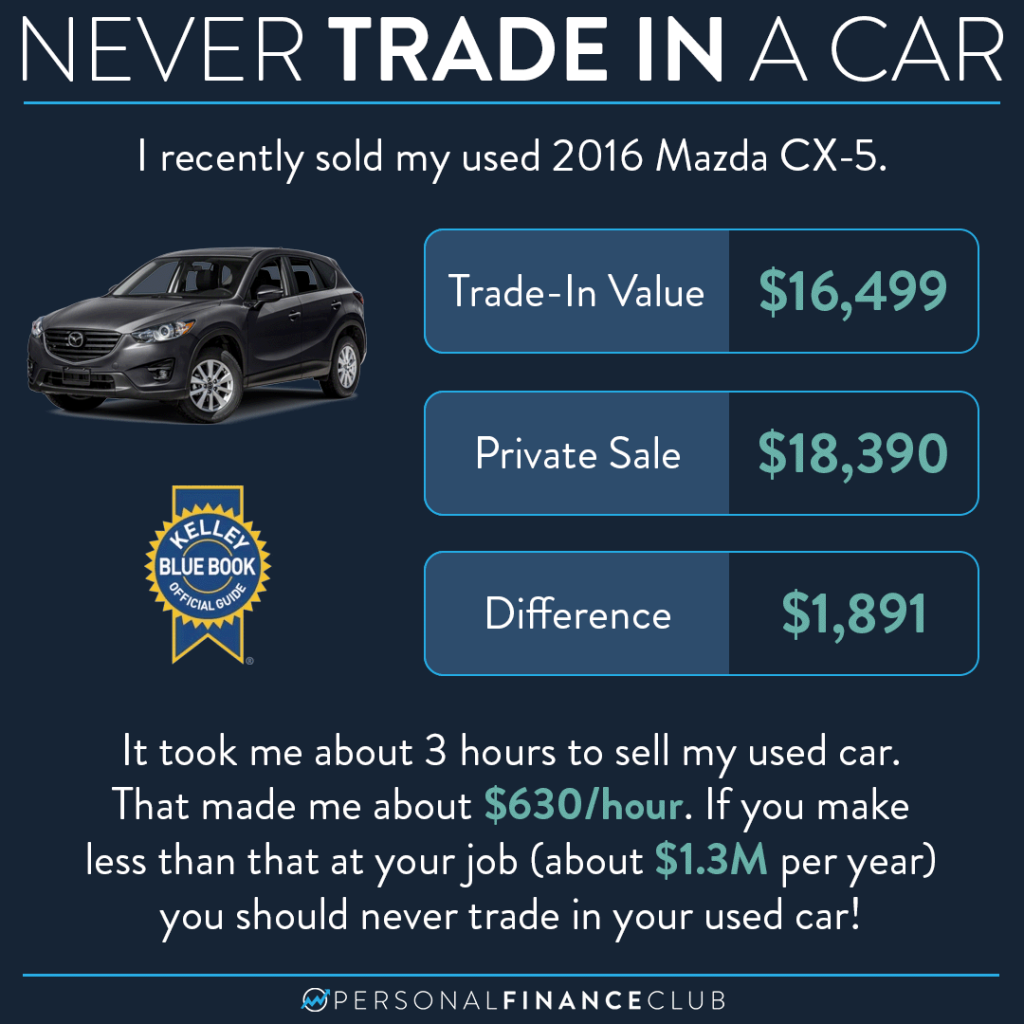
Selling your car privately typically offers the highest potential profit margin because you bypass the middleman’s cut. However, this path demands a significant investment of your time, effort, and sometimes, additional expenses. You’ll be responsible for marketing your car, responding to inquiries, arranging test drives, and negotiating the price directly with potential buyers. This also involves managing the entire legal and financial transfer process.
- Pros: You retain the full profit from the sale, allowing you to maximize your financial return. You have control over the entire selling process and can set your own terms.
- Cons: It’s the most time-consuming option, requiring active participation in advertising, showing the car, and handling paperwork. There’s also an element of risk, including dealing with unreliable buyers, potential scams, and the need to ensure secure payment. Advertising costs (online listings, classifieds) and the time spent on preparation must be factored into the overall financial assessment. Negotiation skills are crucial to secure a fair price.
Dealership Trade-In: Convenience vs. Cash Value
For many, trading in their vehicle at a dealership when purchasing a new one is the epitome of convenience. It streamlines the process into a single transaction, avoiding the complexities of a private sale. However, this convenience often comes at a financial cost.
- Pros: unparalleled convenience. You avoid the hassles of advertising, showing the car, and dealing with private buyers. In many regions, there can be a tax benefit—you only pay sales tax on the difference between the new car’s price and your trade-in value, which can translate into significant savings. It’s a quick and straightforward way to dispose of your old vehicle.
- Cons: You will almost certainly receive a lower payout compared to a private sale. Dealerships operate on profit margins, meaning they’ll offer you a wholesale price to ensure they can resell your car at a profit. It can be challenging to negotiate the best trade-in value, as dealers often bundle this negotiation with the new car purchase, potentially obscuring the true financial terms. It’s vital to research your car’s trade-in value beforehand and negotiate both the new car price and the trade-in value separately if possible.
Online Car Buyers/Marketplaces: Speed and Simplicity
The rise of online car buying platforms (e.g., Carvana, Vroom, GiveMeTheVIN, WeBuyAnyCar.com) offers a relatively new and increasingly popular selling channel, balancing aspects of private sales and dealership trade-ins. These platforms aim for speed and simplicity.
- Pros: They provide instant, no-obligation quotes and often facilitate a quick sale, sometimes picking up the car from your location. The process is generally very streamlined, involving minimal paperwork and often fast payment. This is ideal if you need to sell your car quickly without the marketing effort of a private sale or the pressure of a dealership negotiation.
- Cons: While quicker than a private sale, the financial offers from these platforms are typically lower than what you might achieve through a private sale, and sometimes even less than a favorable dealership trade-in. Their business model relies on acquiring vehicles at a wholesale or near-wholesale price to resell them for profit. It’s a trade-off between maximizing financial return and optimizing for speed and convenience. Always compare their offers against private sale potential and dealership trade-in values.
Consignment Sales: Professional Assistance
Consignment selling involves entrusting your car to a dealership or a specialized consignment service to sell it on your behalf. They handle all aspects of the sale, from marketing to negotiation and paperwork.
- Pros: This option offers significant convenience, as the professional service manages the entire sales process, saving you time and effort. You potentially achieve a higher sale price than a direct trade-in, as the consignee aims for a retail price.
- Cons: The primary financial drawback is the commission fee charged by the consignment service, which can range from a fixed fee to a percentage of the sale price. You also don’t receive payment until the car is sold, meaning potential delays in accessing your funds. It’s crucial to carefully review the consignment agreement, understanding all fees and the expected timeline.
Preparing for a Financially Successful Sale: Investment in Value
Regardless of the selling channel you choose, an investment in preparing your car can significantly enhance its appeal and justify a higher asking price. This isn’t about throwing money at unnecessary repairs, but rather making strategic, cost-effective improvements that offer a strong return on investment (ROI).
Detailing and Minor Repairs: The ROI of Presentation
The adage “first impressions last” holds true when selling a car. A clean, well-presented vehicle immediately signals to potential buyers that it has been cared for, implying reliability and value. Professional detailing, or a thorough DIY clean-up, addressing both the interior and exterior, can dramatically improve perceived value. This includes washing, waxing, vacuuming, and cleaning upholstery.
Beyond aesthetics, addressing minor, inexpensive repairs can prevent buyers from using them as bargaining chips for much larger price reductions. Fix small dents, scratches, broken lights, or dashboard warning lights (if simple to resolve). The cost of these minor fixes is often far less than the discount a buyer might demand for them, making it a sound financial investment that pays dividends in a higher sale price.
Gathering Essential Documentation: Proving Your Car’s Worth
A complete and organized documentation package not only streamlines the sale process but also instills confidence in potential buyers, substantiating your car’s value. This includes:

- Vehicle Title/Pink Slip: This is the legal proof of ownership, absolutely essential for the transfer. Ensure it’s clear of any liens.
- Service Records: Comprehensive records of all maintenance, oil changes, and repairs demonstrate a history of diligent care and can significantly boost buyer confidence, often justifying a higher price.
- Maintenance History: A log of routine checks, tire rotations, and battery replacements, even if not formal service records, reinforces the narrative of a well-maintained vehicle.
- Warranty Information: If any transferable warranties are still active, highlight them as an added value proposition.
Having these documents readily available makes you appear transparent and professional, signaling a trustworthy seller—a crucial factor in any financial transaction.
Photography and Listing Optimization: Attracting Higher Offers
In today’s digital age, your car’s online presence is its storefront. High-quality photographs and a compelling listing description are paramount, especially for private sales and online marketplaces.
- High-Quality Photography: Take numerous well-lit photos from various angles—exterior (front, back, sides), interior (dashboard, seats, trunk), engine bay, and odometer. Highlight desirable features and capture the car in a clean, appealing setting. Good photos can make your car stand out and attract more serious inquiries.
- Compelling Description: Write a clear, concise, and honest description. Include all key details: make, model, year, mileage, trim level, engine type, transmission, key features (e.g., heated seats, navigation, sunroof), recent maintenance, and any minor imperfections. Be transparent about any damage, as honesty builds trust. Emphasize what makes your car a good financial purchase for the buyer. A well-written description can preempt many questions and filter out unserious buyers, saving you time and effort.
Financial and Legal Considerations: Protecting Your Investment
Once a buyer is interested, the financial and legal aspects of the transaction come to the forefront. Navigating these steps carefully is critical to protecting your financial interests and avoiding future liabilities.
Handling Payments Securely: Mitigating Financial Risk
The most critical step in completing the sale is ensuring you receive secure payment. Never release your car or transfer the title until you have confirmed receipt of funds.
- Preferred Payment Methods: For private sales, a cashier’s check (verified by your bank for authenticity), a direct bank transfer, or an escrow service are generally the safest options. Avoid personal checks, money orders (which can be fraudulent), or large sums of cash (which can be difficult to verify and carry security risks).
- Verification: If accepting a cashier’s check, accompany the buyer to your bank to verify its legitimacy before signing over the title. For bank transfers, ensure the funds have cleared and are irrevocably in your account. Do not succumb to pressure to accept less secure payment methods.
Understanding Sales Agreements and Bill of Sale: Legal Safeguard
A clear, written agreement protects both the buyer and the seller. A Bill of Sale is a legal document that records the transaction details.
- Key Elements: It should include the date of sale, the full names and addresses of both parties, the vehicle identification number (VIN), make, model, year, odometer reading, sale price, and a statement that the vehicle is being sold “as-is” (if applicable). Both parties should sign and date the document, and each should retain a copy.
- “As-Is” Clause: For private sales, including an “as-is, where-is” clause is vital. This legally states that the buyer is purchasing the car in its current condition, relieving you of responsibility for any issues that arise after the sale. This protects your financial liability.
Transferring Title and Registration: Avoiding Future Liabilities
Properly transferring ownership is crucial to absolve yourself of any future responsibilities related to the vehicle.
- Signing Over the Title: The vehicle title must be signed by you (the seller) and, in some jurisdictions, by the buyer. Ensure all required fields are accurately completed.
- Notifying the DMV: Most states require the seller to notify the Department of Motor Vehicles (DMV) or equivalent agency of the sale. This officially records the transfer of ownership and protects you from any liability for tickets, accidents, or other incidents involving the car after you’ve sold it. Failure to do so could leave you financially responsible for the vehicle’s future actions.
- Removing License Plates: In many jurisdictions, sellers are required to remove their license plates before the car departs with the new owner.
Insurance Implications: Updating Your Policies
Once the sale is complete and the title transferred, contact your insurance provider immediately to remove the sold vehicle from your policy. Failure to do so could result in you continuing to pay premiums for a car you no longer own, or worse, being implicated in an incident if the new owner hasn’t yet secured their own insurance. This simple step ensures no unnecessary financial outflow post-sale.
Negotiation Strategies: Maximizing Your Return
Negotiation is an art, but when selling a car, it’s a critical financial skill. Approaching negotiations with a clear strategy can significantly impact your final sale price and thus your overall financial gain.
Setting a Realistic Price Range
Before engaging with buyers, define a realistic price range: your ideal asking price (the ceiling) and the absolute minimum you’re willing to accept (the floor). This range should be informed by your market research and your car’s true financial value.
- Anchoring: Start with an asking price slightly higher than your target sale price. This allows room for negotiation and gives the buyer a sense of “winning” when you come down.
- Knowing Your Floor: Be firm on your minimum acceptable price. Going below this point means you’re undervalue your asset. Calculate your costs (e.g., detailing, minor repairs, listing fees) to ensure your floor still yields a positive return.
Handling Offers and Counter-Offers
Buyers will almost always try to negotiate downwards. Be prepared.
- Listen Actively: Understand the buyer’s concerns. Are they valid? Is there room to compromise without significantly impacting your profit?
- Justify Your Price: Reiterate the car’s strong points, recent maintenance, and why your price is fair given its condition and market value. Refer to your service records and preparation efforts.
- Counter-Offers: Don’t be afraid to make a counter-offer. It’s a dance. Aim to meet somewhere in the middle of their offer and your original asking price, or closer to your floor if their offer is exceptionally low. Consider small concessions (e.g., offering a spare tire or floor mats) instead of large price drops.
Being Prepared to Walk Away
The most powerful negotiation tool is the ability to walk away if an offer is too low or if the buyer is unreasonable. Settling for less than your car is worth represents a direct financial loss. There will always be other buyers. Having the confidence to decline an unsatisfactory offer ensures you don’t undervalue your asset and protects your financial return. Stick to your floor price, and don’t let emotional attachment or a desire for a quick sale dictate your financial judgment.
Selling a used car is a multi-faceted financial undertaking. By meticulously valuing your vehicle, strategically choosing your selling channel, investing wisely in preparation, diligently managing legal and payment processes, and negotiating effectively, you can ensure a smooth, secure, and ultimately profitable transaction that truly benefits your personal finances.
aViewFromTheCave is a participant in the Amazon Services LLC Associates Program, an affiliate advertising program designed to provide a means for sites to earn advertising fees by advertising and linking to Amazon.com. Amazon, the Amazon logo, AmazonSupply, and the AmazonSupply logo are trademarks of Amazon.com, Inc. or its affiliates. As an Amazon Associate we earn affiliate commissions from qualifying purchases.