
In the landscape of modern personal finance, prepaid debit cards have emerged as a versatile and increasingly popular financial tool. Offering a bridge between cash and traditional banking, these cards provide a convenient, secure, and often fee-friendly alternative for managing expenditures, budgeting, and making purchases both online and offline. For individuals seeking greater control over their spending, those who are unbanked or underbanked, or even consumers looking for a secure way to shop without exposing their primary bank account, prepaid debit cards present a compelling solution. Understanding where to acquire these financial instruments, what types are available, and how to best utilize them is crucial for harnessing their full potential. This comprehensive guide will navigate the myriad purchasing avenues and provide insights into making an informed choice that aligns with your financial objectives.
The Core Appeal of Prepaid Debit Cards
Before delving into the “where,” it’s essential to grasp the “why.” Prepaid debit cards operate on a simple principle: you load funds onto the card, and you can only spend what you’ve loaded. This fundamental characteristic underpins their broad appeal and utility in various financial scenarios, firmly positioning them within the personal finance toolkit.
Understanding the Basics: What Are They?
A prepaid debit card functions much like a traditional debit card but is not linked to a bank account in the same way. Instead, it’s pre-funded by you, the user, or by another party (like an employer for a payroll card). These cards typically carry a Visa, Mastercard, American Express, or Discover logo, meaning they are accepted wherever those card networks are, granting them widespread usability. Unlike credit cards, they don’t allow you to borrow money, thereby eliminating the risk of debt and interest charges. They are distinct from gift cards in that most prepaid debit cards are reloadable and can be used for a broader range of transactions, including ATM withdrawals, online shopping, and bill payments. Their accessibility and ease of use make them a foundational financial tool for many.
Key Benefits for Diverse Financial Needs
The advantages of prepaid debit cards extend to a wide spectrum of users. For those focused on budgeting and expenditure control, a prepaid card acts as a digital envelope system, preventing overspending by limiting available funds. It’s an excellent tool for managing specific spending categories, such as groceries, entertainment, or travel allowances.
For the unbanked or underbanked population, prepaid cards offer a vital entry point into the digital economy. They provide a means to receive direct deposits (like paychecks or government benefits), pay bills online, and make secure purchases without needing a traditional checking account. This inclusivity fosters financial empowerment and reduces reliance on costly check-cashing services.
Security is another significant draw. When used for online shopping or travel, a prepaid card isolates your main financial accounts from potential fraud. If the card number is compromised, only the funds loaded onto that specific card are at risk, not your entire bank balance or credit line. Furthermore, many prepaid cards offer FDIC insurance (if issued by an FDIC-insured bank) and fraud protection similar to traditional bank cards, adding an extra layer of peace of mind. They also serve as an ideal solution for travel, avoiding foreign transaction fees often associated with credit cards, or as a secure alternative to carrying large amounts of cash.
Navigating the Purchase Landscape: Your Options
The accessibility of prepaid debit cards is one of their strongest attributes. They can be found in numerous locations, catering to various preferences, whether you prefer in-person transactions or the convenience of online shopping. Knowing the different purchase points can help you find the best deal and the most suitable card for your requirements.
Retail Giants and Everyday Conveniences
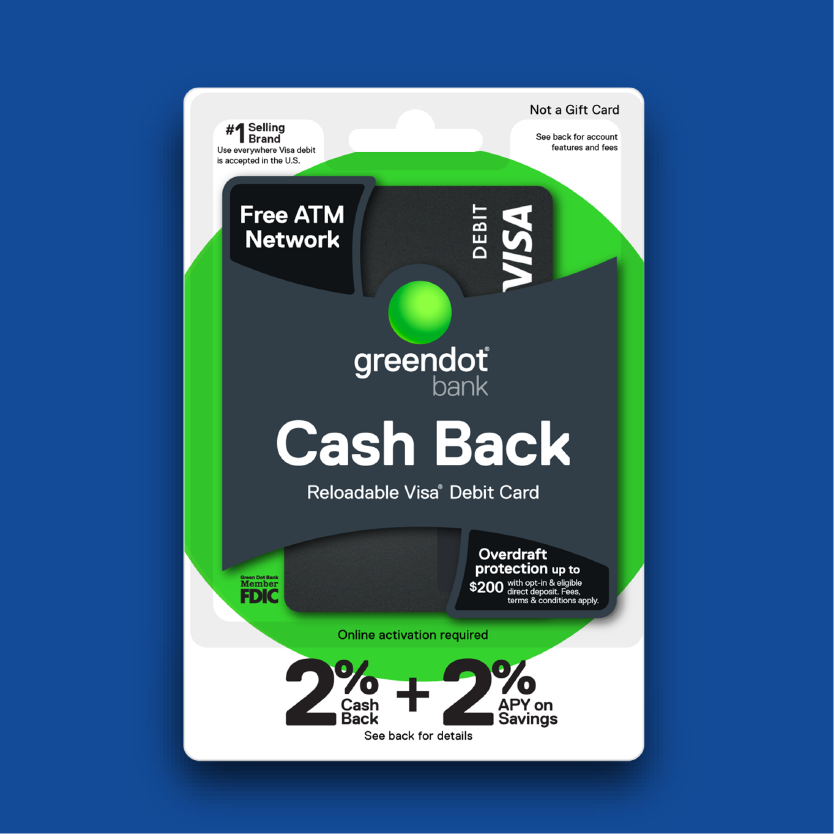
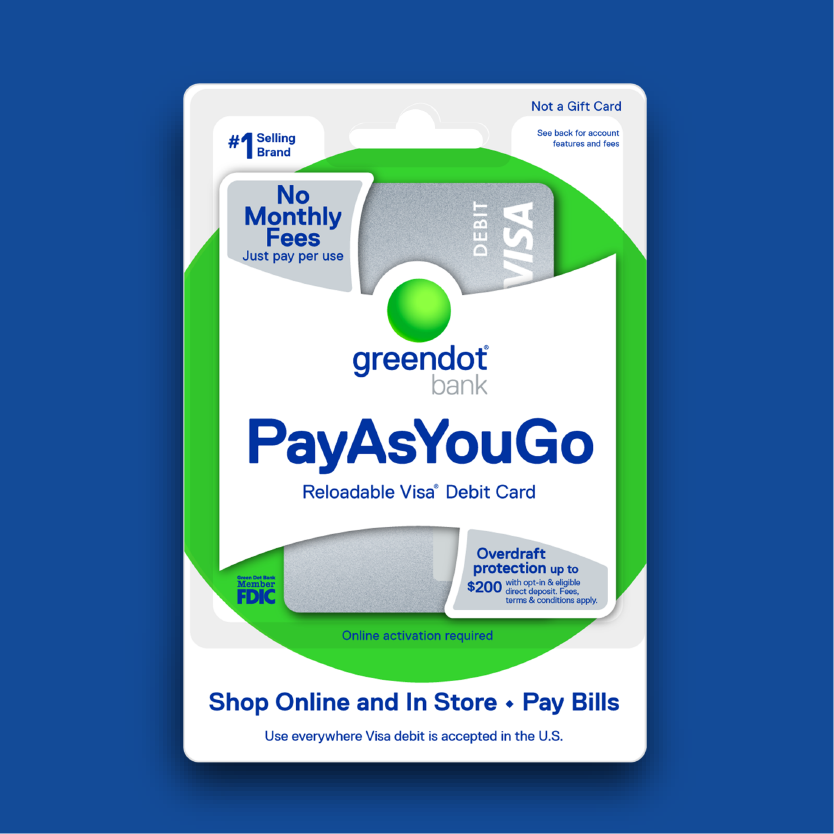
One of the most common and convenient places to purchase a prepaid debit card is at major retail stores, grocery stores, and drugstores. Chains like Walmart, Target, CVS, Walgreens, Kroger, and numerous regional supermarkets stock a variety of prepaid card brands. These stores typically feature racks of cards near the checkout aisles or at customer service desks.
- Walmart MoneyCard, Netspend, Green Dot, OneVanilla, MyVanilla, and others are frequently available.
- Activation: Cards purchased in-store usually require an initial activation and loading fee, and you might need to register the card online with your personal information to unlock full features, such as direct deposit or FDIC insurance.
- Reloading: These locations also often double as convenient reload centers, allowing you to add more funds to your card later using cash.
The primary advantages of buying from these retailers include immediate access to the card, the ability to pay with cash, and widespread availability, making them a go-to option for many.
The Digital Marketplace: Purchasing Online
For those who prefer the comfort of their home or wish to compare options more thoroughly, purchasing prepaid debit cards online is an excellent choice. Many card issuers have dedicated websites where you can apply for and receive a card by mail.
- Issuer Websites: Brands like Netspend, Green Dot, PayPal Prepaid Mastercard, Chime, and others allow direct applications through their official websites. This often provides access to a broader range of card features, potentially lower fees, and streamlined account management.
- Third-Party Platforms: Some financial technology platforms or comparison websites may also facilitate applications, offering curated selections or specific deals.
- Process: Typically, you fill out an online application with your personal details (name, address, date of birth, Social Security Number), load an initial amount using a bank transfer, debit card, or even another prepaid card, and the card is mailed to you within 7-10 business days.
- Benefits: Online acquisition often offers more transparency regarding fees and terms, and some online-centric cards come with advanced features like mobile banking apps, online bill pay, and even interest-bearing savings accounts. It’s also a convenient option for those who don’t have easy access to physical retail locations.
Financial Service Centers and Traditional Institutions
Beyond retailers and online channels, other avenues exist for acquiring prepaid debit cards, particularly for specific needs or circumstances.
- Financial Service Centers: Stores specializing in money services, such as Western Union, MoneyGram, or local check-cashing stores, often sell their own branded prepaid cards or those from partners. These centers can be especially useful for those who need immediate access to funds and services beyond basic card purchases. However, it’s important to be mindful of potential fees, which can sometimes be higher at these locations.
- Banks and Credit Unions: While less common for general-purpose reloadable cards, some traditional banks and credit unions do offer their own prepaid debit cards, often as a service for customers who might not qualify for a traditional checking account or for those seeking a dedicated spending card. These cards may come with the added benefit of being integrated with the institution’s existing banking services and potentially lower fees for existing account holders. It’s always worth checking with your local bank or credit union if you prefer a card from a traditional financial institution.
Beyond the Purchase: Choosing and Managing Your Card Wisely
Acquiring a prepaid debit card is just the first step. To truly benefit from this financial tool, it’s imperative to choose the right card for your needs and manage it effectively. The “Money” niche dictates a focus on smart financial decision-making, which is paramount here.
Deciphering Fees and Features: A Critical Comparison
Prepaid cards, while convenient, often come with a variety of fees. A diligent comparison is essential to avoid unexpected costs that can erode your loaded funds. Key fees to scrutinize include:
- Activation Fee: A one-time charge to start using the card.
- Monthly Maintenance Fee: A recurring fee, though some cards waive this with direct deposit or minimum usage.
- Reload Fee: Charged each time you add money to the card, especially for cash reloads.
- ATM Withdrawal Fee: Both the card issuer and the ATM owner might charge a fee. Look for cards with fee-free ATM networks.
- Transaction Fees: While less common for signature-based purchases, some cards might charge for PIN-based transactions or declines.
- Inactivity Fee: Charged if the card hasn’t been used for a certain period.
- Foreign Transaction Fee: If you plan to use the card internationally.
Beyond fees, consider the features that align with your financial habits:

- Direct Deposit: Essential for receiving paychecks or government benefits.
- Online Bill Pay: Allows you to pay utilities, rent, and other bills directly from the card.
- Mobile App and Online Account Management: For tracking balances, transactions, and managing settings.
- FDIC Insurance: Ensures your funds are protected up to legal limits in case the issuing bank fails.
- Fraud Protection: Policies for unauthorized transactions.
The Activation and Reloading Process
Once purchased, nearly all prepaid debit cards require activation. This usually involves visiting a dedicated website or calling a toll-free number. You’ll need to provide personal information to verify your identity, a process mandated by federal law (the USA PATRIOT Act) to prevent money laundering and fraud. This step is also crucial for unlocking features like direct deposit and FDIC insurance.
Reloading funds is a key aspect of most prepaid cards’ functionality. Common reloading methods include:
- Direct Deposit: The most convenient and often fee-free way to add funds.
- Cash Reload Networks: Services like Green Dot MoneyPak, VanillaDirect Load, or Western Union allow you to add cash at thousands of retail locations for a fee.
- Bank Transfer: Linking your prepaid card to an external bank account for electronic transfers.
- Mobile Check Deposit: Some cards offer this feature via their mobile app.
Understanding these processes ensures seamless use and avoids interruptions in your financial flow.
Security and Consumer Protection Considerations
While prepaid cards offer a layer of security by separating funds from your main bank accounts, it’s vital to understand the consumer protections in place. Most reputable prepaid debit cards issued by FDIC-insured banks offer similar protections to traditional debit cards, including:
- Zero Liability Policies: Protect you from unauthorized purchases if your card is lost or stolen.
- Error Resolution: A process for disputing incorrect transactions.
- Identity Verification: Required for activation, helping to prevent fraudulent accounts.
Always register your card and keep your personal information updated to ensure these protections apply. Regularly monitor your transaction history and report any suspicious activity immediately to the card issuer.
Tailoring Your Choice: Specific Prepaid Card Types and Their Uses
The general category of “prepaid debit cards” encompasses several sub-types, each designed with specific use cases in mind. Recognizing these distinctions helps in selecting the most appropriate financial tool for your situation.
General Purpose Reloadable Cards: The Everyday Solution
General Purpose Reloadable (GPR) cards are the most common type and what most people envision when they think of a prepaid debit card. These are designed for everyday spending, bill payments, and cash withdrawals. They are reloadable, allowing you to continually add funds, and typically come with a range of features such as online account management, direct deposit, and mobile app access. GPR cards are ideal for:
- Budgeting: Limiting spending to loaded funds.
- The Unbanked: Providing an alternative to a traditional checking account.
- Secure Online Shopping: Using a separate card for internet purchases.
- Receiving Paychecks/Benefits: Through direct deposit.
Examples include cards from Green Dot, Netspend, PayPal Prepaid, and the Walmart MoneyCard. Their flexibility makes them a strong financial tool for diverse personal finance management.
Specialized Cards for Travel, Payroll, and Gifting
Beyond GPR cards, several specialized prepaid options cater to distinct financial needs:
- Travel Prepaid Cards: Designed specifically for international use, these cards often offer competitive foreign exchange rates and lower (or no) foreign transaction fees compared to traditional credit or debit cards. They provide a secure way to carry funds abroad without the risk of cash, and they can be easily replaced if lost or stolen. Loading funds in a foreign currency can also lock in exchange rates.
- Payroll Cards: Employers can use these cards to pay employees directly, especially those without traditional bank accounts. These cards function like a GPR card but receive funds directly from an employer. They eliminate the need for paper checks and provide instant access to wages. While convenient, employees should evaluate the fees associated with payroll cards versus opening a low-cost bank account.
- Gift Cards: While technically a type of prepaid card, gift cards are typically single-use, non-reloadable, and often limited to specific merchants or networks. They are primarily for gifting purposes and usually carry activation fees but no ongoing maintenance fees. They are a one-off financial tool rather than an ongoing money management solution.
Understanding these categories allows for a more targeted approach to choosing a card that perfectly fits a particular financial need or lifestyle.
Maximizing the Value of Your Prepaid Card
A prepaid debit card, when chosen wisely and managed proactively, can be a powerful asset in your personal finance strategy. Its utility extends beyond mere transactional convenience, offering a pathway to better budgeting and financial control.
Effective Budgeting and Financial Control
The inherent design of a prepaid debit card — limiting spending to loaded funds — makes it an exceptional tool for budgeting. By allocating specific amounts for different spending categories onto separate prepaid cards (e.g., one for groceries, another for entertainment), you can visually and practically enforce spending limits. This method prevents budget creep and fosters greater awareness of where your money is going. It’s particularly effective for individuals who struggle with overspending on credit cards or find traditional budgeting methods too restrictive or abstract. This tangible control over expenditures is a cornerstone of responsible personal finance.
Avoiding Common Pitfalls and Hidden Costs
To truly maximize the value of your prepaid card, a keen awareness of potential pitfalls, primarily hidden fees, is essential. Always read the terms and conditions (T&Cs) meticulously before purchasing and activating any card. Focus on:
- Fee Schedules: Clearly understand activation, monthly, reload, ATM, and inactivity fees. Some cards may waive monthly fees if you meet certain criteria, such as direct deposit or a minimum number of transactions.
- Reload Options: Ensure the available reloading methods are convenient and cost-effective for you. High cash reload fees can quickly diminish your balance.
- Expiration Dates: While the funds on the card typically do not expire, the plastic card itself will. Understand the process for requesting a new card and transferring balances.
- Customer Service: Assess the availability and quality of customer support. Being able to quickly resolve issues or report problems is invaluable.
By being proactive and informed, you can navigate the prepaid card market efficiently, choosing a product that enhances rather than detracts from your financial well-being.
In conclusion, prepaid debit cards are far more than just a temporary financial fix; they are a legitimate and effective tool for managing money, budgeting, and participating in the digital economy. Whether you’re seeking a secure way to shop online, a convenient method for direct deposit, or a disciplined approach to managing daily expenses, the market offers a diverse array of options. By understanding where to purchase them, carefully comparing their features and fee structures, and adopting sound management practices, you can confidently integrate a prepaid debit card into your financial journey, empowering you with greater control and peace of mind.
aViewFromTheCave is a participant in the Amazon Services LLC Associates Program, an affiliate advertising program designed to provide a means for sites to earn advertising fees by advertising and linking to Amazon.com. Amazon, the Amazon logo, AmazonSupply, and the AmazonSupply logo are trademarks of Amazon.com, Inc. or its affiliates. As an Amazon Associate we earn affiliate commissions from qualifying purchases.