
Halloween, for many, is a beloved tradition, a canvas for creativity, and a social highlight of the autumn season. Yet, beneath the vibrant facade of spooky decorations and imaginative costumes lies a significant financial consideration. For individuals, families, and even aspiring entrepreneurs, the annual quest for the perfect Halloween ensemble can range from a minor budget line item to a substantial investment. This guide delves into the economic landscape of Halloween costume acquisition, offering insightful strategies for maximizing value, minimizing expenditure, and even identifying avenues for financial gain within this festive industry.

Maximizing Value: Budgeting for Your Halloween Ensemble
The first step in any financially savvy purchase decision is establishing a clear budget. Halloween costumes, whether for a single person, a couple, or an entire family, can quickly accumulate costs if not approached strategically. Understanding where to allocate your funds and identifying cost-saving opportunities is crucial for a financially responsible celebration.
Setting a Realistic Costume Budget
Before you begin your search, determine exactly how much you are willing and able to spend. Consider the number of costumes needed, the desired level of intricacy, and any accessories required. A realistic budget acts as your financial compass, guiding your purchasing decisions and preventing impulse buys that can derail your financial plans. Break down your total budget: perhaps 60% for the main outfit, 20% for accessories (wigs, makeup, props), and 20% for contingency or unexpected finds. This structured approach helps ensure all components of your desired look are accounted for without overspending.
DIY vs. Off-the-Shelf: A Cost Comparison
One of the most fundamental financial decisions in costume acquisition is whether to buy ready-made or create your own.
- Off-the-Shelf: Pre-packaged costumes offer convenience and often a guaranteed level of quality or accuracy to a specific character. However, this convenience comes at a premium. Retailers invest in design, manufacturing, marketing, and distribution, all of which are factored into the final price. While quick and easy, buying off-the-shelf might be the most expensive option, particularly for popular or licensed characters. Consider comparing prices across multiple retailers, both online and brick-and-mortar, as pricing can vary significantly.
- DIY (Do-It-Yourself): Crafting a costume from scratch or assembling one from existing garments and materials can be a highly economical approach. While it requires an investment of time and creativity, the monetary savings can be substantial. Sourcing materials from thrift stores, dollar stores, or using items already in your wardrobe dramatically reduces costs. Furthermore, a DIY approach often results in a unique costume, offering a higher perceived value in terms of originality and personal touch, even if the monetary outlay is lower. The financial benefit extends beyond just the initial cost; the satisfaction of creating something unique can be invaluable.
Seasonal Sales and Discount Strategies
Timing your purchase can lead to significant savings.
- Early Bird Deals: Many retailers offer discounts for early purchases in late summer or early fall to encourage pre-season sales.
- Last-Minute Markdowns: Conversely, some retailers drastically reduce prices on remaining stock in the week leading up to Halloween. While selection might be limited, if you’re flexible with your costume choice, this can be an excellent way to secure a deal.
- Coupon Codes and Loyalty Programs: Always check for online coupon codes, sign up for email newsletters from your favorite costume retailers, and leverage any loyalty program points you may have. These small actions can often lead to 10-20% savings.
The Cost-Benefit Analysis of Costume Sourcing
Beyond the initial purchase price, a comprehensive financial assessment of costume sourcing involves considering factors like quality, longevity, and alternative acquisition methods such as rental or repurposing. This analytical approach ensures you’re not just saving money in the short term, but also making financially sound decisions for the future.
Quality vs. Price: Long-Term Value
The cheapest costume isn’t always the most economical in the long run.
- Low-Cost, Low-Quality: Inexpensive costumes, often made with flimsy materials, may not withstand even a single night of wear. If your intention is a one-time use, this might be acceptable. However, if you envision multiple wears or passing the costume down, such an investment proves inefficient.
- Higher-Quality, Higher-Price: A more expensive costume, crafted from durable materials, can offer superior longevity. This means it can be stored and reused for future Halloweens, loaned to friends, or even resold, thus recouping a portion of its initial cost. The long-term value here often outweighs the higher upfront expense. Consider the “cost-per-wear” metric – how many times will this costume be worn relative to its price?
Rental vs. Purchase: A Short-Term Financial Decision
For highly elaborate, specialized, or period-specific costumes, renting can be a financially astute alternative to purchasing.
- Rental Advantages: Costume rental shops typically offer high-quality, professionally maintained outfits that would be prohibitively expensive to buy outright. For a single event where you desire a premium look without the commitment of ownership, rental is often the most cost-effective solution. It also eliminates storage concerns and the depreciation associated with ownership.
- Purchase Advantages: If you anticipate frequent use, if the cost of rental approaches the purchase price, or if you desire complete customization and ownership, purchasing remains the better option. Factor in cleaning fees, late return charges, and the emotional value of owning a unique piece when making this decision.
The “Wearability” Factor: Getting More Bang for Your Buck
Consider the versatility of your costume. Can elements of it be integrated into your regular wardrobe or used for other events?
- Multi-Purpose Pieces: Investing in a high-quality historical coat, a distinct hat, or sturdy boots for a costume can be more financially justifiable if these items can transition into everyday wear or other cosplay events.
- Modular Costumes: Building a costume from modular components allows for mixing and matching in future years, extending the life and value of individual pieces. A pirate shirt one year could become part of a renaissance faire outfit the next. This financial strategy encourages a more sustainable and economically efficient approach to costume acquisition.
Leveraging Online Marketplaces for Financial Gains and Savings
The digital age has revolutionized how we buy and sell, and Halloween costumes are no exception. Online marketplaces offer a dual advantage: they are prime locations for securing budget-friendly costumes and powerful platforms for generating income.
E-commerce Giants: Convenience vs. Cost
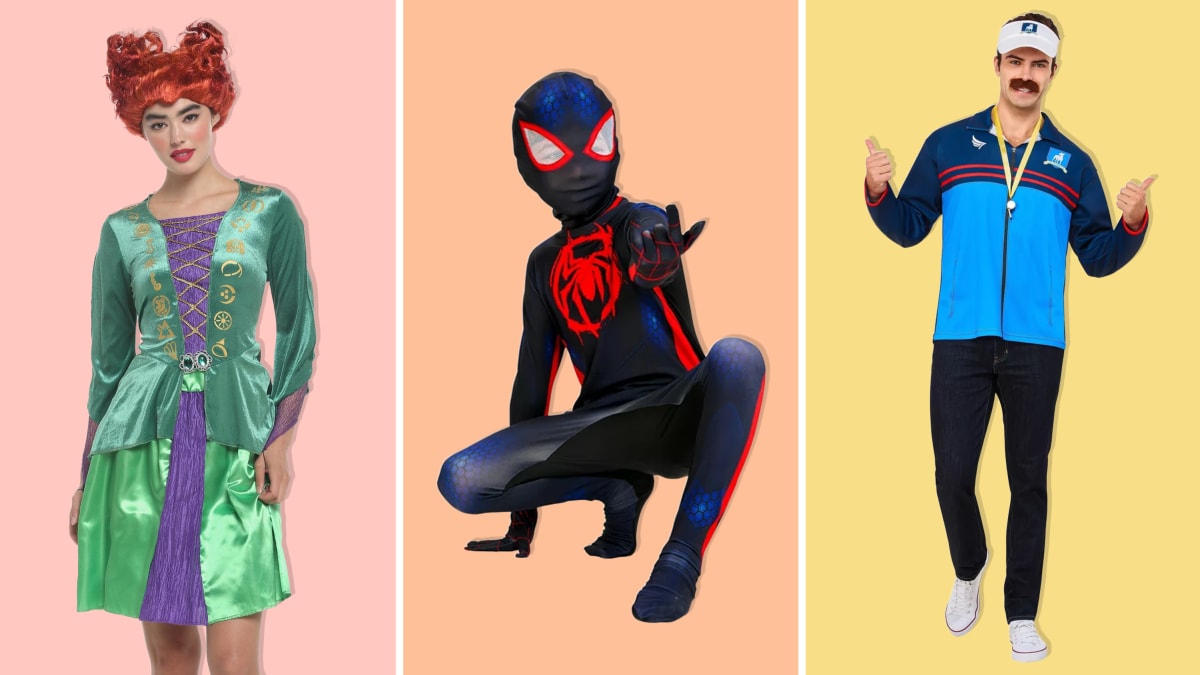
Major online retailers like Amazon, eBay, Walmart, and Target offer an unparalleled selection of Halloween costumes, accessories, and props.
- Convenience: The ability to browse thousands of options from the comfort of your home, compare prices with ease, and have items delivered directly to your door is a significant advantage. Prime shipping, in particular, can be a lifesaver for last-minute shoppers.
- Cost: While selection is vast, prices on these platforms can fluctuate wildly. Savvy shoppers utilize price comparison tools, track historical pricing data, and watch for flash sales. Additionally, consider the impact of shipping costs, especially for oversized items, which can quickly negate any initial savings. Bundling purchases or reaching free shipping thresholds can mitigate these additional expenses.
Peer-to-Peer Platforms: Unearthing Deals and Selling Old Costumes
Websites and apps like Facebook Marketplace, Craigslist, Nextdoor, and dedicated costume resale groups offer a treasure trove of pre-owned costumes at significantly reduced prices.
- Buyer’s Market: These platforms are ideal for finding gently used costumes, often at a fraction of their original retail price. You can often negotiate prices directly with sellers, potentially leading to even greater savings. This also promotes a circular economy, reducing waste and extending the life of costumes.
- Seller’s Opportunity: If you have costumes from previous years gathering dust, these platforms provide an excellent opportunity to recoup some of your original investment or even turn a profit. Photograph your items well, write clear descriptions, and price competitively. Selling old costumes can help offset the cost of new ones, effectively recycling your Halloween budget.
Affiliate Marketing Opportunities for Costume Enthusiasts
For those with a knack for blogging, social media influencing, or content creation, the Halloween season presents a lucrative opportunity for affiliate marketing.
- Monetizing Recommendations: By reviewing costumes, creating DIY guides, or showcasing Halloween looks, you can partner with costume retailers through affiliate programs. When your audience clicks your unique links and makes a purchase, you earn a commission.
- Content-Driven Income: This strategy allows you to turn your passion for Halloween into a side income stream. It requires building an engaged audience and providing genuine value, but the financial rewards can be substantial during peak Halloween shopping seasons.
Sustainable Spending: Eco-Friendly & Economical Costume Choices
Financial prudence can go hand-in-hand with environmental responsibility. Choosing sustainable options for Halloween costumes not only benefits the planet but often leads to significant cost savings.
Upcycling and Repurposing for Zero-Cost Creativity
The most budget-friendly and eco-conscious costumes often come from within your own home.
- Wardrobe Raids: Look through your closets for clothes, accessories, and shoes that can be reinterpreted into a costume. A trench coat might become a detective, a floral dress a hippy, or old athletic gear a retro fitness instructor.
- Household Items: Old cardboard boxes can transform into robots or cars. Sheets can become ghosts or toga wearers. Unused craft supplies, makeup, or even broken jewelry can all find new life in a costume. This method effectively translates existing household assets into a new purpose, costing nothing but time and imagination.
Local Thrift Stores: Hidden Gems and Budget-Friendly Finds
Second-hand shops are a goldmine for costume components.
- Affordable Variety: Thrift stores offer an ever-changing inventory of clothing, accessories, and sometimes even pre-made costumes at incredibly low prices. With patience and a keen eye, you can assemble unique and convincing costumes for a fraction of retail cost.
- Support Local and Sustainable: Shopping at thrift stores not only saves you money but also supports local charities (if applicable) and contributes to the circular economy by diverting items from landfills. It’s a win-win for your wallet and the environment.
Investing in Reusable Base Pieces
For families or individuals who celebrate Halloween annually, consider investing in versatile, high-quality base pieces that can be reused year after year.
- Neutral Basics: A black catsuit, a white button-down shirt, a plain tunic, or a sturdy pair of boots can serve as the foundation for countless different costumes. These pieces might cost a bit more upfront but will amortize their cost over multiple Halloweens.
- Accessorize for Variation: With a solid base, you only need to purchase or create new accessories each year to transform the outfit into an entirely new character. This strategy reduces annual spending and simplifies the costume creation process.
The Business of Halloween: Opportunities for Online Income
Beyond personal savings, the demand for Halloween costumes creates a vibrant market ripe with opportunities for entrepreneurs and side hustlers to generate online income. This seasonal surge in consumer spending can be a lucrative period for those prepared to tap into it.
Dropshipping Halloween Costumes
For those looking to enter the e-commerce space with minimal upfront investment, dropshipping Halloween costumes is an attractive model.
- Low Overhead: You don’t need to purchase inventory in advance. Instead, you partner with suppliers who ship directly to your customers. Your primary role is marketing and sales.
- Market Research and Niche Selection: Success hinges on identifying popular or niche costume trends, finding reliable suppliers, and effectively marketing your products. While competition can be fierce, focusing on specific categories (e.g., plus-size costumes, pet costumes, eco-friendly options) can carve out a profitable segment.
Crafting & Selling Unique Designs on Platforms like Etsy
For creative individuals, platforms like Etsy provide a global marketplace to sell handmade or unique Halloween costumes and accessories.
- Artisan Appeal: Handcrafted costumes, custom-painted masks, bespoke props, or unique accessory sets often command higher prices due to their originality and quality.
- Building a Brand: This avenue allows creators to develop a personal brand, showcase their artistic talents, and connect directly with customers willing to pay for unique, personalized items. Marketing through social media, especially platforms like Instagram and Pinterest, is key to reaching the target audience.

Reselling Used Costumes for Profit
As previously mentioned, peer-to-peer platforms are excellent for selling old costumes. However, an entrepreneurial twist on this involves actively acquiring used costumes and reselling them at a higher price.
- Strategic Sourcing: This involves scouring thrift stores, garage sales, and online marketplaces for high-quality, in-demand used costumes at low prices.
- Value Addition: You might clean, repair, or even slightly modify costumes to increase their appeal and perceived value before listing them for resale. This arbitrage model leverages your keen eye and effort to generate income, turning discarded items into profitable assets during the Halloween season.
In conclusion, the journey to acquire the perfect Halloween costume doesn’t have to be a drain on your finances. By adopting a financially conscious mindset, leveraging smart budgeting techniques, exploring diverse sourcing options, and even identifying opportunities for income generation, you can fully embrace the spirit of Halloween without compromising your financial well-being. Whether you’re a careful consumer or an aspiring Halloween entrepreneur, understanding the financial dynamics of this festive season is the key to a truly rewarding experience.
aViewFromTheCave is a participant in the Amazon Services LLC Associates Program, an affiliate advertising program designed to provide a means for sites to earn advertising fees by advertising and linking to Amazon.com. Amazon, the Amazon logo, AmazonSupply, and the AmazonSupply logo are trademarks of Amazon.com, Inc. or its affiliates. As an Amazon Associate we earn affiliate commissions from qualifying purchases.