
Bitcoin, the pioneering decentralized digital currency, has evolved from an obscure internet curiosity into a recognized, albeit volatile, asset class. Its allure stems from its potential for significant returns, its role as a hedge against inflation (often dubbed “digital gold”), and its foundational position in the burgeoning digital economy. For both seasoned investors looking to diversify their portfolios and newcomers curious about the digital asset space, the fundamental question remains: “Where can I purchase Bitcoin?” This guide aims to demystify the various avenues available, offering insights into their mechanisms, benefits, and drawbacks, to help you make informed decisions in your journey into cryptocurrency investing.
Understanding Bitcoin and Its Market Context
Before diving into the “how,” it’s crucial to understand the “what” and “why” of Bitcoin from an investment perspective. Bitcoin is more than just a digital token; it’s a revolutionary technology built on a decentralized network, secured by cryptography, and governed by a consensus mechanism. Its finite supply (capped at 21 million coins) and censorship-resistant nature contribute to its perceived value and investment thesis.
What is Bitcoin as an Investment Asset?
At its core, Bitcoin is a digital asset designed to function as a medium of exchange, a store of value, and a unit of account. As an investment, it represents a speculative play on the future adoption of decentralized digital money and blockchain technology. Investors are drawn to Bitcoin for several reasons: its historical performance, which has seen periods of exponential growth; its potential to disrupt traditional financial systems; and its perceived scarcity, which some argue makes it a robust inflation hedge similar to gold. Unlike traditional stocks or bonds, Bitcoin’s value is not tied to a company’s earnings or government backing, but rather to supply and demand dynamics, network effects, and public sentiment.
Why Invest in Bitcoin? (Considering the Risks)
The primary appeal of investing in Bitcoin lies in its high growth potential. Early adopters have seen life-changing returns, and many believe its best days are yet to come. It also offers portfolio diversification, as its price movements often exhibit a low correlation with traditional assets, though this can vary. For some, Bitcoin represents a philosophical investment in the future of finance – a belief in a permissionless, global, and transparent monetary system.
However, it’s paramount to acknowledge the significant risks. Bitcoin is infamous for its extreme price volatility; sharp corrections of 30% or more are not uncommon, and it’s susceptible to rapid downturns. Regulatory uncertainty, potential technological vulnerabilities, and the competitive landscape of other cryptocurrencies also pose considerable challenges. Therefore, any investment in Bitcoin should be approached with a clear understanding of these risks and should only constitute a portion of a diversified portfolio that an investor can afford to lose.
Key Considerations Before Buying
Before making your first purchase, a few foundational considerations are essential. Firstly, security is paramount. The decentralized nature of cryptocurrencies means you are your own bank; if you lose your private keys or fall victim to a scam, there’s often no recourse. Secondly, understand the regulatory landscape in your jurisdiction, including tax implications for capital gains. Thirdly, determine your investment horizon and risk tolerance. Are you looking for a short-term trade or a long-term hold? Your strategy will influence where and how you choose to buy Bitcoin. Finally, educate yourself continuously; the crypto space evolves rapidly.
Navigating the Main Avenues for Bitcoin Acquisition
The ecosystem for buying Bitcoin has matured considerably, offering a variety of platforms tailored to different levels of technical expertise and investment needs. From user-friendly centralized exchanges to more complex peer-to-peer networks, understanding each option is key to selecting the right fit.
Centralized Cryptocurrency Exchanges (CEXs): The Most Common Route
Centralized exchanges are the most popular and straightforward way for most people to buy Bitcoin. These platforms operate much like traditional stock exchanges, acting as intermediaries where buyers and sellers can trade digital assets. They offer high liquidity, user-friendly interfaces, and a range of services.
Pros and Cons of CEXs
Pros:
-
Ease of Use: Designed for beginners, with intuitive interfaces and guided purchasing processes.
-
High Liquidity: Large trading volumes ensure you can buy or sell Bitcoin quickly at competitive prices.
-
Diverse Payment Methods: Support for bank transfers, debit/credit cards, and sometimes other digital payment services.
-
Additional Services: Many offer staking, lending, derivatives trading, and interest-bearing accounts.
-
Regulatory Compliance: Most reputable CEXs adhere to Know Your Customer (KYC) and Anti-Money Laundering (AML) regulations, providing a layer of trust and legality.
Cons:
-
Centralized Risk: Holding your assets on an exchange means you don’t fully control your private keys, making you vulnerable to exchange hacks, operational failures, or regulatory interventions.
-
KYC Requirements: Mandatory identity verification can be seen as an invasion of privacy by some.
-
Fees: Various fees apply, including trading fees, deposit fees, and withdrawal fees, which can eat into profits.
-
Geographic Restrictions: Some exchanges may not operate in all countries or states.
Key Features to Look For in a CEX
When choosing a CEX, consider:
-
Security Measures: Look for features like two-factor authentication (2FA), cold storage for a majority of funds, insurance funds, and robust internal security protocols.
-
Fees Structure: Compare trading fees (maker/taker), deposit, and withdrawal fees. Some exchanges offer tiered fees based on trading volume.
-
Supported Payment Methods: Ensure your preferred method of funding is available.
-
Customer Support: Responsive and knowledgeable customer service is invaluable, especially for new investors.
-
Regulatory Status: Choose exchanges that are registered and compliant with financial regulations in relevant jurisdictions.
-
Reputation and Track Record: Research the exchange’s history, user reviews, and any past security incidents.
Prominent Examples of CEXs
-
Coinbase: One of the most popular and beginner-friendly exchanges, known for its strong regulatory compliance, security, and broad global reach. Offers a simple buying experience and advanced trading options through Coinbase Pro.
-
Binance: The largest cryptocurrency exchange by trading volume, offering a vast array of cryptocurrencies, advanced trading features, and lower fees for high-volume traders. It has a comprehensive ecosystem of products.
-
Kraken: Renowned for its institutional-grade security, competitive fees, and strong regulatory compliance. It’s often preferred by more experienced traders.
-
Gemini: Emphasizes security and regulatory compliance, making it a trusted option for institutional investors and those prioritizing safety. It also offers interest-earning programs.
Decentralized Exchanges (DEXs): For the More Advanced Investor
Decentralized exchanges allow users to trade cryptocurrencies directly with each other, without the need for an intermediary. This peer-to-peer model offers greater privacy and reduces the risks associated with centralized control, as users retain custody of their funds throughout the trading process.
Pros and Cons of DEXs
Pros:
-
Enhanced Security: Users maintain control of their private keys, mitigating the risk of exchange hacks.
-
Privacy: Often require less personal information for trading, appealing to those who value anonymity.
-
Censorship Resistance: Less susceptible to government intervention or freezing of funds.
Cons:
-
Complexity: Generally less user-friendly than CEXs, requiring a better understanding of blockchain wallets and smart contracts.
-
Lower Liquidity: Trading volumes can be lower, potentially leading to wider bid-ask spreads and slower execution for large orders.
-
Limited Fiat On-Ramps: Primarily designed for crypto-to-crypto trades, making it harder to convert traditional money into Bitcoin directly.
-
No Customer Support: If you make a mistake or encounter an issue, there’s no central authority to assist you.
How They Work
DEXs typically operate on smart contracts, which automate the trading process. Users connect their personal non-custodial wallets (e.g., MetaMask, Ledger) directly to the DEX interface, and trades are executed permissionlessly on the blockchain. While Bitcoin itself doesn’t have a native DEX ecosystem in the same way Ethereum does, wrapped Bitcoin (WBTC) on other chains or atomic swaps offer some decentralized avenues. However, for direct Bitcoin purchases with fiat, DEXs are not the primary solution.
Peer-to-Peer (P2P) Platforms: Direct Transactions
P2P platforms facilitate direct buying and selling of Bitcoin between individuals. The platform typically acts as an escrow service, holding the Bitcoin until both parties confirm the transaction, mitigating scam risks.
Pros and Cons of P2P Platforms
Pros:
-
Flexibility: A wide range of payment methods are often supported, including unconventional ones like gift cards.
-
Privacy: Can offer more anonymity than CEXs, though some platforms are increasing KYC requirements.
-
Global Reach: Connects buyers and sellers from various regions, potentially offering better rates in some niche markets.
Cons:
-
Scam Risk: Despite escrow services, there’s a higher potential for scams if users aren’t diligent.
-
Varying Prices: Prices can fluctuate significantly between sellers and platforms.
-
Slower Transactions: The process can be slower due to direct communication and manual confirmation.
Examples
Platforms like LocalBitcoins (which has evolved and reduced its focus on certain markets) and Paxful have historically been prominent in the P2P space, connecting buyers and sellers for direct exchanges. The key is to always use platforms with robust escrow and dispute resolution mechanisms.

Bitcoin ATMs: Convenience at a Price
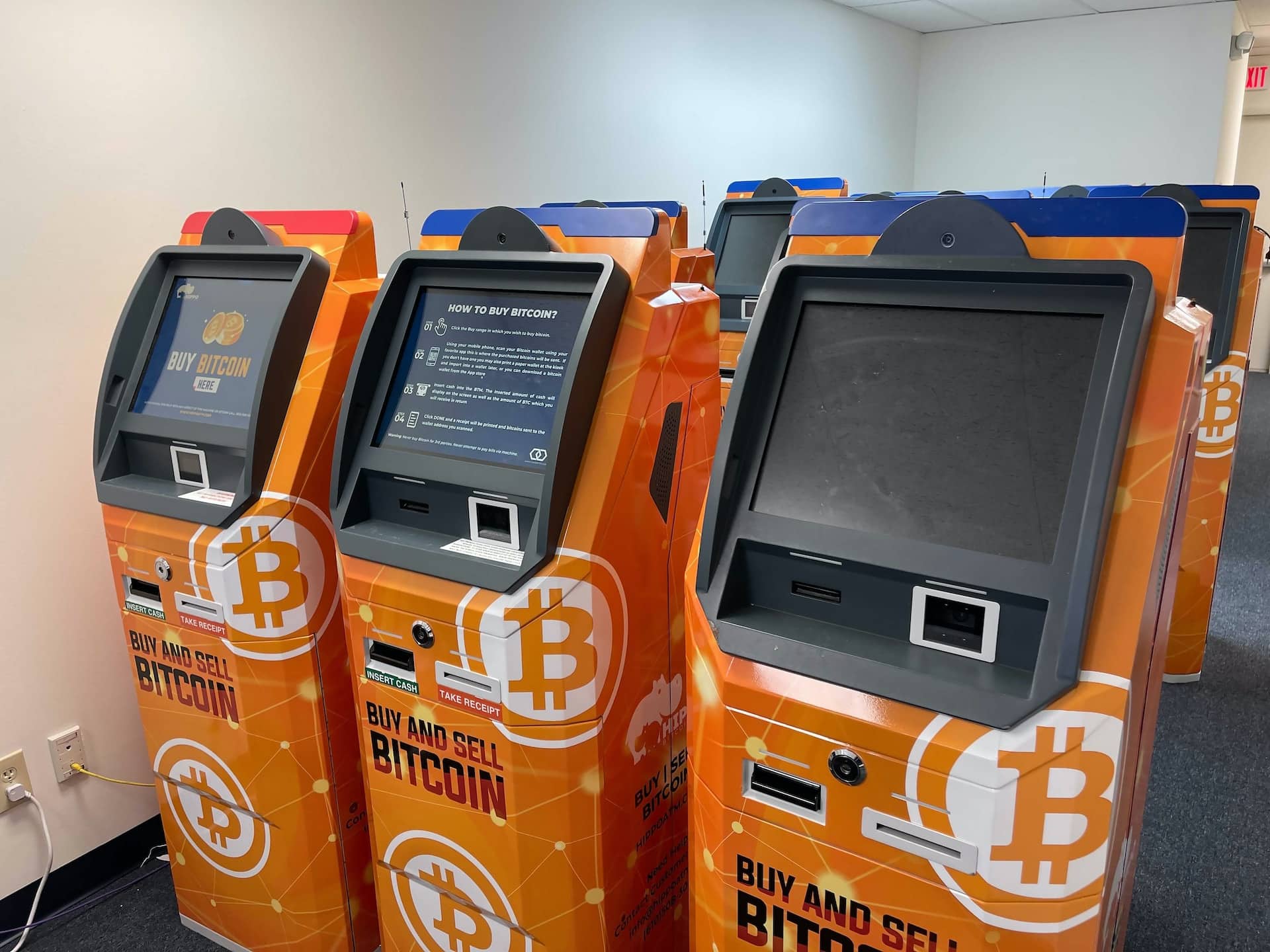
Bitcoin ATMs allow users to buy or sell Bitcoin using cash, offering a physical point of access to the cryptocurrency market. They are similar to traditional ATMs but instead of dispensing fiat currency, they facilitate the exchange of cash for Bitcoin, which is then sent to a user’s digital wallet.
Pros and Cons of Bitcoin ATMs
Pros:
-
Instant Access: Provides a quick way to acquire Bitcoin with cash.
-
Privacy (to an extent): Some ATMs allow small purchases without extensive KYC, though regulations are tightening.
-
Physical Presence: Offers a tangible point of interaction for those less comfortable with online platforms.
Cons:
-
High Fees: Bitcoin ATMs typically charge significantly higher transaction fees compared to online exchanges, often ranging from 5% to 15%.
-
Limited Availability: Not as widespread as traditional ATMs, and their geographical distribution can be uneven.
-
Price Discrepancy: The exchange rate offered might be less favorable than on online exchanges.
-
Security Concerns: Physical locations can pose security risks, and users must be careful about their surroundings.
Traditional Brokerage Platforms and Investment Products
The mainstream financial sector has gradually embraced Bitcoin, offering more familiar avenues for exposure, particularly through regulated investment products.
Pros and Cons of Brokerage Platforms and ETFs
Pros:
-
Familiarity and Trust: Operated by regulated financial institutions, offering a sense of security for traditional investors.
-
Regulatory Oversight: Subject to existing financial regulations, potentially offering more consumer protection.
-
Integration: Can be part of existing investment portfolios and managed alongside other assets.
-
Indirect Ownership: Bitcoin Exchange Traded Funds (ETFs) and similar products allow exposure without the complexities of direct crypto custody.
Cons:
-
Indirect Ownership: Investors don’t directly own Bitcoin, meaning they can’t use it for transactions or self-custody.
-
Limited Control: Investment decisions are often managed by the product issuer or platform.
-
Fees: Management fees and expense ratios apply to ETFs and similar products.
-
Limited Options: The range of Bitcoin-related products on traditional platforms may be narrower than direct exchange offerings.
Examples
-
PayPal/Venmo: Offer a simplified way to buy, hold, and sell Bitcoin directly within their established payment apps, primarily for US users. While convenient, these platforms usually don’t allow users to transfer Bitcoin off-platform to personal wallets.
-
Robinhood: A popular trading app that allows users to buy and sell Bitcoin alongside stocks and other assets. Similar to PayPal, it generally restricts transfers to external wallets, meaning you don’t control the private keys.
-
Bitcoin Exchange Traded Funds (ETFs): The approval of spot Bitcoin ETFs in major markets marks a significant milestone. These ETFs (e.g., BlackRock’s IBIT, Fidelity’s FBTC) allow investors to gain exposure to Bitcoin’s price movements through a traditional brokerage account, without having to deal with exchanges, wallets, or private keys. The ETF holds the actual Bitcoin, and its shares trade on stock exchanges. This is becoming a preferred method for many institutional and retail investors seeking regulated, convenient access.
The Mechanics of a Bitcoin Purchase
Regardless of the platform, the basic steps to acquire Bitcoin generally follow a similar pattern.
Setting Up an Account (KYC/AML)
For most reputable centralized exchanges and traditional brokerage platforms, the first step is to create an account. This typically involves providing personal information (name, address, date of birth) and undergoing Know Your Customer (KYC) verification, which includes submitting government-issued ID and sometimes proof of address. This is a regulatory requirement designed to prevent money laundering and terrorist financing.
Funding Your Account
Once your account is verified, you’ll need to fund it. Common methods include:
-
Bank Transfers (ACH/SEPA): Often the most cost-effective method, but can take a few business days to clear.
-
Debit/Credit Cards: Offer instant funding but usually come with higher fees due to processing costs.
-
Wire Transfers: Good for larger sums but can also be slower and have higher fees.
-
Other Cryptocurrencies: If you already own other digital assets, you can often deposit them and trade for Bitcoin.
Placing an Order
With funds in your account, you can place an order to buy Bitcoin.
-
Market Order: Instructs the exchange to buy Bitcoin immediately at the best available price. This is simple but doesn’t guarantee a specific price.
-
Limit Order: Allows you to set a specific price at which you wish to buy Bitcoin. The order will only execute if Bitcoin reaches that price or lower. This gives you more control over your purchase price.
Securing Your Investment
After purchasing Bitcoin, you face a critical decision: where to store it.
-
Exchange Custody (Hot Wallet): Leaving your Bitcoin on the exchange in their “hot wallet” (online storage) is convenient for quick trading but carries the risk of hacks or exchange insolvency. This is a common starting point for beginners.
-
Self-Custody (Cold Wallet): For more security, it’s highly recommended to transfer your Bitcoin to a personal wallet where you control the private keys.
-
Hardware Wallets (Cold Storage): Physical devices (e.g., Ledger, Trezor) that store your private keys offline, offering the highest level of security against online threats. Ideal for long-term holding (“hodling”).
-
Software Wallets (Hot Wallets): Applications on your computer or smartphone (e.g., Exodus, Electrum) that are more convenient for smaller amounts and frequent transactions, but still less secure than hardware wallets due to their online connectivity.
-
Essential Considerations for Safe and Strategic Investing
Investing in Bitcoin requires more than just knowing where to buy it; it demands a strategic mindset and a commitment to security best practices.
Security Best Practices
-
Enable 2FA: Always enable two-factor authentication on all your exchange accounts and wallets.
-
Strong, Unique Passwords: Use complex, unique passwords for each crypto-related service. A password manager can help.
-
Beware of Phishing: Always double-check URLs and sender emails to avoid phishing scams.
-
Verify Addresses: When sending Bitcoin, meticulously verify the recipient address. A single incorrect character can lead to irreversible loss.
-
Seed Phrase Management: If using a self-custody wallet, secure your seed phrase (recovery phrase) offline and never share it with anyone.
-
Regular Backups: Back up your wallet data (if applicable) and store backups securely.
Understanding Fees
Be aware of the various fees involved:
-
Trading Fees: Charged by exchanges for buying or selling.
-
Deposit/Withdrawal Fees: Fees for moving fiat or crypto in and out of an exchange.
-
Network Fees (Miner Fees): Paid to miners to process your transaction on the blockchain. These are independent of the exchange.
-
Management Fees: For investment products like Bitcoin ETFs.
These fees can significantly impact your overall returns, especially for frequent traders or small transactions.
Regulatory Landscape and Tax Implications
The regulatory environment for cryptocurrencies is still evolving globally. It’s crucial to understand the laws in your country regarding crypto ownership, trading, and taxation. In many jurisdictions, Bitcoin is treated as property for tax purposes, meaning capital gains (profits from selling) are taxable. Keep meticulous records of all your transactions to facilitate accurate tax reporting. Consult with a tax professional specializing in cryptocurrencies for personalized advice.
Risk Management
-
Only Invest What You Can Afford to Lose: Due to Bitcoin’s volatility, never invest funds essential for your living expenses.
-
Dollar-Cost Averaging (DCA): Instead of making a single large purchase, invest a fixed amount of money regularly (e.g., weekly or monthly). This strategy helps mitigate the impact of price volatility by averaging out your purchase price over time.
-
Diversification: While Bitcoin can be a component of a diversified portfolio, it’s generally unwise to put all your investment capital into a single, highly volatile asset.
-
Research Thoroughly: Never invest based on hype or without conducting your own extensive research.
The Future of Bitcoin Acquisition
The avenues for purchasing Bitcoin are continuously expanding and refining. The approval of spot Bitcoin ETFs in the US is a game-changer, integrating Bitcoin into traditional investment vehicles and making it accessible to a broader audience through familiar brokerage accounts. As regulatory clarity increases and technology advances, we can expect even more seamless, secure, and integrated methods for acquiring Bitcoin. The trend points towards greater mainstream adoption, lower barriers to entry, and increased institutional participation, further solidifying Bitcoin’s place within the global financial landscape.
In conclusion, purchasing Bitcoin has never been more accessible, yet the responsibility for secure and informed investing remains firmly with the individual. By understanding the diverse platforms, adhering to security best practices, and approaching the market with a strategic mindset, investors can confidently navigate the exciting world of digital assets and potentially harness the transformative power of Bitcoin.
aViewFromTheCave is a participant in the Amazon Services LLC Associates Program, an affiliate advertising program designed to provide a means for sites to earn advertising fees by advertising and linking to Amazon.com. Amazon, the Amazon logo, AmazonSupply, and the AmazonSupply logo are trademarks of Amazon.com, Inc. or its affiliates. As an Amazon Associate we earn affiliate commissions from qualifying purchases.