
Navigating the complexities of the U.S. tax system can often feel daunting, and one fundamental aspect that frequently generates questions is how and where to submit payments to the Internal Revenue Service (IRS). While digital payment options have gained significant traction and are often encouraged for their efficiency and security, mailing a check or money order remains a valid and necessary method for many taxpayers. Understanding the correct procedures, addresses, and best practices for sending your IRS payment by mail is crucial to ensure your payment is processed accurately and on time, avoiding potential penalties and interest. This guide aims to demystify the process, providing clear, actionable insights into where and how to mail your IRS payments, firmly positioning itself within the realm of personal and business finance management.
Understanding IRS Payment Methods Beyond Mailing
Before diving into the specifics of mailing payments, it’s vital to recognize the broader landscape of payment options available to taxpayers. The IRS actively promotes electronic payment methods due to their speed, accuracy, and convenience. However, not everyone has access to these tools, or some may simply prefer traditional methods. Acknowledging these alternatives provides context and helps taxpayers make informed decisions about their preferred payment route, even when their primary focus is on mailing.
Electronic Payment Options
The IRS has invested heavily in digital solutions to streamline tax payments, offering several reliable electronic methods:
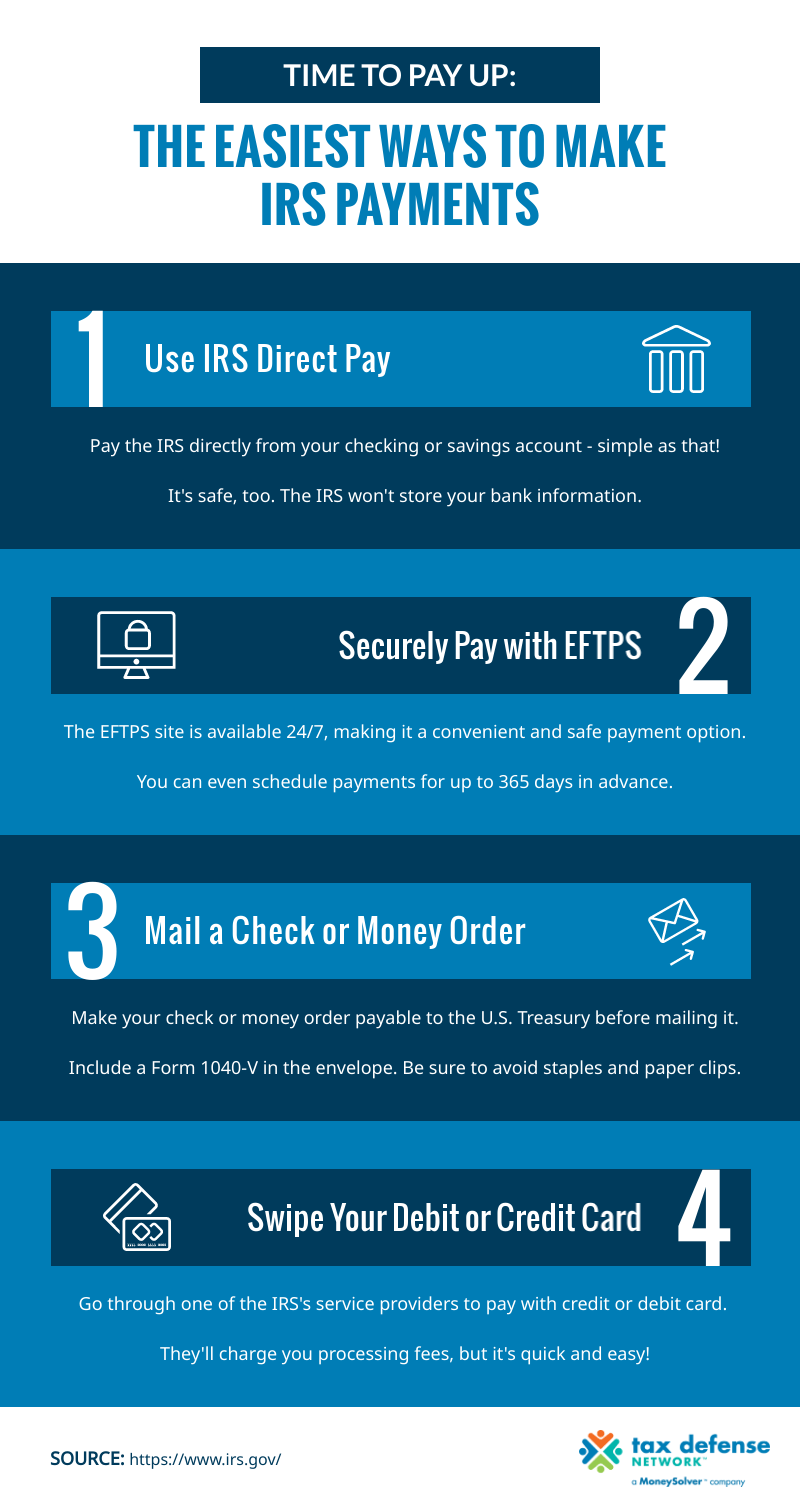
- IRS Direct Pay: This free service allows individuals and businesses to pay directly from their checking or savings account. It’s user-friendly, requires no registration, and offers instant confirmation. It can be used for various tax forms and periods, including estimated taxes.
- EFTPS (Electronic Federal Tax Payment System): Designed primarily for businesses but also available to individuals, EFTPS allows taxpayers to schedule payments up to 365 days in advance. It requires enrollment and is particularly useful for employers and businesses making recurring payments like payroll taxes.
- Debit Card, Credit Card, or Digital Wallet: Taxpayers can pay their federal taxes using a credit card, debit card, or digital wallet through various authorized third-party processors. While convenient, these services typically involve a processing fee charged by the third party, not the IRS. This option provides flexibility for those who want to earn credit card rewards or manage cash flow.
- Bank Wire: For large payments, especially those originating internationally, a bank wire transfer might be an option. However, this is less common for individual taxpayers and usually involves specific instructions from the IRS regarding the wire destination.
In-Person Cash Payments
For taxpayers who prefer or need to pay with cash, the IRS has partnered with various retail stores across the country. Through the Pay with Cash system, individuals can convert cash into an electronic payment. This method requires a payment barcode, which can be obtained online or through IRS correspondence, and then presented at a participating retail location. This bridges the gap for those without bank accounts or who simply wish to handle their payments physically without using checks or money orders.
The Essentials of Mailing Your IRS Payment
Despite the push for digital, mailing remains a critical channel for IRS payments. Whether it’s due to preference, system limitations, or specific tax situations, many taxpayers will find themselves needing to send a physical payment. The key to successful mailed payments lies in accuracy, understanding specific requirements, and adhering to best practices.
Determining the Correct Mailing Address
The most frequent question related to mailed IRS payments is: “Where do I send it?” There isn’t a single, universal address for all IRS payments. The correct mailing address is determined by several factors, including:
- The type of tax form you are filing: Different forms (e.g., Form 1040 for individuals, Form 1120 for corporations, Form 1040-ES for estimated taxes) often have distinct mailing instructions.
- Your geographic location: The IRS maintains various processing centers across the country. Your state of residence or the state where your business is headquartered will often dictate which service center you should use.
- Whether you are sending a payment with a return or a payment without a return: For instance, if you’re filing your annual tax return (Form 1040) and owe taxes, the payment is typically sent with the return to a specific address. If you’ve already filed your return and are sending a payment for a balance due or an estimated tax payment, the address might be different, often requiring a payment voucher.
Crucial Advice: Always consult the official IRS website (IRS.gov) or the specific instructions for the tax form you are completing. These resources provide the most current and accurate mailing addresses. Looking at previous year’s forms or relying on outdated information can lead to significant delays and potential penalties.
What to Include in Your Mailed Payment
Sending a payment without proper identification or the correct accompanying documents can lead to processing delays or misapplication of your payment. Here’s what you should always include:
- Check or Money Order: Never send cash through the mail. Make your check or money order payable to the “U.S. Treasury.”
- Payment Details on the Check/Money Order: Clearly write your:
- Full Name and Address (if not already printed)
- Daytime Phone Number
- Social Security Number (SSN) or Employer Identification Number (EIN) – This is critical for the IRS to correctly identify your payment.
- Tax Year for which the payment is being made (e.g., “2023”).
- Related Tax Form or Notice Number (e.g., “Form 1040,” “Form 1040-ES,” “Notice CP2000”).
- Payment Voucher: If you are sending a payment separately from your tax return (e.g., estimated taxes, a balance due after filing), you will almost always need to include a payment voucher.
- Form 1040-V (Payment Voucher): Used with Form 1040, 1040-SR, or 1040-NR when making a payment.
- Form 1040-ES (Estimated Tax for Individuals): Used for quarterly estimated tax payments.
- Other forms (e.g., Form 1120-W for corporations) also have specific vouchers. Fill out these vouchers accurately, as they contain critical information for linking your payment to your tax account.
Tips for Secure Mailing
Ensuring your payment reaches the IRS securely and efficiently is paramount. Consider these tips:
- Use Certified Mail with Return Receipt: This service from the U.S. Postal Service (USPS) provides proof of mailing on a specific date and confirmation of delivery. It’s an invaluable record if there’s ever a dispute or question about whether your payment was sent or received.
- Keep Copies: Make photocopies of your check or money order, the payment voucher, and any accompanying tax forms. This record keeping is vital for your financial archives.
- Mail Well in Advance: Do not wait until the last minute. While the IRS generally adheres to the “postmark rule” (meaning the date postmarked by the USPS is considered the payment date, not the date of receipt), mailing close to the deadline increases the risk of delays, lost mail, or missing the postmark.
- Address Clearly and Correctly: Double-check the mailing address. Use a legible handwriting or print a label. Incorrect or unclear addressing can lead to misdirection and significant delays.
Specific Scenarios for Mailing IRS Payments

The need to mail payments arises in various tax situations. Understanding these specific contexts will further clarify the mailing process.
Mailing Payments with Your Annual Tax Return (Form 1040, etc.)
When you file your annual income tax return (e.g., Form 1040, 1040-SR, 1040-NR) and owe a balance, you can choose to mail a check or money order along with your return. The instructions for each form will specify the correct mailing address based on your state of residence. Remember to include Form 1040-V, the payment voucher, even when sending it with your return. This ensures your payment is correctly applied.
Mailing Estimated Tax Payments (Form 1040-ES)
For self-employed individuals, gig workers, retirees, or anyone with income not subject to sufficient withholding, estimated taxes are a quarterly obligation. If you choose not to pay electronically, you must mail your payments using Form 1040-ES vouchers. Each voucher corresponds to a specific payment period (e.g., January 1 to March 31, April 1 to May 31, etc.) with its own deadline. The mailing address for Form 1040-ES payments also varies by state, so always refer to the instructions provided with the form.
Mailing Payments for Business Taxes (Form 1120, Form 941, etc.)
While many businesses are required or strongly encouraged to use electronic payment methods like EFTPS for payroll taxes (Form 941, 940) or corporate income tax (Form 1120), some smaller businesses or specific forms may still allow mailed payments. Similar to individual taxes, these payments often require specific vouchers (e.g., Form 1120-W for corporate estimated tax) and are sent to addresses determined by the business’s location and the type of form. Businesses should meticulously follow the instructions for their specific tax forms to avoid errors.
Payments for Prior Tax Years or Assessments
If you receive a notice from the IRS for a balance due from a prior tax year, an audit assessment, or an amended return, you will typically be provided with specific payment instructions. These usually include a payment coupon or voucher and the correct mailing address. Always use the provided coupon or clearly reference the notice number on your check/money order to ensure your payment is accurately applied to the correct outstanding balance.
Crucial Considerations and Best Practices
Successful tax compliance extends beyond simply sending a payment; it involves understanding deadlines, potential consequences, and knowing when to seek expert guidance.
Understanding Payment Deadlines
The IRS’s “postmark rule” is a critical concept for mailed payments. Generally, if your payment envelope is postmarked by the due date, it is considered timely, even if the IRS receives it a few days later. However, this rule typically applies only to the U.S. Postal Service. Private delivery services (like FedEx or UPS) must be IRS-approved and adhere to specific requirements for their postmark to count.
Always be mindful of weekends and holidays. If a payment deadline falls on a Saturday, Sunday, or legal holiday, the deadline is typically extended to the next business day. However, it is always safer to send payments well in advance to avoid any last-minute complications.
Consequences of Late or Incorrect Payments
Failing to pay your taxes on time or mailing an incorrect payment can lead to penalties and interest.
- Failure to Pay Penalty: This is typically 0.5% of the unpaid taxes for each month or part of a month that taxes remain unpaid, capped at 25% of your unpaid balance.
- Interest: Interest can be charged on underpayments, and it accrues daily. The interest rate is determined quarterly by the IRS.
- Accuracy-Related Penalties: These can be imposed if you substantially understate your tax liability or fail to report certain income.
The IRS often offers penalty relief for reasonable cause, but it’s always best to avoid these situations by ensuring timely and accurate payments.
When to Seek Professional Advice
For complex tax situations, large payment amounts, or if you’re facing unresolved issues with the IRS, seeking advice from a qualified tax professional (such as a Certified Public Accountant or Enrolled Agent) is highly recommended. They can help clarify mailing instructions, ensure proper compliance, and assist in navigating any disputes or challenges with the IRS. Their expertise can save you time, stress, and potential financial penalties.
Conclusion
Mailing your IRS payment remains a viable and necessary option for many taxpayers. While electronic methods offer unparalleled convenience and security, understanding the nuances of sending a physical check or money order is fundamental to effective personal and business finance management. By meticulously verifying mailing addresses, including all necessary identification details, utilizing payment vouchers, and adhering to best practices for secure mailing and timely submission, taxpayers can confidently fulfill their obligations.
Always remember to consult the official IRS website (IRS.gov) or the instructions accompanying your specific tax forms for the most accurate and up-to-date mailing information. Choosing the right payment method and executing it flawlessly is a cornerstone of responsible financial stewardship, ensuring your contributions are accurately and efficiently recorded by the U.S. Treasury.
aViewFromTheCave is a participant in the Amazon Services LLC Associates Program, an affiliate advertising program designed to provide a means for sites to earn advertising fees by advertising and linking to Amazon.com. Amazon, the Amazon logo, AmazonSupply, and the AmazonSupply logo are trademarks of Amazon.com, Inc. or its affiliates. As an Amazon Associate we earn affiliate commissions from qualifying purchases.