
For countless businesses across the United States, managing payroll taxes is a critical, ongoing responsibility. Among the most essential tasks is the accurate and timely submission of Form 941, the Employer’s Quarterly Federal Tax Return, often accompanied by a payment. While digital solutions have streamlined many aspects of tax compliance, the need to understand the physical mailing process persists, especially for businesses that haven’t fully transitioned to electronic filing or have specific reasons to submit paper forms. This comprehensive guide delves into the nuances of where to mail Form 941 when including a payment, ensuring your business remains compliant and avoids unnecessary penalties.
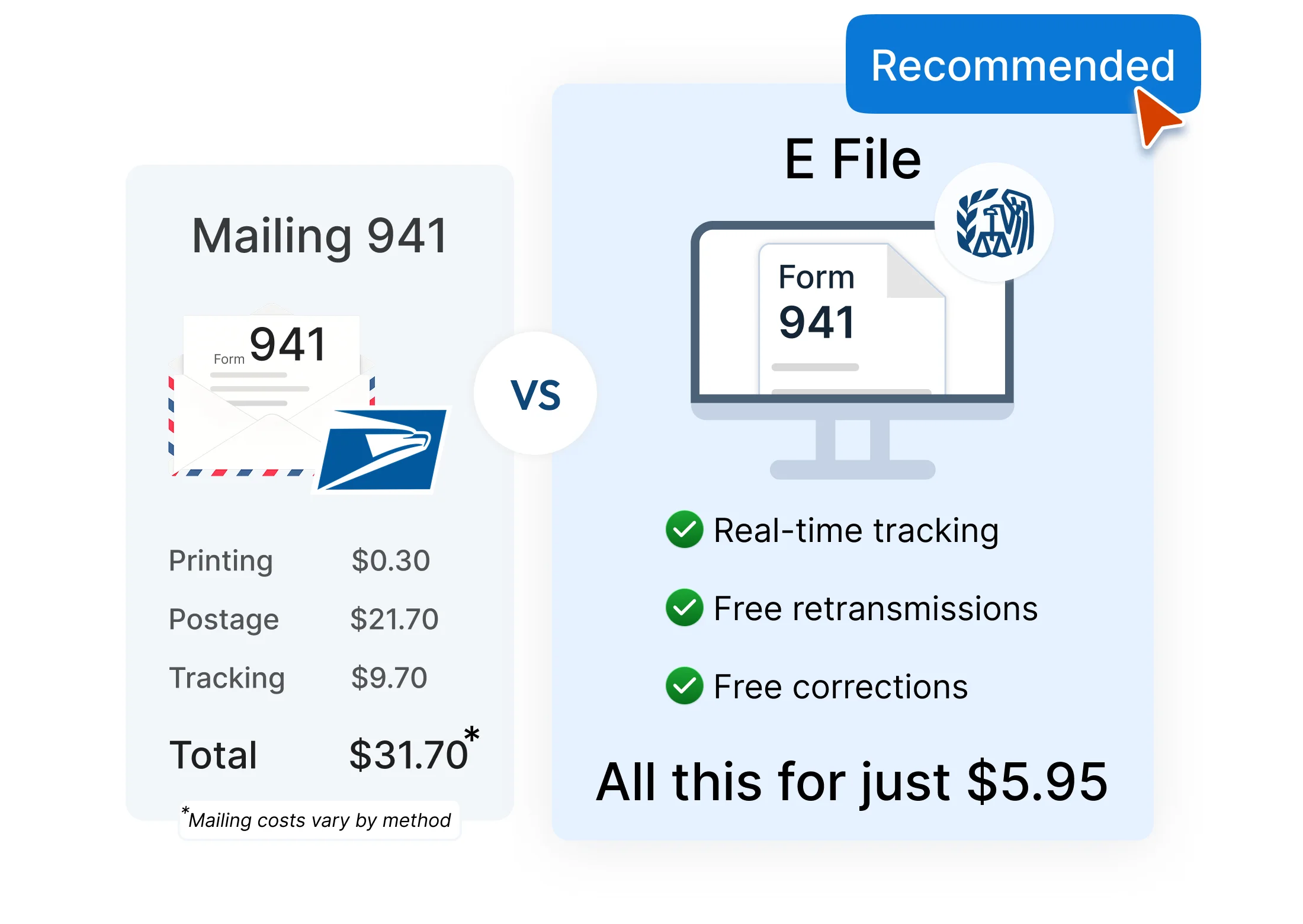
Understanding the correct mailing address isn’t merely a logistical detail; it’s a fundamental component of effective business finance management. An incorrectly addressed form can lead to delays, missed deadlines, and a cascade of problems, including penalties and interest charges. Therefore, equipping yourself with precise information about IRS mailing procedures is an invaluable asset for any employer. We’ll explore the specifics of physical submission, highlight the critical differences based on your location and payment status, and discuss electronic alternatives that offer efficiency and security.
Understanding Form 941: Your Quarterly Federal Tax Responsibility
Before addressing the practicalities of mailing, it’s crucial to grasp the significance of Form 941 itself. This document is not just another piece of paperwork; it’s a cornerstone of federal tax reporting for most employers.
Who Needs to File Form 941?
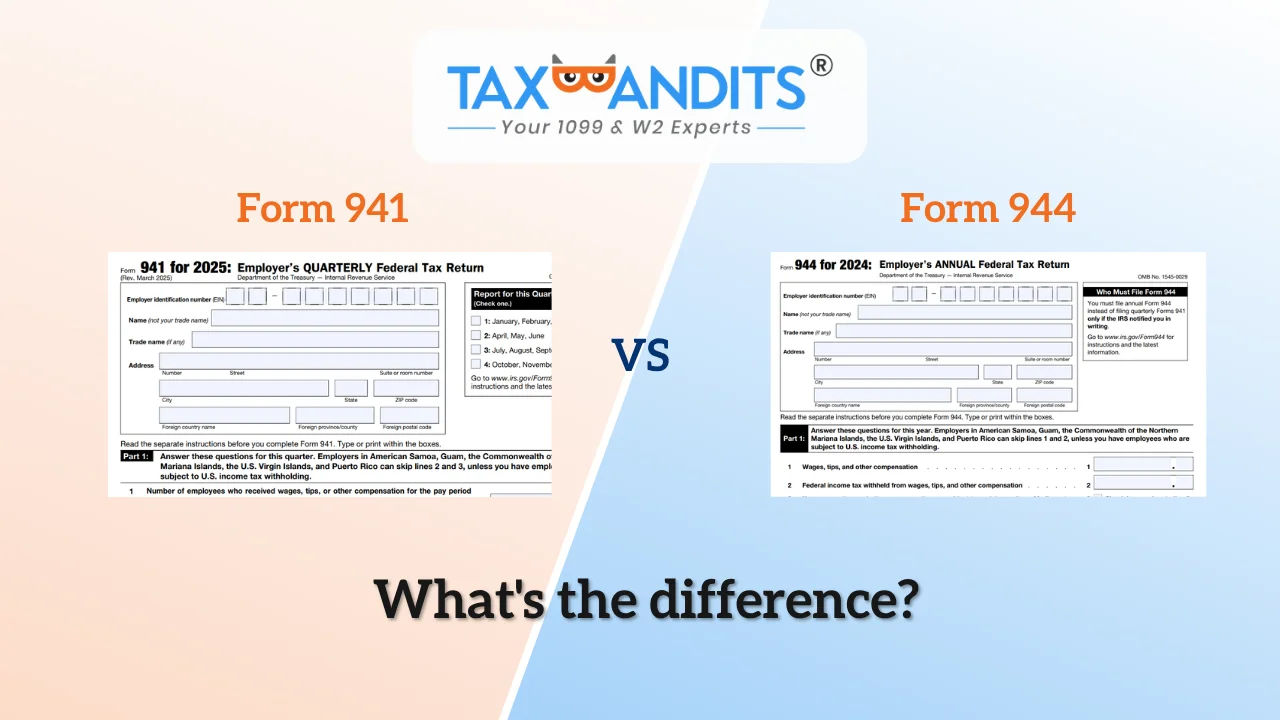
Virtually every employer who pays wages subject to income tax withholding, social security tax, or Medicare tax must file Form 941 quarterly. This includes corporations, partnerships, sole proprietorships, and even some non-profit organizations. There are a few exceptions, such as seasonal employers (who may not need to file for quarters in which they pay no wages), employers of agricultural workers (who file Form 943), and employers of household employees (who file Schedule H, Form 1040). For the vast majority of businesses with employees, Form 941 is a mandatory quarterly report.
What Does Form 941 Report?
Form 941 is used to report the federal income tax you withheld from your employees’ paychecks, as well as the employer’s and employee’s share of Social Security and Medicare taxes (FICA taxes). It details:
- The total wages, tips, and other compensation paid to employees.
- The federal income tax withheld from those wages.
- The taxable Social Security and Medicare wages.
- The total Social Security and Medicare taxes (both employer and employee portions).
- Any current quarter adjustments to Social Security and Medicare taxes.
- Your total tax liability for the quarter, including any adjustments and deposits made.
Accurate reporting on Form 941 is vital because it ensures that the correct amounts are remitted to the IRS on behalf of your employees and your business.
The Importance of Timely Filing and Payment
The IRS operates on strict deadlines. Failing to file Form 941 on time, or failing to deposit payroll taxes on time, can result in significant penalties. These penalties can range from 2% to 15% of the underpaid amount, depending on how late the payment is. Interest can also be charged on unpaid amounts. Moreover, repeated non-compliance can lead to more severe enforcement actions. Timely and accurate submission is not just about avoiding penalties; it’s about maintaining financial integrity and operational solvency for your business. It is a key aspect of responsible business finance.
Navigating the Mailing Process for Form 941
For businesses opting for physical submission of Form 941, knowing the precise mailing address is paramount. The IRS uses different addresses based on several factors, primarily your business’s geographic location and whether you are including a payment with your return.
Identifying the Correct IRS Mailing Address
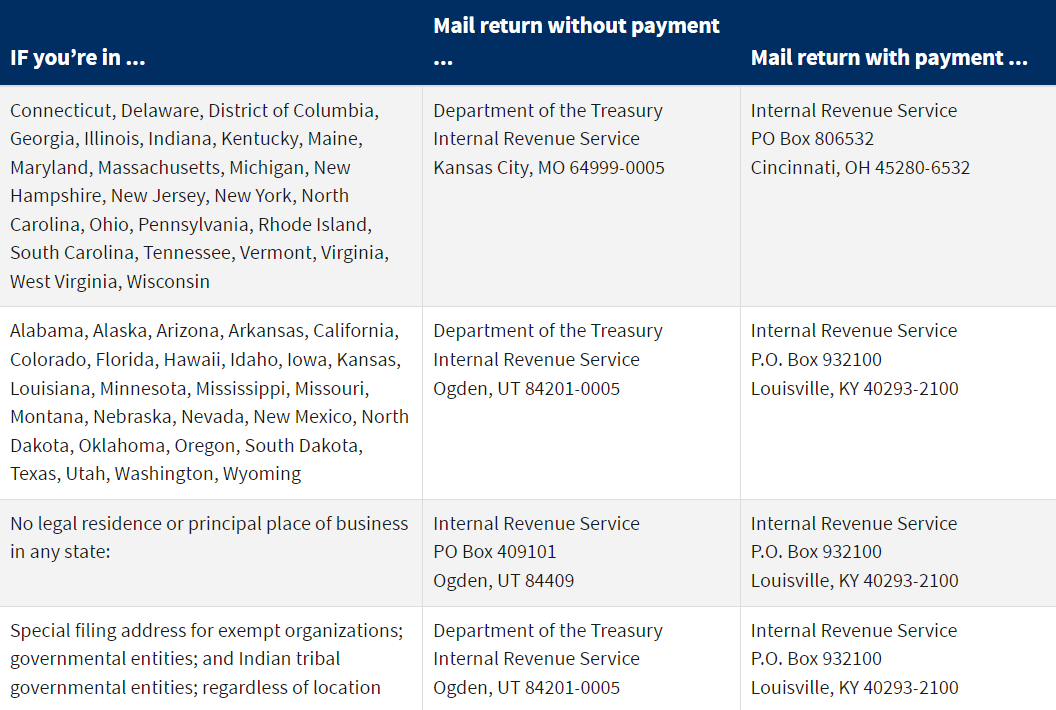
The IRS maintains various service centers across the country, each responsible for processing returns from specific states or regions. Critically, the address you use for Form 941 with payment is different from the address used for Form 941 without payment. This distinction is designed to streamline processing for returns that involve financial transactions.
State-Specific Mailing Addresses for Form 941 with Payment
The most current and reliable source for IRS mailing addresses is always the official IRS website or the instructions booklet for Form 941 (Form 941-V, Payment Voucher). However, for general guidance, here’s a representation of how mailing addresses are typically structured, based on the state where your business is located and whether you are including a payment:
-
For Businesses in Connecticut, Delaware, District of Columbia, Florida, Georgia, Illinois, Indiana, Kentucky, Maine, Maryland, Massachusetts, Michigan, New Hampshire, New Jersey, New York, North Carolina, Ohio, Pennsylvania, Rhode Island, South Carolina, Tennessee, Vermont, Virginia, West Virginia, Wisconsin:
Department of the Treasury
Internal Revenue Service
Kansas City, MO 64999-0005 -
For Businesses in Alabama, Arizona, Arkansas, California, Colorado, Idaho, Iowa, Kansas, Louisiana, Minnesota, Mississippi, Missouri, Montana, Nebraska, Nevada, New Mexico, North Dakota, Oklahoma, Oregon, South Dakota, Texas, Utah, Washington, Wyoming:
Department of the Treasury
Internal Revenue Service
Ogden, UT 84201-0005 -
For Businesses in Alaska, Hawaii, any U.S. possession or territory, or filing from a foreign country:
Department of the Treasury
Internal Revenue Service
Cincinnati, OH 45999-0005
Important Note: These addresses are subject to change. Always consult the official IRS instructions for Form 941 (specifically the Form 941-V, Payment Voucher) for the most up-to-date information before mailing your return and payment. Using an outdated or incorrect address can lead to significant processing delays and potential penalties.
When sending payment, it’s customary to include Form 941-V, Payment Voucher, along with your check or money order. This voucher ensures that your payment is correctly attributed to your account.
Special Considerations for Private Delivery Services
While the U.S. Postal Service (USPS) is the most common method for mailing tax documents, the IRS also designates certain private delivery services (PDS) as acceptable for timely mailing. If you choose to use a PDS, you must use a designated service and obtain proof of mailing. Approved PDS companies and their designated services are listed in IRS Publication 15, Circular E, Employer’s Tax Guide, and on the IRS website. When using a PDS, the mailing addresses may vary slightly from those used for USPS, often including a street address instead of a P.O. Box. Again, always verify the specific PDS-approved addresses.
What if You’re Not Including Payment?
It’s crucial to reiterate that the mailing addresses differ when you are not including a payment with Form 941. Businesses that are monthly or semi-weekly depositors generally make their tax deposits electronically through the Electronic Federal Tax Payment System (EFTPS), meaning their Form 941 submissions will typically not include a physical check. In such cases, the mailing addresses are often different from those listed above. For example, some states might send their non-payment forms to a different IRS processing center or a different P.O. Box within the same center. Always refer to the official IRS instructions for the correct “without payment” addresses.
The Critical Role of Accurate Address Selection
Choosing the correct address is a seemingly simple step that carries significant weight in tax compliance. Misdirected mail can result in:
- Late Filing Penalties: Even if your form was sent before the deadline, if it goes to the wrong address and is delayed, the IRS may consider it late.
- Late Payment Penalties: Similar to filing, if your payment is delayed due to an incorrect address, you could face penalties and interest.
- Processing Delays: The IRS might need to redirect your mail internally, slowing down the processing of your return and potentially causing issues with your account.
- Lost Mail: In rare cases, mail sent to an incorrect or non-existent address could be lost entirely, necessitating a re-filing and potential complications.
Always double-check the address against the official IRS instructions immediately before mailing.
Electronic Alternatives: Modernizing Your Tax Compliance
While understanding the physical mailing process is essential, the IRS strongly encourages and widely promotes electronic filing and payment options. These methods offer increased efficiency, accuracy, and security for businesses.
The Advantages of E-filing Form 941
Electronic filing (e-filing) for Form 941 offers numerous benefits:
- Faster Processing: E-filed returns are processed much quicker than paper returns.
- Increased Accuracy: E-filing software often includes built-in checks that help identify errors before submission, reducing the likelihood of mistakes.
- Confirmation of Receipt: You receive an immediate confirmation that your return has been successfully submitted to the IRS.
- Convenience: You can file from anywhere with an internet connection, often through your payroll software provider or an approved tax professional.
- Reduced Paperwork: E-filing minimizes physical paperwork, reducing storage needs and environmental impact.
Many payroll software solutions are integrated with e-filing capabilities, making the process seamless for businesses already managing payroll electronically.
Using EFTPS for Federal Tax Payments
The Electronic Federal Tax Payment System (EFTPS) is the primary method for businesses to make federal tax payments electronically. For most businesses, especially those with an annual payroll tax liability of $2,500 or more, using EFTPS is mandatory. Even if not mandatory, it is highly recommended.
Setting Up and Making Payments with EFTPS
- Enrollment: Businesses must enroll in EFTPS, which can be done online at EFTPS.gov or by calling the enrollment helpline. You will receive a PIN and an Internet password via postal mail.
- Scheduling Payments: Once enrolled, you can schedule payments online or by phone up to 365 days in advance. This allows for proactive financial planning and ensures payments are made on time.
- Payment Deadlines: Payments must be scheduled by 8:00 p.m. ET the day before the due date to be considered timely.
- Confirmation: EFTPS provides an immediate confirmation number, which serves as proof of payment.
EFTPS handles various types of federal tax payments, including payroll taxes (Form 941 liabilities), estimated taxes, and corporate income taxes. It’s a secure, reliable, and free service provided by the U.S. Department of the Treasury.
When E-filing and EFTPS Are Not an Option
While electronic methods are strongly encouraged, there might be situations where a business cannot or chooses not to use them. These could include:
- New Businesses: Still in the process of setting up EFTPS enrollment.
- Technical Difficulties: Temporary internet outages or software issues.
- Specific Business Policies: Some small businesses or those with limited digital infrastructure might prefer paper-based processes.
- No E-file Mandate: Certain very small businesses might not be subject to e-file mandates.
In these scenarios, understanding the correct physical mailing address becomes even more critical for maintaining compliance.
Key Deadlines, Penalties, and Best Practices
Successful financial compliance with Form 941 involves more than just knowing where to send it; it requires an acute awareness of deadlines, an understanding of potential penalties, and the adoption of best practices.
Quarterly Due Dates for Form 941
Form 941 is a quarterly return, meaning it’s due four times a year. The general due dates are:
- Quarter 1 (January 1 – March 31): Due April 30
- Quarter 2 (April 1 – June 30): Due July 31
- Quarter 3 (July 1 – September 30): Due October 31
- Quarter 4 (October 1 – December 31): Due January 31 of the following year
If any of these dates fall on a weekend or legal holiday, the due date is pushed to the next business day. There’s also a special rule: if you made all your tax deposits on time and in full for the quarter, you get an additional 10 calendar days to file Form 941.
Understanding Penalties for Late Filing and Payment
The IRS imposes penalties for both late filing and late payment.
- Failure to File Penalty: Generally 5% of the unpaid tax for each month or part of a month that a return is late, capped at 25% of your unpaid tax.
- Failure to Pay Penalty: Typically 0.5% of the unpaid taxes for each month or part of a month that taxes remain unpaid, also capped at 25%.
- Failure to Deposit Penalty: This is distinct from the failure to pay penalty and applies if you don’t make your payroll tax deposits on time, or if you underpay. The penalty rate varies based on how late the deposit is: 2% (1-5 days late), 5% (6-15 days late), or 10% (more than 15 days late). If taxes are not deposited within 10 days of the first IRS notice, the penalty can jump to 15%.
These penalties can quickly accumulate, significantly impacting a business’s financial health. It underscores why careful attention to deadlines and proper submission methods is essential.
Best Practices for Error-Free Submission
Minimizing errors in your Form 941 submission is key to avoiding issues.
Maintaining Meticulous Records
Keep detailed, organized records of all payroll data, including wages paid, federal income tax withheld, Social Security and Medicare taxes, and all tax deposits made. This documentation is crucial for accurately completing Form 941 and for audit purposes. Utilizing robust payroll software can automate much of this record-keeping, reducing manual errors.
Seeking Professional Guidance
If you find the complexities of payroll tax daunting, consider engaging a qualified tax professional or a reputable payroll service. They can ensure accurate calculations, timely submissions, and compliance with all federal (and state) regulations, providing peace of mind and freeing you to focus on core business operations. This investment can often prevent costly mistakes and penalties.
Conclusion: Ensuring Seamless Business Financial Compliance
The task of mailing Form 941 with payment, while seemingly straightforward, requires careful attention to detail and up-to-date information. For businesses that rely on physical mail, knowing the correct, state-specific IRS address is a critical step in fulfilling their federal tax obligations. However, the modern financial landscape increasingly favors electronic solutions. E-filing Form 941 and utilizing EFTPS for tax payments offer unparalleled efficiency, accuracy, and security, making them the preferred methods for most employers.
Regardless of your chosen method, the fundamental principles of timely filing, accurate reporting, and meticulous record-keeping remain paramount. Adhering to these principles not only prevents penalties and legal issues but also fosters robust financial management, contributing to the overall stability and success of your business. By staying informed and adopting best practices, employers can navigate the complexities of payroll tax compliance with confidence and ease.
aViewFromTheCave is a participant in the Amazon Services LLC Associates Program, an affiliate advertising program designed to provide a means for sites to earn advertising fees by advertising and linking to Amazon.com. Amazon, the Amazon logo, AmazonSupply, and the AmazonSupply logo are trademarks of Amazon.com, Inc. or its affiliates. As an Amazon Associate we earn affiliate commissions from qualifying purchases.