
Managing business finances requires a meticulous approach to tax compliance, particularly when it relates to payroll and employment taxes. For small business owners and corporate financial officers alike, Form 940—the Employer’s Annual Federal Unemployment (FUTA) Tax Return—is a critical document. While many businesses now utilize electronic filing systems, a significant number of organizations still rely on traditional mail to submit their annual returns. Understanding exactly where to mail Form 940 when you are not including a payment is a vital component of maintaining a clean record with the Internal Revenue Service (IRS) and ensuring the financial stability of your enterprise.
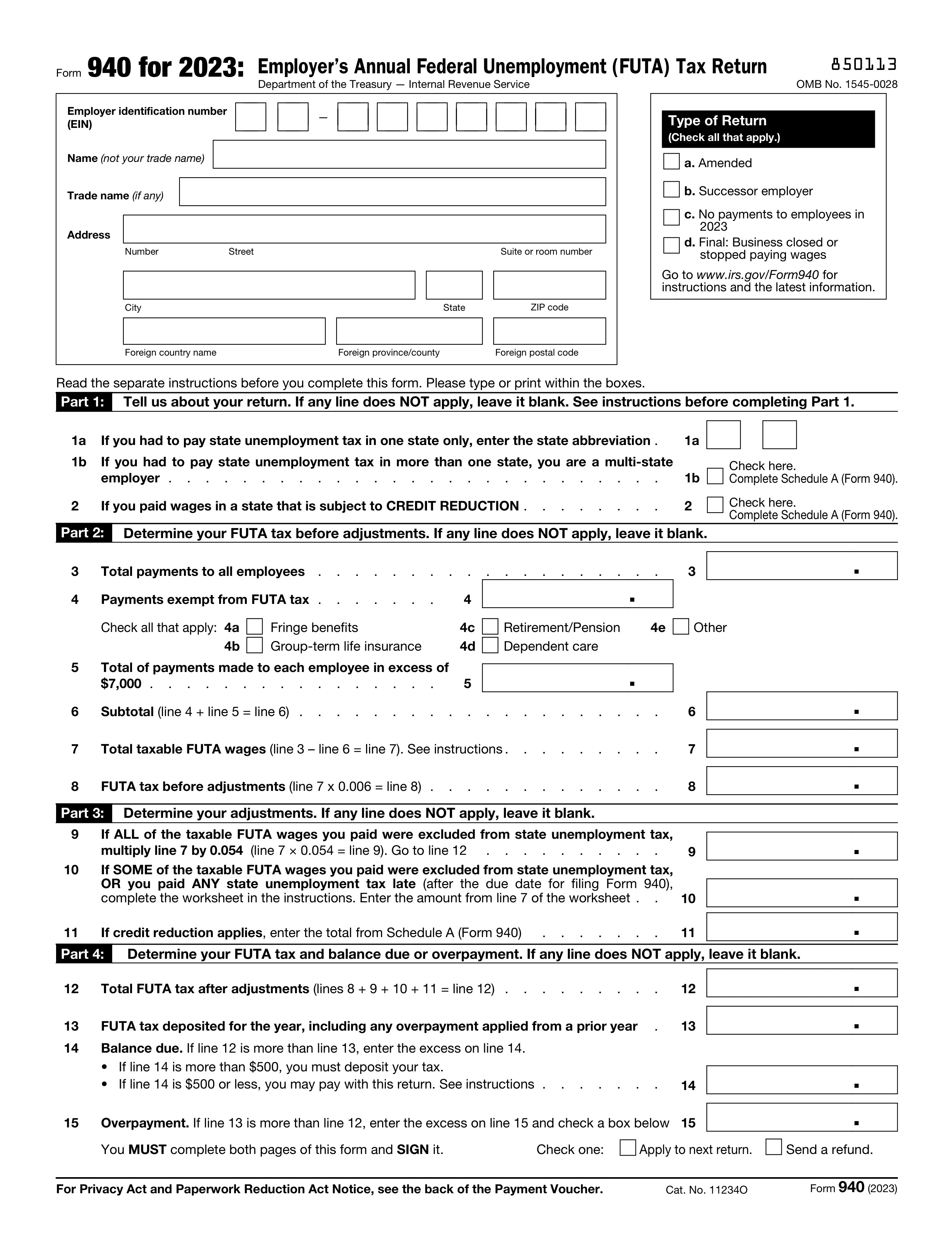
When a business files Form 940 without an accompanying payment, it usually means the tax liability has already been settled through federal tax deposits throughout the year, or the business owes less than the threshold requiring a current payment. Navigating the logistical requirements of the IRS involves identifying the specific regional processing center assigned to your business location. Misdirecting these documents can lead to processing delays, unnecessary correspondence from the IRS, and potential administrative headaches that detract from core business operations.
Understanding Form 940 and the Importance of Filing Accuracy
Before diving into the logistical details of mailing addresses, it is essential to frame Form 940 within the broader context of business finance. The Federal Unemployment Tax Act (FUTA), with state unemployment systems, provides funds for paying unemployment compensation to workers who have lost their jobs. Most employers pay both a Federal and a state unemployment tax. Only the employer pays FUTA tax; it is not deducted from the employees’ wages.
The Financial Mechanics of FUTA Taxes
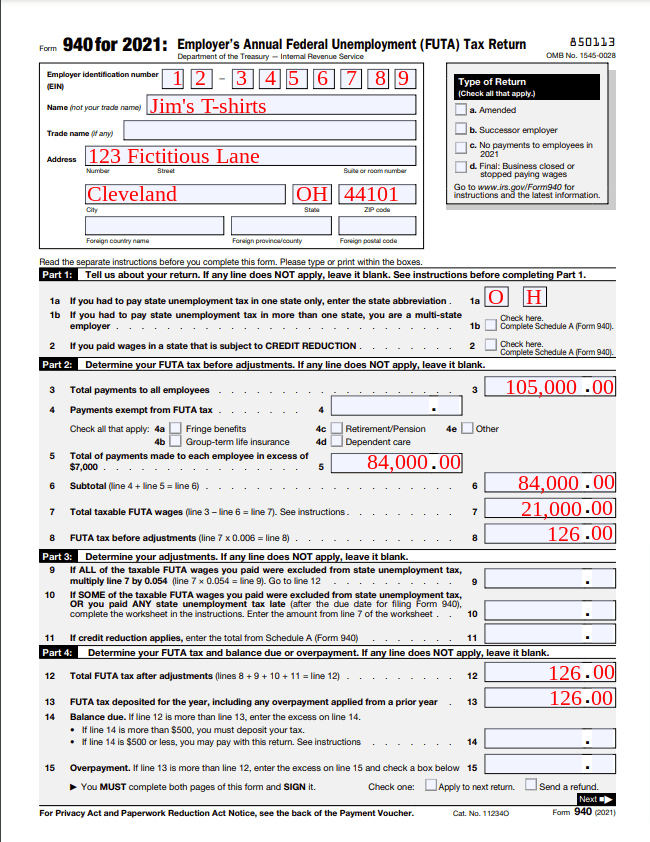
Form 940 is used to report the annual FUTA tax. For most businesses, the FUTA tax rate is 6.0% on the first $7,000 paid to each employee as wages during the year. However, businesses generally receive a credit of up to 5.4% for the state unemployment taxes they pay, effectively reducing the FUTA tax rate to 0.6%. Managing this calculation is a key aspect of payroll accounting.
Filing Form 940 without a payment is a common scenario. This occurs because the IRS requires employers to make quarterly deposits if their FUTA tax liability exceeds $500 in a given quarter. By the time the annual return is due on January 31, many healthy businesses have already deposited their full liability. In these cases, Form 940 serves as a reconciliation tool rather than a payment vehicle.
Why Mailing Without Payment Requires Specific Addresses
The IRS maintains separate processing streams for returns sent with payments and those sent without. Returns accompanied by checks or money orders are routed through “lockbox” addresses, which are often managed by financial institutions designed to process high volumes of payments quickly. Conversely, returns sent without payment are sent directly to IRS service centers for data entry and reconciliation. Sending a “no-payment” return to a lockbox address can slow down the processing of your return, as it must be rerouted to the correct service center.
Determining Your Filing Location: A State-by-State Breakdown
The IRS divides the United States into specific regions for the purpose of processing paper returns. Your mailing address is determined by the state in which your principal place of business is located. It is crucial to verify your region annually, as the IRS occasionally shifts states between processing centers to balance workloads.
The Eastern and Midwestern Region
If your business is located in the following states, the IRS has designated a specific processing center in the Midwest to handle your non-payment Form 940:
- Connecticut, Delaware, District of Columbia, Georgia, Illinois, Indiana, Kentucky, Maine, Maryland, Massachusetts, Michigan, New Hampshire, New Jersey, New York, North Carolina, Ohio, Pennsylvania, Rhode Island, South Carolina, Vermont, Virginia, West Virginia, Wisconsin.
For businesses operating in these jurisdictions, Form 940 returns submitted without a payment must be mailed to:
Department of the Treasury
Internal Revenue Service
Kansas City, MO 64999-0046
Using this specific zip code (64999-0046) ensures the document reaches the correct internal department for non-payment processing.
The Western and Southern Region
For businesses located in the western half of the country or certain southern states, the processing center is located in Utah. This includes:
- Alabama, Alaska, Arizona, Arkansas, California, Colorado, Florida, Hawaii, Idaho, Iowa, Kansas, Louisiana, Minnesota, Mississippi, Missouri, Montana, Nebraska, Nevada, New Mexico, North Dakota, Oklahoma, Oregon, South Dakota, Tennessee, Texas, Utah, Washington, Wyoming.
If your principal place of business is in one of these states and you are not including a check or money order, your return should be sent to:
Department of the Treasury
Internal Revenue Service
Ogden, UT 84201-0046
International and Special Jurisdictions
If you are filing from a location outside the 50 states, such as Puerto Rico, the U.S. Virgin Islands, Guam, or if you are filing from a foreign country or have an APO/FPO address, the IRS directs these returns to a centralized location. Business finance managers for international entities must be particularly careful with international postage and delivery timelines.
The address for international or “Special Case” filings without payment is:
Internal Revenue Service
P.O. Box 409101
Ogden, UT 84409
Strategies for Efficient Tax Documentation and Compliance
In the realm of business finance, filing a form is only one step in a larger compliance strategy. Successful financial management involves creating a repeatable process that minimizes the risk of errors and ensures that the business remains in good standing with federal authorities.
Record Keeping and Documentation
Even when mailing a form without payment, it is a best practice to maintain a “tax shadow file.” This file should contain a copy of the signed Form 940, a record of the quarterly deposits made throughout the year, and proof of mailing. In the event that the IRS claims a return was not received, having a certified mail receipt can save a business thousands of dollars in potential late-filing penalties. From a financial perspective, the cost of certified mail is a negligible insurance premium against the high cost of IRS disputes.
Digital vs. Paper Filing: A Financial Comparison
While this guide focuses on mailing physical forms, business owners should periodically evaluate the financial impact of moving to e-filing. E-filing Form 940 is generally faster and provides an immediate electronic receipt, which acts as definitive proof of filing. Many payroll software solutions include e-filing as a standard feature. For a small business, the time spent printing, addressing, and visiting the post office often exceeds the nominal fee charged by e-file providers. However, for those who prefer the tactile control of paper filing or who are using specific historical accounting methods, following the mailing instructions precisely is the only way to ensure compliance.
Reconciling Payroll Records
Before mailing Form 940, the finance department must reconcile the total taxable FUTA wages reported on the return with the totals from the four quarterly Form 941 (Employer’s Quarterly Federal Tax Return) submissions. Any discrepancy can trigger an IRS audit or a “matching” notice. Ensuring these figures align before the envelope is sealed is a fundamental aspect of internal financial controls.
Common Pitfalls and Financial Consequences of Incorrect Mailing
The precision required in tax filing is not merely a matter of administrative neatness; it is a matter of financial protection. Errors in the mailing process can have tangible negative impacts on a company’s bottom line.
Missing the Deadline
Form 940 is due by January 31 for the preceding tax year. However, if you deposited all your FUTA tax when it was due, you have an additional 10 days—until February 10—to file the return. Mailing the form to the wrong address can lead to the IRS receiving it after these deadlines. Late filing penalties are typically 5% of the unpaid tax for each month or part of a month the return is late, up to a maximum of 25%. Even if no tax is owed, a business may face administrative penalties or a loss of “good standing,” which can affect its ability to secure loans or government contracts.
Addressing the Envelopes Correctly
One of the most common errors is using a “payment” address when no payment is included. The IRS lockbox facilities are designed to process checks. When they receive a return without a check, the document must be manually flagged and shipped to a different state for processing. This creates a “black hole” period where the return is in transit between IRS facilities, during which the IRS system may automatically generate a “failure to file” notice. Responding to these notices requires administrative time and potentially professional fees for accountants or tax attorneys.
Using the Proper Delivery Service
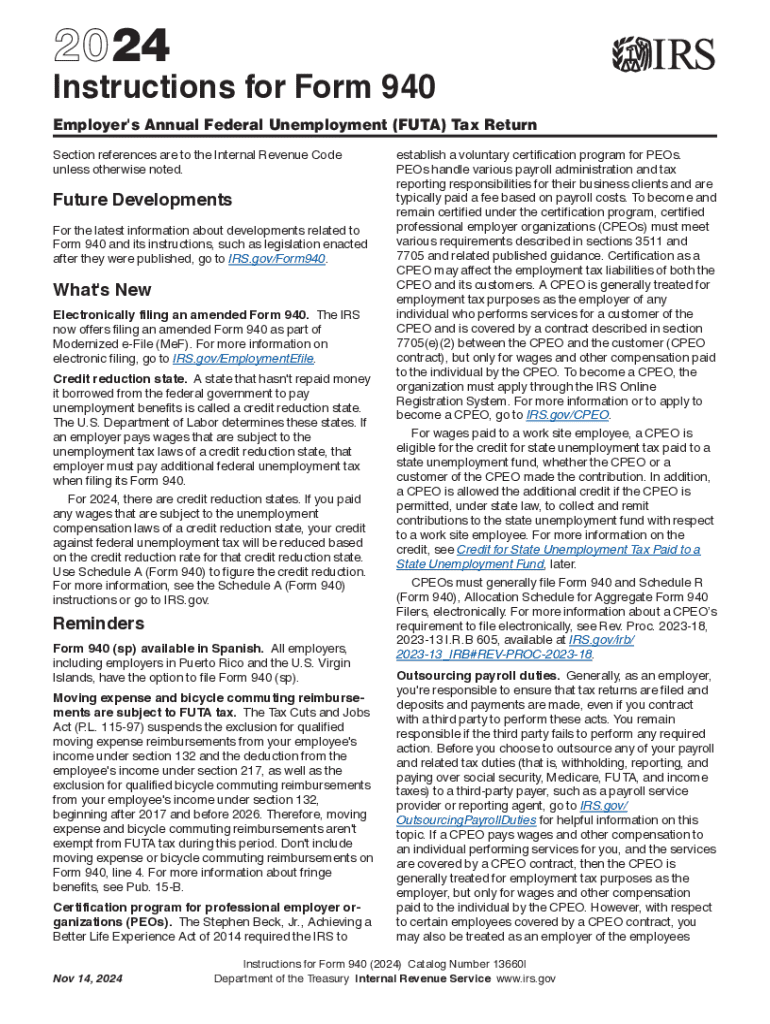
While the IRS accepts private delivery services (PDS) like FedEx or UPS, they have very specific rules about which services qualify for the “timely mailing treated as timely filing” rule. If you are mailing your Form 940 without payment and choose not to use the U.S. Postal Service, you must ensure you are using an IRS-designated private delivery service. However, for non-payment returns sent to the Kansas City or Ogden addresses, the U.S. Postal Service remains the most straightforward and cost-effective option for most businesses.
Optimizing Business Cash Flow Through Proactive Tax Planning
The act of filing Form 940 is the conclusion of a year-long financial process. By the time you are looking for the correct mailing address, your FUTA tax strategy for the previous year is already set. However, a professional approach to business finance involves using the filing period as an opportunity to optimize for the coming year.
Planning for FUTA Liabilities
Because FUTA tax is only paid on the first $7,000 of an employee’s wages, the majority of a business’s FUTA liability is incurred in the first and second quarters of the year. This front-loaded tax burden can create cash flow challenges for seasonal businesses or startups with tight margins. Financial managers should forecast these payments as part of their annual budget to ensure that the necessary funds are available in the early months of the fiscal year.
Leveraging the FUTA Credit
The 5.4% credit for state unemployment tax is a significant financial benefit, but it is contingent on the business paying its state unemployment taxes on time. If a business is late on its state payments, the IRS may reduce the credit, effectively increasing the FUTA tax rate and the total financial liability of the company. Proactive management of state-level unemployment accounts is therefore a prerequisite for a clean Form 940 filing at the federal level.
Final Review Before Mailing
Before the Form 940 is placed in an envelope addressed to Kansas City or Ogden, a final financial audit is recommended. Ensure that the business’s Employer Identification Number (EIN) is correct, the tax year is correctly identified, and the form is signed by an authorized individual. In the eyes of the IRS, an unsigned return is the same as no return at all. By adhering to these professional standards and utilizing the correct regional mailing address, business owners can ensure their financial compliance remains robust, allowing them to focus their energy on growth and operational excellence.
aViewFromTheCave is a participant in the Amazon Services LLC Associates Program, an affiliate advertising program designed to provide a means for sites to earn advertising fees by advertising and linking to Amazon.com. Amazon, the Amazon logo, AmazonSupply, and the AmazonSupply logo are trademarks of Amazon.com, Inc. or its affiliates. As an Amazon Associate we earn affiliate commissions from qualifying purchases.