
Selling a car is often a significant financial event, whether you’re upgrading, downsizing, or simply liquidating an asset. The difference between a good sale and a great one frequently boils down to where you choose to list your vehicle. Each platform comes with its own set of advantages, disadvantages, fee structures, and reach, all of which directly influence your net return. Understanding these nuances is crucial for any seller looking to maximize their profit and minimize the hassle. This comprehensive guide delves into the various avenues available for selling your car, analyzing them through the lens of personal finance to help you make the most informed and profitable decision.

Navigating the Digital Landscape for Optimal Financial Outcomes
The internet has revolutionized the car selling process, offering unparalleled reach and convenience. However, not all digital platforms are created equal when it comes to securing the best financial result. Sellers must weigh the costs, audience quality, and security features of each option.
Specialized Automotive Marketplaces: Paying for Premium Exposure
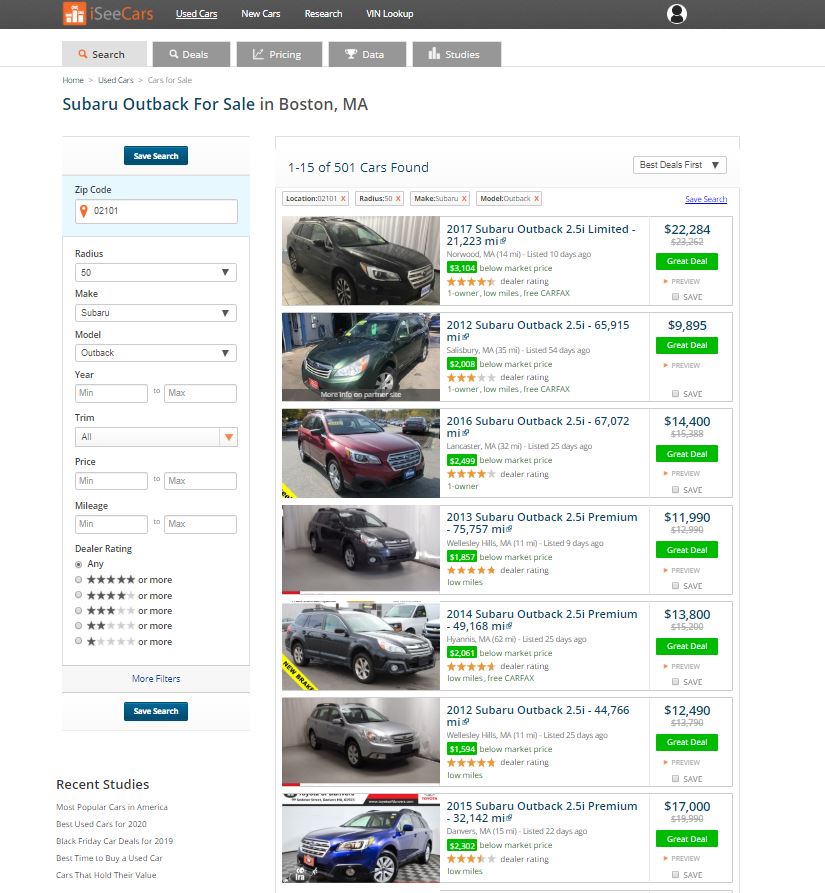
For many, specialized automotive marketplaces are the first port of call. Platforms like AutoTrader, CarGurus, Cars.com, and Kijiji Autos (in Canada) are designed specifically for buying and selling vehicles. They offer robust search filters, detailed listing capabilities, and a user base actively looking to purchase cars.
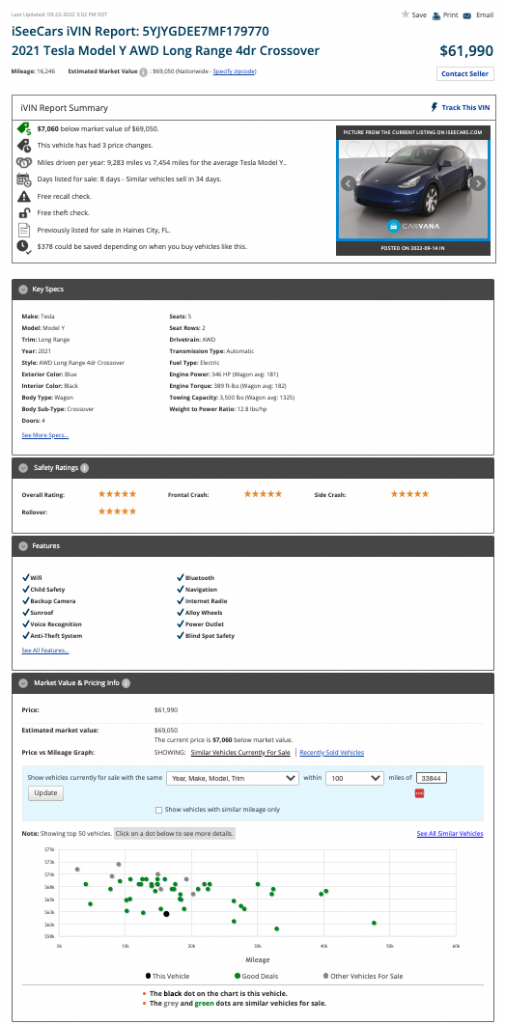
- Financial Benefits: These platforms typically attract serious buyers who are further along in their purchase journey, often leading to quicker sales and potentially higher offers closer to your asking price. The fees associated with listing (which can range from basic packages to premium, feature-rich options) are often justified by the increased exposure to a targeted audience, potentially offsetting the cost with a better final sale price. They also often provide tools for market valuation, helping you set a competitive yet profitable price.
- Financial Drawbacks: The primary disadvantage is the cost. Listing fees can be substantial, particularly for enhanced packages that offer more photos, longer listing durations, or prominent placement. Sellers must factor these costs into their expected net profit. If your car is at a lower price point, these fees might eat a disproportionately large chunk of your profit margin.
General Online Classifieds and Social Media: Leveraging Low-Cost Reach
Platforms such as Facebook Marketplace, Craigslist, and eBay Motors offer a broader, often free, alternative to specialized sites. These avenues boast immense user bases and can connect you with local buyers quickly.
- Financial Benefits: The most significant advantage here is cost-effectiveness. Facebook Marketplace and Craigslist are largely free to use, making them highly attractive for budget-conscious sellers or those with vehicles that might not warrant high listing fees. eBay Motors offers various listing options, including auctions and “Buy It Now,” allowing you to potentially generate competitive bidding or a quick sale. The local focus of these platforms can also reduce logistical costs associated with showing the car.
- Financial Drawbacks: While free, these platforms come with their own financial risks and time investments. You’re more likely to encounter “tire-kickers,” scammers, and individuals seeking significant discounts, which can prolong the sales process and erode your potential profit. Safety concerns also arise, necessitating careful management of meetings and test drives to protect both your person and your financial asset. Screening buyers effectively becomes paramount to avoid wasted time and potential security threats that could lead to financial loss.
Online Car Retailers and Instant Offers: Trading Profit for Convenience
A newer category of online platforms includes services like Carvana, Vroom, CarMax (for instant offers), and Kelley Blue Book’s Instant Cash Offer. These services provide immediate cash offers for your vehicle, streamlining the selling process dramatically.
- Financial Benefits: The primary benefit is unparalleled convenience and speed. You receive an offer, they often pick up the car, and you get paid quickly, often without any haggling or private showings. This can be invaluable if you need cash quickly or want to avoid the time and effort of a private sale. It effectively puts a floor under your vehicle’s value, guaranteeing a sale price instantly.
- Financial Drawbacks: The convenience often comes at a cost – a lower sale price. These retailers need to acquire cars at wholesale prices to resell them at a profit, meaning their offers will almost always be less than what you could achieve through a private sale. Sellers must evaluate the “opportunity cost” – how much is their time and convenience worth versus the potential extra profit from a private sale? For many, sacrificing a few hundred or even a couple of thousand dollars for a hassle-free, immediate transaction is a worthwhile financial trade-off.
Exploring Traditional and Hybrid Selling Avenues
While digital platforms dominate, traditional and hybrid methods still hold significant value, especially for those prioritizing specific financial or logistical outcomes.
Dealership Trade-ins and Consignment: Leveraging Professional Services
Engaging with a dealership offers structured ways to sell your car, albeit with different financial implications.
- Trade-in Financial Benefits: Trading your car in when purchasing a new one offers the ultimate convenience. The dealership handles everything, and in many regions, the trade-in value is deducted from the purchase price of your new car before sales tax is calculated, resulting in a direct tax saving. This can effectively increase the net value of your trade-in. It’s an instant transaction, eliminating the risks and time commitment of private sales.
- Trade-in Financial Drawbacks: The primary drawback is that dealerships typically offer the lowest price for your vehicle compared to private sales. They need to make a profit on reselling your car, requiring a significant margin. You might receive an attractive “trade-in value,” but this could sometimes be offset by a less competitive price on your new vehicle. It’s crucial to negotiate both transactions independently to ensure you’re getting a fair deal on both ends.
- Consignment Financial Benefits: Some dealerships or specialized consignment services will sell your car for you, charging a fee or percentage of the sale price. This can potentially yield a higher price than a direct trade-in, as the dealer is selling it as a used vehicle, not just buying it as inventory. The dealer handles marketing, showings, and paperwork, saving you time and effort while potentially securing a better price than you could get on your own.
- Consignment Financial Drawbacks: You don’t receive immediate cash. The car remains yours until sold, and you might still be responsible for payments or insurance during this period. The consignment fee can also be substantial, and you need to ensure transparency regarding their marketing efforts and pricing strategy.
Local Advertising and Word-of-Mouth: The Zero-Cost, Community Approach
Sometimes the simplest methods are the most financially appealing. A “For Sale” sign on the car, local bulletin board postings, or simply telling friends and family can yield results.
- Financial Benefits: These methods are typically free, making them incredibly attractive from a cost-saving perspective. You incur zero listing fees, zero commissions, and often deal with local buyers, minimizing travel costs for showings. Selling to someone in your community or a friend of a friend can also build trust and streamline the transaction.
- Financial Drawbacks: The primary limitation is reach. Your potential buyer pool is significantly smaller than with online platforms, potentially leading to a longer sales period or necessitating a lower asking price to attract interest. Safety and privacy can also be concerns when advertising your personal vehicle directly.
Financial Considerations When Choosing a Platform
Making an informed decision about where to list your car requires a thorough financial analysis. It’s not just about the highest potential sale price, but also the net profit after all costs and time investments.
Understanding Fees and Commissions: Calculating Your Net Return
Before committing to any platform, meticulously calculate all potential fees. This includes listing fees (basic, premium), success fees (a percentage of the sale price), and any additional costs for inspections, background checks, or expedited services. For dealership consignment, understand their commission structure. Subtract these from your expected sale price to determine your true net profit. Sometimes, a platform with higher fees but a reputation for securing better prices can ultimately yield a greater net return than a “free” platform that only attracts lowball offers.
Time vs. Money: The Opportunity Cost of Selling
Every hour spent listing, communicating with buyers, showing the car, and dealing with paperwork has an implicit financial value. If you’re spending dozens of hours on a private sale to save a few hundred dollars, consider what else you could have done with that time. For individuals with high hourly earnings or busy schedules, the convenience of an instant offer or a dealership trade-in, despite a lower gross sale price, might offer a higher overall financial benefit by freeing up valuable time. This is the concept of opportunity cost – the value of the next best alternative you forgo.
Maximizing Your Vehicle’s Value: Strategic Investment for Higher Returns
Regardless of where you list, investing a small amount in preparing your car can significantly enhance its saleability and final price.
- Minor Repairs and Maintenance: Addressing small issues (e.g., burned-out headlight, minor oil leak, worn wiper blades) before listing can prevent buyers from using them as negotiation points for larger discounts. A fresh oil change or new air filter signals a well-maintained vehicle.
- Professional Detailing: A clean, sparkling car makes a powerful first impression. Professional detailing can yield hundreds, sometimes thousands, more on the sale price by presenting the car in its best light. It’s an investment with a high return.
- Comprehensive Service History: Providing meticulous records of all maintenance, repairs, and inspections builds trust and justifies your asking price. Buyers are often willing to pay a premium for a car with a transparent and well-documented history, as it reduces their perceived future financial risk.
Best Practices for a Profitable Car Sale
Beyond choosing the right platform, implementing smart strategies throughout the selling process is key to maximizing your financial return.
Crafting an Irresistible Listing: Attracting Top Dollar
Your listing is your primary marketing tool. Invest time in making it compelling.
- High-Quality Photos: Take numerous, well-lit photos from all angles, including interior shots, odometer, engine bay, and any unique features. Photos are the first thing potential buyers see and greatly influence their interest.
- Detailed and Honest Description: Be thorough but concise. Highlight key features, recent maintenance, safety features, and any upgrades. Be honest about minor flaws; transparency builds trust and avoids wasted time.
- Highlight Unique Selling Points: Does your car have low mileage for its age? A rare trim package? New tires? Emphasize these points to justify your pricing and stand out from the competition.
Smart Pricing and Negotiation: Optimizing Your Profit Margin
Pricing your car correctly is arguably the most critical step in maximizing profit.
- Thorough Market Research: Use online valuation tools (KBB, Edmunds, Black Book) and compare similar listings on your chosen platforms to determine a competitive market value.
- Set a Competitive Price: Price your car slightly above your absolute minimum acceptable offer to allow for negotiation, but don’t overprice to the point of deterring potential buyers.
- Be Prepared to Negotiate: Most buyers will try to negotiate. Know your bottom line and be firm but polite. Understand the art of negotiation – sometimes accepting a slightly lower offer for a quick, hassle-free sale is financially prudent.
Ensuring a Secure and Smooth Transaction: Protecting Your Financial Interests
Protecting yourself throughout the transaction is paramount to prevent financial loss.
- Safe Meeting Locations: For private sales, meet in public places, preferably during daylight hours. Bring a friend or family member if possible.
- Test Drive Precautions: Always accompany potential buyers on test drives. Verify their driver’s license and insurance beforehand.
- Handling Paperwork Correctly: Ensure all transfer of ownership documents, bill of sale, and release of liability forms are completed accurately and signed by both parties. Consult your local DMV for specific requirements. Errors here can lead to future financial liabilities.
- Secure Payment Methods: Accept only secure forms of payment, such as a cashier’s check directly from the buyer’s bank (and verify it with the issuing bank before releasing the car) or an electronic bank transfer. Avoid personal checks, money orders, or large amounts of cash unless you can verify authenticity immediately. Never release the title or the car until funds are fully secured in your account.
In conclusion, the decision of where to list your car for sale is a strategic financial one. By carefully evaluating the costs, reach, target audience, and convenience of each platform, and by applying best practices for presentation, pricing, and transaction security, you can significantly enhance your chances of achieving a financially successful and satisfying sale. Prioritize your net return, weigh the trade-offs between time and money, and approach the process with a clear understanding of your financial goals.
aViewFromTheCave is a participant in the Amazon Services LLC Associates Program, an affiliate advertising program designed to provide a means for sites to earn advertising fees by advertising and linking to Amazon.com. Amazon, the Amazon logo, AmazonSupply, and the AmazonSupply logo are trademarks of Amazon.com, Inc. or its affiliates. As an Amazon Associate we earn affiliate commissions from qualifying purchases.